(7% discount is applied at checkout)
Cart is empty
Your go-to destination for cutting-edge server products
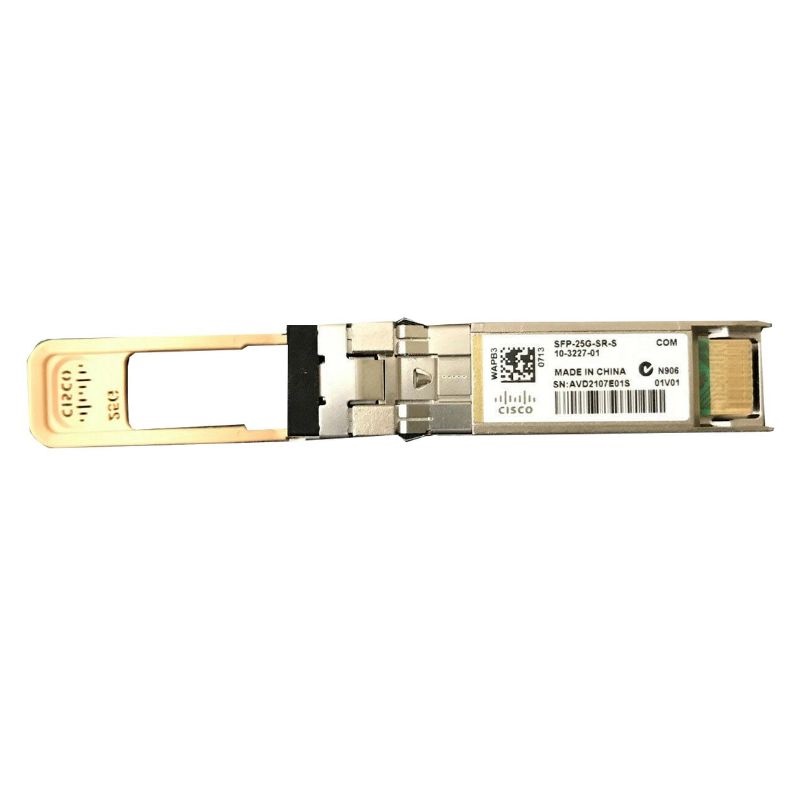


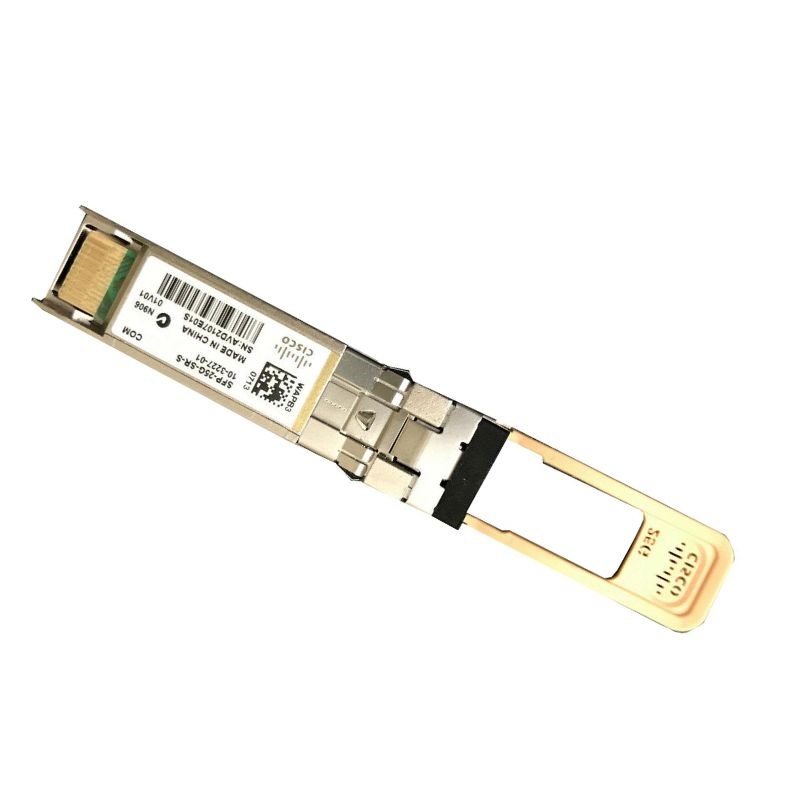
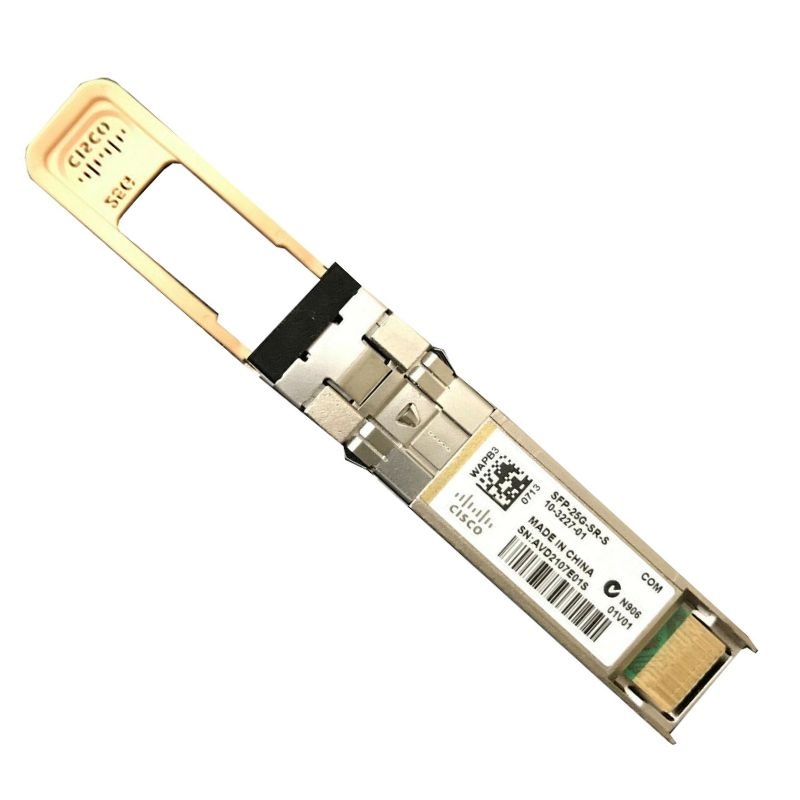
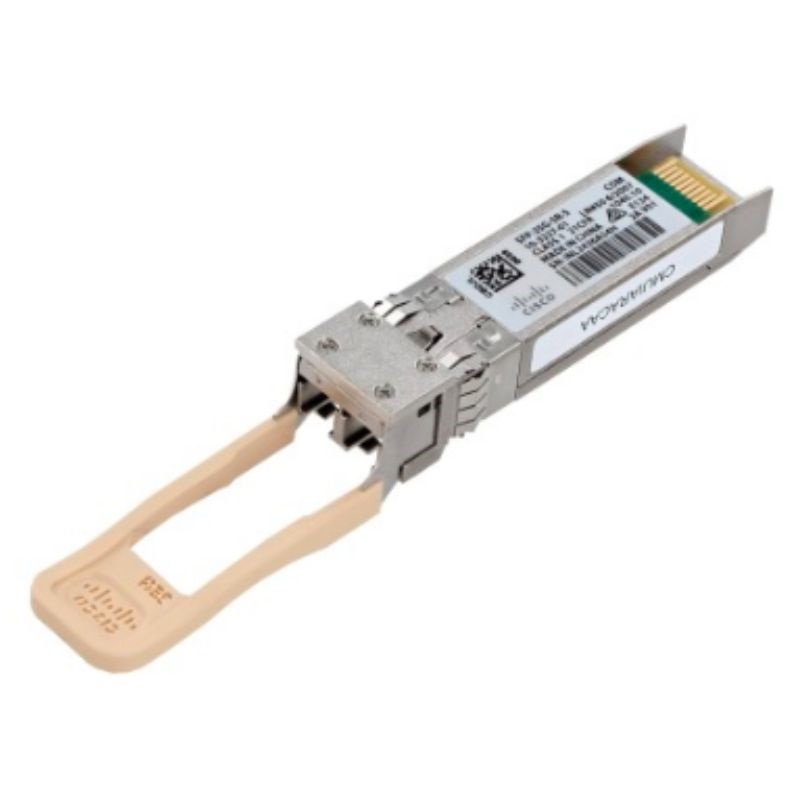
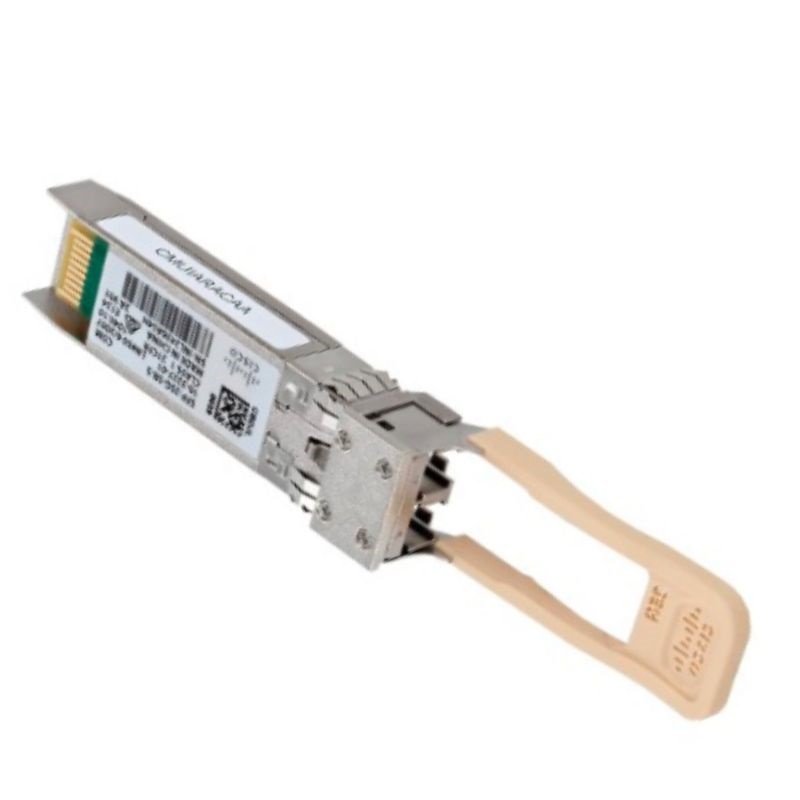
Cisco 10-3227-01 25GBPS SFP28 Short-range Transceiver Module. Factory-Sealed New in Original Box (FSB) with 1 year replacement warranty
| SKU/MPN | Warranty | Price | Condition | You save |
|---|---|---|---|---|
| 10-3227-01 | 1 Year Warranty | $210.00 | Excellent Refurbished | You save: $73.50 (26%) |
| 10-3227-01 | 1 Year Warranty | $280.00 | Factory-Sealed New in Original Box (FSB) | You save: $98.00 (26%) |
The Cisco 10-3227-01 25 Gigabit SFP28 short-range LC multi-mode transceiver module sits at the heart of modern 25G access, aggregation, and leaf/spine fabrics. This category covers single-lane 25GBase-SR optical modules that use 850 nm short-wavelength optics over OM3/OM4 multimode fiber (MMF) with a duplex LC interface. Built to be hot-swappable and MSA-compliant within the SFP28 form factor, these optics deliver reliable, low-latency links for top-of-rack switching, server NIC uplinks, enterprise campus backbones, service provider metro edges, and storage networks that are evolving from 10G to 25G bandwidth.
Whether you are refreshing an existing Cisco environment or building a new high-performance fabric, this category page explains the capabilities, typical specifications, deployment patterns, cabling guidelines, interoperability considerations, testing tips, and maintenance best practices for the Cisco 10-3227-01 class of transceivers. You’ll also find practical guidance for migrating from 10GBase-SR to 25GBase-SR, optimizing power and thermal envelopes in dense racks, and planning fiber infrastructure for current and future speeds.
Defines the Cisco 10-3227-01 Category
SFP28 SR modules in this category are optimized for short-reach connectivity in 25-gigabit Ethernet environments. They occupy the same physical footprint as SFP+ but employ enhanced electrical specifications suitable for 25G. Key characteristics commonly associated with this category include:
25G provides a sweet spot for cost, density, and power efficiency compared with 10G and 40G alternatives. A single 25G lane increases throughput by 2.5× over 10G while avoiding the lane aggregation and bulk of 40G QSFP+ (which aggregates four 10G lanes). This makes 25G optics ideal for server access and leaf tier links where high port density, efficient cabling, and predictable performance are paramount. The Cisco 10-3227-01 class of modules embraces these benefits without complicating fiber runs, letting organizations re-use existing OM3/OM4 plant in most data-center rows and campus IDF/MDF interconnects.
Short-range 25GBase-SR modules are engineered for multimode fiber distances common in server rooms and data-center halls. While the exact reach depends on fiber type, quality, connector cleanliness, and channel loss, the category expectation is:
To realize the stated reach, maintain clean LC connectors, use high-quality patch cords, and minimize unnecessary mated pairs. Every added connector and splice contributes insertion loss that consumes the link budget.
The SFP28 envelope guarantees broad mechanical compatibility with Cisco platforms that host 25G SFP28 slots. Electrically, the module interfaces with the host via enhanced SFI signaling for 25G. The modules are hot-swappable—from a live chassis—simplifying operations, reducing maintenance windows, and enabling fast rollbacks in the event of a fault isolation exercise.
From a thermal perspective, short-range SFP28 optics typically dissipate low power, enabling high port densities on ToR switches and line cards. Good practice includes leaving reasonable airflow space in front of optics, deploying blanking panels in unused bays, and orienting fan trays according to the chassis airflow policy.
The 25GBase-SR optical interface is standards-based and typically interoperates with other vendors’ 25G SR modules across compliant multimode runs. When building links between dissimilar hosts (for example, a Cisco leaf to a third-party NIC or switch), ensure:
Within Cisco ecosystems, confirm that the targeted platform and software release support SFP28 SR modules. In mixed environments, perform a burn-in test and validation plan that includes link flaps, temperature cycling, and performance under traffic.
Some operators weigh SFP28 SR against DAC and AOC options:
Organizations often migrate incrementally. A practical path is to upgrade ToR switches first, then server NICs, and finally aggregation tiers where needed. Because SFP28 uses the same physical cage as SFP+, the front-panel density stays high while throughput per port increases. Existing OM3/OM4 LC runs remain viable, minimizing construction and downtime.
Looking forward, 25G lanes form the building blocks of 50G (2×25G) and 100G (4×25G in certain generations) in some architectures. Planning structured cabling around robust OM4 (or better) and disciplined connector management protects investment as you scale to higher rates or introduce parallel-optic uplinks on other ports.
SFP28 SR offers predictable, low-latency transport, important for micro-services chatter, financial workloads, real-time analytics, and distributed storage metadata. By avoiding multi-lane serialization of older 40G approaches on access links, the optical path stays simple, with fewer opportunities for packet reordering or head-of-line blocking unrelated to the physical layer.
One of the major advantages of 25G SFP28 SR is its low power profile, enabling dense faceplates with many adjacent ports. Even so, adopt these practices for reliable thermal management:
Optical modules at layer-1 do not enforce security policies, but they play an indirect role in protecting uptime and data integrity. Standardize on vetted suppliers, maintain a documented chain of custody for optics, and track serial numbers against deployed ports. In regulated environments, keep calibrated records of DOM thresholds and environmental readings to satisfy audit trails during incident reviews.
Stock spares equal to a percentage of active ports, factoring in MTBF, lead times, and change windows. Rotate spares through inventory to avoid excess shelf aging, and test a sample from each lot on receipt. As software images evolve, watch for release notes mentioning transceiver firmware interactions or updated DOM threshold profiles and plan upgrades accordingly.
Each server NIC connects via duplex LC patch to an MMF trunk routed to the ToR switch. Keep patching short and neat to preserve airflow. For dual-homed servers, terminate each NIC to separate ToRs for high availability and leverage LACP or MLAG at the distribution layer.
When 25G per leaf uplink is sufficient, a pair of SR optics per link provides predictable latency and minimal cable bulk. For oversubscription tuning, add or remove parallel 25G links as needed rather than over-provisioning early with higher-rate gear.
Use existing OM3/OM4 trunks between closet switches and the core, subject to budget verification. Aggregate multiple 25G links with LAG to scale throughput while keeping individual optical paths straightforward to maintain.
Standardize LC color schemes (e.g., aqua for OM3/OM4) and label both ends of each patch with port ID, device, and link purpose. Maintain an authoritative source of truth for port-to-port mapping and use QR codes on panel doors to link technicians to live documentation during change windows.
Keep dust caps on unused optics and patch cord ferrules. Store modules in anti-static clamshells and avoid stacking heavy objects on coiled jumpers. Rotate inventory and test a sample of stored optics quarterly to maintain confidence in spares.
Treat each optical path as a reliability component. Track failure modes (dirty connectors, bent patch cords, worn latches, mis-polarity) and quantify their contribution to incident frequency. Implement guardrails: pre-change checklists, post-change DOM verification, and automated link-flap suppression policies to protect control planes during intermittent failures.
Before wide deployment, designate canary racks to soak new optics lots and software images. Collect telemetry at higher granularity and run synthetic workloads to validate stability. Once confidence is high, scale across rows and sites following a repeatable change template.
The total cost of ownership for 25G SFP28 SR modules is driven by power efficiency, fiber re-use, and operational simplicity. Compared with migrating directly to higher-order parallel-optic uplinks for access, 25G SR reduces transceiver and cabling costs while sustaining excellent density. Savings compound when cabling plant requires minimal rework and technicians can rely on familiar LC practices.
Standardize on a small set of optic SKUs across the environment. Doing so simplifies spares, accelerates mean time to resolution, and reduces the chance of installing a mismatched module under pressure.
Lower power draw per port and the ability to re-use existing multimode plant contribute to sustainability goals. Less copper bulk in short-reach fiber runs also improves rack airflow, potentially lowering cooling requirements. Track power per active 25G port and trend improvements after housekeeping changes (e.g., better cable dressing or replacement of high-loss jumpers).
Incorporate optical certification in your acceptance criteria. Use light-source and power-meter tools to verify end-to-end loss on representative links. Where feasible, require vendor test reports for received optics batches and keep them on file with serial number ranges.
When an incident hits, isolate layers quickly. If L2/L3 counters show clean paths but optical DOM indicates low receive power, focus on fiber. If optical health is normal but errors accrue, investigate host and ASIC configuration (speed, flow control, FEC if applicable). Keep a set of known-good patch cords for rapid swap tests; many intermittent issues reduce to a single contaminated jumper.
Equip field technicians with hands-on practice: inserting and removing SFP28 modules, cleaning LC connectors, inspecting ferrules, reading DOM, and interpreting common alarms. Provide quick-reference cards with pass/fail DOM ranges, bend radius guidelines, and a checklist for polarity validation. Reinforce ESD safety and proper storage habits to maximize module longevity.
Even if today’s design calls for 25G access, consider tomorrow’s needs. Reserve space in trays and panels for additional parallel links, and choose trunks with enough strands to scale. Document spare fiber counts per path and maintain an accurate, living map of your optical inventory so additions can be executed without surprise.
25G SR links excel for east-west VM traffic, vMotion, and storage backends. Pair optics with NIC offloads and jumbo frames to minimize CPU usage. Reserve a dedicated 25G link for storage when consistent I/O latency is required.
Micro-service chatter benefits from low-latency, short-range optics. Deploy multiple 25G links per node for resilience and capacity while keeping cabling simple through LC patch fields you already own.
For campus aggregation, 25G SR can modernize backbone segments without pulling new fiber. Use structured cabling with disciplined labeling to future-proof for incremental increases.
The hot-swappable nature of SFP28 means minimal downtime and fast MTTR. Always release the latch before withdrawing the module, avoid touching the optical interface, and immediately cap the port to prevent contamination. Record the serial number of both the removed and installed module for asset tracking.
Establish a standard test plan: unidirectional and bidirectional throughput at line rate, latency under mixed packet sizes, error counters over sustained runs, and DOM stability across ambient temperature variations. Keep golden links—known-good optics and jumpers—to isolate variables during troubleshooting.
Encourage a blameless post-incident review culture. When an optic or patch causes an outage, update runbooks and labels rather than merely replacing a component. Teach “inspect-then-clean-then-connect” as a mantra and recognize technicians who prevent incidents by catching subtle fiber issues early.
A small form-factor pluggable transceiver interface designed for 25-gigabit per second signaling, physically similar to SFP+ but with enhanced electrical characteristics.
Ethernet physical layer for 25 Gb/s short-reach operation over multimode fiber using 850 nm optics and LC connectors.
Laser-optimized multimode fiber types rated for high-speed short-reach applications, commonly used in data centers and campuses.
Digital Optical Monitoring/Digital Diagnostics Monitoring, exposing real-time transceiver telemetry such as power levels and internal temperature.


 Contact Us
 Information
 Catalog
 Solid State Drives (SSD)
 Network Switches
 Hard Disk Drives
 HBA & Controllers
 PC & Servers
 PC & Server Memory
 CPU & Processors
 Network Routers
 Power Supplies
 Tape Drives & Libraries
 Network Devices
 Computer & Network Cables