(7% discount is applied at checkout)
Cart is empty
Your go-to destination for cutting-edge server products
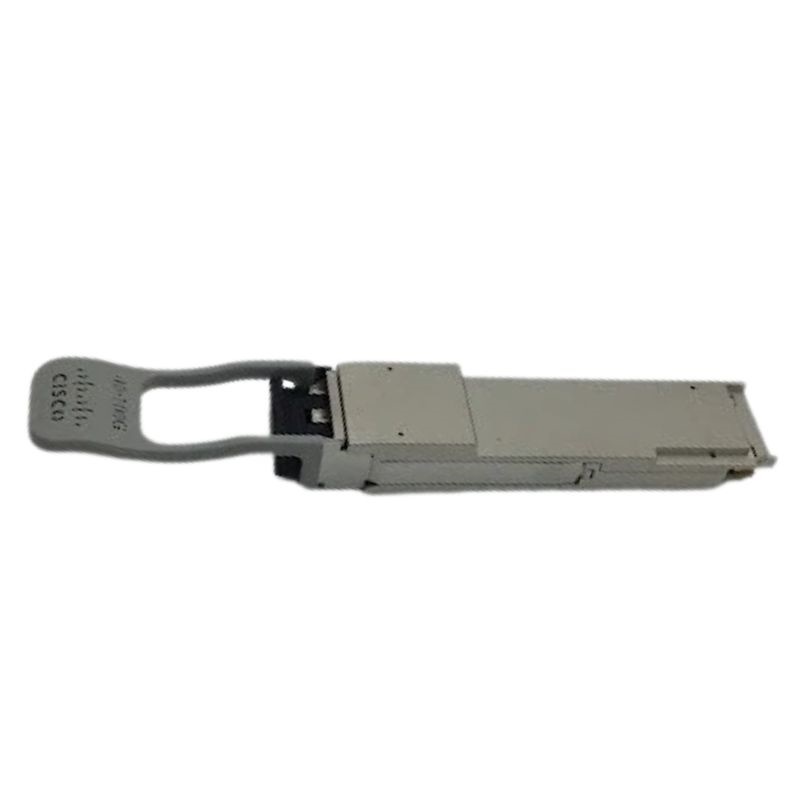


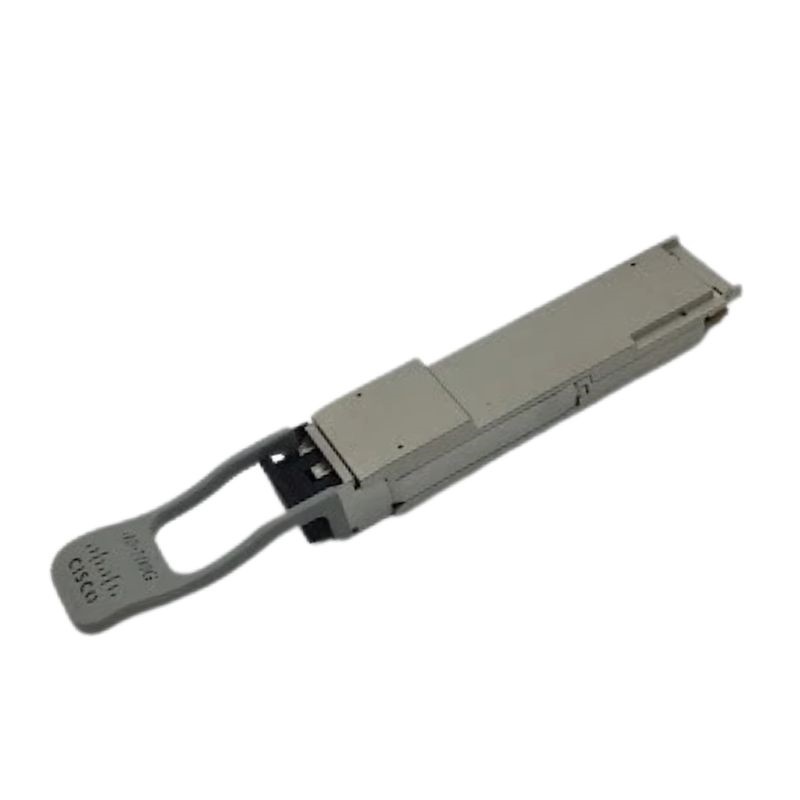
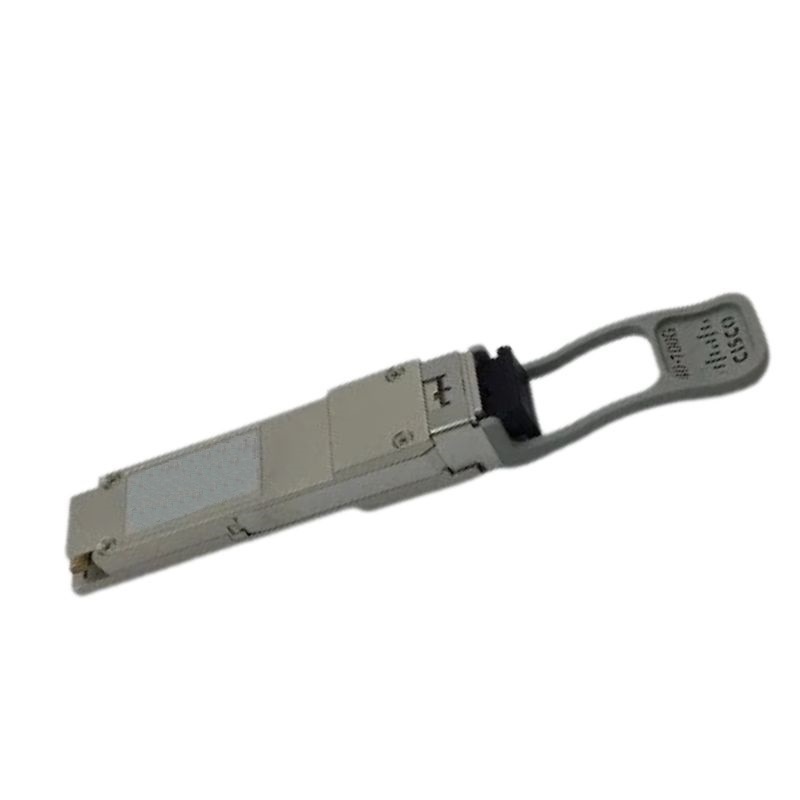
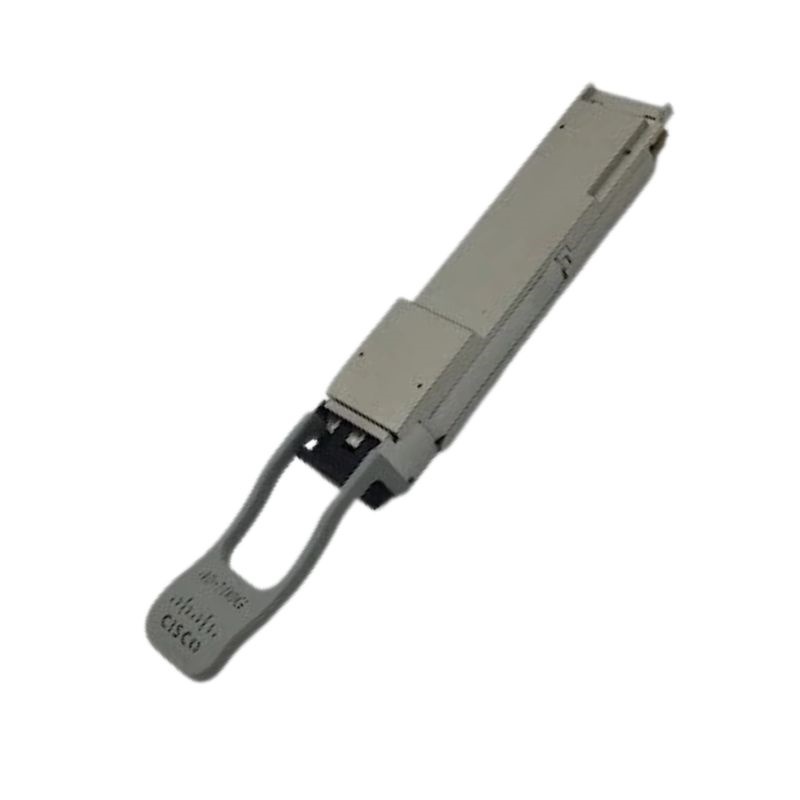
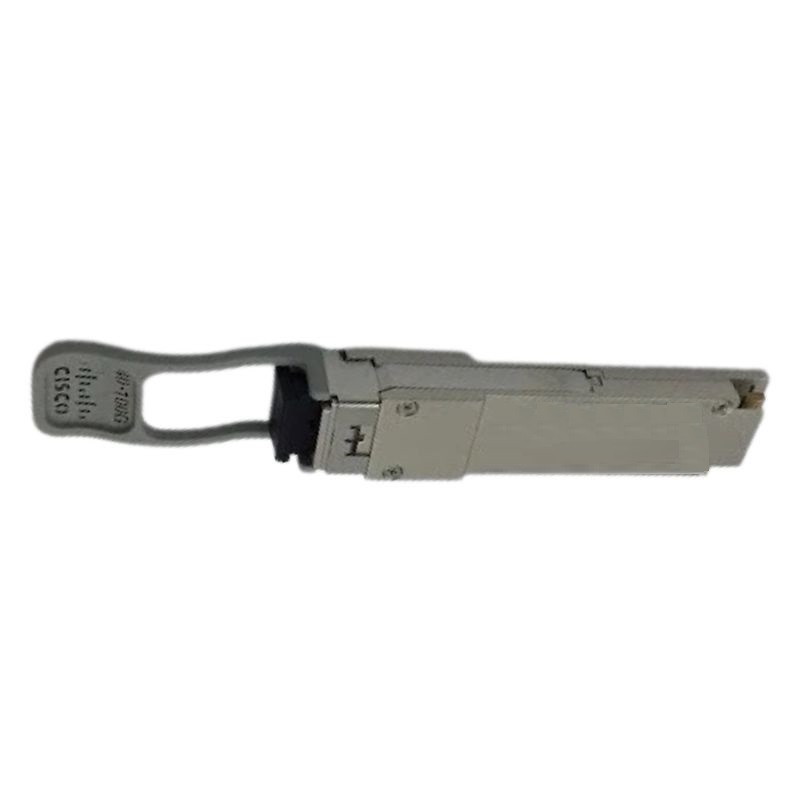
Cisco 10-3317-03 100GBPS LC Multi-Mode QSFP+ Transceiver Module. Excellent Refurbished with 1 year replacement warranty
| SKU/MPN | Warranty | Price | Condition | You save |
|---|---|---|---|---|
| 10-3317-03 | 1 Year Warranty | $125.00 | Excellent Refurbished | You save: $43.75 (26%) |
| 10-3317-03 | 1 Year Warranty | $225.00 | Factory-Sealed New in Original Box (FSB) | You save: $78.75 (26%) |
Product Overview of Cisco 10-3317-03 LC Multimode QSFP+ Optical Transceiver
Engineered for high-density switching and modern data center fabrics, the Cisco 10-3317-03 transceiver delivers ultra-fast connectivity over multimode optical fiber. With support for 100 Gigabit Ethernet and backward accommodation for 40 Gigabit Ethernet, this LC-terminated module helps consolidate bandwidth while preserving familiar fiber infrastructure.
This category page explores the ecosystem around the Cisco 10-3317-03 100 Gigabit Optical Fiber LC Multi-Mode QSFP+ Transceiver Module, with best-practice deployment guidance, physical interface considerations, typical applications, and purchasing tips for network planners and operations teams. While the label itself references 100 Gbps, LC, multi-mode, and QSFP+ in one string, seasoned engineers know that these terms can overlap with adjacent standards and marketing shorthand. This guide therefore addresses the full terrain—covering 40G/100G optics families, LC versus MPO connectors, multi-mode fiber (MMF) behavior, and platform compatibility—so that you can confidently evaluate modules and closely related substitutes in the same subcategory.
In data center and enterprise backbones, high-speed pluggable optics have consolidated around a few form factors. Historically, QSFP+ modules deliver 40 GbE, while QSFP28 modules target 100 GbE. Both are part of the quad small form-factor pluggable family, sharing mechanical similarities and the same cage dimensions, but with different electrical lanes and encoding for the target line rate. At the same time, cabling conventions vary by application: multi-mode short-reach optics frequently use MPO-12 connectors for parallel fibers, whereas single-mode long-reach optics typically use LC duplex. The product string referenced on this page intersects these concepts. For shoppers, the practical takeaway is that you will often be comparing this module with closely related multi-mode QSFP variants, including SR4 (short-reach four-lane) families, breakouts to 10G/25G, and platform-specific Cisco-approved SKUs.
At 40G and 100G in top-of-rack (ToR) to end-of-row (EoR) spans, short-reach multi-mode optics dominate because they provide predictable, low-latency links at a cost well below that of single-mode for the same distances. In this subcategory, you will encounter:
The specific labeling “LC Multi-Mode” invites careful verification because conventional SR4 modules use MPO-12. If your cabling plant is LC-terminated, consider whether a BiDi or duplex LC variant exists for your platform, or whether a pre-terminated MPO trunk with LC cassettes is more appropriate for aggregation tiers.
Selecting a high-speed multi-mode transceiver is about more than throughput. The following subsections unpack the design attributes that matter in planning, installation, and lifecycle operations for the Cisco 10-3317-03 family and comparable optics in the same category.
The QSFP family integrates four electrical lanes in a compact module. A QSFP+ module typically drives four lanes at 10 Gbps each for an aggregate 40 Gbps, while QSFP28 drives four lanes at 25 Gbps for an aggregate 100 Gbps. Because the cages are mechanically compatible, many switches and routers support both, but electrical and software compatibility still depends on platform and firmware. When evaluating a module marketed as 100G in a QSFP+ shell, confirm whether it is in fact QSFP28 for the 100G application or a breakout/intermediate device.
In the short-reach multi-mode subcategory, most 40G/100G deployments use MPO-12 connectors to carry four transmit and four receive fibers in parallel. However, optical designs exist that achieve high aggregate rates via duplex LC using bidirectional or multi-wavelength techniques. If your specification includes “LC Multi-Mode,” assess the following:
Multi-mode reach depends on the modal bandwidth of the cable and the transceiver design. Typical patterns include:
Always consult the platform data sheet for exact maximum distances for your module and fiber type, and budget in patch panels, mated pairs, and any cassettes in the link loss calculation.
Your effective reach is a function of the optical budget. In multi-mode short-reach designs, connector insertion loss, splice loss, and trunk attenuation dominate. Budget conservatively for:
Modern transceivers have robust receiver sensitivity for their target distances, but small miscalculations can push links near thresholds, producing intermittent errors under temperature or vibration. Cleaning and inspecting connectors with proper tools is essential.
Compact pluggables like QSFP run warm in dense line cards. Power consumption varies among SR, LR, CWDM, and PAM4-based parts. Even within the same category, a module engineered for enhanced diagnostics or extended temperature ranges may draw more. Maintain front-to-back airflow consistency and avoid blocked intakes; for high-density deployments, consider blanking panels and cable managers to keep turbulence low and cooling efficient.
Quality multi-mode modules, including Cisco-approved parts and their platform-aligned equivalents, expose DDM such as Tx power, Rx power, laser bias current, temperature, and supply voltage. Leverage these parameters for:
Cisco platforms enforce compatibility matrices that couple transceiver SKUs with specific switch and router models. The 10-3317-03 string may appear alongside equivalent platform codes or be associated with particular IOS/NX-OS releases. Before purchase, validate:
If you operate mixed-vendor fabrics, check whether your transceiver choice needs to be coded for a specific vendor on each end, or whether you’ll standardize on Cisco coding to simplify sparing.
Once deployed, optics benefit from consistent hygiene and monitoring.
Dust and oil are the arch-enemies of multi-mode links. Follow “inspect, clean, inspect” every time you handle a connector. Use lint-free swabs and isopropyl alcohol of suitable purity. For MPO, invest in guided-alignment cleaning tools to clean all fiber endfaces uniformly.
Maintain a right-sized sparing model:
The string “LC Multi-Mode” paired with 40/100G evokes two deployment patterns:
If you prefer to keep LC at the device front panel, verify whether your module is truly LC-based at the transceiver end, or whether it expects an MPO and you plan to break out to LC at the patch panel. The physical reality matters for part selection and day-2 support.
Many campuses and small data centers want to protect legacy LC-terminated OM3 while climbing to higher speeds. Three common paths:
Breakout lets one high-speed port serve multiple downstream devices:
Check that your module explicitly supports breakout and that your switch allows channelization on the target ports.
Structured cabling simplifies future growth. A modular design with trunks, cassettes, and patching fields makes moves, adds, and changes predictable.
Even when your end equipment uses LC, consider MPO trunks for backbone runs. In high-density designs, MPO allows efficient utilization of tray space. Cassettes at the rack edge offer LC presentation to devices while preserving backbone scalability. When mixing LC and MPO environments, label polarity clearly to avoid field confusion.
Multi-mode fiber tolerates moderate bends, but adhering to the minimum bend radius (commonly 10× the cable diameter for static installations) prevents micro-bending losses. Use ladder racks, Velcro (not zip ties) for gentle pressure, and avoid stacking heavy bundles on smaller patch cords.
Qualify each permanent link using Tier-1 (power/loss) testing and consider Tier-2 (OTDR) for troubleshooting. Store results in your documentation repository. Validate that cassettes and field terminations meet low-loss specifications consistent with 40/100G requirements.
At tens of gigabits per second per lane, the link budget is tight and the margin for dirt or deformation is slim. Common error domains include:
Mitigate by enforcing cleaning SOPs, using factory-terminated low-loss components, and monitoring temperature and DOM continuously.
While optics themselves do not enforce traffic policy, their selection influences security posture by enabling or constraining topology choices. For example, adopting breakout can create additional lateral paths that require ACLs, segmentation, or micro-segmentation. Ensure that the physical plant supports redundancy (A/B paths) through diverse pathways so that a single fiber incident does not disable both uplinks.
Use lockable patch panels in shared spaces. Color-code high-speed patch cords to differentiate them from lower-speed links, and maintain accurate port maps to avoid accidental disconnects during maintenance.
When sourcing Cisco-aligned QSFP optics in this category, balance cost, risk, and logistics:
For greenfield builds, bundle optics with matched MPO trunks or LC patching kits to ensure the whole solution is validated together. This reduces finger-pointing during turn-up and accelerates time to service.
Short-reach MMF solutions tend to be power-efficient per Gbps compared to some long-reach single-mode alternatives. Consolidating uplinks (e.g., migrating from 4×10G to a single 40G) can reduce the total number of optical engines in service. Use switch features like auto-negotiated low-power idle where available, and avoid over-provisioning ports that stay dark for long periods.
When operating mixed 10G/40G/100G fabrics, pay attention to autonegotiation behavior, FEC requirements (if any), and that both endpoints support the same optical technology. If you must interconnect different optical families, use media conversion or switch fabric intermediation—never try to “make LC work with MPO” via ad-hoc adapters without a coherent design.
Standardize the following templates across projects in this category:
High-speed optics amplify small process lapses. Treat any change to patching or optics as a controlled activity:
You can control total cost of ownership while preserving performance:
Store transceivers within recommended temperature and humidity ranges. Avoid touching the optical endface; always keep dust caps on when modules are not inserted. During transport and staging, use padded bins and anti-static packaging. Never coil patch cords tighter than the specified bend radius.
A spine of modular switches connects to leaf ToR switches via MPO-based short-reach optics. Trunks run 30–90 m along overhead trays. Each leaf has dual diverse paths to the spine. Breakouts are used for server aggregation at the leaf when needed.
A campus core extends higher bandwidth to IDFs by reusing existing LC duplex OM3 pathways. Transceivers using duplex MMF are selected within reach limits, enabling a low-disruption upgrade from 10G to higher rates at critical closets.
Edge racks present LC ports via cassettes for operational convenience, while the backbone uses MPO trunks for density and scalability. Transceivers at the switch face match the backbone’s parallel optics, with conversion handled neatly inside patch panels.
Measure what matters:
A team experiencing sporadic CRCs across multiple 40G short-reach links discovered that a maintenance window introduced minute dust contamination. A disciplined clean/inspect aligned DOM readings with design expectations and eliminated the errors without a single module replacement.
A new row shipped with trunks wired for Type-A while optics expected Type-B. Clear labeling and a quick polarity swap at cassettes resolved the issue—emphasizing the importance of pre-deployment audits.
Temperature swings can alter insertion loss marginally. In facilities with variable cooling (e.g., economizers), links near budget limits may flap as temperatures rise. Maintain reasonable thermal headroom, and track link performance across seasons.
Use barcodes or RFID to track transceivers from receiving to rack. Record where each module is installed, along with DOM baselines and maintenance history. This enables proactive replacement of aging optics and correlates performance data with vendor batches.


 Contact Us
 Information
 Catalog
 Solid State Drives (SSD)
 Network Switches
 Hard Disk Drives
 HBA & Controllers
 PC & Servers
 PC & Server Memory
 CPU & Processors
 Network Routers
 Power Supplies
 Tape Drives & Libraries
 Network Devices
 Computer & Network Cables