(7% discount is applied at checkout)
Cart is empty
Your go-to destination for cutting-edge server products
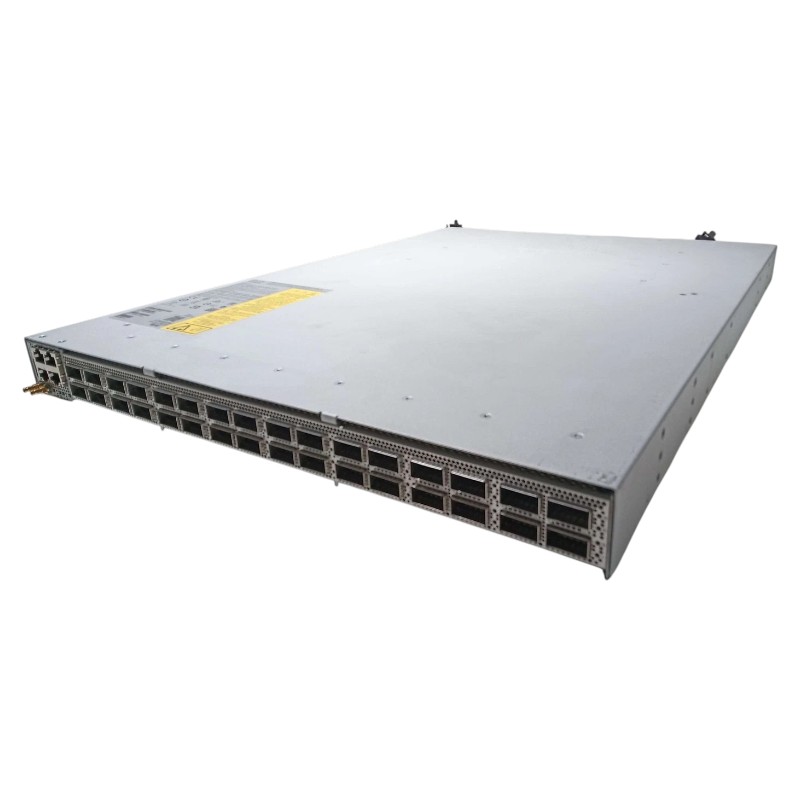


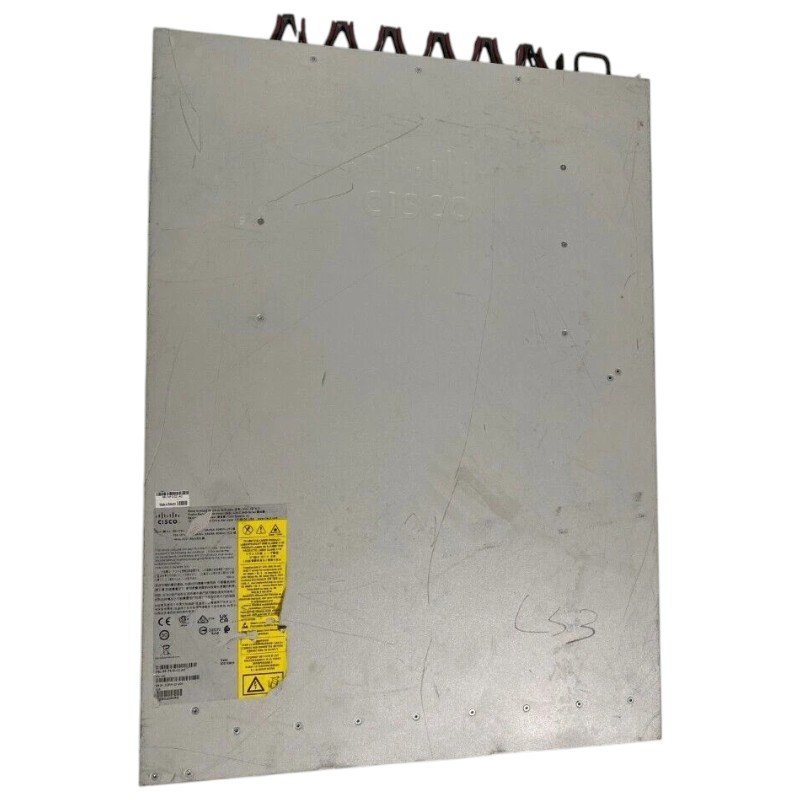
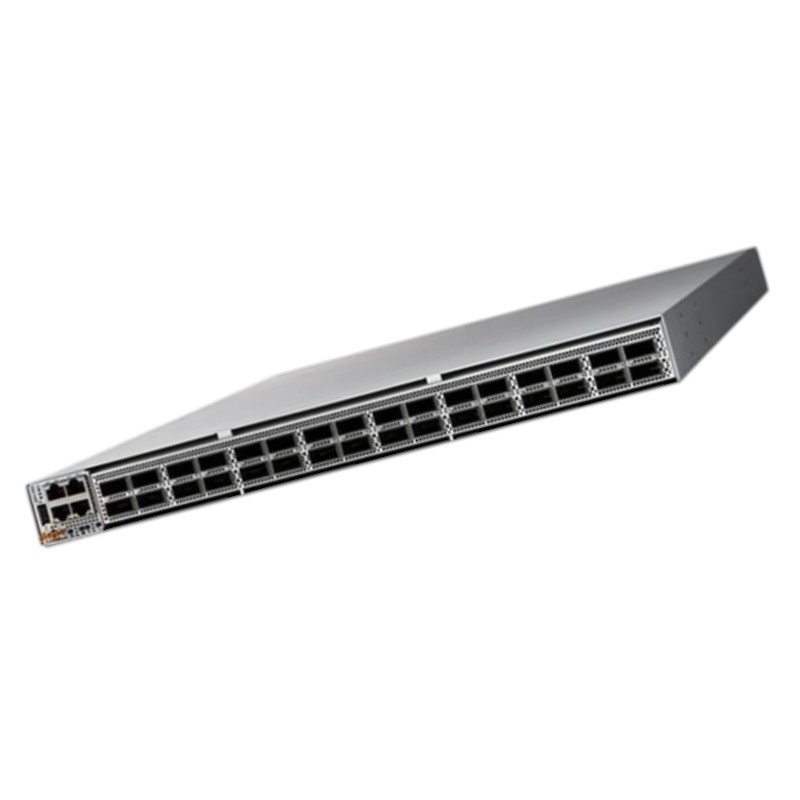
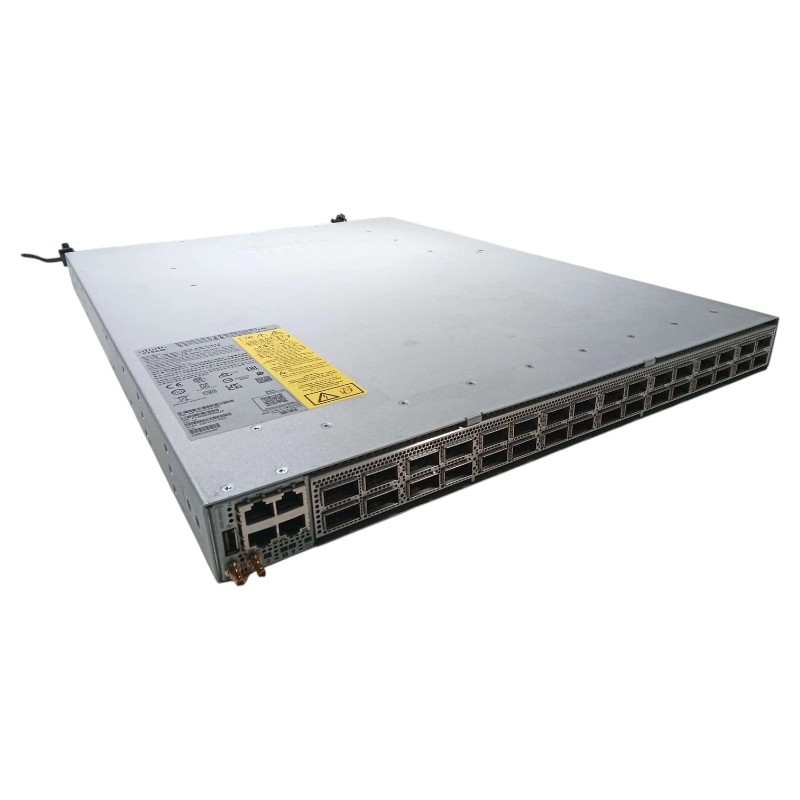
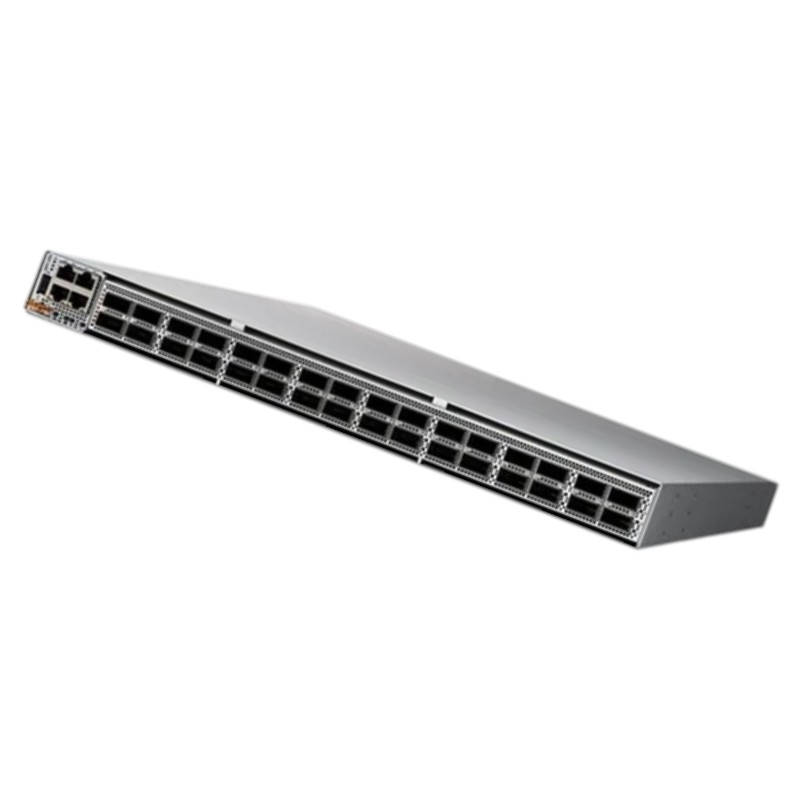
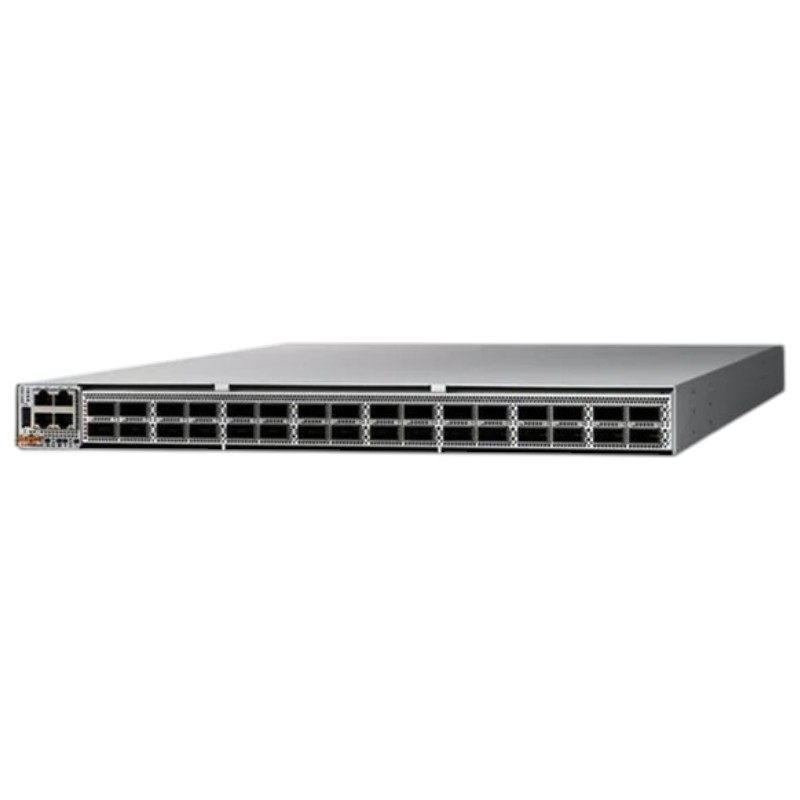
Cisco 8101-32FH-O Router Chassis Management Port 32 Qsfp56-dd Slots 400 Gigabit Ethernet 1u Rack-mountable. Excellent Refurbished with 1 Year Replacement Warranty
The Cisco 8101-32FH-O router chassis is engineered for high-speed networking with advanced management capabilities. Featuring 32 QSFP56-DD slots, this rack-mountable system supports 400 Gigabit Ethernet, making it ideal for modern data centers and enterprise infrastructures.
The Cisco 8101-32FH-O Router Chassis Management Port 32 QSFP56-DD Slots 400 Gigabit Ethernet 1U Rack-Mountable platform is engineered for ultra-high-capacity networking environments that demand scalable routing, low latency performance, and advanced cloud connectivity. Built to support modern service provider backbones, hyperscale data centers, enterprise edge deployments, and high-bandwidth transport networks, this Cisco routing solution delivers exceptional throughput within a compact 1U form factor.
Designed with thirty-two QSFP56-DD interfaces, the platform enables massive port density for 400 Gigabit Ethernet connectivity while maintaining operational efficiency and reduced rack space utilization. Organizations implementing large-scale routing infrastructures benefit from advanced packet forwarding, flexible network segmentation, carrier-grade reliability, and intelligent traffic engineering capabilities.
The compact chassis architecture simplifies deployment in data centers where maximizing rack efficiency is critical. Cisco integrates advanced cooling technologies, intelligent airflow design, and optimized power management to ensure continuous operation under demanding workloads. The router chassis supports modern automation frameworks, programmable interfaces, and telemetry-driven visibility, allowing administrators to simplify management tasks while improving network agility.
The Cisco 8101-32FH-O router platform is optimized for high-capacity Ethernet transport with support for 400 Gigabit Ethernet connections across all QSFP56-DD interfaces. This capability enables enterprises and service providers to support data-intensive applications including artificial intelligence workloads, cloud computing platforms, high-frequency trading systems, large-scale virtualization, and real-time analytics.
Modern networking infrastructures require significantly higher throughput compared to traditional architectures. The Cisco 8101-32FH-O addresses these requirements through advanced switching and routing silicon capable of processing enormous traffic volumes while maintaining low latency communication. High-performance packet processing ensures seamless transmission of large data streams without compromising reliability.
Organizations adopting spine-leaf architectures benefit from dense 400G connectivity because it simplifies east-west traffic distribution within hyperscale environments. The router supports high-bandwidth interconnectivity between core switches, aggregation layers, and edge networking devices while reducing bottlenecks in large infrastructures.
Latency-sensitive environments such as financial services, media streaming platforms, cloud gaming, and AI training clusters require networking hardware capable of rapid packet forwarding. Cisco incorporates advanced forwarding mechanisms and optimized hardware pipelines that minimize delays across the network fabric.
The routing architecture is engineered to maintain predictable performance during traffic spikes and high concurrency scenarios. This capability is particularly valuable for organizations managing large transactional databases, virtualization clusters, and mission-critical enterprise applications.
Large enterprises and cloud providers increasingly rely on 400G infrastructure to support machine learning frameworks, distributed storage systems, containerized applications, and virtualization platforms. The Cisco 8101-32FH-O provides the bandwidth necessary to support these environments while maintaining operational stability and scalable growth.
By consolidating multiple lower-speed links into high-capacity 400G interfaces, organizations can simplify cabling complexity, reduce operational overhead, and improve overall network efficiency. This approach supports streamlined infrastructure planning while lowering long-term maintenance requirements.
The thirty-two QSFP56-DD slots integrated into the Cisco 8101-32FH-O chassis provide exceptional interface scalability for modern networking environments. QSFP56-DD technology supports ultra-high-speed optical and direct attach connectivity while enabling flexibility across various deployment scenarios.
High-density interface configurations are essential for cloud operators, internet service providers, telecommunications carriers, and large enterprises seeking to optimize rack utilization. The router enables administrators to deploy substantial bandwidth capacity without requiring excessive physical infrastructure.
Each QSFP56-DD interface supports advanced optical transceiver compatibility, enabling seamless integration with high-speed fiber infrastructure. This flexibility allows organizations to implement short-range, long-range, or data center interconnect solutions depending on operational requirements.
Scalable networking infrastructure is critical for rapidly growing enterprises and cloud-native environments. The Cisco 8101-32FH-O enables expansion without requiring extensive hardware redesign. The combination of high-density ports and compact chassis dimensions simplifies future scalability initiatives while maintaining efficient power utilization.
Data center operators frequently seek solutions that maximize bandwidth per rack unit. This Cisco router chassis provides dense connectivity that supports large-scale deployments without excessive space consumption. The result is improved operational efficiency and optimized infrastructure planning.
The platform supports a broad range of optical networking technologies compatible with QSFP56-DD standards. Administrators can deploy fiber connectivity optimized for metropolitan networking, data center fabrics, campus aggregation, or long-distance backbone routing.
Optical flexibility enhances infrastructure adaptability while enabling organizations to align deployment strategies with evolving bandwidth requirements. The platform can support multiple transmission distances and network topologies without compromising performance.
High-density networking platforms often introduce cable management challenges. Cisco addresses these concerns through a carefully engineered chassis layout that simplifies cable routing and improves accessibility for maintenance operations. Efficient cable organization contributes to reduced downtime and simplified troubleshooting procedures.
Improved airflow management resulting from organized cable routing also enhances cooling efficiency, helping maintain optimal thermal performance during high traffic conditions.
The Cisco 8101-32FH-O Router Chassis features a compact 1U rack-mountable design intended for environments where efficient use of rack space is essential. Data centers, colocation facilities, and enterprise network rooms increasingly prioritize compact hardware capable of delivering maximum performance within limited physical space.
The reduced chassis footprint allows organizations to deploy multiple high-capacity routing platforms within standard rack cabinets while preserving room for additional infrastructure components. This strategy supports scalable growth without requiring major facility expansion.
Compact networking hardware also contributes to improved operational efficiency through simplified deployment and maintenance processes. Technicians can access ports, power modules, and management interfaces with minimal disruption to surrounding equipment.
Modern data centers require networking equipment capable of seamless integration into highly structured environments. The Cisco 8101-32FH-O aligns with contemporary rack standards and supports efficient airflow patterns that complement hot aisle and cold aisle deployment strategies.
The compact chassis design supports higher equipment density without sacrificing cooling effectiveness. Organizations operating large-scale facilities benefit from improved rack utilization while maintaining reliable thermal performance.
Reducing infrastructure footprint is increasingly important as organizations seek to minimize operational costs and maximize facility efficiency. The Cisco router platform consolidates high-speed networking capabilities into a compact chassis that minimizes space consumption while delivering enterprise-class performance.
Smaller hardware footprints can contribute to lower power consumption, reduced cooling requirements, and simplified rack organization strategies. These advantages are particularly valuable for hyperscale and colocation environments.
The 1U rack architecture simplifies installation and deployment workflows for network administrators. Standardized rack compatibility allows faster provisioning while minimizing deployment complexity in large-scale environments.
Efficient deployment processes support rapid infrastructure scaling and accelerated implementation timelines, enabling organizations to respond quickly to growing bandwidth demands.
The Cisco 8101-32FH-O platform is engineered to support both enterprise-grade and carrier-class routing requirements. Its architecture accommodates complex routing protocols, traffic engineering mechanisms, and large-scale network segmentation strategies necessary for modern digital infrastructure.
Enterprises implementing hybrid cloud environments benefit from robust routing capabilities that support secure interconnectivity between branch offices, cloud platforms, data centers, and edge computing locations. Telecommunications providers can leverage the platform for backbone transport, peering infrastructure, and subscriber traffic aggregation.
Advanced routing functionality enables efficient traffic distribution and network resiliency across diverse deployment environments. The Cisco platform supports dynamic routing frameworks that simplify traffic management while enhancing redundancy and failover protection.
Organizations operating large-scale infrastructures require intelligent route optimization capabilities to ensure efficient data transmission across geographically distributed networks. The router chassis supports these requirements through scalable routing intelligence and high-performance forwarding mechanisms.
Traffic engineering features help administrators optimize bandwidth utilization while minimizing congestion across critical network paths. Intelligent path selection enhances application responsiveness and improves overall user experience.
Optimized traffic distribution is particularly beneficial for video streaming services, cloud applications, and distributed enterprise workloads that require predictable network performance.
Secure network segmentation is essential for protecting sensitive workloads and maintaining compliance with regulatory standards. The Cisco routing platform supports segmentation strategies that isolate traffic flows while simplifying policy enforcement.
Integrated security capabilities contribute to stronger network protection through controlled access management, traffic filtering, and enhanced visibility into network activity.
Cloud service providers and hyperscale operators require networking infrastructure capable of supporting rapidly expanding traffic demands. The Cisco 8101-32FH-O delivers the scalability and bandwidth necessary for cloud-native applications, distributed computing frameworks, and virtualization-heavy environments.
High-capacity routing solutions are critical for supporting east-west traffic flows commonly found in modern data centers. The platform enables efficient communication between servers, storage systems, and application clusters while maintaining low latency and consistent throughput.
Artificial intelligence and machine learning environments generate enormous data volumes requiring ultra-fast interconnectivity between processing clusters and storage resources. The Cisco 8101-32FH-O supports these workloads through high-density 400G connectivity and optimized packet forwarding performance.
AI infrastructure depends on low-latency networking to synchronize distributed training operations and accelerate data movement across compute environments. High-bandwidth routing platforms help minimize training delays while improving computational efficiency.
Large-scale storage environments require reliable high-speed networking to support replication, backup operations, and distributed file systems. The Cisco router platform enables efficient communication between storage nodes and application servers while maintaining data integrity and throughput consistency.
Organizations implementing software-defined storage solutions benefit from scalable connectivity that supports continuous data availability and rapid access to critical information.
Virtualization technologies continue to drive demand for scalable networking infrastructure capable of supporting dynamic workload movement and high-density compute environments. The Cisco 8101-32FH-O supports virtualized architectures through flexible routing capabilities and high-bandwidth interconnectivity.
Virtual machine migration, container orchestration, and cloud-native application deployment all benefit from reliable low-latency networking infrastructure.
The Cisco 8101-32FH-O Router Chassis incorporates advanced management capabilities designed to simplify operational workflows and improve network visibility. Modern enterprises increasingly rely on automation and telemetry-driven analytics to optimize infrastructure performance and reduce administrative complexity.
Integrated management ports support secure device administration while enabling centralized monitoring and configuration management. Automation frameworks streamline provisioning procedures and reduce manual intervention across large-scale deployments.
Programmable infrastructure enables organizations to automate repetitive tasks, accelerate configuration deployment, and improve operational consistency. Cisco supports modern network programmability standards that facilitate integration with orchestration platforms and infrastructure automation tools.
Automated configuration management reduces deployment errors while improving scalability across enterprise and cloud environments. This capability is particularly valuable for organizations operating geographically distributed infrastructures.
Real-time telemetry provides administrators with actionable insights into network performance, traffic patterns, and operational health. Continuous monitoring supports proactive troubleshooting and capacity planning initiatives.
Enhanced visibility allows organizations to identify bottlenecks, optimize traffic distribution, and improve service reliability before performance issues impact end users.
Centralized management frameworks simplify oversight of complex networking environments by consolidating monitoring and configuration tasks into unified operational platforms. Cisco networking ecosystems support integrated management workflows that enhance efficiency and reduce administrative overhead.
Unified visibility into routing infrastructure improves troubleshooting accuracy and accelerates issue resolution across large deployments.
Mission-critical networking environments require infrastructure capable of maintaining continuous operation under demanding conditions. The Cisco 8101-32FH-O Router Chassis is engineered with enterprise-grade reliability features that support high availability and operational resilience.
Redundant hardware components, intelligent thermal management systems, and advanced fault detection mechanisms contribute to stable network performance. Organizations operating financial systems, healthcare platforms, telecommunications services, and cloud environments rely on resilient infrastructure to minimize downtime risks.
High availability features help ensure uninterrupted network connectivity during maintenance events, hardware failures, or unexpected operational disruptions. The Cisco platform supports resilient deployment strategies that reduce service interruptions and improve overall uptime.
Reliable routing infrastructure is essential for organizations delivering customer-facing applications, online services, and business-critical communication platforms.
Thermal efficiency plays a significant role in maintaining hardware stability and long-term operational reliability. Cisco integrates advanced airflow optimization and cooling technologies that regulate internal temperatures during sustained high-performance operation.
Efficient thermal management reduces component stress and contributes to longer hardware lifespan while maintaining consistent networking performance.
Energy-efficient infrastructure is increasingly important for organizations seeking to reduce operational costs and improve environmental sustainability. The Cisco 8101-32FH-O incorporates optimized power utilization mechanisms that support efficient operation without compromising throughput capabilities.
Lower energy consumption contributes to reduced cooling demands and improved overall data center efficiency. Sustainable infrastructure strategies are particularly valuable for hyperscale facilities and enterprise environments with large networking deployments.
The Cisco 8101-32FH-O platform is suitable for a wide range of deployment environments requiring ultra-high-speed networking infrastructure. Enterprises, cloud providers, telecommunications carriers, research institutions, and internet exchange operators can leverage the platform to support demanding connectivity requirements.
Service providers require scalable routing platforms capable of managing increasing subscriber traffic volumes and high-capacity backbone transport. The Cisco router chassis supports carrier-grade networking environments through high-density 400G connectivity and scalable routing intelligence.
Backbone infrastructures benefit from reliable packet forwarding, low latency communication, and advanced traffic engineering capabilities that improve service quality and network efficiency.
Data center interconnect deployments require high-bandwidth low-latency connectivity between geographically distributed facilities. The Cisco 8101-32FH-O supports DCI strategies through flexible optical connectivity and scalable transport performance.
Organizations implementing multi-site disaster recovery, distributed cloud environments, and global application delivery infrastructures benefit from reliable interconnect solutions.


 Contact Us
 Information
 Catalog
 Solid State Drives (SSD)
 Network Switches
 Hard Disk Drives
 HBA & Controllers
 PC & Servers
 PC & Server Memory
 CPU & Processors
 Network Routers
 Power Supplies
 Tape Drives & Libraries
 Network Devices
 Computer & Network Cables