(7% discount is applied at checkout)
Cart is empty
Your go-to destination for cutting-edge server products
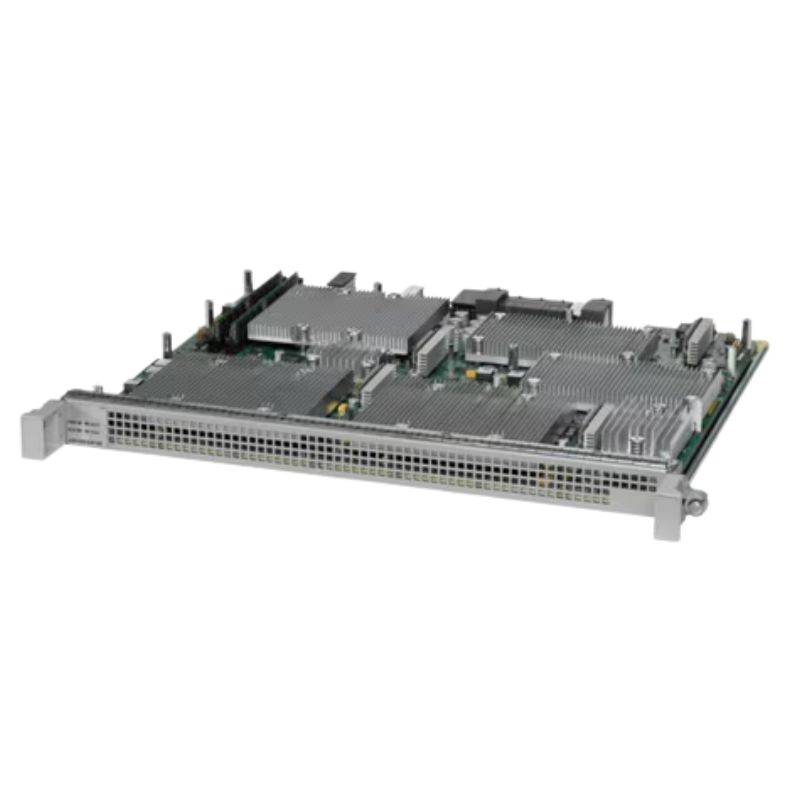


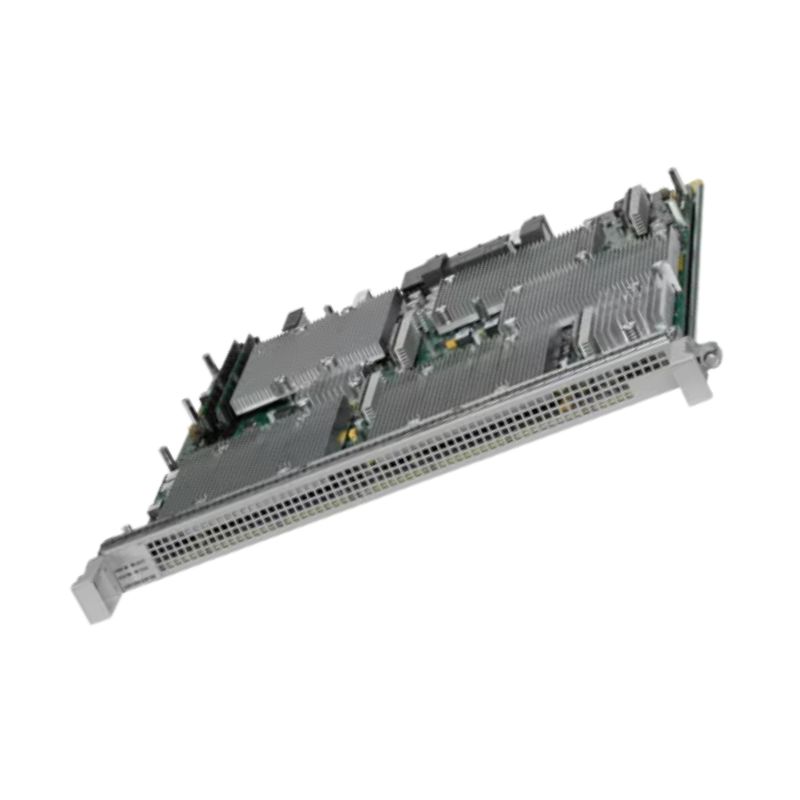
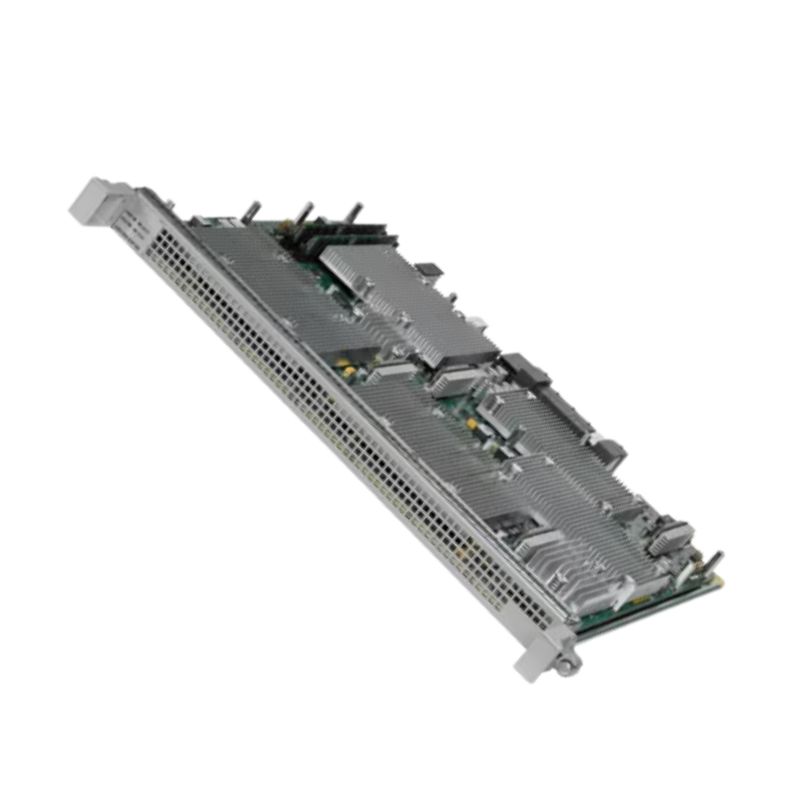
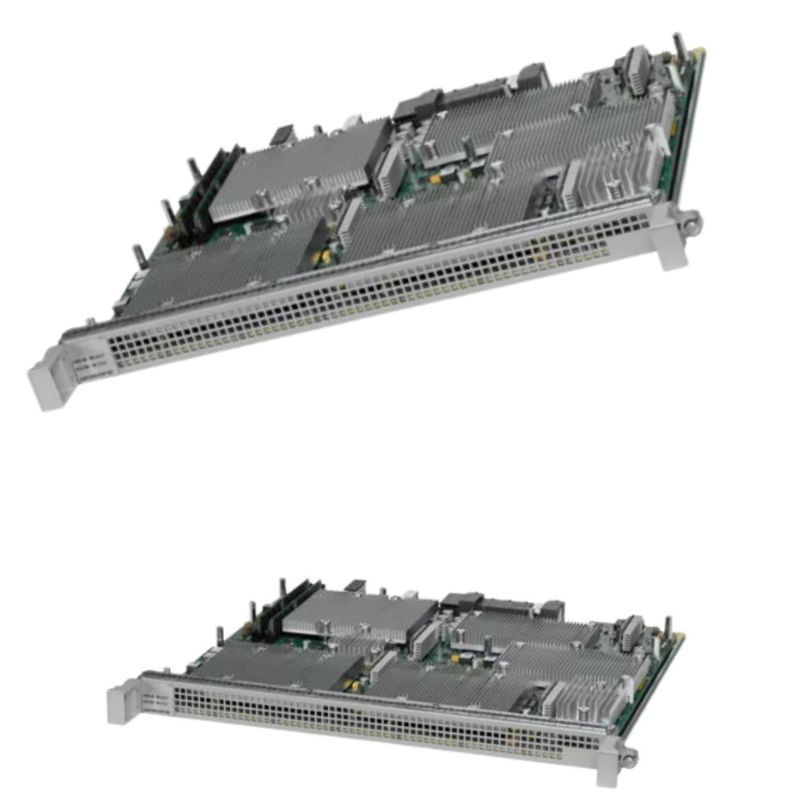
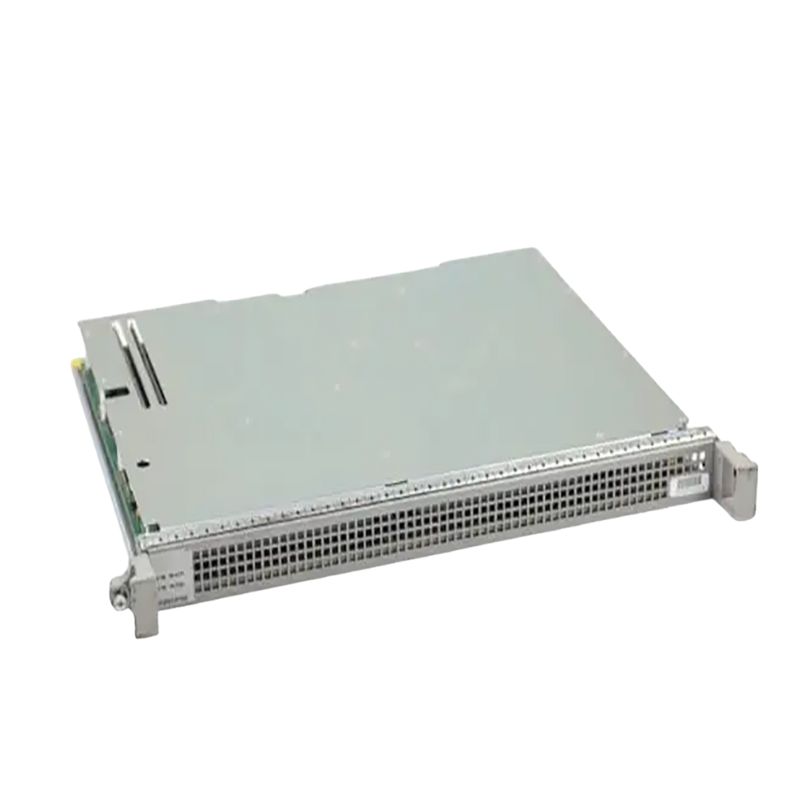
Cisco ASR1000-ESP100-X Embedded Services Processor 100 Gigabit Router. Excellent Refurbished with 1-Year Replacement Warranty
The Cisco ASR1000-ESP100-X Embedded Services Processor represents a high-performance 100-Gigabit routing engine engineered to enhance scalability, efficiency, and data-intensive operations within enterprise-grade and service-provider networks. Designed for consistent throughput and optimized packet flow management, it supports demanding infrastructures where uptime, flexibility, and multi-layer security processing are essential.
Hardware-accelerated encryption and threat processing reduce CPU strain while maintaining real-time security. This contributes to operational stability and ensures compliance with advanced threat-mitigation requirements.
The ASR1000-ESP100-X is adaptable to numerous environments, from enterprise data centers to telecom networks requiring high-capacity distribution. Its modular configuration enables compatibility with a broad range of ASR1000 chassis models.
The Cisco ASR1000-ESP100-X Embedded Services Processor delivers advanced forwarding performance for demanding enterprise and service provider environments. This hardware engine provides high-capacity routing, built-in acceleration, and continuous packet processing suitable for next-generation architectures. Designed for resilience and network scalability, the ASR1000-ESP100-X supports intensive workloads that require low-latency handling, deep inspection, and dynamic security enforcement. Its architecture enables consistent throughput across a wide range of deployment models, supporting cloud-focused, hybrid, and on-premises infrastructures.
The data plane structure of the Cisco ASR1000-ESP100-X is optimized for heavy packet flows and modern application requirements. Its custom silicon and forwarding technology provide predictable routing behavior even during peak operational conditions. The parallel processing approach ensures that multiple streams pass simultaneously through the engine without degradation, enabling stable operations for bandwidth-intensive usage. Integrated flow control and hardware-based classification help maintain uniform traffic prioritization, improving application experience and reducing congestion.
Traffic interpretation within the ASR1000-ESP100-X is managed through automated classification elements that identify routing patterns, service attributes, and operational tags in real time. These adjustment methods allow the hardware to maintain proper handling of sensitive flows such as real-time media, virtual networking tunnels, and encrypted communications. The processor’s architecture automatically adapts forwarding paths to maintain minimal delays for essential traffic while still supporting bulk data transfers efficiently.
Packet transit through the forwarding plane is supported by advanced hardware acceleration engines that reduce the processing load on the router’s central system. These hardware blocks carry out tasks such as deep session inspection, queue management, data segmentation, and traffic shaping. The embedded intelligence ensures consistent forwarding behavior even when multiple complex operations occur simultaneously. The ASR1000-ESP100-X uses this capability to stabilize performance in multi-service networks where routing, security, and policy processes must operate concurrently.
The internal structure of the ASR1000-ESP100-X blends programmable logic with specialized acceleration modules. This combination helps extend life cycles across evolving network standards and ensures adaptability to both legacy and emerging traffic models. By using modular components, Cisco allows operators to enhance router functions without disrupting active operations. The platform’s internal bus and switching fabric are crafted for high-throughput exchanges between subsystems, enabling efficient communication between control and data planes.
The high-speed switching fabric allows data paths to scale upward without reduction in operational quality. It supports large routing tables, simultaneous forwarding tasks, and stateful features while optimizing access to memory resources. Within dense network infrastructures, this allows the ASR1000-ESP100-X to process extensive route changes, adjust path recalculations, and synchronize with various routing protocols smoothly. These capabilities play a key role in supporting the steady flow of applications and preventing packet loss during topology shifts.
The architecture also simplifies integration of distinct service chains such as firewalling, VPN encapsulation, QoS enforcement, and telemetry collection. Each service chain operates through isolated but collaborative resources that keep performance balanced. The processor can attach additional service layers through virtual or hardware-based functions without requiring structural redesign. This flexibility enables service providers and enterprises to adapt new operational processes while maintaining consistent routing speeds.
Embedded compute blocks within the ESP100-X autonomously handle tasks associated with network analytics, state tracking, and session maintenance. Their scalable architecture dynamically allocates processing depending on workload type and traffic priority. This allows seamless adjustments during sudden surges in network activity and improves reliability for applications requiring persistent connections. Over time, these resources can also accommodate updates for evolving protocols and emerging service requirements.
Integrated security capabilities enhance network visibility and help defend against modern threats. Rather than relying solely on software-level enforcement, the ASR1000-ESP100-X incorporates hardware-accelerated security operations. These capabilities mitigate performance drops commonly associated with deep inspections and encryption tasks. Security features remain active during high traffic volumes, enabling full protection while sustaining routing speeds.
The processor is engineered to handle encrypted sessions efficiently through its hardware crypto engines. These modules manage encryption algorithms, rekeying operations, tunnel encapsulation, and secure session tracking. Their dedicated design guarantees that secure connections maintain throughput consistency across the entire routing platform. This capability is vital for enterprise networks that rely heavily on site-to-site VPNs, remote access channels, and encrypted application tunnels.
Continuous threat monitoring is embedded within the platform, allowing real-time analysis of flows for suspicious patterns or abnormal behavior. The processor works with advanced inspection methodologies to detect anomalies without affecting service availability. As traffic scales, the system adjusts resource allocation to ensure consistent threat evaluation while preserving forwarding performance.
The routing engine integrates policy tools that associate identities, locations, and roles with specific network actions. This enables granular control of application flows and ensures that user or device-based restrictions apply consistently across distributed environments. Policy logic is maintained within the hardware, helping eliminate delays caused by external enforcement systems.
Deploying the ASR1000-ESP100-X yields consistent operational efficiency across service providers, enterprise campuses, digital businesses, and cloud-focused data centers. Its ability to handle multi-layered services under a unified platform reduces system complexity and supports agile operational strategies. The processor ensures that network segments remain synchronized, stable, and capable of handling diverse application and workload types.
With network architectures increasingly adopting hybrid cloud designs, the ASR1000-ESP100-X plays an essential role in maintaining cohesive data movement between distributed environments. The processor keeps routing behavior intact during workload shifts, geography-focused service deployment, or remote expansion. Its adaptability helps avoid congestion when services travel between on-premises platforms and cloud ecosystems.
System reliability is fundamental to the platform’s design. The routing hardware is built with redundancy options, component protections, and error-handling processes that maintain consistent uptime. Its ability to remain active during software refreshes, routing recalculations, and adaptive reconfigurations enhances infrastructure stability across mission-critical networks. These features help ensure uninterrupted access to applications and services, even during expansion or maintenance cycles.
Built-in telemetry allows operators to visualize and interpret real-time performance indicators. The system exports detailed statistics related to forwarding paths, latency, queue depth, and service metrics. These insights help administrators diagnose issues quickly and optimize configurations without interrupting service. The processor’s compatibility with modern monitoring frameworks enables proactive maintenance and strengthens long-term reliability.
The ASR1000-ESP100-X performs effectively in a range of environments where speed, security, and operational flexibility are primary requirements. Whether operating within enterprise backbones or acting as a service provider edge element, the system ensures scalable performance that adapts to evolving digital demands. Its architecture supports both high-density and distributed layouts, making it suitable for numerous deployment scenarios.
In enterprise settings, the processor supports applications such as unified communications, cloud access, private WANs, and large-scale data distribution. Its consistent throughput ensures smooth performance for data centers and remote offices. The architecture supports rapid failover behaviors and secure communications across geographically dispersed business locations.
For carriers and ISPs, the ESP100-X provides fast, predictable routing for customer traffic. It handles large subscriber volumes, extensive routing tables, and multi-tenant architectures. Its ability to enforce service policies and manage encryption helps ensure dependable, secure service delivery.


 Contact Us
 Information
 Catalog
 Solid State Drives (SSD)
 Network Switches
 Hard Disk Drives
 HBA & Controllers
 PC & Servers
 PC & Server Memory
 CPU & Processors
 Network Routers
 Power Supplies
 Tape Drives & Libraries
 Network Devices
 Computer & Network Cables