(7% discount is applied at checkout)
Cart is empty
Your go-to destination for cutting-edge server products
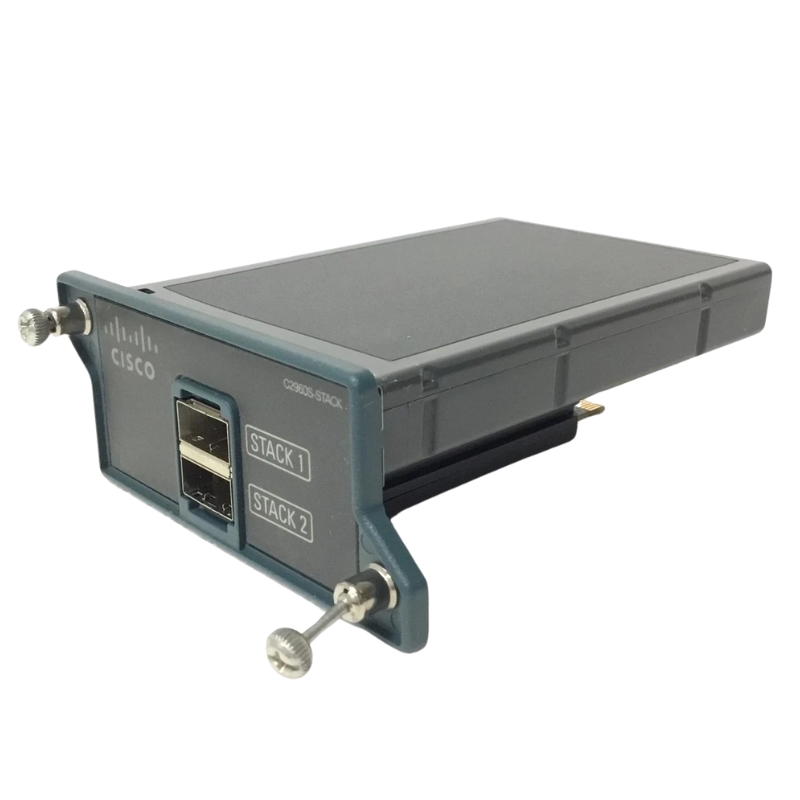


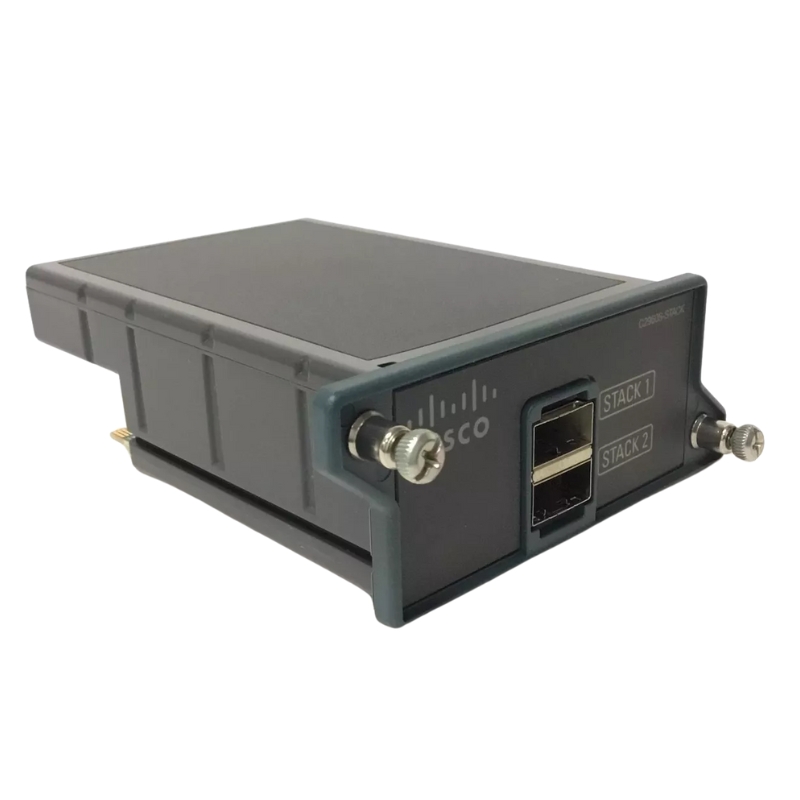
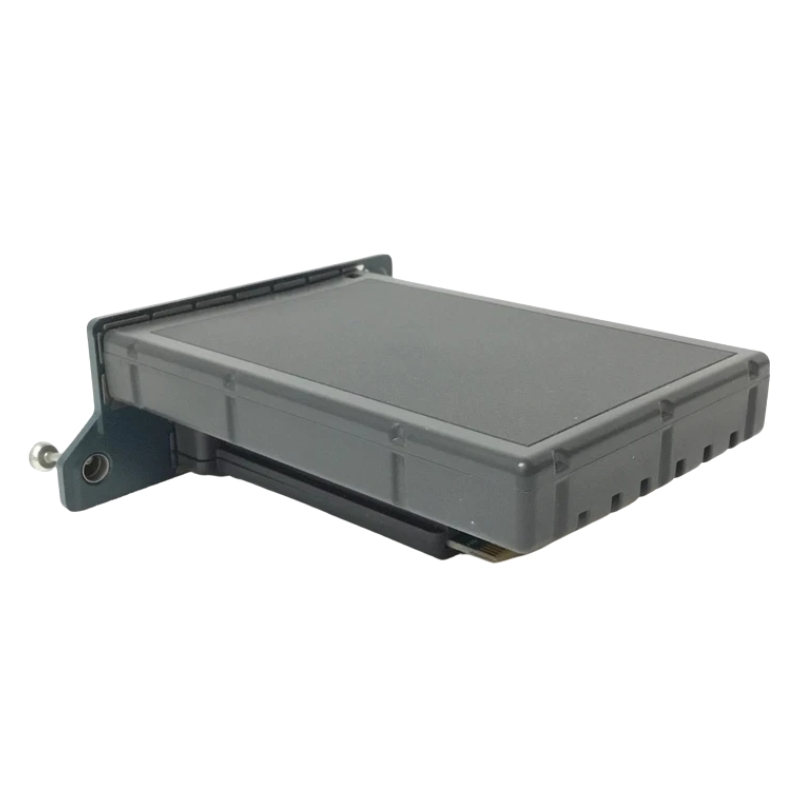
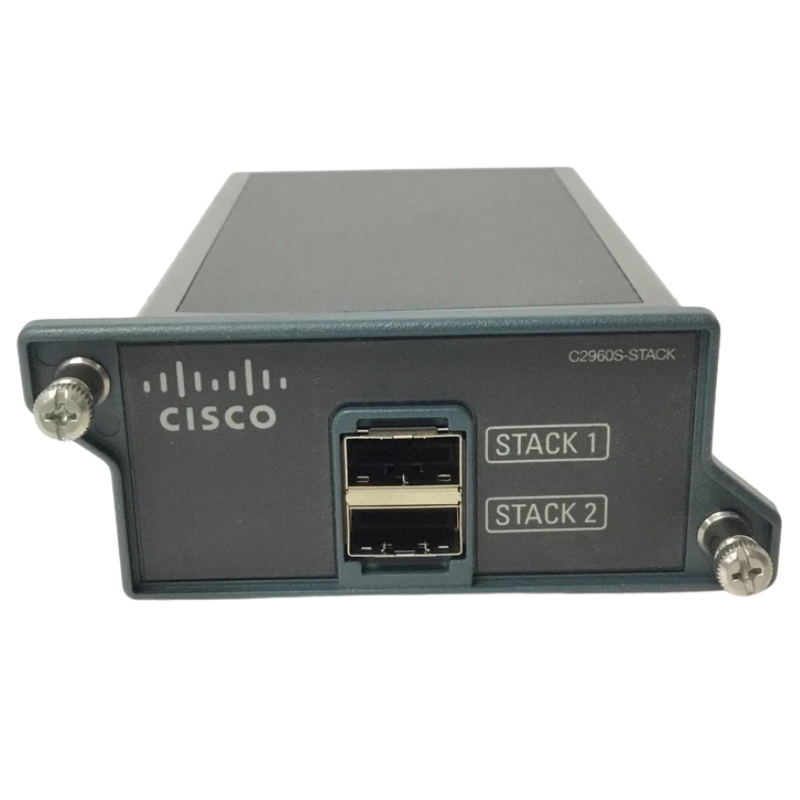
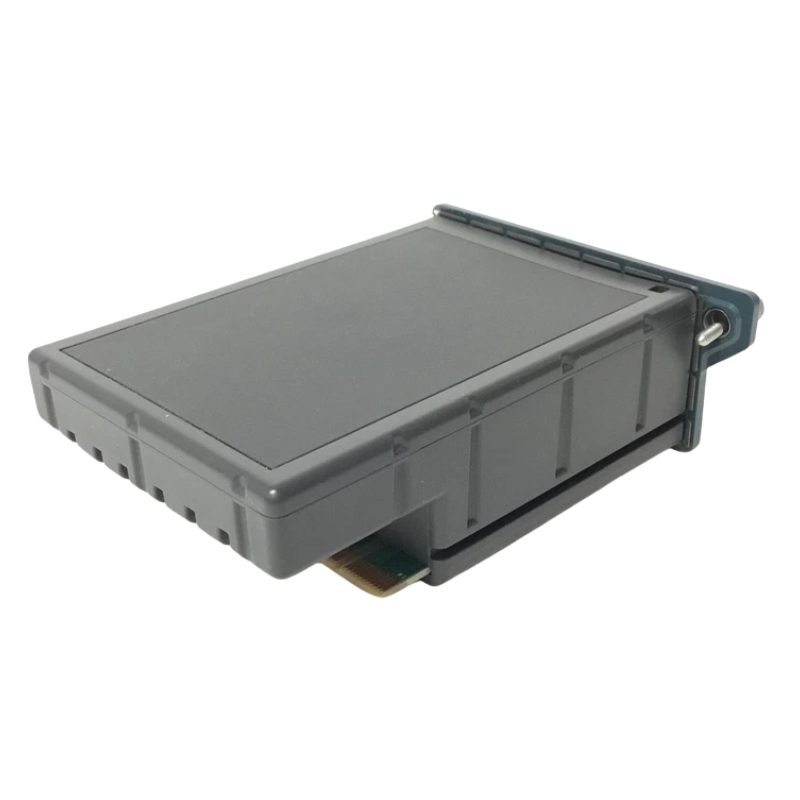
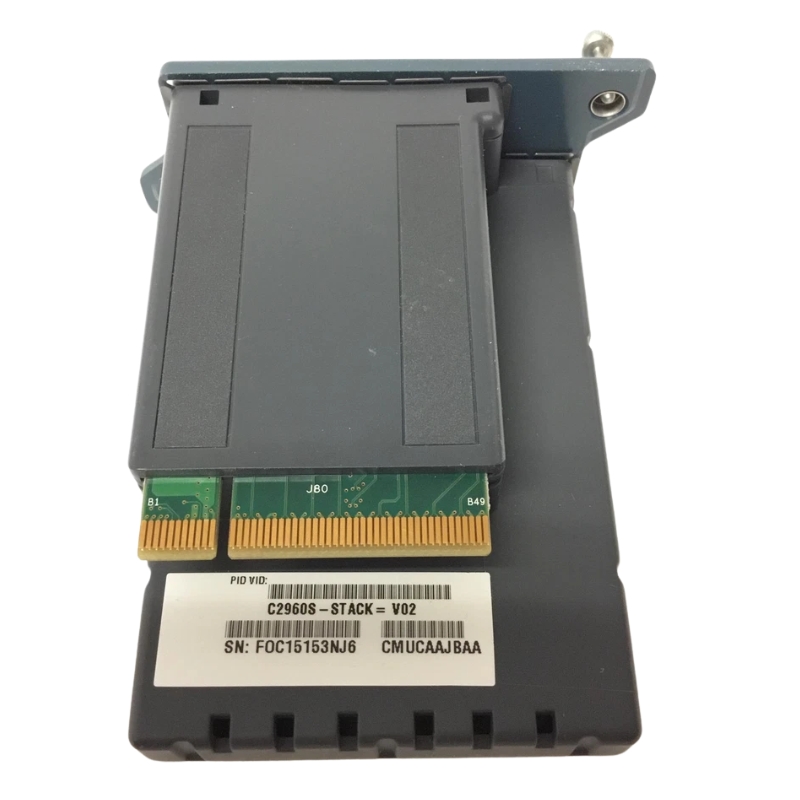
Cisco C2960S-STACK= Network Stacking Module Optional External 2x Stack Ports. Excellent Refurbished with 1 year replacement warranty
| SKU/MPN | Warranty | Price | Condition | You save |
|---|---|---|---|---|
| C2960S-STACK= | 1 Year Warranty | $65.00 | Excellent Refurbished | You save: $22.75 (26%) |
| C2960S-STACK= | 1 Year Warranty | $90.00 | Factory-Sealed New in Original Box (FSB) | You save: $31.50 (26%) |
The Cisco FlexStack stacking module is designed to transform multiple Catalyst 2960-S switches into a unified switching system. By enabling high-speed interconnections between stack members, this module allows network administrators to manage several physical devices as one cohesive entity, reducing operational complexity while improving throughput and resilience.
The Cisco C2960S-STACK= FlexStack Stacking Module with two stack ports is designed to extend the operational capabilities of Cisco Catalyst 2960-S Series switches by enabling unified switch management and high-speed interconnection. This category focuses on stack expansion modules that integrate directly into compatible switch hardware, allowing multiple switches to function as a single logical unit. The FlexStack architecture emphasizes scalability, simplified administration, and predictable performance across enterprise access layer deployments where growth and resilience are critical.
The stacking module is engineered to provide a dedicated stacking fabric separate from data forwarding paths, which ensures that user traffic remains unaffected while stack control and synchronization data flows efficiently. By leveraging purpose-built stacking ports, the module enables seamless inter-switch communication that supports consistent configuration, rapid convergence, and centralized control. This design approach aligns with Cisco’s access-layer philosophy of reducing operational complexity while maintaining enterprise-grade reliability.
Within the Cisco Catalyst 2960-S ecosystem, FlexStack modules play a central role in enabling horizontal scalability. Rather than treating each switch as an isolated device, stacking allows administrators to combine multiple physical units into a single managed entity. This category includes modules that are specifically optimized for the 2960-S platform, ensuring electrical compatibility, firmware support, and mechanical integration with the switch chassis.
FlexStack stacking modules help address common access-layer challenges such as port density expansion, simplified VLAN management, and consistent policy enforcement. When deployed, network administrators can apply configurations once at the stack level instead of repeating tasks on individual switches. This unified approach reduces configuration drift and improves overall network consistency.
The Cisco C2960S-STACK= module is distinguished by its dual stack port design, which allows for flexible stacking topologies and enhanced redundancy. Each stack port is engineered to support high-speed connectivity between stack members, creating a resilient ring or chain configuration depending on deployment requirements. The presence of two stack ports per module enables bidirectional data paths that improve fault tolerance and stack stability.
This dual-port configuration supports intelligent failover behavior. If one stacking link experiences a disruption, the remaining link can maintain stack integrity and preserve switch-to-switch communication. This capability is particularly valuable in environments where uptime and continuous access are essential, such as enterprise offices, educational institutions, and distributed branch networks.
FlexStack technology is designed to deliver consistent stack bandwidth across all connected switches. The stacking module contributes to a shared backplane that allows control plane information and selected data plane traffic to traverse the stack efficiently. By utilizing dedicated stack ports rather than standard Ethernet interfaces, the module ensures predictable performance characteristics that align with Cisco’s access-layer design principles.
Efficient inter-switch communication supports features such as cross-stack EtherChannel, distributed forwarding, and synchronized configuration states. These capabilities allow the stack to behave as a cohesive system rather than a collection of individual devices. As a result, network operations become more streamlined, and troubleshooting is simplified through centralized visibility.
The stacking module’s architecture minimizes latency between stack members by using optimized signaling and dedicated pathways. This low-latency communication is essential for maintaining rapid convergence during topology changes or link failures. When a switch is added or removed from the stack, the FlexStack module facilitates quick updates to the stack master and member roles, ensuring that network services remain available.
Rapid convergence is particularly important in access-layer environments where endpoint connectivity is sensitive to interruptions. By maintaining synchronized forwarding tables and control information, the stacking module helps reduce the impact of changes on end-user experience.
The Cisco C2960S-STACK= FlexStack module is purpose-built for seamless integration with Catalyst 2960-S Series switches. This category encompasses modules that are designed to fit into designated expansion slots, ensuring secure physical installation and reliable electrical connections. Compatibility extends beyond hardware, as the module is supported by Cisco IOS Software versions tailored for stacking functionality.
Integration with the 2960-S platform allows the stacking module to leverage existing switch features such as Power over Ethernet support, advanced quality of service, and security enforcement. When combined in a stack, these features operate consistently across all members, creating a uniform access-layer environment.
FlexStack stacking modules rely on specific software capabilities within the Cisco IOS environment to enable stack formation and management. This category includes modules that are recognized by the operating system and supported through standardized configuration commands. Administrators can designate stack priorities, manage member roles, and perform upgrades at the stack level.
Software alignment ensures that advanced features such as StackWise compatibility, centralized logging, and unified SNMP management function as intended. By maintaining consistent software versions across stack members, the stacking module helps preserve operational stability and feature parity.
Deploying Cisco C2960S-STACK= FlexStack modules delivers a range of operational advantages that extend beyond simple port aggregation. One of the most significant benefits is simplified management. By consolidating multiple switches into a single logical unit, administrators can reduce the time and effort required for configuration, monitoring, and maintenance.
Another key benefit is improved resiliency. Stack configurations can tolerate individual switch failures without causing widespread disruption. The stacking module enables rapid reassignment of roles and forwarding responsibilities, helping maintain network availability even during hardware issues.
Centralized configuration is a core advantage of FlexStack-enabled environments. Policies related to VLANs, access control lists, and quality of service can be applied uniformly across the stack. This consistency reduces the risk of misconfiguration and ensures that network policies are enforced predictably.
For organizations with standardized access-layer designs, the ability to replicate configurations across stacks simplifies deployment and scaling. The stacking module serves as the foundation for this unified approach by enabling the underlying inter-switch communication required for centralized control.
This efficiency is particularly valuable in environments with limited maintenance windows or where network availability is critical to business operations.
The Cisco C2960S-STACK= FlexStack module category supports scalable network designs by enabling incremental expansion. As organizations grow, additional Catalyst 2960-S switches can be added to an existing stack using compatible stacking modules. This approach allows network capacity to increase without requiring a complete redesign or replacement of existing infrastructure.
Scalability is achieved through standardized stacking limits and predictable performance characteristics. Administrators can plan for future growth by understanding the maximum stack size and bandwidth supported by the FlexStack architecture.
FlexStack modules support various stacking topologies, including ring and linear configurations. The dual stack port design enables flexible cabling options that can be adapted to physical layout constraints within wiring closets or data rooms. This flexibility allows organizations to optimize their deployments for space, cable management, and redundancy.
Deployment options also include the ability to mix switches with different port configurations within the same stack, as long as they belong to the supported Catalyst 2960-S family. The stacking module ensures that these heterogeneous configurations operate cohesively.
Reliability is a defining characteristic of Cisco access-layer solutions, and the C2960S-STACK= FlexStack module contributes significantly to this objective. By enabling redundant stacking links and coordinated failover mechanisms, the module helps maintain continuous operation in the face of hardware or link failures.
High availability is further enhanced through features such as stack master election and automatic role reassignment. These processes are facilitated by the stacking module’s ability to exchange control information rapidly and reliably among stack members.
Within a stacked environment, one switch assumes the role of stack master, managing configuration and control functions. The FlexStack module supports efficient master election processes based on predefined priorities and operational status. If the master switch becomes unavailable, another member can assume the role with minimal disruption.
This dynamic role management ensures that the stack continues to function as a unified system, preserving management access and forwarding capabilities.
The stacking module aids in isolating faults by maintaining clear communication channels between stack members. When a failure occurs, the system can quickly identify the affected component and reroute traffic or control functions as needed. This rapid recovery minimizes the impact on connected devices and applications.
Fault isolation also simplifies troubleshooting by allowing administrators to focus on specific stack members without losing visibility into the overall system.
The Cisco C2960S-STACK= FlexStack module category is well suited for a wide range of deployment scenarios, particularly in enterprise access-layer environments. Common use cases include office campuses, educational facilities, healthcare networks, and branch offices where consistent access and simplified management are priorities.
In these scenarios, stacking modules enable network teams to deploy scalable and resilient access layers that can adapt to changing requirements. The ability to manage multiple switches as a single entity reduces operational overhead and supports efficient growth.
Standardization is a key objective for many organizations seeking to reduce complexity and improve operational efficiency. FlexStack modules support this goal by enabling consistent switch configurations and management practices across multiple locations. By deploying standardized stacks, organizations can simplify training, documentation, and support processes.
This standardization also facilitates faster deployment of new sites or expansions, as proven configurations can be replicated with minimal customization.
Security considerations are integral to access-layer design, and the FlexStack stacking module supports consistent enforcement of security policies. When switches are stacked, security features such as port security, authentication, and access control operate uniformly across all members. This consistency helps prevent gaps in security posture that can arise from misaligned configurations.
The stacking module ensures that security-related control information is synchronized across the stack, enabling coordinated responses to events such as authentication failures or policy violations.
FlexStack-enabled environments integrate seamlessly with network monitoring and management tools. The stacking module allows the entire stack to be represented as a single managed object in monitoring systems, simplifying visibility and reporting. Metrics related to performance, availability, and security can be collected and analyzed at the stack level.
This unified representation supports proactive monitoring and faster incident response, as administrators can quickly identify trends or anomalies affecting the access layer.
The Cisco C2960S-STACK= FlexStack module category offers long-term value by extending the useful life of Catalyst 2960-S switches. By enabling stacking, organizations can adapt their existing infrastructure to evolving requirements without immediate replacement. This approach supports cost-effective lifecycle management and maximizes return on investment.
Operational efficiency gained through stacking translates directly into reduced total cost of ownership. Simplified management, reduced downtime, and efficient scaling all contribute to lower operational expenses over time. The stacking module serves as a key enabler of these efficiencies by providing the technical foundation for unified switch operation.


 Contact Us
 Information
 Catalog
 Solid State Drives (SSD)
 Network Switches
 Hard Disk Drives
 HBA & Controllers
 PC & Servers
 PC & Server Memory
 CPU & Processors
 Network Routers
 Power Supplies
 Tape Drives & Libraries
 Network Devices
 Computer & Network Cables