(7% discount is applied at checkout)
Cart is empty
Your go-to destination for cutting-edge server products
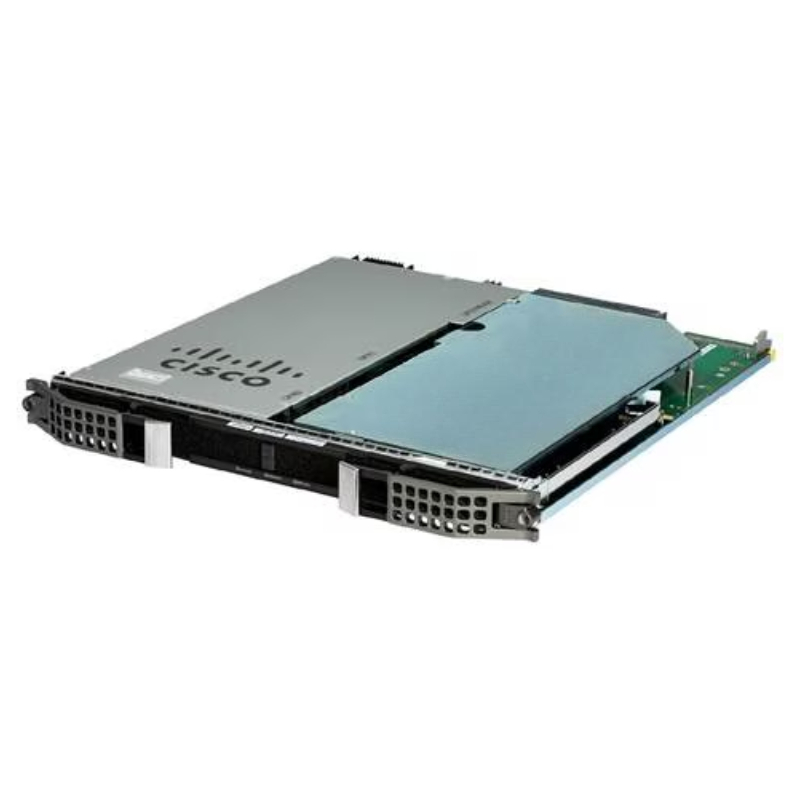


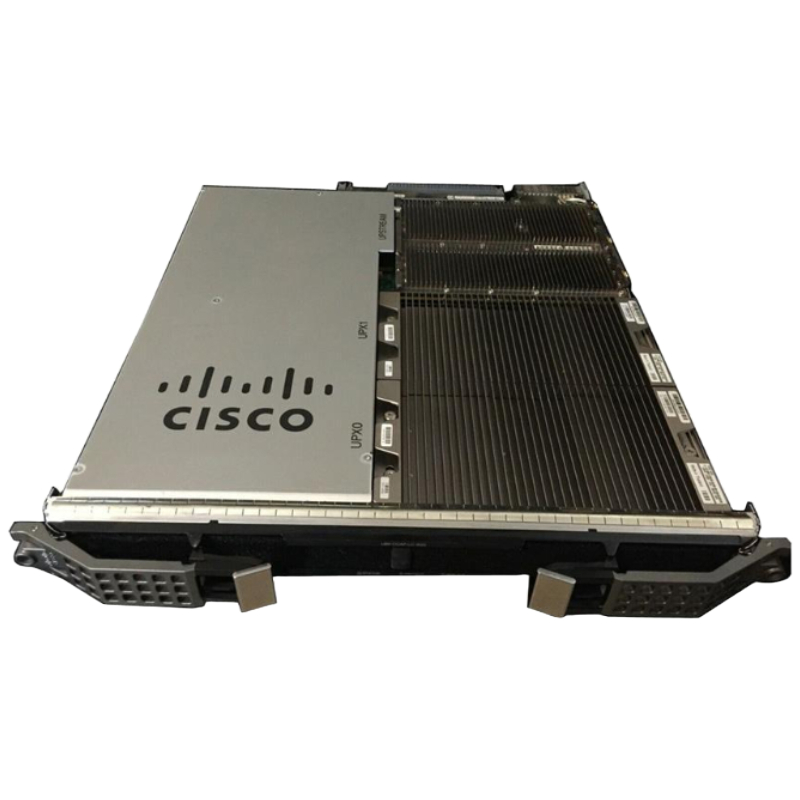
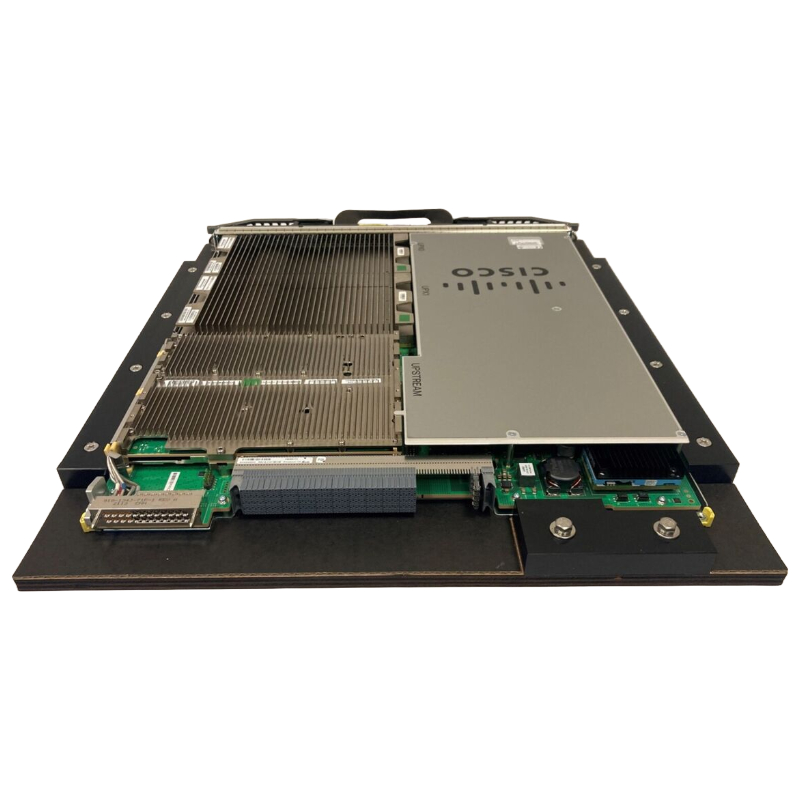
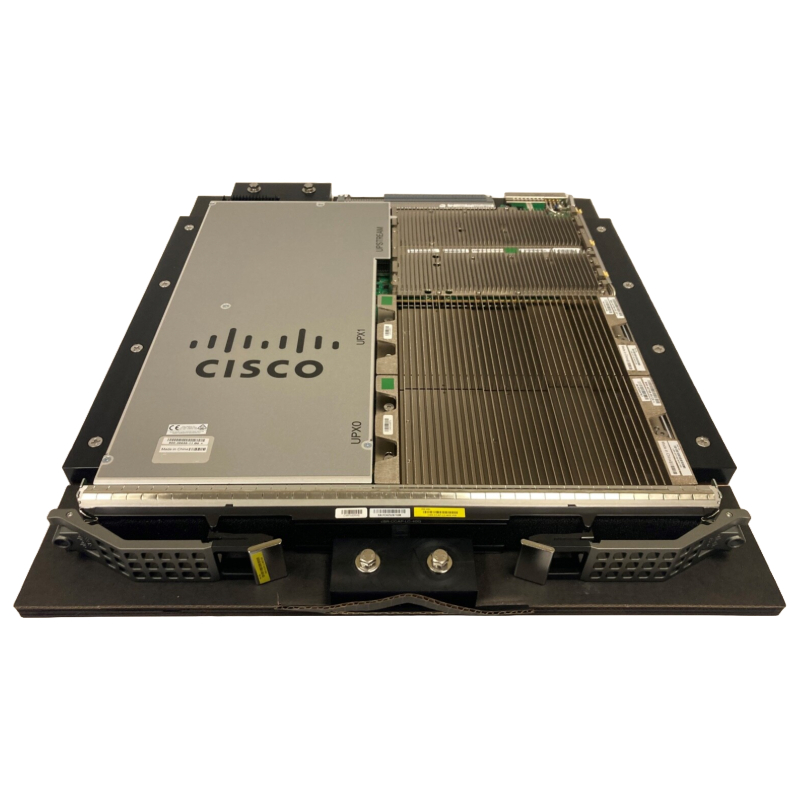
Cisco CBR-LC8D3116U31 CBR Series Converged Cable Access Platform Line Card Expansion Module. Excellent Refurbished with 1 year replacement warranty
The CBR-LC8D3116U31 is a high-performance Converged Cable Access Platform (CCAP) line card expansion module designed to enhance broadband network capacity and efficiency. Built for modern cable infrastructure, this advanced module delivers scalable DOCSIS 3.1 support for ultra-fast multi-gigabit connectivity.
The Cisco CBR-LC8D3116U31 CBR Series Converged Cable Access Platform Line Card Expansion Module represents a highly specialized component engineered for advanced broadband network infrastructures, particularly in high-density cable access environments. Designed within the architecture of Cisco’s Converged Broadband Router (CBR) ecosystem, this line card expansion module plays a critical role in scaling, optimizing, and enhancing the performance capabilities of modern cable access platforms. Within the broader context of carrier-grade networking, the module supports the seamless delivery of high-speed data, voice, and video services by extending the capacity of the Cisco Converged Cable Access Platform (CCAP) framework.
Built to meet the evolving demands of service providers, the Cisco CBR Series line card expansion module integrates tightly with the core routing and aggregation systems, enabling operators to expand bandwidth capabilities while maintaining high levels of efficiency, reliability, and operational stability. As cable networks transition toward higher throughput requirements driven by streaming services, cloud applications, and IoT proliferation, this expansion module becomes a foundational element in ensuring network scalability and long-term infrastructure resilience.
The Cisco CBR-LC8D3116U31 module is architected to function within the Converged Cable Access Platform environment, where it serves as a key component in consolidating traditional CMTS (Cable Modem Termination System) functions with edge routing capabilities. By combining these functions into a unified architecture, service providers can reduce operational complexity while improving throughput and service delivery efficiency. The module enhances this architecture by providing additional line card capacity that enables scalable service expansion without requiring full system replacement.
Within broadband aggregation environments, the line card expansion module serves as a high-performance interface between subscriber access networks and core routing infrastructure. It facilitates the aggregation of large volumes of DOCSIS-based traffic from multiple cable modem endpoints, ensuring smooth transmission into upstream backbone networks. This aggregation process is critical for maintaining service quality in environments where user demand fluctuates significantly across peak and off-peak usage periods.
Scalability is one of the defining characteristics of the Cisco CBR Series architecture. The CBR-LC8D3116U31 module extends this scalability by enabling network operators to increase port density and service capacity without major architectural redesign. This modular approach allows operators to incrementally upgrade their infrastructure in alignment with subscriber growth and bandwidth consumption trends, making it a cost-efficient solution for long-term network evolution.
The engineering design of the Cisco CBR-LC8D3116U31 expansion module emphasizes high-density service delivery, enabling the system to support large-scale subscriber environments within a compact hardware footprint. This is achieved through advanced circuit design, optimized signal processing pathways, and high-speed backplane integration that collectively ensure minimal latency and maximum throughput.
Signal processing within the module is optimized to handle complex DOCSIS traffic patterns with precision. This includes efficient modulation and demodulation processes that ensure data integrity across noisy cable environments. The architecture is designed to reduce packet loss, enhance jitter performance, and maintain consistent Quality of Service (QoS) across multiple service tiers.
A critical aspect of the module’s hardware composition is its integration with the chassis backplane, which facilitates high-speed data exchange between line cards and routing engines. This backplane connectivity ensures that data traffic is distributed efficiently across system resources, preventing bottlenecks and maintaining stable throughput even under high load conditions. The expansion module is optimized for carrier-grade performance, making it suitable for large-scale deployment in metropolitan broadband networks.
The Cisco CBR-LC8D3116U31 module is designed to support advanced DOCSIS standards, which are essential for modern broadband cable networks. DOCSIS technology enables high-speed data transfer over existing coaxial infrastructure, and the module enhances this capability by improving channel bonding, upstream efficiency, and downstream capacity management. This ensures that service providers can deliver gigabit-level internet services using existing hybrid fiber-coaxial networks.
Bandwidth efficiency is a core operational requirement in cable access environments. The module enhances bandwidth utilization by dynamically allocating resources based on traffic demand and subscriber usage patterns. This intelligent distribution of network capacity ensures optimal performance during peak usage times while maintaining service stability across all connected endpoints.
Latency reduction is a critical performance factor in cable access networks, especially for applications such as real-time gaming, video conferencing, and cloud computing. The Cisco CBR line card expansion module incorporates optimized routing paths and processing efficiencies that reduce transmission delays, resulting in a smoother and more responsive user experience.
In service provider environments, the Cisco CBR-LC8D3116U31 module is commonly deployed within backbone aggregation points where large volumes of subscriber traffic converge. Its ability to handle high-density data flows makes it ideal for metro aggregation hubs and regional data centers that support millions of end users.
The module is particularly effective in hybrid fiber-coaxial (HFC) network architectures, where fiber-optic backbone connections are combined with coaxial last-mile delivery systems. Within this environment, the expansion module ensures seamless translation and management of traffic between optical transport networks and cable modem access networks, maintaining consistent performance across heterogeneous infrastructures.
Edge computing environments benefit significantly from the deployment of the Cisco CBR line card expansion module. By positioning processing power closer to end users, network operators can reduce core network congestion and improve service delivery speed. This edge optimization is essential for modern applications that require low-latency connectivity and high bandwidth availability.
The Cisco CBR-LC8D3116U31 module is built to meet stringent carrier-grade reliability standards, ensuring continuous operation in demanding network environments. This includes redundant processing pathways, fault-tolerant architecture design, and advanced thermal management systems that maintain operational stability under high load conditions.
Traffic management within the module is handled through intelligent algorithms that prioritize network flows based on service type, user demand, and application sensitivity. This ensures that critical services such as voice over IP and video streaming receive priority bandwidth allocation, resulting in consistent service quality across the network.
Efficient thermal management is essential for maintaining long-term hardware reliability. The module incorporates advanced cooling mechanisms and power-efficient circuitry that minimize energy consumption while maintaining high processing performance. This contributes to reduced operational costs and improved environmental sustainability within large-scale data center deployments.
One of the most significant advantages of the Cisco CBR-LC8D3116U31 expansion module is its ability to support scalable infrastructure growth. Service providers can expand network capacity incrementally without requiring full system replacements, allowing for cost-effective upgrades that align with subscriber demand growth.
By integrating multiple functions into a unified platform, the module helps reduce operational complexity within broadband networks. This simplifies network management tasks, reduces maintenance overhead, and enhances overall system reliability through centralized control mechanisms.
Service delivery efficiency is significantly improved through the module’s optimized traffic handling capabilities. This results in faster data transmission, reduced latency, and more stable connectivity for end users across diverse application environments.
The Cisco CBR Series architecture, including the CBR-LC8D3116U31 module, is designed to support next-generation broadband services that require ultra-high-speed connectivity and low-latency performance. These services include 4K and 8K video streaming, augmented reality applications, and advanced cloud-based computing platforms.
As broadband technologies continue to evolve, the module provides adaptability to emerging industry standards and protocols. This ensures that network operators can continue leveraging their existing infrastructure investments while transitioning toward newer and more efficient communication technologies.
Sustainability in network infrastructure is achieved through modular design principles and energy-efficient operation. The Cisco CBR-LC8D3116U31 module contributes to this sustainability by enabling incremental upgrades and reducing the need for large-scale hardware replacements, thereby extending the lifecycle of existing systems.
For enterprise and carrier environments, the module provides robust capabilities for managing large subscriber bases. It ensures consistent service quality across thousands or even millions of connected devices, making it suitable for national and regional broadband providers.
High availability is a fundamental requirement in modern broadband infrastructure. The module supports redundant configurations and failover mechanisms that ensure uninterrupted service delivery even in the event of hardware or network component failures.
Efficient resource allocation is achieved through dynamic bandwidth management and intelligent traffic distribution. This ensures that network resources are utilized effectively, preventing congestion and maintaining consistent service performance across all user segments.
The Cisco CBR-LC8D3116U31 module is engineered for seamless integration with other components within the Cisco CBR ecosystem. This compatibility ensures smooth interoperability across routing engines, control modules, and service orchestration layers.
Unified management capabilities allow network administrators to monitor and control multiple system components from a centralized interface. This simplifies network operations and improves visibility into system performance metrics and traffic patterns.
Service orchestration within the Cisco CBR environment is enhanced through automated configuration and policy-based management systems. These capabilities allow operators to deploy services more efficiently and maintain consistent policy enforcement across the network infrastructure.
The Cisco CBR-LC8D3116U31 line card expansion module plays a strategic role in the digital transformation of broadband services. As consumer demand shifts toward high-definition content and cloud-based applications, the module ensures that network infrastructure can adapt to these changing requirements.
As a foundational component in scalable broadband architectures, the module provides the necessary flexibility and performance capacity required for future network expansion initiatives. This ensures that service providers can continue to evolve their infrastructure in response to technological advancements and market demands.
The design and functionality of the module align with major industry trends, including network virtualization, edge computing, and converged service delivery models. This alignment ensures long-term relevance and compatibility within evolving telecommunications landscapes.


 Contact Us
 Information
 Catalog
 Solid State Drives (SSD)
 Network Switches
 Hard Disk Drives
 HBA & Controllers
 PC & Servers
 PC & Server Memory
 CPU & Processors
 Network Routers
 Power Supplies
 Tape Drives & Libraries
 Network Devices
 Computer & Network Cables