(7% discount is applied at checkout)
Cart is empty
Your go-to destination for cutting-edge server products
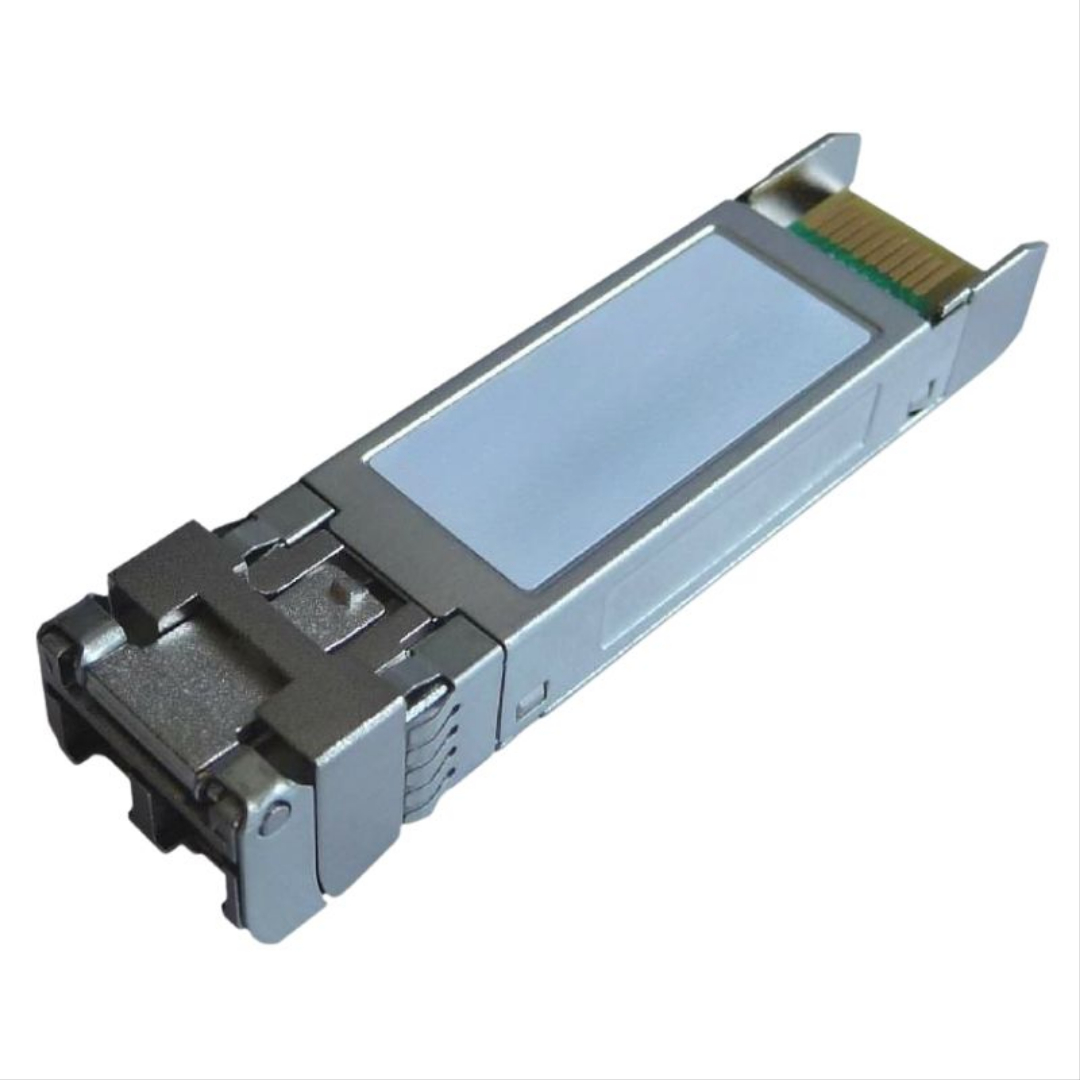


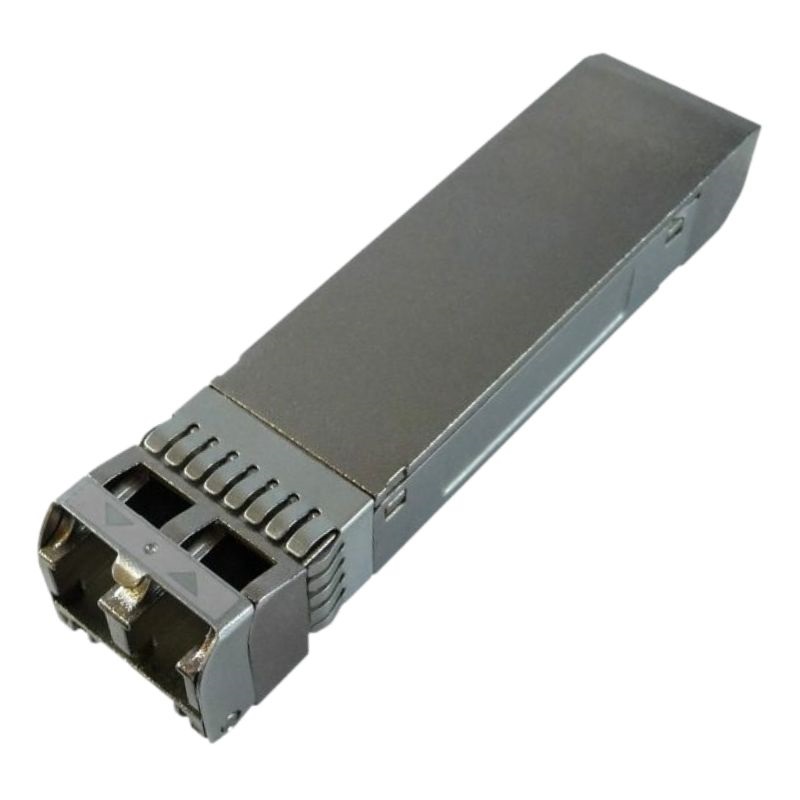
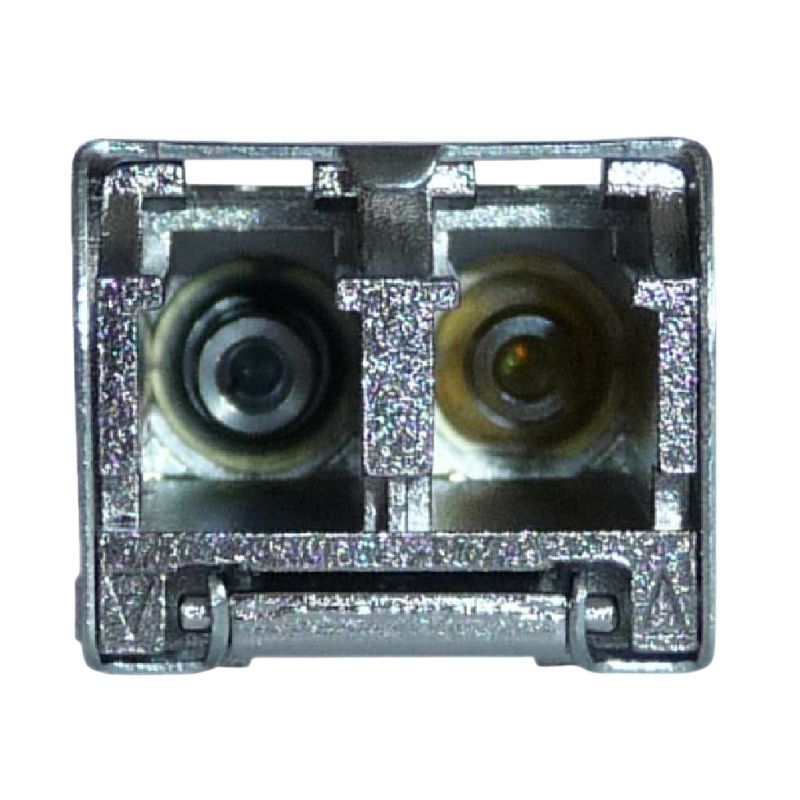
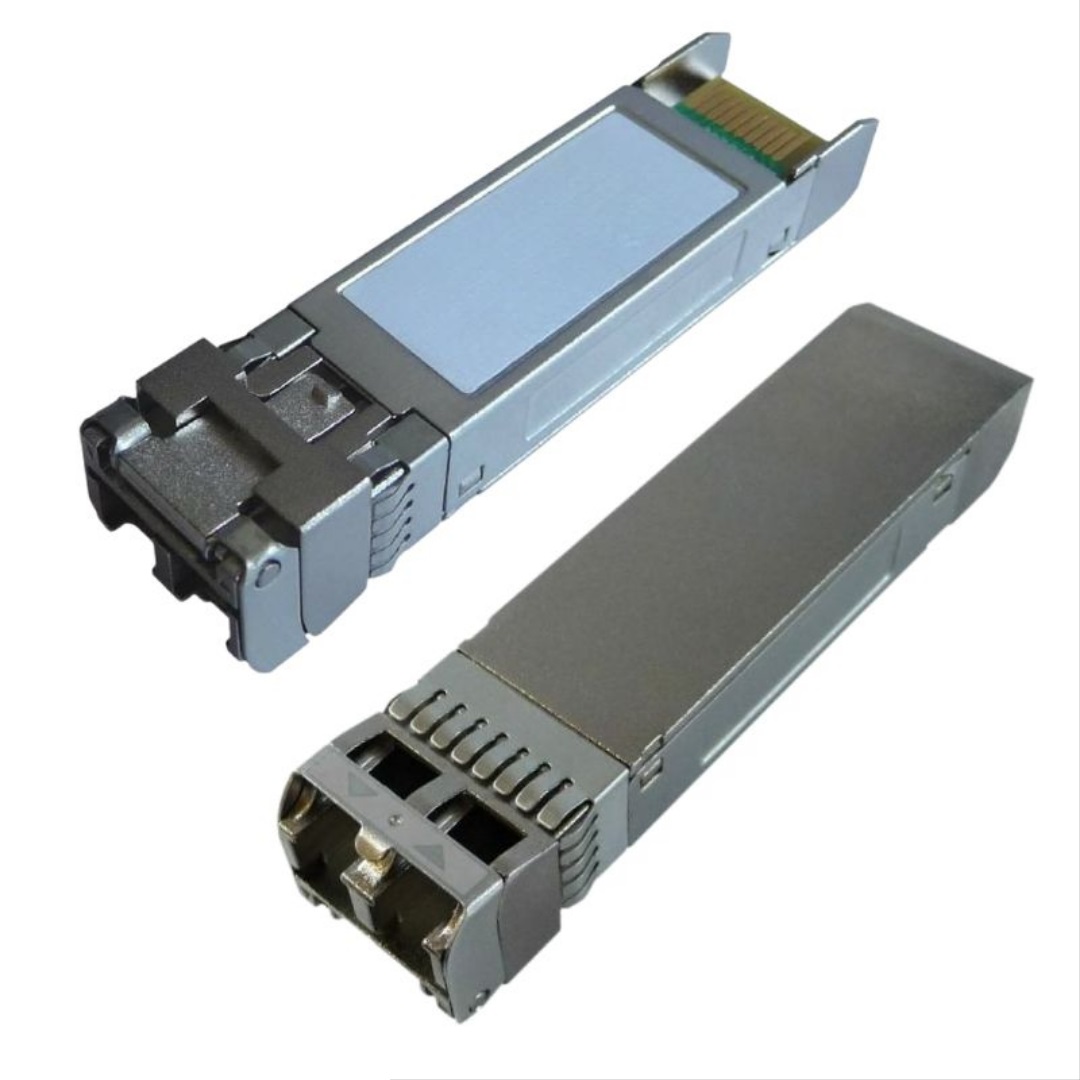
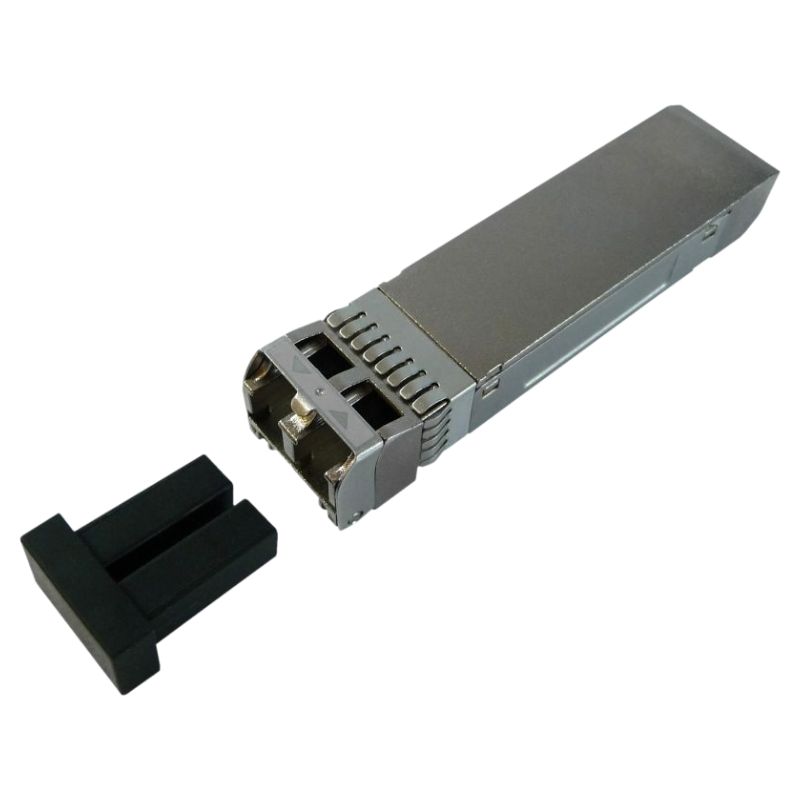
Cisco CWDM-SFP-1610 CWDM 1610 nm SFP+ 10 Gigabit Ethernet Transceiver Module. Excellent Refurbished with 1 year replacement warranty
The Cisco CWDM-SFP-1610 is a compact, hot-pluggable transceiver engineered for cost-effective wavelength-division multiplexing in high-density network environments. Designed by Cisco and identified by part number CWDM-SFP-1610, this module supports CWDM operation at the 1610 nm wavelength and is tailored for reliable 10 Gigabit and 1 Gigabit network deployments where spectral separation and fiber conservation are priorities.
The Cisco CWDM-SFP-1610 is a Compact Small Form-factor Pluggable Plus (SFP+) optical transceiver engineered to deliver reliable, high-performance 10 Gigabit Ethernet links over single-mode fiber using coarse wavelength division multiplexing (CWDM) at the 1610 nanometer wavelength. Designed to meet industry Multi-Source Agreement (MSA) specifications, this module combines compact size, low power consumption, and ruggedized optical performance to serve a wide range of data center, campus and metropolitan network applications.
This category centers on Cisco-compatible CWDM optics — specifically the CWDM 1610 nm SFP+ family — and targets search queries such as “Cisco CWDM-SFP-1610 transceiver”, “1610 nm SFP+ 10G”, “CWDM SFP+ module 1610nm”, and “10 Gigabit CWDM optics for single-mode fiber”. The modules in this category are optimized for:
10 Gigabit Ethernet (10GBASE-LR/LRM/ER-style reach depending on vendor spec)Single-mode fiber (SMF) with LC duplex connectors
CWDM wavelength assignment at 1610 nm for multiplexed fiber systems
Hot-swappable SFP+ MSA form factor compliant with SFF-8431
Low power consumption and support for digital optical monitoring (DOM/DDM)
For network architects and procurement specialists, CWDM modules deliver an economical path to increase fiber capacity by carrying multiple wavelengths over a single pair of fibers. The CWDM-SFP-1610 is one node in a family of wavelength-diverse modules that includes 1270–1610 nm channels; selecting the 1610 nm device enables specific channel planning within a CWDM mux/demux channel set.
Deploying CWDM transceivers reduces the need for laying additional fiber. By combining several wavelength channels (e.g., 1470 nm, 1490 nm, 1510 nm, 1530 nm, 1550 nm, 1570 nm, 1590 nm, 1610 nm), organizations can multiply their transport capacity on the same physical fiber pair. The 1610 nm channel is commonly used for the outermost slot in an 8-channel CWDM mux, making it valuable for high-density links and DWDM/CWDM hybrid designs.
Modules labeled for Cisco platforms (like CWDM-SFP-1610) are typically tested to interoperate with Cisco switches and routers, but the category also includes OEM-compatible SFP+ transceivers that work across multiple vendors when following MSA standards. Look for compliance with SFF-8431 (electrical) and SFF-8472 (DDM/DOM) to maximize device interoperability and ensure accurate optical monitoring.
SFP+ transceivers conform to industry mechanical interface standards, ensuring they fit into SFP+ cages on switches and routers. The category emphasizes modules with secure latching, EMI shielding, and mechanical tolerance suitable for rack environments.
In modern data centers, 10G links still play a role for server aggregation, management networks, and legacy infrastructure. CWDM SFP+ modules allow operators to repurpose existing single-mode fiber for multiple overlays, ideal when adding new 10G links while fiber resources are constrained.
Campus backbones with fiber runs between buildings can benefit from CWDM channelization. Using the 1610 nm channel alongside other CWDM channels reduces fiber expansion costs and simplifies cabling designs, especially when diverse services (voice, data, video) must be carried concurrently.
Service providers and carriers use CWDM transceivers to aggregate customer circuits onto a single fiber pair. The 1610 nm SFP+ can be an appropriate choice for edge aggregation, handoff to customer-facing devices, or as part of a ring topology where CWDM mux/demux equipment is employed.
For campus DR links or inter-site replication across dark fiber, CWDM 1610 transceivers provide a cost-effective option. Their low power footprint and compact form factor make them suitable for remote terminals and small aggregation closets.
Cisco often codes transceivers with vendor-specific part numbers and firmware validation. When searching for Cisco CWDM-SFP-1610, verify the exact part number against Cisco compatibility matrices and release notes for your switch or router model. Using third-party (non-Cisco branded) modules is common, but confirm that host firmware and driver policies allow third-party SFP+ modules to operate without feature restrictions.
MSA compliance (SFP+/SFF standards) is the baseline for cross-vendor compatibility. For critical links, test the transceiver in the intended host before large-scale deployment. Many vendors publish compatibility lists; when in doubt, perform a pilot in the production environment to confirm stability.
SFP+ CWDM modules introduce negligible latency compared to electrical switching. Throughput is primarily determined by the host interface and link negotiation; ensure the host port is configured for 10 Gbps and that any intermediary devices (fiber mux, splitters) support the required optical characteristics.
Standard commercial modules typically operate from 0°C to +70°C. For installations in uncontrolled environments or outside plant cabinets, choose industrial-grade options with extended temperature ranges (e.g., -40°C to +85°C) and confirm the product’s environmental ratings.
Choose CWDM when cost and simplicity are priorities for short to medium distances and when channel counts (up to 18 channels in some systems) are sufficient. DWDM offers higher channel density and narrower channel spacing for extremely long reaches and dense wavelength plans but requires tighter laser tolerances and more expensive mux/demux and amplification equipment.
Standard 10GBASE-LR SFP+ modules operate around 1310 nm or 1550 nm and are intended for single-wavelength point-to-point links. The CWDM 1610 SFP+ provides wavelength diversity to aggregate multiple channels via a CWDM mux/demux. If you don’t plan to multiplex wavelengths, a 10GBASE-LR module may be simpler; however, when fiber consolidation is required, CWDM modules provide the necessary flexibility.


 Contact Us
 Information
 Catalog
 Solid State Drives (SSD)
 Network Switches
 Hard Disk Drives
 HBA & Controllers
 PC & Servers
 PC & Server Memory
 CPU & Processors
 Network Routers
 Power Supplies
 Tape Drives & Libraries
 Network Devices
 Computer & Network Cables