(7% discount is applied at checkout)
Cart is empty
Your go-to destination for cutting-edge server products
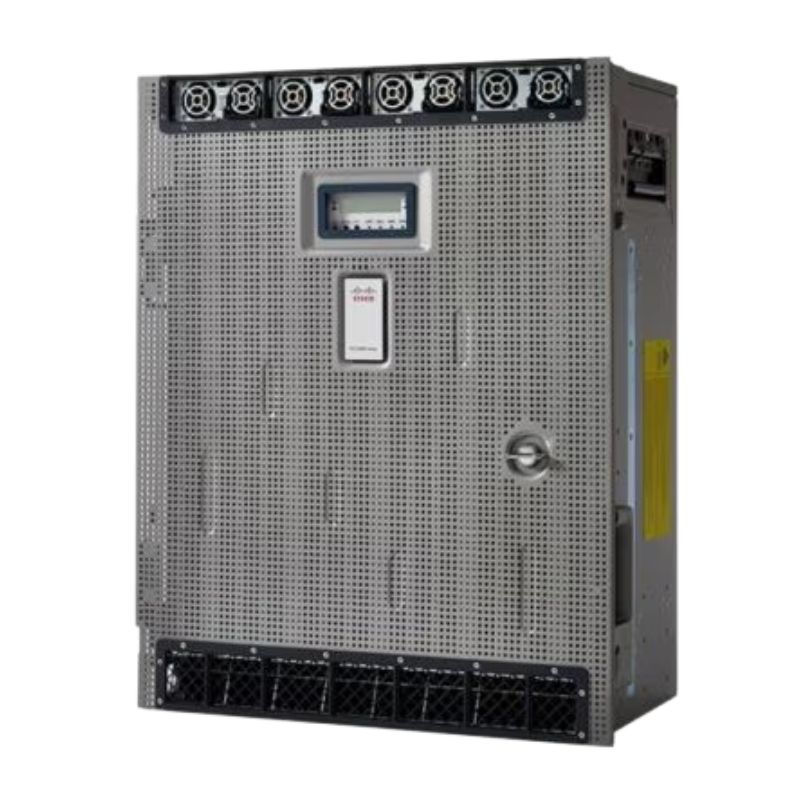


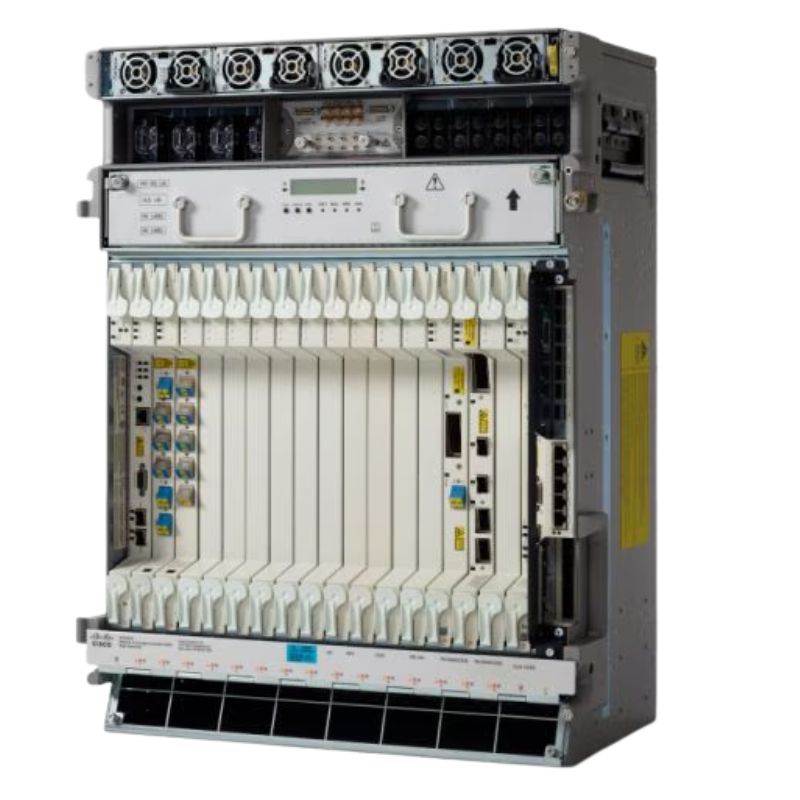
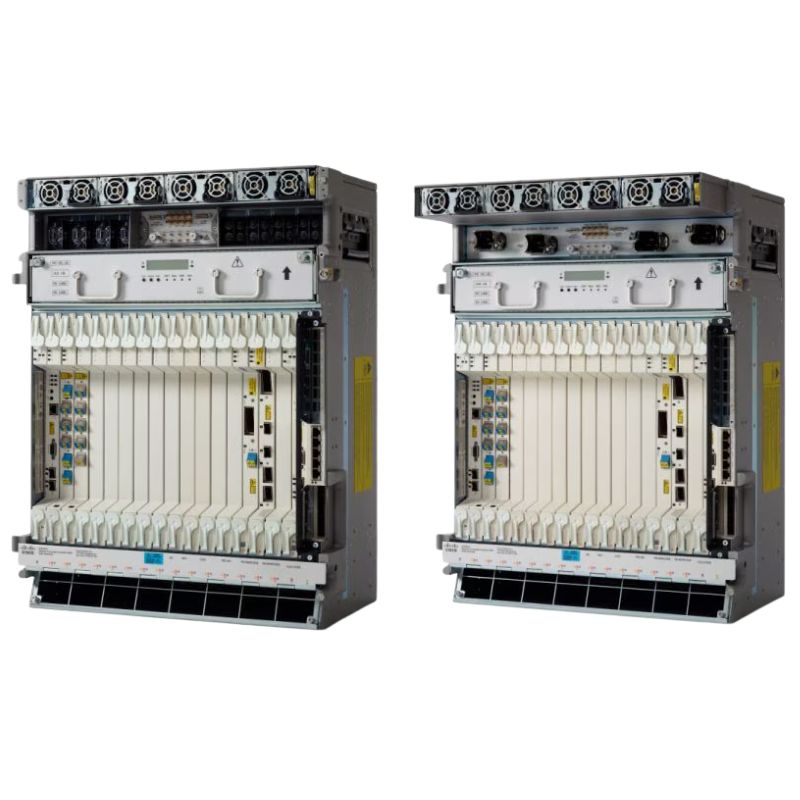
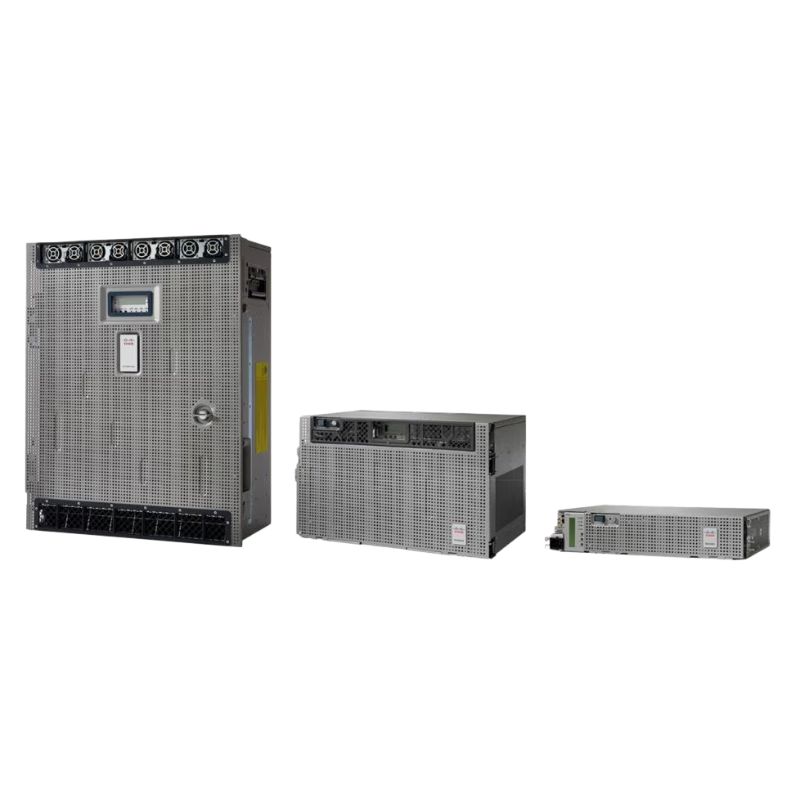
Cisco NCS2015-ECU Network Convergence System 2015 External Connections Unit Network Management Device 100Mb LAN Plug-in Module. Factory-Sealed New in Original Box (FSB) with 1 year replacement warranty
The Cisco NCS2015-ECU External Connections Unit Door is an original Cisco hardware component engineered for the Cisco Network Convergence System 2015 platform. Designed as part of the system's External Connections Unit (ECU), this replacement door helps safeguard essential network interfaces and internal connection points from dust, accidental contact, and environmental exposure. Manufactured to meet Cisco's strict engineering standards, it contributes to maintaining the integrity, organization, and professional appearance of the chassis while supporting long-term reliability in enterprise, carrier, and service provider network environments. Its precise construction ensures an accurate fit, making installation straightforward during maintenance, equipment servicing, or hardware replacement projects.
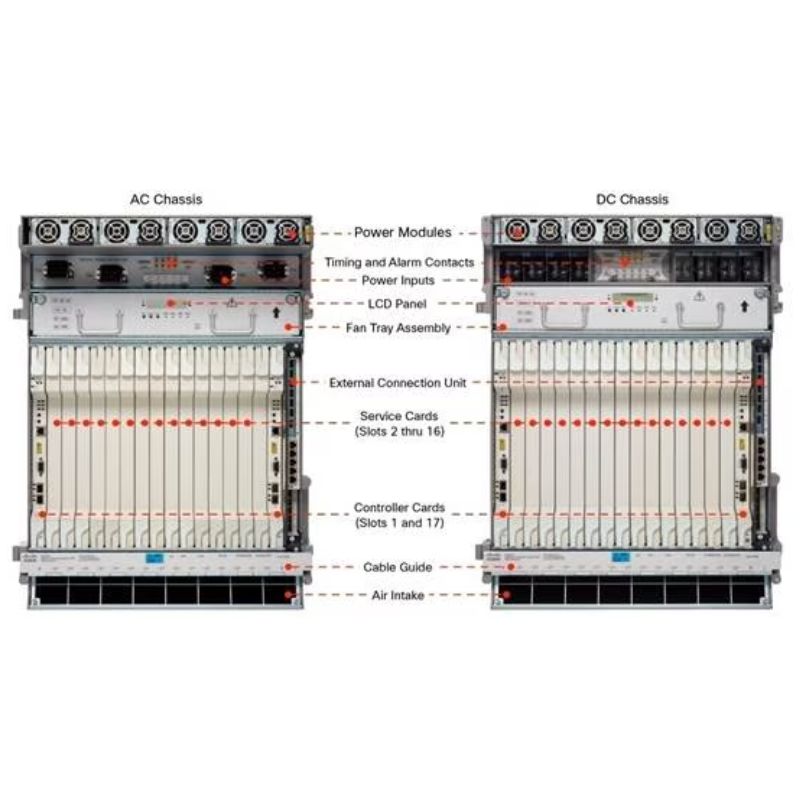
The Cisco NCS2015-ECU Network Convergence System 2015 External Connections Unit Network Management Device 100Mb LAN Plug-in Module is designed as a dedicated external connectivity and management component for the Cisco NCS 2015 platform. It provides a structured interface for local area network communication, enabling administrators to monitor, configure, and maintain the broader optical and transport infrastructure through a reliable 100Mb LAN connection. This module integrates directly into the NCS 2015 chassis as a plug-in element, forming a crucial bridge between the high-capacity transport system and the operational management network. By consolidating external connections into a single, organized unit, the NCS2015-ECU enhances visibility, control, and operational efficiency across complex network environments.
The device is engineered to support network management tasks that require stable and predictable connectivity. It offers a dedicated path for management traffic, separating control functions from user data flows and helping maintain a clear operational boundary between monitoring activities and service delivery. This separation is vital in large-scale infrastructures where performance, reliability, and security must be carefully balanced. The NCS2015-ECU module is tailored to meet these demands, providing a robust foundation for centralized management, configuration, and fault detection within the NCS 2015 ecosystem.
The broader category that includes the Cisco NCS2015-ECU module can be described as network management and external connectivity units for high-capacity transport systems. These components are designed to provide structured access points for operational teams, enabling them to interact with complex optical and routing platforms through standardized management interfaces. In modern telecommunications and data transport environments, such units are essential for maintaining control over large, distributed infrastructures. They allow administrators to perform configuration changes, monitor performance metrics, and respond to faults without disrupting the primary data paths that carry customer traffic.
Within this category, external connections units serve as the physical and logical interface between the management network and the transport system. They often support Ethernet-based connectivity, including 100Mb and higher-speed links, and may provide multiple ports for redundant or segmented management paths. The Cisco NCS2015-ECU module fits squarely within this context, offering a dedicated 100Mb LAN interface that supports network management functions for the NCS 2015 platform. By consolidating external connections into a single module, the system gains a clear and organized point of interaction for operational tasks, simplifying deployment and ongoing maintenance.
This category is particularly relevant for service providers, large enterprises, and organizations that operate extensive optical transport networks. As traffic volumes grow and services become more complex, the need for reliable management connectivity increases. External connections units like the NCS2015-ECU provide the foundation for this connectivity, ensuring that administrators can maintain control over the network even as it scales. They support functions such as configuration management, performance monitoring, fault detection, and security policy enforcement, all of which are critical for maintaining service quality and operational stability.
The Cisco NCS2015-ECU module belongs to a subcategory of network management devices that are specifically designed to provide dedicated connectivity for operational control and monitoring. These devices are not primarily responsible for carrying user data traffic; instead, they focus on enabling administrators to interact with the network infrastructure in a controlled and secure manner. Network management devices often support standardized protocols and interfaces, such as Ethernet-based LAN connections, to ensure compatibility with existing management systems and tools.
In the case of the NCS2015-ECU, the module provides a 100Mb LAN interface that serves as the primary path for management traffic. This interface allows network operators to connect the NCS 2015 system to their management network, enabling remote configuration, monitoring, and troubleshooting. The device supports the operational workflows required to maintain a high-capacity transport system, including tasks such as software updates, configuration changes, and performance analysis. By providing a dedicated management interface, the NCS2015-ECU helps ensure that these tasks can be performed without interfering with the primary data transport functions of the NCS 2015 platform.
Another relevant subcategory is plug-in modules designed for transport systems and convergence platforms. These modules are engineered to integrate directly into a chassis or shelf, providing specific functionality such as management connectivity, optical interfaces, or specialized processing capabilities. Plug-in modules offer a modular approach to system design, allowing organizations to tailor their infrastructure to specific requirements by adding or replacing components as needed. This modularity supports scalability, flexibility, and ease of maintenance.
The Cisco NCS2015-ECU module exemplifies this approach by serving as a plug-in element within the NCS 2015 chassis. It is designed to fit into a designated slot, aligning with the system’s mechanical and electrical interfaces. Once installed, the module becomes an integral part of the system, providing external connections and management capabilities that complement the core transport functions. This modular design allows organizations to deploy the NCS 2015 platform in a variety of configurations, adding management connectivity where needed and ensuring that the system can adapt to evolving operational requirements.
A defining technical characteristic of the Cisco NCS2015-ECU module is its support for 100Mb LAN connectivity. This interface provides a reliable and predictable path for management traffic, enabling administrators to connect the NCS 2015 system to their operational network. The 100Mb speed is well-suited to management tasks, which typically involve control messages, configuration data, and monitoring information rather than high-volume user traffic. By providing a dedicated 100Mb interface, the module ensures that management traffic remains separate from the primary data flows, reducing the risk of congestion or interference.
The LAN interface is designed to support standard Ethernet protocols, ensuring compatibility with a wide range of switches, routers, and management systems. This compatibility simplifies integration into existing network environments, allowing organizations to connect the NCS 2015 platform to their management infrastructure without requiring specialized equipment. The interface supports features such as link negotiation, error detection, and basic diagnostics, helping administrators maintain a stable and reliable connection to the system.
The plug-in module architecture of the NCS2015-ECU is another important technical characteristic. The module is designed to fit into a specific slot within the NCS 2015 chassis, aligning with the system’s mechanical and electrical interfaces. This architecture allows the module to draw power, communicate with the system’s control plane, and provide external connections through a standardized interface. The plug-in design simplifies installation and replacement, enabling technicians to add or remove the module without extensive reconfiguration or downtime.
The module’s architecture also supports modular system design, allowing organizations to tailor their NCS 2015 deployments to specific requirements. For example, a system may be configured with multiple external connections units, each providing different types of interfaces or management capabilities. The NCS2015-ECU module can be deployed alongside other modules to create a comprehensive management and connectivity solution. This modular approach supports scalability, allowing organizations to expand their infrastructure as needed by adding additional modules.
The primary functional role of the Cisco NCS2015-ECU module is to provide management connectivity for the NCS 2015 platform. By offering a dedicated 100Mb LAN interface, the module enables administrators to connect the system to their management network, allowing remote access for configuration, monitoring, and troubleshooting. This connectivity is essential for maintaining control over the system, especially in large-scale environments where physical access to equipment may be limited.
Through the management interface, administrators can perform a wide range of operational tasks. These tasks may include configuring optical interfaces, adjusting routing policies, monitoring performance metrics, and responding to alarms or faults. The NCS2015-ECU module provides the physical and logical foundation for these activities, ensuring that management traffic can reach the system reliably and securely. By separating management connectivity from user data flows, the module helps maintain a clear operational boundary, reducing the risk of interference or performance degradation.
As an external connections unit, the NCS2015-ECU module plays a broader role in organizing and managing the interfaces that connect the NCS 2015 system to external networks. This includes not only the management LAN interface but also any additional connections that may be supported by the module or associated components. The external connections unit serves as a structured interface zone, providing a clear and organized point of interaction for external systems and networks.
This functionality is particularly important in environments where the NCS 2015 platform must connect to multiple external networks, such as management systems, monitoring tools, or auxiliary services. The external connections unit helps maintain order and clarity in these connections, reducing the risk of misconfiguration or physical cable management issues. By consolidating external interfaces into a single module, the system gains a more organized and manageable structure, simplifying deployment and ongoing maintenance.
One of the key operational advantages of the Cisco NCS2015-ECU module is enhanced visibility and control over the NCS 2015 platform. By providing a dedicated management interface, the module allows administrators to monitor the system’s performance, configuration, and status in real time. This visibility is essential for maintaining service quality and responding quickly to issues. The management interface supports access to system logs, performance metrics, and configuration data, enabling administrators to make informed decisions about network operations.
The module also supports control functions, allowing administrators to adjust system settings, apply configuration changes, and perform software updates. These control functions are critical for maintaining the system’s alignment with operational policies and service requirements. By providing a reliable path for management traffic, the NCS2015-ECU module ensures that these functions can be performed without disruption, even in complex and high-demand environments.
Another important advantage is the separation of management and user traffic. The NCS2015-ECU module provides a dedicated 100Mb LAN interface for management connectivity, ensuring that control and monitoring traffic remains separate from the primary data flows that carry customer services. This separation helps maintain performance and reliability, reducing the risk of congestion or interference caused by management activities.
In large-scale transport systems, user traffic volumes can be significant, and any interference with these flows can impact service quality. By isolating management traffic, the NCS2015-ECU module helps ensure that user services remain unaffected by operational tasks. This separation also supports security policies, allowing organizations to apply different controls and protections to management and user traffic. The dedicated management interface can be placed on a secure network segment, protected by firewalls and access controls, while user traffic flows through separate paths.
In service provider networks, the Cisco NCS2015-ECU module plays a vital role in supporting the management and operation of high-capacity transport systems. Service providers often deploy the NCS 2015 platform to carry large volumes of optical and packet traffic across regional or national networks. The NCS2015-ECU module provides the management connectivity needed to monitor and control these systems, ensuring that services remain stable and reliable.
In this scenario, the module connects the NCS 2015 platform to the provider’s management network, allowing centralized control from network operations centers. Administrators can use the management interface to monitor performance, respond to alarms, and perform configuration changes across multiple systems. The dedicated 100Mb LAN interface ensures that management traffic remains reliable and predictable, supporting the operational workflows required to maintain service quality.
In enterprise and data center environments, the NCS2015-ECU module supports the management of transport systems that connect different sites, data centers, or service domains. Organizations may deploy the NCS 2015 platform to provide high-capacity connectivity between data centers, support cloud services, or connect to external service providers. The NCS2015-ECU module provides the management connectivity needed to maintain control over these systems, ensuring that they operate in alignment with organizational policies and requirements.
In this context, the module connects the NCS 2015 platform to the enterprise management network, allowing administrators to monitor performance, manage configurations, and respond to issues. The dedicated management interface supports integration with existing management tools and systems, simplifying deployment and ongoing operations. The module’s plug-in design allows organizations to tailor their NCS 2015 deployments to specific needs, adding management connectivity where required and ensuring that the system can adapt to evolving demands.
The Cisco NCS2015-ECU module is engineered for reliability and durability, reflecting the demands of modern transport systems. The hardware is designed to withstand the rigors of continuous operation, including temperature variations, vibration, and other environmental factors commonly encountered in network infrastructure environments. The module’s components are selected for their resilience and long-term performance, ensuring that the device can operate reliably over extended periods.
The plug-in design supports secure mounting within the NCS 2015 chassis, reducing the risk of physical damage or disconnection. The module’s connectors and interfaces are designed for stable and reliable operation, providing consistent performance even under demanding conditions. This hardware robustness is essential for maintaining the reliability of the management connectivity, which plays a critical role in overall system stability.
Operational stability is another key aspect of the NCS2015-ECU module’s design. The device is engineered to provide consistent and predictable performance, ensuring that management connectivity remains available even during periods of high demand or network stress. The module supports features such as error detection and basic diagnostics, helping administrators identify and address issues before they impact operations.
The dedicated 100Mb LAN interface provides a stable path for management traffic, reducing the risk of congestion or performance degradation. This stability is essential for maintaining control over the NCS 2015 platform, especially in environments where rapid response to issues is required. By providing reliable management connectivity, the NCS2015-ECU module contributes to the overall stability and resilience of the transport system.
The Cisco NCS2015-ECU module is designed to integrate seamlessly with a wide range of network management systems and tools. The 100Mb LAN interface supports standard Ethernet protocols, ensuring compatibility with existing management networks and devices. This compatibility allows organizations to connect the NCS 2015 platform to their management infrastructure without requiring specialized equipment or extensive reconfiguration.
The module supports the communication paths required for management protocols and applications, enabling administrators to use familiar tools to monitor and control the system. This integration simplifies deployment and ongoing operations, allowing organizations to leverage their existing management capabilities while adding the NCS 2015 platform to their infrastructure.


 Contact Us
 Information
 Catalog
 Solid State Drives (SSD)
 Network Switches
 Hard Disk Drives
 HBA & Controllers
 PC & Servers
 PC & Server Memory
 CPU & Processors
 Network Routers
 Power Supplies
 Tape Drives & Libraries
 Network Devices
 Computer & Network Cables