Intended Use Cases and Deployment Scenarios
Organizations adopt the PWR-CC1-250WAC to supply dependable AC power to Cisco C8300 edge platforms deployed in a range of sites—from headquarters to edge branches, remote retail outlets, distribution hubs, classrooms, healthcare clinics, and field locations. Typical scenarios include:
- SD-WAN edge: Delivering resilient performance for hybrid and multicloud connectivity.
- Secure branch routing: Providing stable power for integrated security services and always-on WAN access.
- Retail and POS networks: Maintaining uptime during trading hours with reliable, predictable power delivery.
- Industrial and utility substations: Feeding C8300 routers that aggregate telemetry, SCADA, and OT traffic back to central systems.
- Education and public sector: Powering routing cores that connect campus buildings, libraries, testing centers, or municipal services.
Benefits of a Right-Sized Power Budget
- Efficiency: Right-sizing reduces waste and heat while meeting demand.
- Longevity: Components stressed less by load peaks typically endure longer.
- Predictable operations: Adequate headroom supports consistent performance during busy periods.
- Serviceability: A widely used wattage class simplifies spares planning across multiple branches.
Compatibility: Designed for Cisco C8300
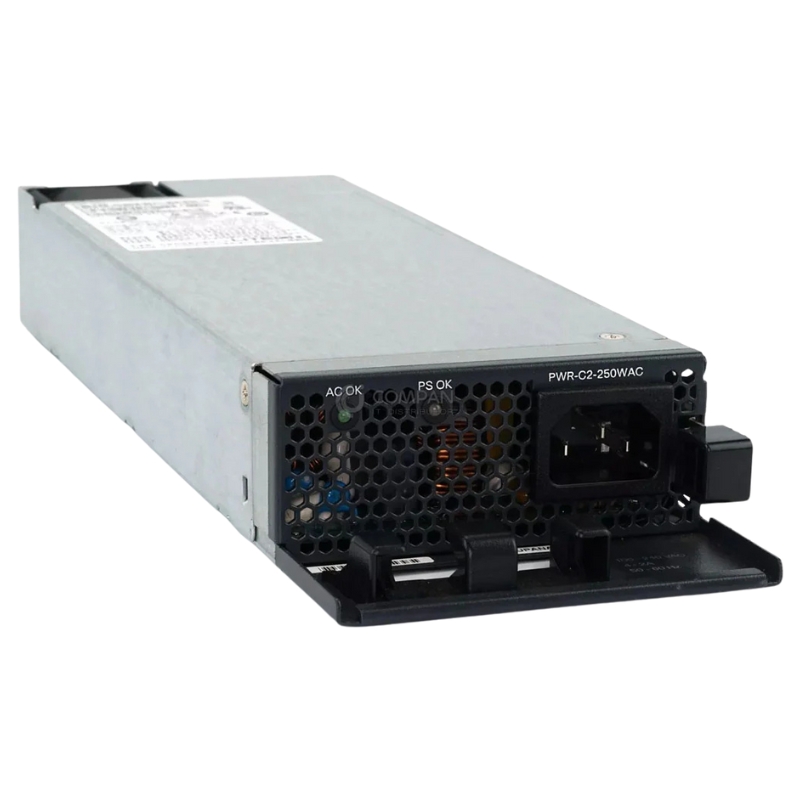
The PWR-CC1-250WAC is engineered specifically for the Cisco C8300 series. It aligns with the chassis power bay geometry, electrical connectors, and airflow paths of the platform. That tailored fit helps ensure optimal cooling, noise levels consistent with enterprise environments, and predictable firmware reporting for health monitoring.
Platform Fit and Integration
- Mechanical fit: Slot-in design matched to the C8300’s PSU bay and guides.
- Electrical mating: Connector alignment designed for secure contact and stable delivery.
- Thermal coordination: Airflow direction and baffle positioning harmonized with the chassis cooling profile.
- Monitoring signals: Designed to interoperate with platform telemetry and alarms for proactive maintenance.
Interoperability Notes
While the PWR-CC1-250WAC fits standard usage patterns for C8300 deployment, always confirm specific chassis options, interface modules, or add-on cards that may influence total consumption or airflow dynamics. In mixed fleets, maintain a clear labeling scheme to avoid confusing this module with other Cisco PSUs that share similar cosmetic design but serve different series.
Best Practices for Compatibility Assurance
- Cross-check the exact C8300 model and configured modules before procurement.
- Standardize on a single PSU type per device family to streamline spares and RMA handling.
- Document the PSU model in asset management systems with the router’s serial and location.
- Keep at least one spare PWR-CC1-250WAC at critical sites or in a central depot.
Key Features and Advantages
Beyond simple power conversion, the PWR-CC1-250WAC provides the attributes network teams expect from enterprise-grade hardware. Consider the following advantages when building your bill of materials:
- Stable 250W output class for branch-level workloads.
- Enterprise reliability suitable for 24×7 operations.
- Field-replaceable design to minimize downtime during maintenance.
- Auto-ranging AC input (typical of enterprise PSUs) for global deployment convenience.
- Integration with C8300 telemetry for health and status visibility.
- Optimized airflow aligned to chassis cooling expectations.
- Compact footprint for dense branch racks or small equipment rooms.
Design and Build Considerations
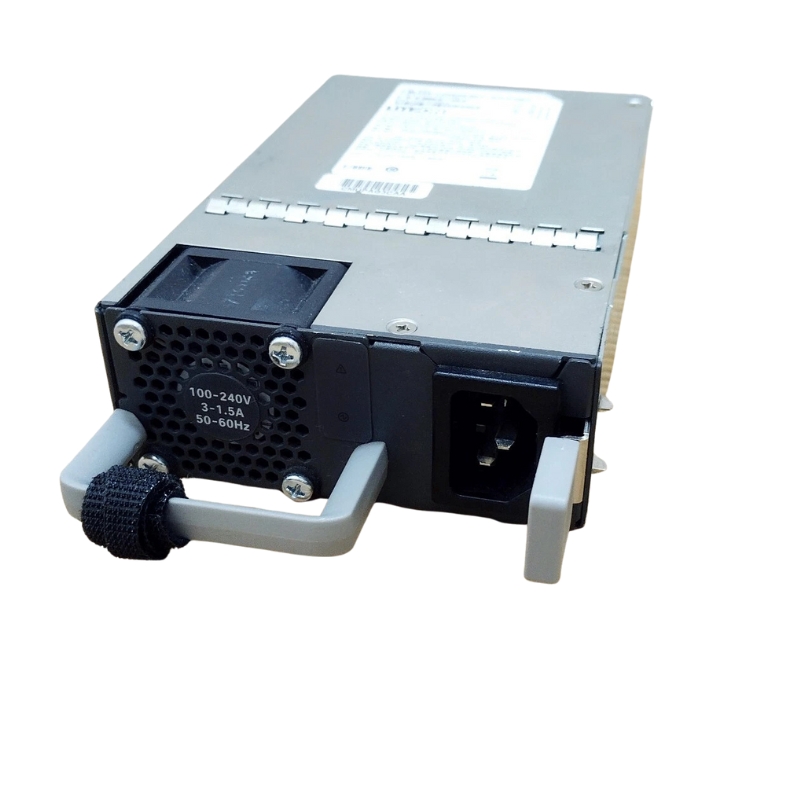
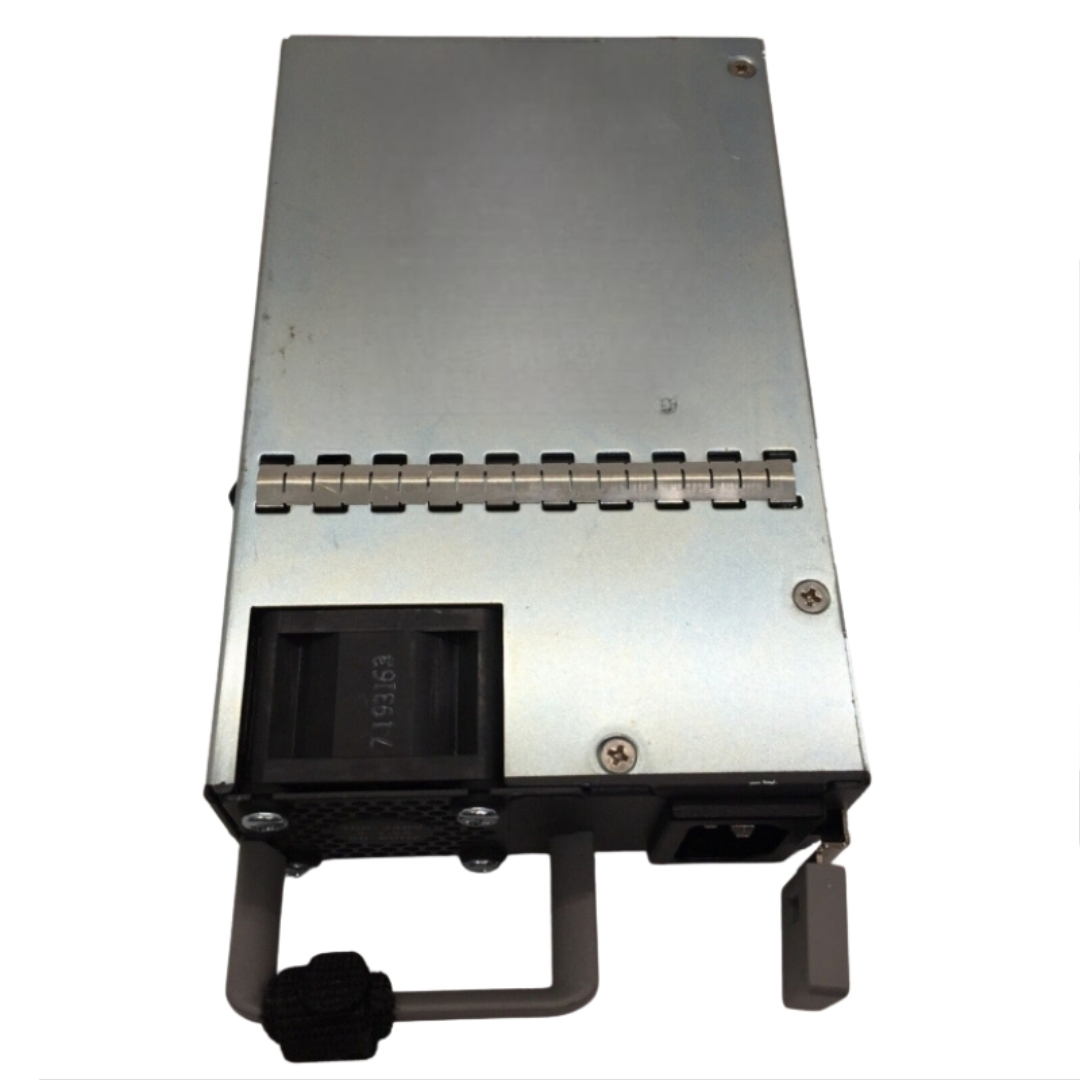
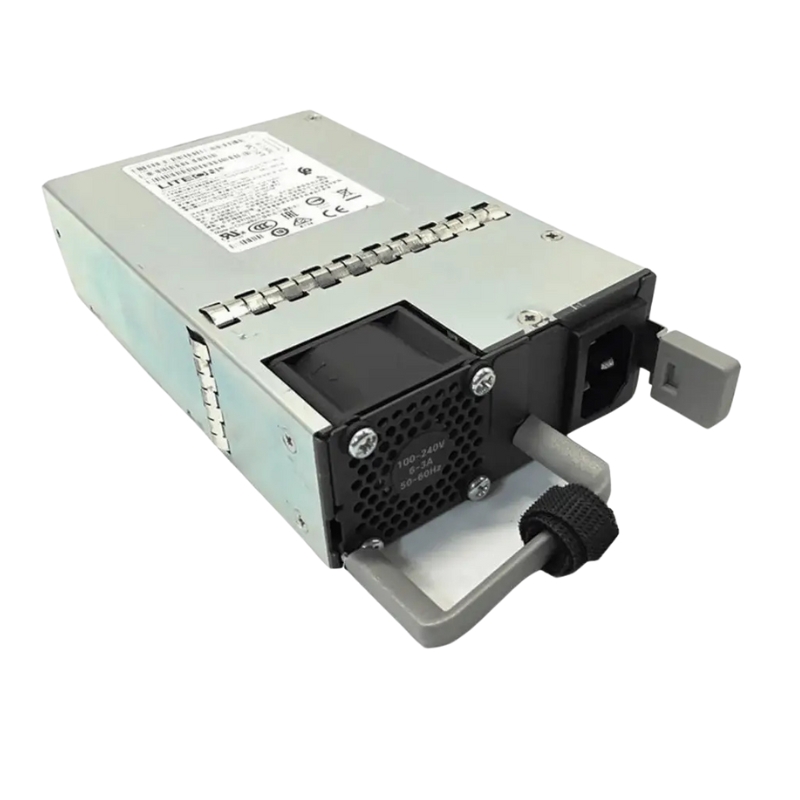
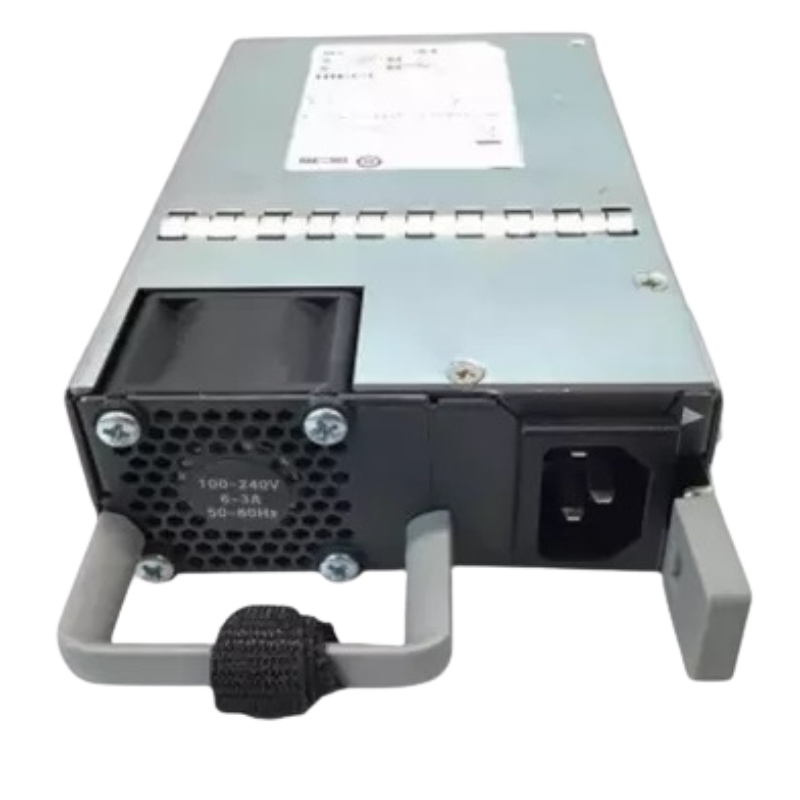
The module features a durable enclosure, guiding rails, and latch/handle elements intended to support straightforward installation or field replacement. Attention to materials and mechanical tolerances helps the PSU maintain stable operation despite vibration, repeated insertions, and typical equipment room conditions.
Serviceability at the Edge
- Clear labeling: Part numbers and identifiers legible for on-site technicians.
- Accessible handle: Eases insertion and removal with a firm, controlled motion.
- Guided alignment: Minimizes connector damage and ensures proper seating.
- Tool-light replacement: Designed for rapid swap with minimal tools and steps.
Operational Durability
Routers at the branch are often tucked into cabinets, mounted on shelves, or placed in wiring closets with limited space. The PWR-CC1-250WAC is purpose-built to handle frequent servicing in such environments while maintaining consistent performance throughout its lifecycle.
Electrical Characteristics and Power Planning
Successful deployment hinges on proper power planning. While detailed electrical parameters can vary by production and region, the following universal principles support a clean design:
- AC input: Enterprise power modules typically support auto-ranging AC inputs, enabling global use without manual selector switches.
- Output stability: Designed to maintain steady voltage and amperage across normal operating loads of the C8300 platform.
- Transient handling: Adequate tolerance for brief spikes associated with boot sequences and interface activations.
- Protection circuits: Common protections guard against overcurrent or abnormal conditions to help protect the chassis and modules.
Sizing the Power Budget
When planning for 250W, consider the sum of all components: core routing silicon, memory, storage, interface modules, and auxiliary features. Factor in a buffer for firmware updates, temporary peaks, and growth. For most branch edge designs, the 250W budget is well-matched to typical C8300 configurations used for SD-WAN and secure connectivity.
Power Headroom Strategy
- Choose a margin (for example, 15–25%) to accommodate bursts and lifecycle changes.
- Track power usage over time with platform telemetry to validate headroom and trends.
- If adding high-draw modules later, reassess the budget, airflow, and thermal load.
Line Conditioning Tips
Use clean AC sources whenever possible. For sites with frequent brownouts, consider upstream line conditioning or UPS coverage sized for the C8300 and any co-located equipment such as switches, modems, or cellular gateways.
Thermal Management and Airflow Practices
Power stability is closely linked to thermal stability. The PWR-CC1-250WAC is designed to support the C8300 cooling model, allowing the router to maintain target temperatures and acoustics under typical load. To help the thermal system perform optimally:
- Provide adequate intake and exhaust clearance around the chassis.
- Avoid blocking vents with cabling, labels, or bundled ties.
- Maintain recommended ambient temperature ranges for wiring closets and branch racks.
- Keep dust levels low by using closed cabinets or filters where practical.
- Verify correct PSU orientation and ensure it is fully seated to preserve airflow integrity.
Replacement and Field Swap Notes
- Label the removed unit with date and site information for RMA or spares review.
- Inspect the connector and bay for dust or debris before inserting the replacement.
- Record the new PSU part code and serial (if present) in your asset database.
Operations, Monitoring, and Maintenance
Keeping power systems healthy is a cornerstone of network reliability. The PWR-CC1-250WAC integrates with the C8300’s status reporting, enabling proactive monitoring and swift incident response.
Routine Checks
- Review PSU status indicators during site visits.
- Track router system logs for any power-related events or alarms.
- Examine cable strain relief, cord integrity, and plug seating.
- Ensure surrounding equipment does not obstruct vents or exhaust paths.
Telemetry and Alerting
Leverage the router’s built-in telemetry, SNMP, NETCONF/YANG, or streaming metrics to surface PSU health into your NOC dashboards. Trend analysis helps identify slow-burn issues such as rising temperatures or intermittent power conditions that might precede service disruptions.
Maintenance Intervals
- Perform visual inspections during quarterly or semiannual site reviews.
- Vacuum dust near intakes and around racks when cleaning cycles are scheduled.
- Revisit power budgets after significant configuration changes or module additions.
Redundancy, Resilience, and Uptime Strategy
Edge resilience often depends on more than a single component. While the PWR-CC1-250WAC is built for reliability, pair it with broader protections to meet your service-level objectives.
Power Path Considerations
- UPS support: Smooths short outages and protects against surges.
- Power distribution units (PDU): Provide monitoring, metering, and remote switching.
- Circuit diversity: Where possible, separate critical loads across distinct circuits.
Designing for Service Windows
Adopt a maintenance playbook that allows quick PSU replacement with clearly assigned roles, a documented rollback plan, and contact numbers for building facilities and site IT staff. Pre-staging spares reduces mean time to repair.
Operational Documentation
- Maintain up-to-date diagrams showing PSU model, cord routing, and circuit IDs.
- Store QR-coded checklists near the rack for at-a-glance procedures.
- Log all changes with timestamps to tie service actions to system metrics.
Security, Safety, and Compliance Principles
Power components influence both electrical safety and cybersecurity posture. While the PSU doesn’t run code, the system around it does. Combine good electrical practice with sound operational hygiene.
Electrical Safety Basics
- De-energize circuits during planned maintenance when required by local policies.
- Use grounded outlets and avoid daisy-chained extension cords.
- Follow facility lockout/tagout rules where applicable.
- Inspect cords for cuts, burns, or loose connectors and replace if compromised.
Operational Security Hygiene
- Protect physical access to wiring closets and network rooms.
- Log entry to rooms where critical routers and PSUs are located.
- Correlate power events with network alerts to detect malicious activity masquerading as utility issues.
Documentation Compliance
Maintain installation records, test results, and incident reports demonstrating adherence to corporate and industry guidelines. Good documentation shortens audits and accelerates problem resolution.
Rack Layout and Accessibility
- Place the C8300 at a height that allows convenient PSU access.
- Keep airflow corridors clear; install blanking panels to control hot-cold paths.
- Document cord routes and store diagrams on-site for technicians.
Site Readiness Checks
- Verify receptacle type and voltage in new or renovated spaces.
- Test outlets for ground and polarity with a basic tester before go-live.
- Confirm that PDUs are not overloaded and that breakers are properly rated.
Change Management and Incident Readiness
Even a simple PSU swap benefits from change control. Clear records speed up troubleshooting and protect uptime agreements.
Before You Change Anything
- Open a change ticket with a defined maintenance window and rollback plan.
- Notify stakeholders and site contacts, including building facilities if needed.
- Verify spares availability and staging area near the rack.
During the Activity
- Follow the documented steps; assign roles for installer and verifier.
- Record device indicators and timestamps at key milestones.
- Take photos (if policy allows) to document cable positions and seating.
After Completion
- Monitor for a defined soak period and check telemetry graphs.
- Update the CMDB and close the change with outcomes and lessons learned.
- Store the replaced unit appropriately for RMA, repair, or recycling.
Training Tips for Field Technicians
Standardized training keeps service quality consistent across many sites and technicians.
Hands-On Familiarity
- Practice insertion/removal on a lab chassis before live work.
- Learn to identify the PWR-CC1-250WAC by label and visual cues.
- Rehearse ESD setup, cord routing, latch engagement, and verification steps.
Documentation Literacy
- Know where to find official install guides and safety notes.
- Use checklists to reduce missed steps during on-site visits.
- Record clear, consistent notes for the next technician.
Communication Protocols
- Announce start and end of maintenance over the designated channel.
- Report anomalies immediately with photos and indicator descriptions.
- Escalate to remote engineering support with exact part numbers and logs.
Receiving and Staging
- Inspect packaging on arrival; note damage before opening.
- Store PSUs in a dry, temperature-appropriate space away from dust and vibration.
- Stage units by site and rack, attaching documentation or QR codes for quick lookup.
Fleet-Wide Standardization
- Standardize on PWR-CC1-250WAC across C8300 deployments to simplify training and support.
- Adopt common labels, cable colors, and rack positions to reduce human error.
Return Materials Authorization (RMA)
- Record the failure symptoms, event timestamps, and environmental factors.
- Keep shipping materials for safe returns where possible.
- Track RMAs in your ticketing system to identify patterns across sites.
Growth-Ready Design
- Supports incremental module additions common in branch modernization.
- Integrates with telemetry for proactive capacity planning.
- Fits standard rack and cabinet layouts used across large fleets.
Operational Simplicity
Consistency reduces risk. A single PSU type across the C8300 fleet lowers the cognitive load on technicians and accelerates troubleshooting while ensuring parts can be shared across sites.
Lifecycle Coordination
- Review PSU age during router refresh projects.
- Retire units gracefully with documentation and certified disposal.
- Use refresh cycles to update labels, cord management, and airflow controls.





 Contact Us
 Information
 Catalog
 Solid State Drives (SSD)
 Network Switches
 Hard Disk Drives
 HBA & Controllers
 PC & Servers
 PC & Server Memory
 CPU & Processors
 Network Routers
 Power Supplies
 Tape Drives & Libraries
 Network Devices
 Computer & Network Cables