(7% discount is applied at checkout)
Cart is empty
Your go-to destination for cutting-edge server products
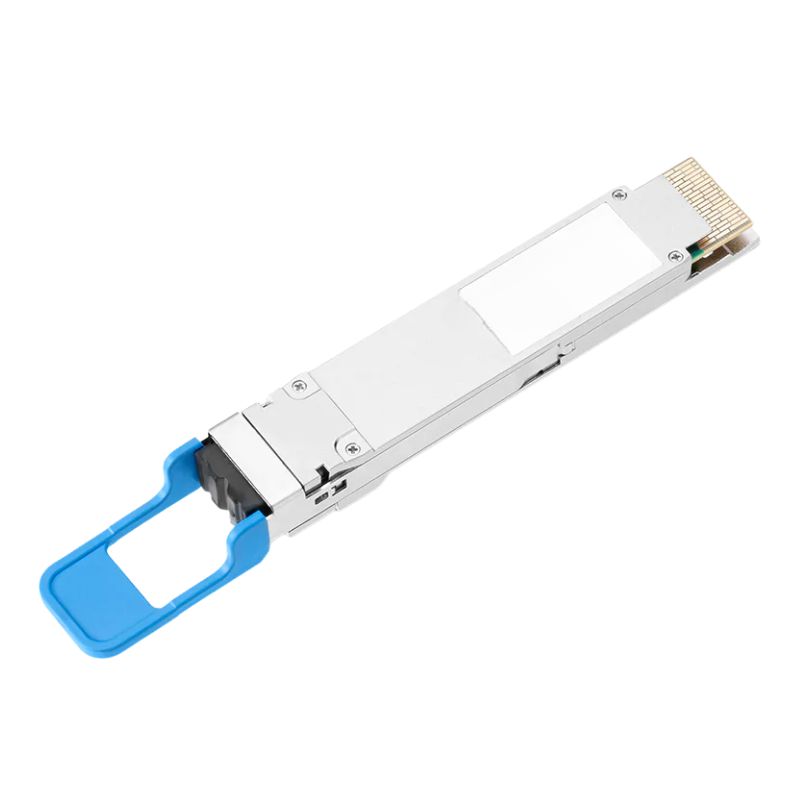


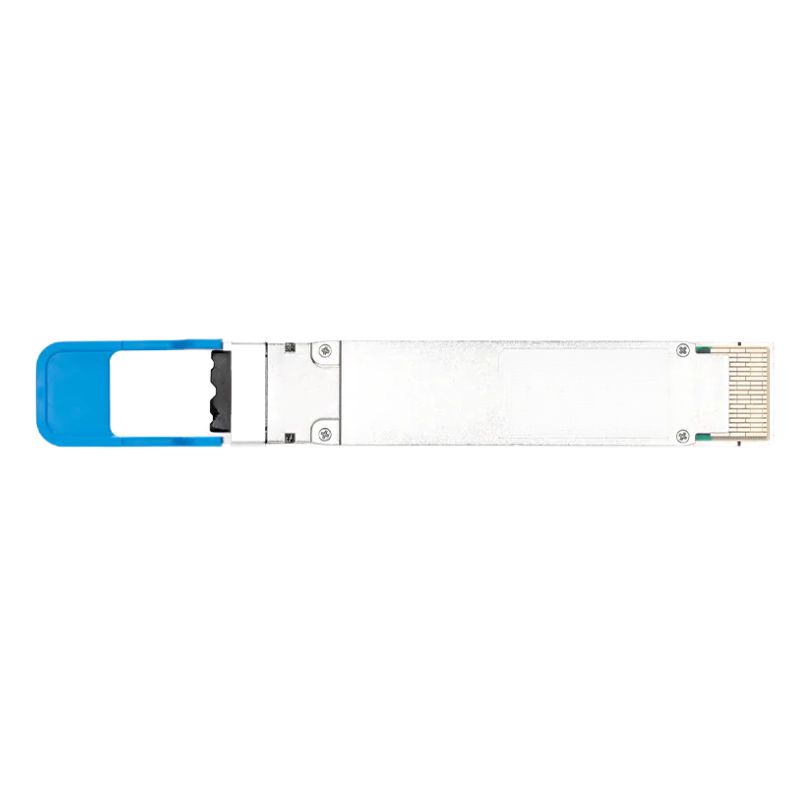
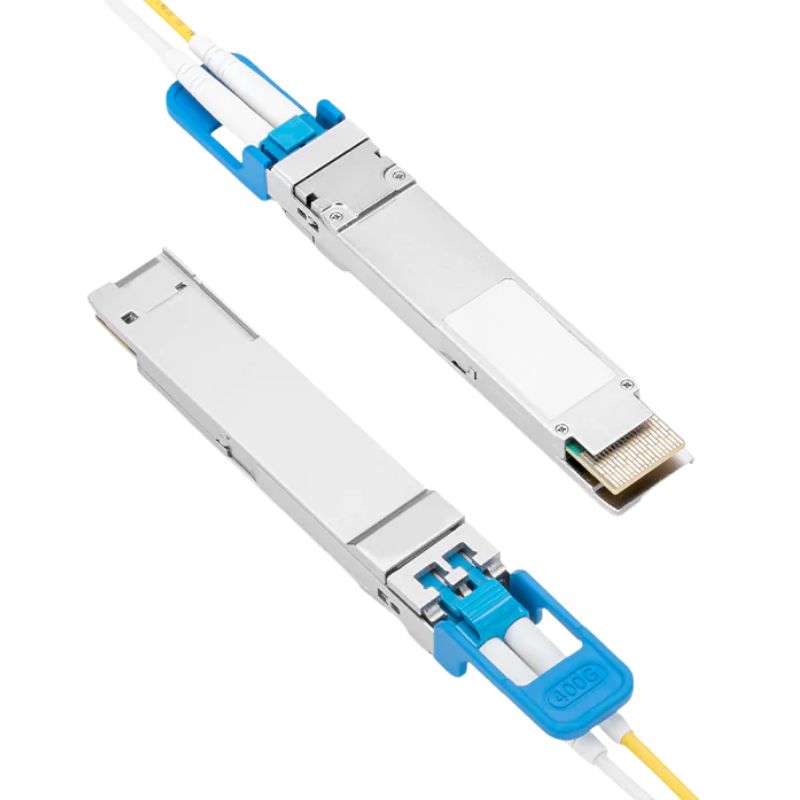
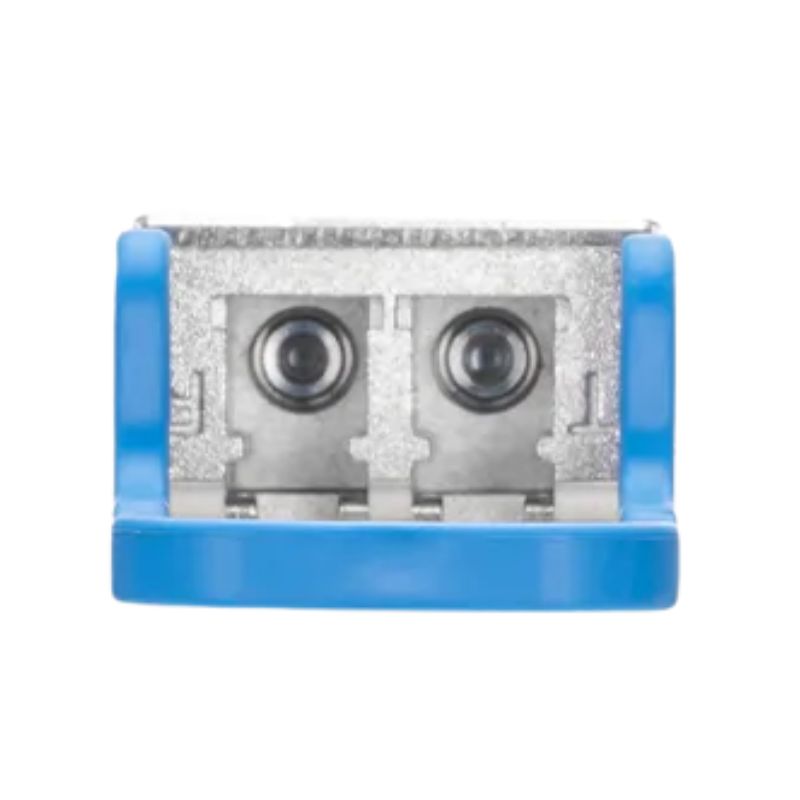
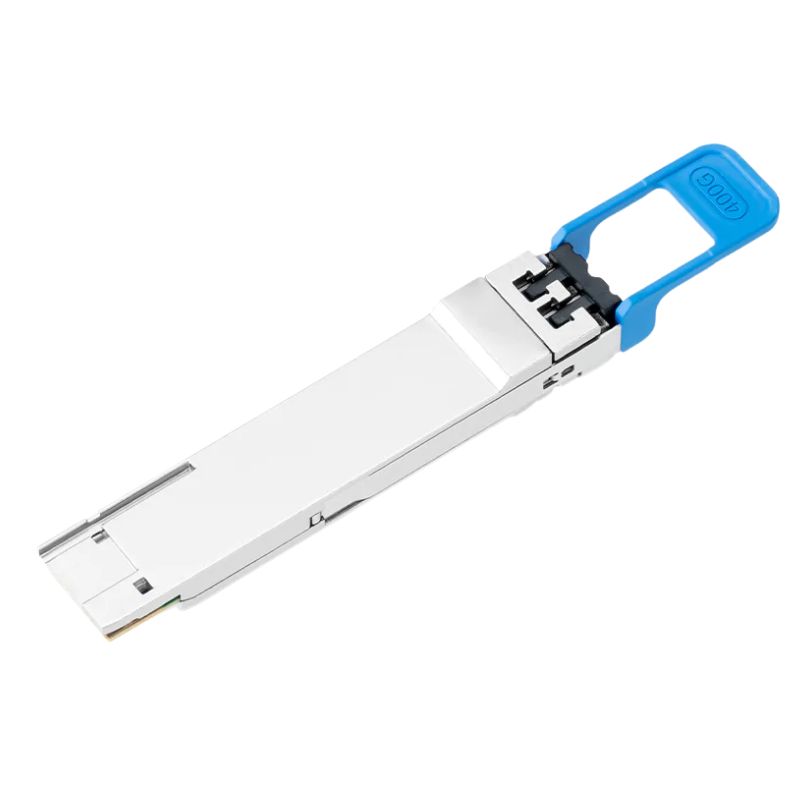
Cisco QDD-400G-ZRP-S QSFP-DD Transceiver Module, coherent DCO, 400G-ZR+. Excellent Refurbished with 1 year replacement warranty
The Cisco QDD-400G-LR4-S is a high-performance 400G QSFP-DD transceiver engineered for long-reach single-mode fiber links. Optimized for data centers and core routing environments, this module delivers reliable 400 Gbps throughput over duplex LC connections to spans up to 10 kilometres. Designed by Cisco to meet stringent carrier and enterprise grade requirements, the QDD-400G-LR4-S supports 400GBASE-LR4 signalling across four distinct wavelengths for robust, low-latency transport.
This transceiver is ideal when you need a combination of density, distance and stability. The QSFP-DD form factor gives you double the lane density compared with standard QSFP modules, reducing port real-estate while delivering 400 Gbps per port. The LR4 variant is purpose-built for longer single-mode spans, making it a practical choice for connecting data halls, edges, and metro aggregation nodes without sacrificing throughput or reliability.
Ideal for high-capacity spine links where aggregation of multiple 400G ports reduces the total switch count and cabling complexity.
Provides cost-effective 10 km reach for linking adjacent data halls or campus buildings over single-mode fiber.
Useful for carrier aggregation and metro ring segments where 400G capacity and LR4 reach are required.
While built by Cisco and validated on Cisco platforms, the QDD-400G-LR4-S adheres to industry standards for optical signalling. Where interoperability is critical, check the network equipment vendor’s compatibility matrix and test links in a lab environment before full production rollout. For mixed-vendor networks, review link capabilities and enable any necessary platform settings for multi-vendor optics.
Yes — when used in platforms that support QSFP-DD optics the module can be hot-plugged, but follow standard operational procedures to avoid transient link issues.
No — this LR4 variant is engineered for single-mode fiber. Using multimode fiber will not meet the specified 10 km reach and is not recommended.
Confirm physical cabling, platform firmware compatibility, transceiver seat (fully inserted), and that the port is configured for 400G operation. Reviewing DDM telemetry and platform logs often points to the root cause.
When procuring the QDD-400G-LR4-S, account for lifecycle planning: ensure spare modules are stocked, plan firmware and platform upgrades to maintain interoperability, and factor eventual migration paths (e.g., 800G or alternate optics) into capacity forecasts. Cisco’s part number QDD-400G-LR4-S simplifies ordering and warranty tracking.
The Cisco QDD-400G-ZRP-S is a QSFP-DD form-factor coherent digital coherent optics (DCO) transceiver engineered for high-capacity long-reach DWDM transport. Designed to support 100G–400G programmable line rates using advanced modulation (DP-QPSK, DP-8QAM, DP-16QAM) and integrated coherent DSP, this module provides a compact, pluggable option for service providers, cloud operators, and large enterprises that require metro to regional reach with low rack-space and power overhead.
Unlike direct-detect pluggable modules, the QDD-400G-ZRP-S integrates a coherent receiver and transmitter together with a high-performance DSP. This DSP performs carrier recovery, polarization demultiplexing, chromatic dispersion compensation, and advanced forward error correction (FEC). The result is high spectral efficiency and robust performance over dispersion-laden DWDM links without the need for inline dispersion compensation modules in most metro/regional use cases.
Because the transceiver is programmable, network operators can tune modulation/baud to match link conditions, trading capacity for reach when necessary (for example, falling back from 400G/16QAM to 200G/QPSK to extend reach or improve margin).
The QDD-400G-ZRP-S is often described as a ZR+ (ZR PLUS) grade coherent module — intended for DWDM point-to-point links in metro and regional networks. Typical vendor documentation and field deployments target reach up to ~80–120 km over standard single-mode fiber when used with appropriate amplification (EDFA) and channel planning. Realized reach depends on:
Cisco documents and platform release notes list specific QSFP-DD DCO compatibility (supported ports and operational constraints). For example, certain router and switch families support QDD-400G-ZR-S models on specific 400G ports only, and host systems may impose cooling or redundant power requirements when operating coherent DCO modules at scale. Always check the target platform’s transceiver support matrix before procurement and installation.
Coherent DCO pluggables typically consume more power and generate more heat than direct-detect optics. Platform vendors recommend:
When operators need a compact, low-OPEX method to interconnect colocation sites, campuses, or adjacent data centers, QSFP-DD coherent modules are compelling: they enable 400G wavelengths in a pluggable form factor so that router or switch ports (with QSFP-DD cages) can transmit native high-rate DWDM channels without separate transponder shelves. This reduces capital expense and rack space while simplifying operations.
For metro aggregation rings (e.g., connecting multiple POPs across a city or region) the QDD-400G-ZRP-S provides:
Carriers delivering wavelength, Ethernet private line, or hosted services can use 400G DCO pluggables to inventory flexible wavelengths delivered directly from service router/switch ports. This simplifies operations and provides faster service turn-up cycles by eliminating separate transponder provisioning.
The module supports digital optical monitoring (DOM) telemetry for key parameters (laser bias, temperature, optical power, and alarm states). Coherent modules typically also expose additional telemetry via the host OS (DSP alarms, OSNR estimate, and modulation state). Integrate these sensor readings into your NMS for proactive fault detection and capacity planning.
The QSFP-DD DCO family follows industry MSA and OIF guidance for coherent pluggables, enabling cross-vendor compatibility between modules that adhere to the same mechanical and optical standards. That said, platform acceptance and software validation can vary between OEMs; "3rd-party compatible" modules are widely available and tested to be interoperable with Cisco platforms but always validate support documentation and warranty/return policies prior to purchase.
Because coherent DCO modules are a high-value line item, organizations should adopt a careful spares policy. Factors to consider:
Coherent pluggables are part of an evolving ecosystem: newer DSPs and photonics continue to raise spectral efficiency and reduce power per bit. When planning upgrades, consider:
Modern coherent modules provide rich telemetry (power, temperature, bias currents, OSNR estimates, DSP alarms). Expose these through the host device’s management APIs (CLI, SNMP, streaming telemetry) and correlate with transport layer counters to automate fault isolation and thresholding. This enables predictive maintenance — for example, escalating fiber cleaning or amplifier tilt adjustments before service impact occurs.
Modules may receive firmware updates from the vendor to improve performance or fix issues. Coordinate firmware updates across your fleet and validate on non-production hardware first. Maintain a strict rollback plan and keep serial-linked records of firmware versions for support cases.
| Characteristic | QSFP-DD DCO (e.g., QDD-400G-ZRP-S) | Standalone transponder / CFP2-DCO |
|---|---|---|
| Space | Pluggable — sits in router/switch port, saves rack space | Shelf required — larger footprint |
| Power | Higher per-port than direct detect but lower than some legacy transponders | Often higher (depending on transponder density) |
| Operational simplicity | Single device simplifies control plane and reduces components | Separate device requires cross-box orchestration |
| Flexibility | Programmable rates/modulation per port | Also flexible, but adds CAPEX/OPEX of additional hardware |
Direct-detect 400G optics (SR, DR) are optimized for short reach (up to a few hundred meters to a few kilometers), while coherent ZR+ modules like the QDD-400G-ZRP-S are designed for DWDM, metro, and regional spans with significantly longer reach and optical amplification. Choose direct-detect when you need low-latency, short-reach interconnects; choose coherent pluggables when you require long-haul or high-OSNR-sensitive transport.


 Contact Us
 Information
 Catalog
 Solid State Drives (SSD)
 Network Switches
 Hard Disk Drives
 HBA & Controllers
 PC & Servers
 PC & Server Memory
 CPU & Processors
 Network Routers
 Power Supplies
 Tape Drives & Libraries
 Network Devices
 Computer & Network Cables