(7% discount is applied at checkout)
Cart is empty
Your go-to destination for cutting-edge server products
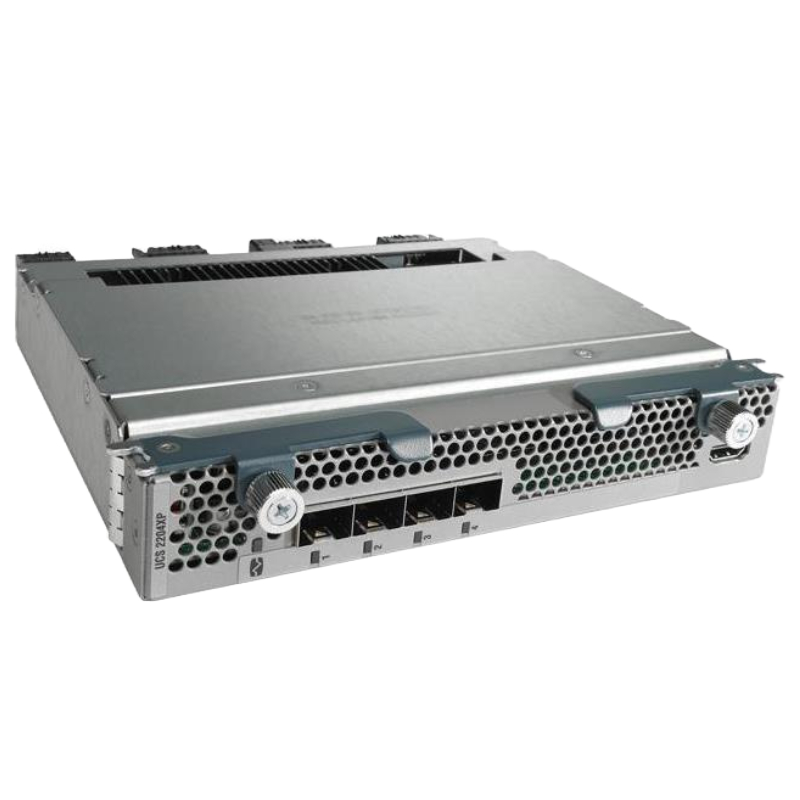


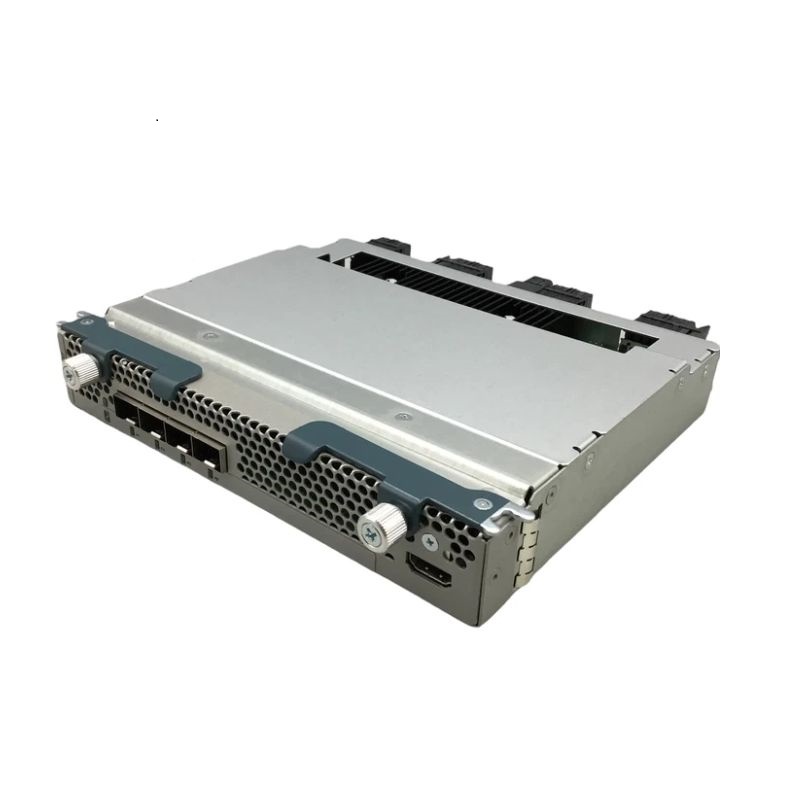
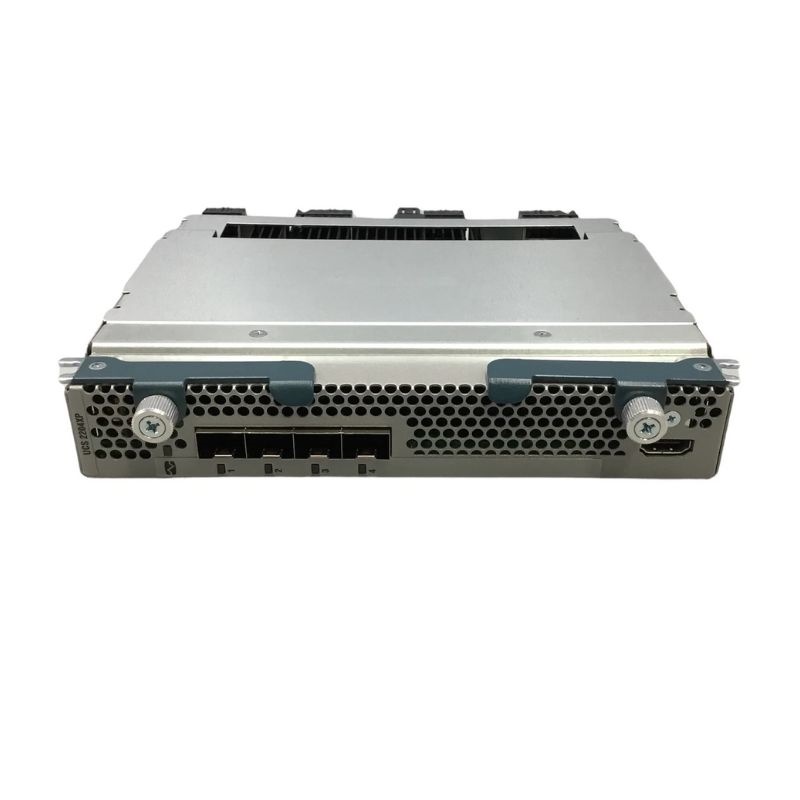
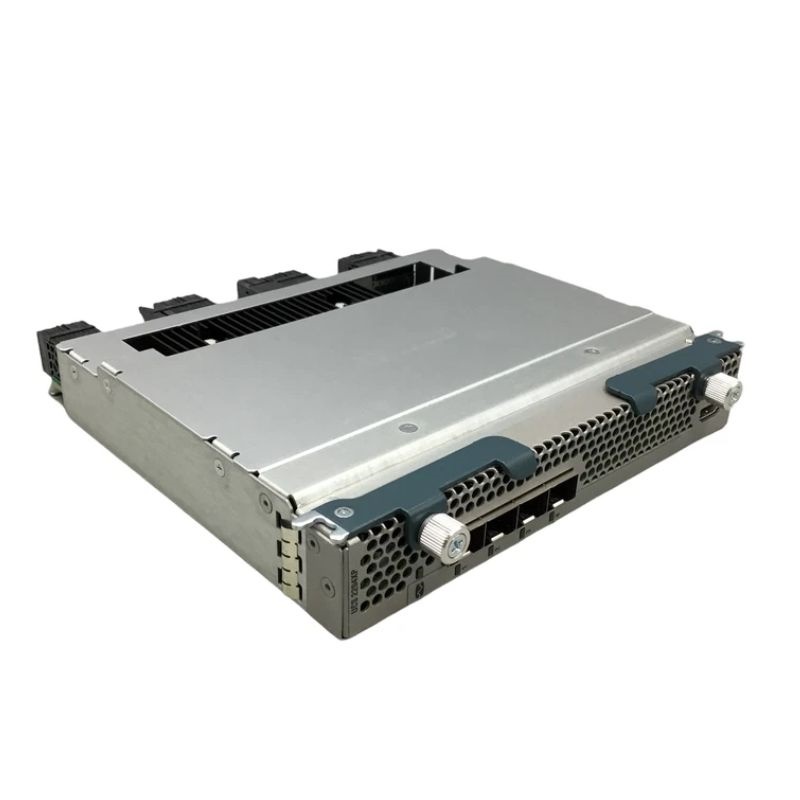
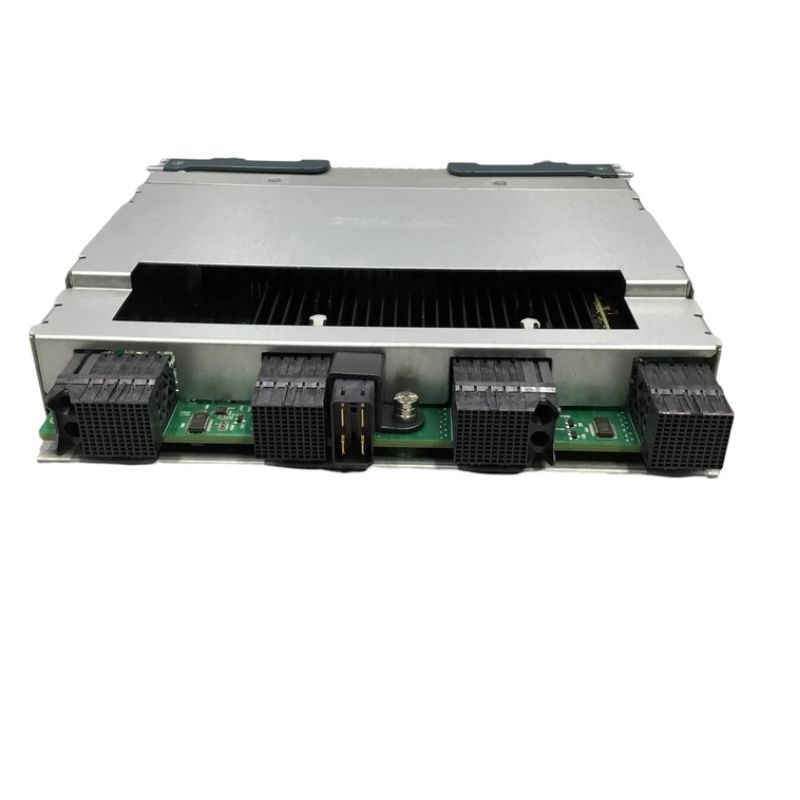
Cisco UCS-IOM-2204XP UCS 2204XP Fabric Extender-Expansion Module-10 GigE-4 Ports-For Network Analysis Module 2204, 2204 Appliance. Excellent Refurbished with 1 year replacement warranty
The Cisco UCS-IOM-2204XP is a high-performance fabric extender and expansion module engineered for advanced data center networking environments. this module enhances server connectivity, improves bandwidth efficiency, and extends unified fabric architecture for modern enterprise infrastructures. It is commonly deployed in UCS 2204XP environments, network analysis systems, and appliance-based architectures requiring scalable 10 Gigabit Ethernet performance.
The Cisco UCS-IOM-2204XP UCS 2204XP Fabric Extender Expansion Module is a high-performance networking component engineered to extend unified fabric connectivity within
advanced data center architectures. Designed for integration with Cisco Unified Computing System (UCS) environments, this Fabric Extender plays a crucial role in simplifying
server connectivity while maintaining consistent performance across distributed computing nodes. As part of the broader Cisco UCS ecosystem developed by
The UCS-IOM-2204XP is specifically optimized for environments utilizing UCS 2204XP architecture and related Network Analysis Modules. It enables seamless uplink communication between blade chassis and upstream fabric interconnects, ensuring that data center operators can achieve centralized management while reducing physical switch complexity. Its design reflects modern enterprise needs for virtualization support, cloud computing integration, and high-density application workloads.
At its core, this Fabric Extender acts as a remote line card that extends the capabilities of upstream Fabric Interconnects. Instead of operating as an independent switch, it relies on parent switches for forwarding intelligence, which significantly reduces operational overhead and configuration complexity. This architecture allows organizations to scale networking capacity without introducing additional management layers.
One of the defining characteristics of the UCS-IOM-2204XP is its reliance on centralized switching logic. By delegating control plane functions to the Fabric Interconnect, the module ensures consistent policy enforcement, simplified troubleshooting, and reduced configuration drift across large-scale deployments.
The module is particularly well-suited for high-density compute environments where virtualization, containerization, and workload consolidation are heavily utilized. Its ability to efficiently distribute network traffic across multiple server nodes makes it ideal for private cloud infrastructure, enterprise virtualization clusters, and mission-critical workloads requiring stable network performance.
The Cisco UCS-IOM-2204XP supports 10 Gigabit Ethernet connectivity, providing the bandwidth required for modern enterprise applications. This level of throughput ensures that data-intensive workloads such as large-scale virtualization, database replication, and real-time analytics can operate without network congestion.
The inclusion of 10 GigE ports enables efficient east-west and north-south traffic flow within data center environments. This is especially important in architectures where distributed applications rely on rapid synchronization across multiple nodes. By reducing latency and increasing available bandwidth, the module enhances overall system responsiveness.
The UCS-IOM-2204XP is engineered for low-latency communication across the unified fabric. Its architecture minimizes packet processing delays, ensuring that data packets are transmitted quickly and efficiently between servers and upstream network components.
Real-time applications such as financial trading systems, telecommunications platforms, and high-frequency data processing environments benefit significantly from the low-latency characteristics of this module. The consistent packet delivery performance ensures minimal jitter and predictable network behavior.
The UCS-IOM-2204XP is designed specifically for integration with UCS 2204XP systems and related Network Analysis Modules. This tight integration ensures that organizations can deploy a unified computing infrastructure without compatibility concerns or complex interoperability configurations.
Within a UCS environment, the module functions as an extension of the Fabric Interconnect layer, allowing administrators to manage server connectivity and network policies from a centralized interface. This simplifies network operations and reduces the need for specialized switching expertise at the edge of the infrastructure.
The unified fabric model supported by the UCS-IOM-2204XP combines storage and data networking traffic over a single infrastructure. This reduces the number of required adapters, cables, and switches, thereby lowering operational costs and physical complexity within the data center.
By consolidating multiple network functions into a single architecture, the UCS environment reduces the need for separate Ethernet and storage networks. This consolidation simplifies both deployment and long-term maintenance.
The unified fabric approach ensures more efficient utilization of available bandwidth and hardware resources. Workloads can dynamically share network capacity based on demand, resulting in improved overall system efficiency.
The Cisco UCS-IOM-2204XP expansion module is compatible with Network Analysis Module 2204 environments, enabling advanced traffic monitoring and diagnostic capabilities. This allows network administrators to gain deeper visibility into traffic flows and performance metrics across the UCS infrastructure.
Through integration with network analysis tools, the module supports enhanced troubleshooting, performance optimization, and security monitoring within enterprise data centers.
The module facilitates granular traffic visibility, enabling administrators to analyze data flows at the port level. This capability is essential for identifying bottlenecks, diagnosing network issues, and optimizing workload distribution.
With improved monitoring capabilities, organizations can proactively manage network health and ensure consistent performance across all connected systems. This reduces downtime and improves service reliability for critical applications.
The UCS-IOM-2204XP Fabric Extender is designed to support scalable data center growth. As organizations expand their compute and storage requirements, the module allows additional connectivity to be seamlessly integrated into existing UCS environments.
This scalability ensures that enterprises can continue to evolve their infrastructure without the need for major architectural redesigns or disruptive hardware replacements.
The modular nature of the UCS architecture enables incremental expansion. Organizations can add additional fabric extenders as needed, ensuring that network capacity grows in alignment with workload demands.
By leveraging modular expansion rather than full-scale hardware replacement, enterprises can optimize capital expenditure while still maintaining high-performance networking capabilities across their data center environments.
One of the primary advantages of deploying the UCS-IOM-2204XP is its integration with centralized UCS management tools. These tools provide administrators with a unified interface for configuring, monitoring, and maintaining network infrastructure.
This centralized approach reduces administrative complexity and enables IT teams to manage large-scale deployments more efficiently.
Because configuration is handled at the Fabric Interconnect level, individual fabric extenders require minimal direct configuration. This significantly reduces the time and effort required for deployment and ongoing maintenance.
IT teams benefit from reduced operational overhead, allowing them to focus on higher-value tasks such as optimization, security, and infrastructure planning rather than routine configuration management.


 Contact Us
 Information
 Catalog
 Solid State Drives (SSD)
 Network Switches
 Hard Disk Drives
 HBA & Controllers
 PC & Servers
 PC & Server Memory
 CPU & Processors
 Network Routers
 Power Supplies
 Tape Drives & Libraries
 Network Devices
 Computer & Network Cables