
(7% discount is applied at checkout)
Cart is empty
Your go-to destination for cutting-edge server products
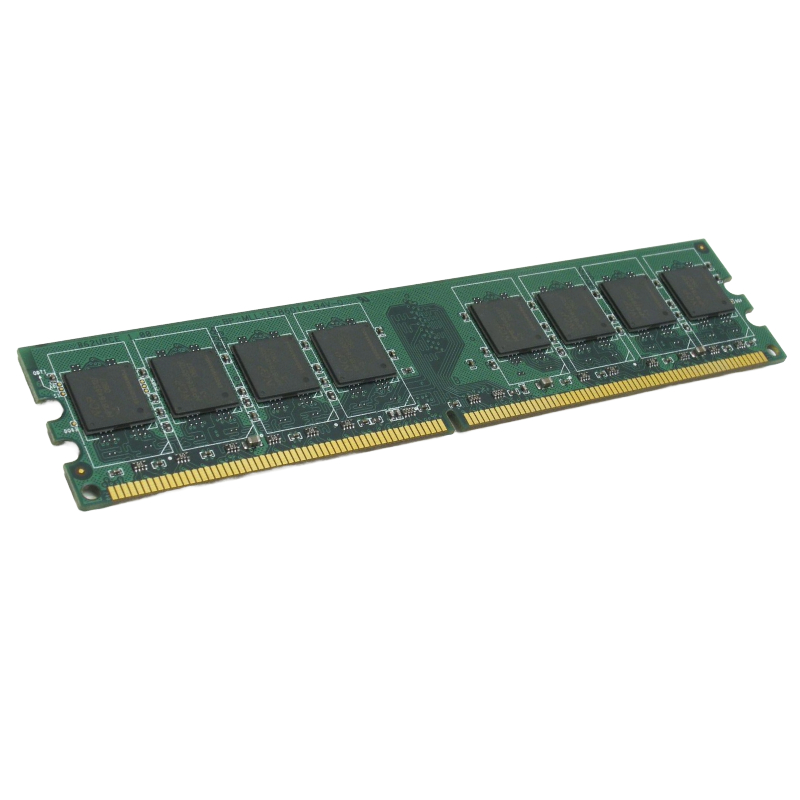
Cisco UCS-ML-1X644RV-A 64GB 2400MHZ PC4-19200 CAS-17 ECC Registered Quad Rank X4 DDR4 SDRAM 288-Pin LRDIMM Memory Module for Server Memory. New (System) Pull with 1 year replacement warranty
The Cisco UCS-ML-1X644RV-A is a robust 64GB DDR4 memory module engineered to deliver high-speed performance, advanced error correction, and reliable registered architecture for Cisco UCS blade and rack servers.
The Cisco UCS-ML-1X644RV-A 64GB 2400MHz PC4-19200 ECC Registered Quad Rank X4 DDR4 SDRAM 288-Pin LRDIMM memory module represents a powerful enterprise-grade memory solution designed for modern data centers, virtualization infrastructures, and mission-critical server deployments. Built to meet the demanding requirements of enterprise workloads, this high-capacity DDR4 LRDIMM module provides improved memory bandwidth, reliability, scalability, and energy efficiency for Cisco Unified Computing System (UCS) servers. Organizations that rely on advanced computing performance, high-density memory architectures, and data integrity benefit significantly from the advanced engineering integrated into this module.
Server memory plays a critical role in determining the responsiveness and scalability of enterprise IT infrastructures. As data volumes continue to increase and applications demand greater computing resources, server administrators must deploy memory solutions capable of delivering high throughput and stability. The Cisco UCS-ML-1X644RV-A module addresses these needs through a combination of 64GB capacity, 2400MHz speed, ECC protection, and Load Reduced DIMM architecture that supports high-density server configurations.
DDR4 memory technology significantly improves upon previous DDR3 generations in terms of speed, efficiency, and scalability. The Cisco UCS-ML-1X644RV-A module utilizes DDR4 SDRAM architecture to deliver improved bandwidth and reduced power consumption, making it ideal for enterprise workloads that require high-performance computing and stable server operations. DDR4 memory operates with advanced signal integrity features that allow higher frequencies and improved memory density compared to earlier technologies.
In modern data centers, DDR4 server memory is essential for supporting large-scale virtualization platforms, enterprise databases, and high-performance computing tasks. The Cisco UCS-ML-1X644RV-A module leverages PC4-19200 bandwidth capabilities, enabling faster communication between the processor and system memory. This increased throughput improves application responsiveness and allows servers to process large volumes of data with minimal latency.
DDR4 architecture introduces several enhancements that directly benefit enterprise server environments. One of the most notable improvements is increased data transfer speed, allowing servers to handle more operations simultaneously. Higher bandwidth translates into faster application performance and better multitasking capabilities across virtual machines and enterprise workloads.
Another major advantage of DDR4 technology is reduced power consumption. DDR4 modules typically operate at lower voltages compared to DDR3 modules, improving energy efficiency across large-scale data centers. Reduced power requirements also result in lower thermal output, which helps maintain optimal server temperatures and improves hardware longevity.
Memory bandwidth plays an essential role in determining how efficiently servers can process information. The Cisco UCS-ML-1X644RV-A memory module provides a memory speed of 2400MHz, offering sufficient bandwidth to support data-intensive applications such as analytics platforms, enterprise resource planning systems, and large-scale virtualization clusters.
High bandwidth memory ensures that processors receive data quickly, minimizing delays that can slow down application performance. In multi-processor server systems, sufficient memory bandwidth is critical for maintaining balanced workload distribution and preventing bottlenecks that could impact system efficiency.
The 64GB capacity of the Cisco UCS-ML-1X644RV-A module allows organizations to deploy high-density memory configurations within enterprise servers. High-capacity modules reduce the number of DIMM slots required to achieve large memory pools, enabling improved system scalability and more efficient resource utilization.
Large memory capacity is particularly beneficial for applications that require extensive in-memory data processing. Modern databases, virtualization platforms, and big data analytics engines rely heavily on system memory to maintain high-speed access to large datasets. By deploying 64GB LRDIMM modules, IT administrators can configure servers with hundreds of gigabytes or even terabytes of total memory capacity.
Virtualization platforms such as VMware, Hyper-V, and container-based infrastructure require significant memory resources to host multiple virtual machines simultaneously. Each virtual machine requires its own dedicated memory allocation, and insufficient memory resources can lead to performance degradation.
High-capacity memory modules like the Cisco UCS-ML-1X644RV-A allow administrators to increase the number of virtual machines per host while maintaining stable performance levels. This capability enables organizations to maximize hardware utilization while reducing infrastructure costs associated with deploying additional physical servers.
Cisco UCS blade servers and rack servers are designed to support high-density memory configurations that enable enterprise workloads to scale efficiently. Load Reduced DIMM technology used in the Cisco UCS-ML-1X644RV-A module allows servers to support more memory modules without compromising signal integrity or stability.
This increased density capability makes LRDIMM memory modules particularly valuable in blade server environments where space constraints require efficient hardware utilization. By installing high-capacity memory modules, organizations can optimize server density while maintaining strong computing performance.
The Cisco UCS-ML-1X644RV-A memory module operates at 2400MHz with PC4-19200 bandwidth, providing reliable performance for enterprise server workloads. High-frequency memory modules enhance system throughput by increasing the rate at which data can be transferred between the memory subsystem and the processor.
This high-speed capability supports workloads that demand rapid data access and continuous processing, including enterprise databases, cloud computing environments, and AI-driven analytics platforms. Faster memory speeds reduce delays associated with data retrieval, improving overall system efficiency.
CAS latency is another important metric that determines memory responsiveness. The Cisco UCS-ML-1X644RV-A module features CAS-17 latency, which balances speed and stability within enterprise server environments. Lower latency ensures that memory requests are processed quickly, allowing applications to operate with minimal delay.
Efficient latency performance contributes to smoother workload execution, particularly in systems running complex computational tasks or large-scale transactional databases. Maintaining optimal latency levels helps ensure consistent performance even under heavy workloads.
Servers operating in enterprise environments must manage multiple workloads simultaneously. From running virtual machines to supporting large databases, servers require memory solutions capable of maintaining steady performance under continuous demand.
The Cisco UCS-ML-1X644RV-A memory module helps maintain this performance consistency by providing a balance between high-speed data transfer and reliable latency characteristics. This balance ensures that enterprise applications receive the memory resources necessary to function efficiently.
Load Reduced DIMM technology is specifically designed to improve memory scalability in enterprise servers. Traditional memory modules place electrical load directly on the memory controller, limiting the number of modules that can be installed in a system. LRDIMM architecture addresses this limitation by incorporating a memory buffer that reduces electrical load on the memory controller.
By reducing this load, servers can support more memory modules without compromising stability or signal quality. This design enables high-capacity configurations that would not be possible with standard registered DIMM modules.
LRDIMM technology offers several advantages for enterprise data center deployments. One of the most important benefits is improved scalability. Organizations can deploy larger memory capacities within a single server, reducing the need for additional hardware infrastructure.
Another advantage is enhanced signal integrity. Because the memory buffer isolates the memory controller from the DRAM chips, signal quality remains stable even when multiple high-capacity modules are installed. This stability ensures reliable server operation in demanding enterprise environments.
The memory buffer used in LRDIMM modules acts as an intermediary between the memory controller and the DRAM chips. This design reduces the electrical load on the controller while maintaining efficient communication between components.
Improved signal integrity allows servers to maintain high memory speeds and large capacities without experiencing data errors or performance degradation. For organizations running mission-critical workloads, this reliability is essential for maintaining system stability and data accuracy.
Enterprise server environments demand reliable data processing to ensure that applications operate correctly and critical information remains protected. The Cisco UCS-ML-1X644RV-A memory module incorporates Error Correcting Code technology, which automatically detects and corrects memory errors that may occur during operation.
ECC memory is widely used in servers because it improves system reliability and protects against data corruption caused by electrical interference, cosmic radiation, or hardware faults. By identifying and correcting single-bit memory errors, ECC technology ensures that data remains accurate throughout processing operations.
In enterprise environments where servers handle financial transactions, customer databases, and business analytics, even minor memory errors can lead to serious consequences. ECC memory provides an additional layer of protection by monitoring data integrity at the hardware level.
This protection is especially important for applications that rely on large in-memory datasets. With ECC technology integrated into the Cisco UCS-ML-1X644RV-A module, organizations can operate their servers with confidence, knowing that memory errors will be detected and corrected automatically.
Registered memory modules include a register that stabilizes communication between the memory controller and the DRAM chips. This register reduces electrical load and ensures consistent signal timing across the memory subsystem.
By combining registered memory architecture with ECC protection, the Cisco UCS-ML-1X644RV-A module provides both reliability and stability for enterprise server workloads. This combination is essential for maintaining continuous operation in mission-critical computing environments.
The quad rank architecture of the Cisco UCS-ML-1X644RV-A module allows it to store a large amount of data within a single DIMM. Memory ranks function as independent groups of DRAM chips that the memory controller can access separately. By incorporating four ranks, this module achieves its high 64GB capacity while maintaining efficient data access.
Quad rank memory modules are commonly used in high-capacity server environments where maximizing memory density is essential. This architecture enables servers to handle larger datasets while maintaining balanced performance across multiple memory channels.
The X4 DRAM configuration used in the Cisco UCS-ML-1X644RV-A module refers to the width of the memory chips. X4 chips provide enhanced reliability and improved error correction capabilities compared to wider chip configurations.
This design contributes to better ECC efficiency and allows servers to detect and correct errors more effectively. As a result, enterprise systems benefit from improved data integrity and reduced risk of memory-related failures.
The Cisco UCS-ML-1X644RV-A module features a standard 288-pin LRDIMM form factor, ensuring compatibility with modern DDR4 server platforms. This form factor is widely used in enterprise servers because it supports high-speed data transfer and high-capacity memory configurations.
Cisco UCS servers are engineered to leverage this memory architecture to deliver consistent performance and reliability. Installing compatible memory modules ensures that server systems operate at their full potential without encountering compatibility issues.
Cisco Unified Computing System servers integrate computing, networking, and storage resources into a unified platform designed for scalable data center operations. Memory modules such as the Cisco UCS-ML-1X644RV-A are optimized to function seamlessly within this architecture.
By using certified Cisco memory modules, organizations can ensure optimal performance, full compatibility, and reliable operation within their UCS server environments. This integration simplifies server management while delivering consistent performance across enterprise workloads.
Modern enterprise applications demand high-performance computing resources capable of processing large volumes of data in real time. Memory modules such as the Cisco UCS-ML-1X644RV-A provide the capacity, speed, and reliability required to support these demanding workloads.
From virtualization and cloud computing to artificial intelligence and data analytics, enterprise applications rely heavily on system memory. High-capacity DDR4 LRDIMM modules enable servers to manage these workloads efficiently while maintaining strong performance and reliability across the entire infrastructure.


 Contact Us
 Information
 Catalog
 Solid State Drives (SSD)
 Network Switches
 Hard Disk Drives
 HBA & Controllers
 PC & Servers
 PC & Server Memory
 CPU & Processors
 Network Routers
 Power Supplies
 Tape Drives & Libraries
 Network Devices
 Computer & Network Cables