
(7% discount is applied at checkout)
Cart is empty
Your go-to destination for cutting-edge server products
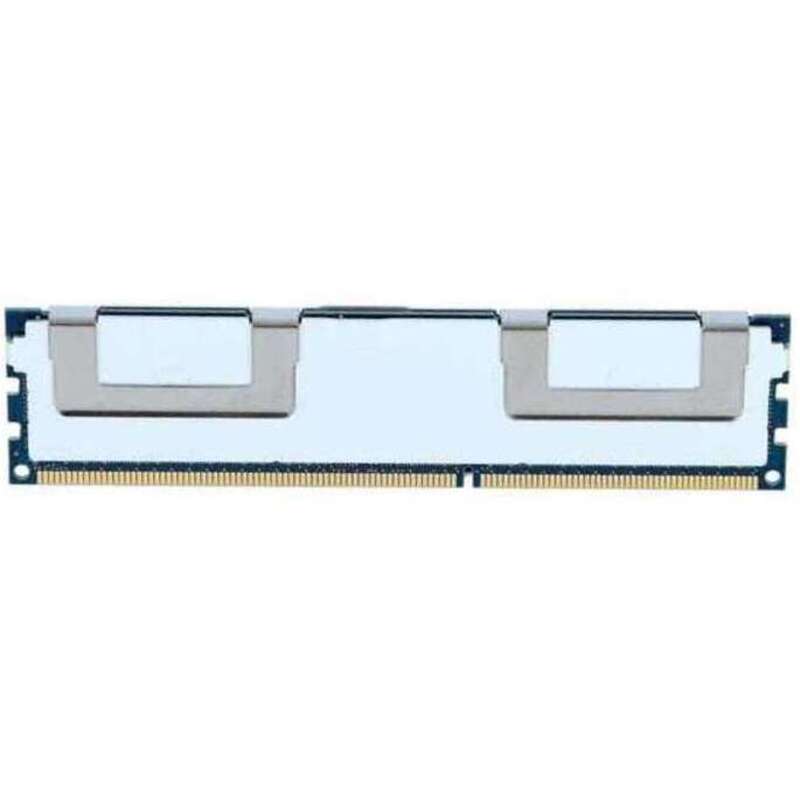
Cisco UCS-ML-X64G4RT-H 64GB 1X64GB DDR4 2933mhz PC4-23400 CL21 ECC Registered Quad Rank x4 1.2V SDRAM 288-PIN LRDIMM Memory Module for Server. New (System) Pull with 1 year replacement warranty
| SKU/MPN | Warranty | Price | Condition | You save |
|---|---|---|---|---|
| UCS-ML-X64G4RT-H | 1 Year Warranty | $1,099.00 | Factory-Sealed New in Original Box (FSB) | You save: $384.65 (26%) |
| UCS-ML-X64G4RT-H | 1 Year Warranty | $960.00 | New (System) Pull | You save: $336.00 (26%) |
The Cisco UCS-ML-X64G4RT-H is a high-performance 64GB DDR4-2933 ECC LRDIMM memory module designed for enterprise-grade servers and data centers. Built to deliver reliability, speed, and efficiency, this quad-rank RAM ensures seamless multitasking and optimized system performance.
The Cisco UCS-ML-X64G4RT-H 64GB DDR4 memory module represents a powerful and reliable component designed specifically for enterprise-grade servers and high-performance computing environments. This category of memory modules is tailored for organizations that demand exceptional scalability, performance consistency, and system stability. Built using DDR4 technology, this LRDIMM module operates at 2933MHz, delivering fast data throughput and efficient multitasking capabilities that modern workloads require.
As enterprises continue to adopt virtualization, cloud computing, artificial intelligence, and big data analytics, memory becomes a critical factor influencing system performance. The Cisco UCS memory category is engineered to meet these evolving needs, ensuring that servers maintain optimal responsiveness even under heavy workloads. This 64GB module, configured as a single 1x64GB unit, allows for flexible deployment strategies and supports memory-intensive applications with ease.
DDR4 SDRAM technology has significantly improved over previous generations by offering higher bandwidth, reduced power consumption, and enhanced reliability. Operating at 2933MHz, this module falls into the PC4-23400 classification, indicating its high data transfer rate and efficiency in handling large volumes of information. This makes it particularly suitable for applications such as database management systems, virtualization platforms, and enterprise resource planning solutions.
DDR4 memory modules also incorporate advanced signaling and improved architecture, reducing latency while maintaining consistent performance levels. The CL21 latency rating ensures that the module strikes a balance between speed and responsiveness, which is crucial for real-time computing tasks. This category of memory is widely adopted in enterprise servers due to its ability to handle parallel processing and large-scale operations effectively.
One of the defining features of the Cisco UCS-ML-X64G4RT-H memory module is its Load-Reduced DIMM architecture. LRDIMM technology is designed to minimize the electrical load on the memory controller by using a buffer to isolate memory chips. This results in improved signal integrity and allows systems to support higher memory capacities without compromising performance.
In large-scale server environments, the ability to install more memory modules per system is essential. LRDIMM modules enable this by reducing the load on the memory bus, making it possible to achieve greater scalability compared to standard RDIMM modules. This is particularly beneficial for data centers running virtual machines, where memory density directly impacts the number of workloads that can be supported simultaneously.
The 64GB capacity of this module makes it an ideal choice for systems requiring substantial memory resources. When deployed across multiple memory slots, it enables servers to reach terabyte-level memory configurations. This scalability is critical for enterprise applications that rely on in-memory processing, such as real-time analytics and large-scale simulations.
LRDIMM modules significantly reduce the electrical stress on the memory controller, leading to improved system stability and reliability. This is particularly important in mission-critical environments where downtime is not an option. By ensuring consistent signal quality, these modules contribute to overall system efficiency and longevity.
Error-Correcting Code (ECC) memory is a vital component in enterprise environments where data integrity is paramount. The Cisco UCS-ML-X64G4RT-H module incorporates ECC technology to detect and correct memory errors in real time. This ensures that data corruption is minimized, protecting sensitive information and maintaining system reliability.
Registered memory, also known as buffered memory, adds an additional layer of stability by controlling the data flow between the memory module and the memory controller. This combination of ECC and registered architecture makes this module highly suitable for applications that require uninterrupted operation and accurate data processing.
ECC memory uses additional bits to store parity information, allowing it to identify and correct single-bit errors automatically. This feature is essential in environments such as financial systems, healthcare databases, and scientific research, where data accuracy is critical.
The integration of registered buffering enhances the reliability of the memory subsystem by reducing the electrical load on the memory controller. This results in fewer errors and improved system uptime, making it a preferred choice for enterprise servers.
The quad-rank x4 configuration of this memory module indicates that it contains four ranks of memory chips, each organized in a x4 data width configuration. This design enhances memory density and allows for greater capacity within a single module. It also improves performance in multi-channel memory architectures by enabling more efficient data distribution.
Quad-rank modules are particularly beneficial in high-capacity server configurations, as they maximize the use of available memory slots. This ensures that systems can achieve higher memory capacities without requiring additional hardware, reducing overall infrastructure costs.
The quad-rank architecture increases the amount of data that can be accessed simultaneously, improving overall system performance. This is especially useful in applications that involve large datasets and complex computations.
The x4 organization enhances data integrity and compatibility with advanced error correction technologies. It also allows for better performance in systems that support chipkill or similar advanced memory protection mechanisms.
Operating at 1.2V, the Cisco UCS-ML-X64G4RT-H memory module is designed for energy efficiency. Lower voltage operation reduces power consumption, which is a critical consideration in large data centers where energy costs can be significant. Efficient power usage also contributes to reduced heat generation, improving overall system cooling and reliability.
Thermal management is a key aspect of server design, and memory modules play a crucial role in maintaining optimal operating temperatures. This category of memory is engineered to dissipate heat effectively, ensuring stable performance even under heavy workloads.
The 1.2V operating voltage represents a significant improvement over previous generations, resulting in lower energy usage and reduced operational costs. This makes it an environmentally friendly choice for modern data centers.
Advanced design and materials ensure that heat is efficiently dissipated, preventing overheating and maintaining consistent performance. This is essential for maintaining system stability in high-density server environments.
This memory module is specifically designed for compatibility with Cisco Unified Computing System servers. It undergoes rigorous testing and validation to ensure seamless integration and optimal performance within Cisco environments. This guarantees that users can deploy the module with confidence, knowing that it meets the highest standards of quality and reliability.
Cisco UCS servers are known for their advanced management capabilities and high-performance architecture. By using certified memory modules such as the UCS-ML-X64G4RT-H, organizations can maximize the efficiency and reliability of their infrastructure.
Each module is tested to meet Cisco's stringent requirements, ensuring compatibility and performance consistency. This reduces the risk of system issues and enhances overall reliability.
The module is designed to work seamlessly with Cisco UCS platforms, allowing for easy upgrades and expansions. This ensures that organizations can scale their systems without disruption.
The Cisco UCS-ML-X64G4RT-H memory module is suitable for a wide range of enterprise applications. Its high capacity, performance, and reliability make it an ideal choice for data-intensive workloads and mission-critical systems.
In virtualization environments, this module enables the deployment of multiple virtual machines with minimal performance degradation. In database systems, it supports fast data access and processing, improving overall efficiency. In high-performance computing, it provides the necessary resources for complex simulations and calculations.
The high capacity and scalability of this module make it perfect for virtualized environments, where multiple workloads run simultaneously. It ensures smooth operation and efficient resource utilization.
For organizations dealing with large datasets, this memory module provides the performance and capacity needed for real-time analysis and decision-making.
Applications such as ERP, CRM, and business intelligence systems benefit from the reliability and performance of this memory module, ensuring consistent operation and data integrity.
The combination of high frequency, low latency, and advanced architecture allows this memory module to deliver exceptional performance. It is optimized for multi-channel memory configurations, enabling faster data transfer and improved system responsiveness.
Performance optimization is critical in modern data centers, where even small improvements can lead to significant gains in efficiency. This category of memory is designed to meet these demands, providing reliable and consistent performance under varying workloads.
The 2933MHz speed ensures fast data transfer, reducing bottlenecks and improving overall system performance. This is particularly important for applications that require rapid data processing.
The CL21 latency rating provides a balance between speed and responsiveness, ensuring that systems can handle real-time tasks efficiently.


 Contact Us
 Information
 Catalog
 Solid State Drives (SSD)
 Network Switches
 Hard Disk Drives
 HBA & Controllers
 PC & Servers
 PC & Server Memory
 CPU & Processors
 Network Routers
 Power Supplies
 Tape Drives & Libraries
 Network Devices
 Computer & Network Cables