(7% discount is applied at checkout)
Cart is empty
Your go-to destination for cutting-edge server products
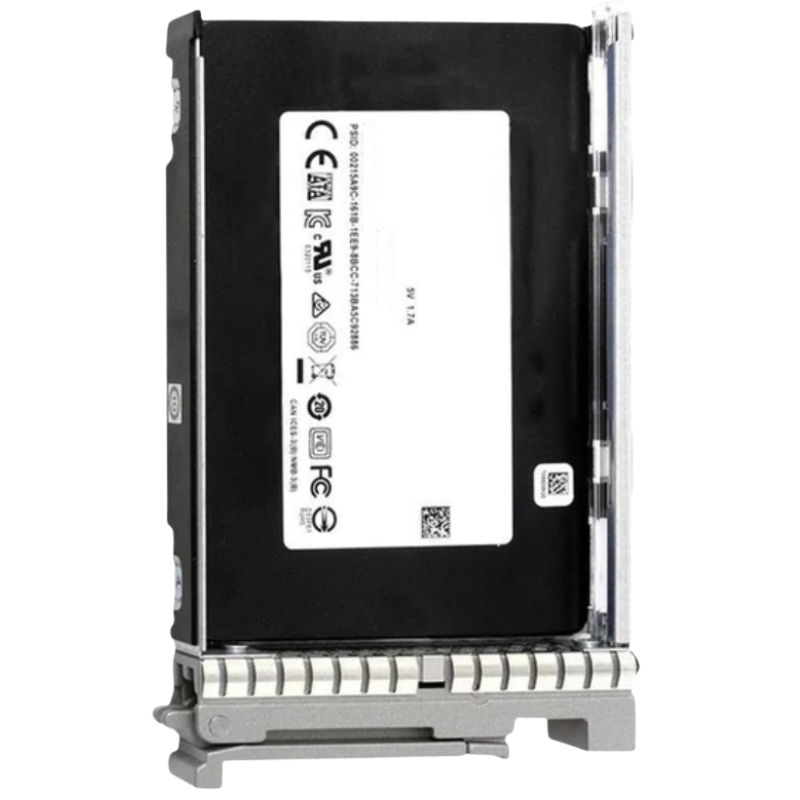


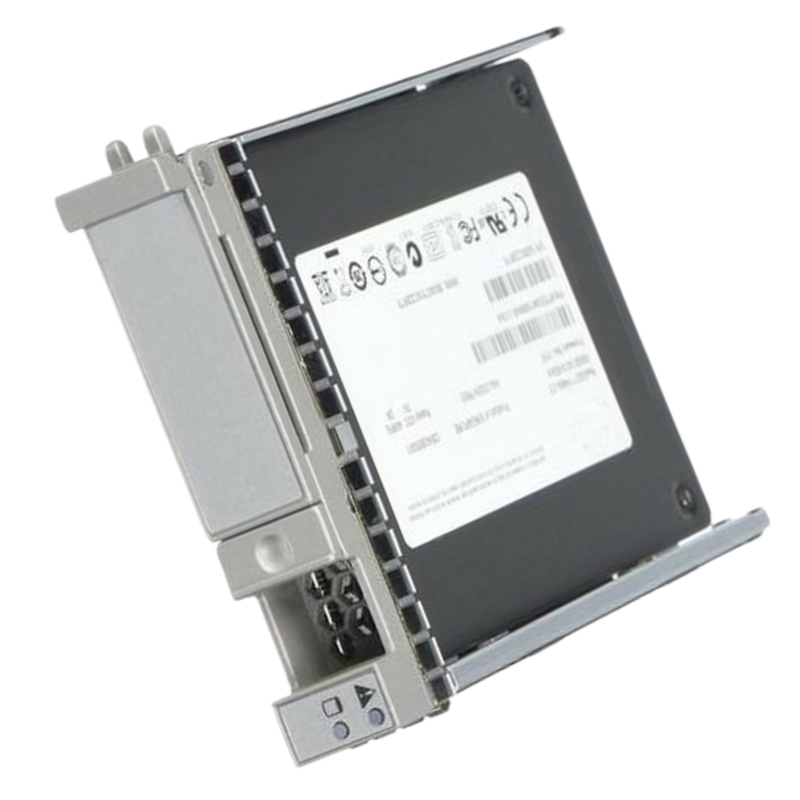
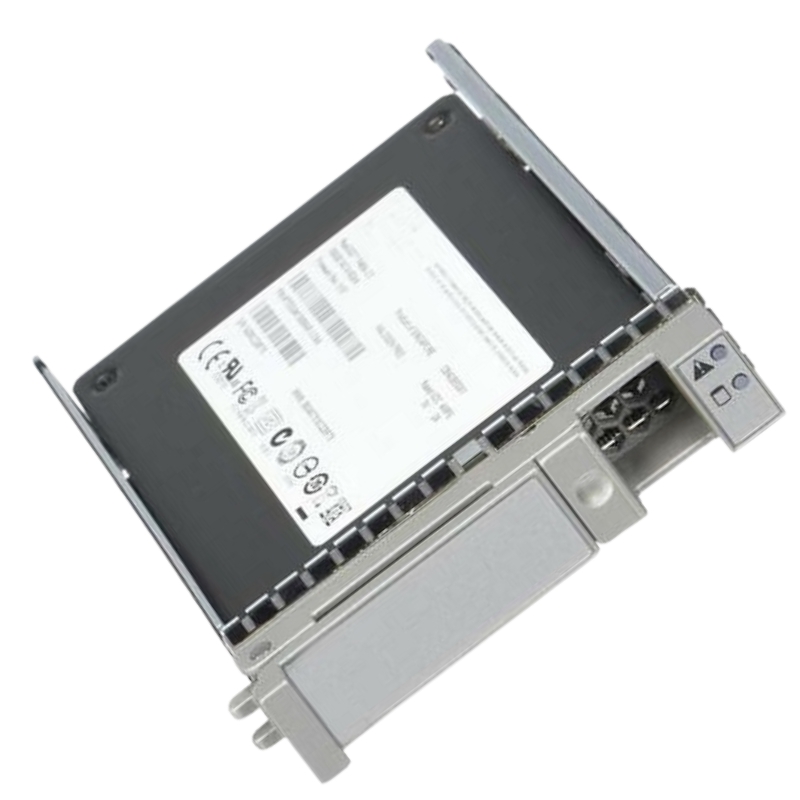
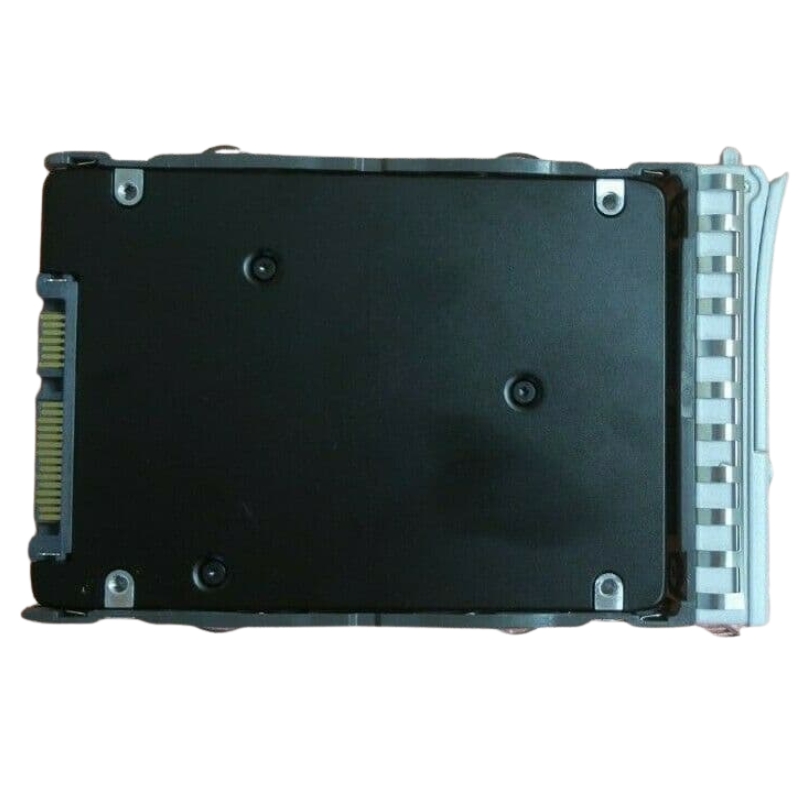
Cisco UCS-SD19TM1X-EV= 1.9TB SATA 6Gbps SSD TLC. Excellent Refurbished with 1 year replacement warranty
Discover the Cisco UCS-SD19TM1X-EV=, a high-performance 1.9TB Solid State Drive (SSD) designed for enterprise-level applications. This hot-swappable 2.5-inch SSD delivers reliable storage and efficient data transfer for your servers.
This SSD is fully compatible with a wide range of Cisco UCS servers, including:
The Cisco UCS-SD19TM1X-EV= represents a high-performance storage solution engineered specifically for Cisco's Unified Computing System (UCS) platform. This 1.9TB SATA 6Gbps Solid State Drive in the Small Form Factor (SFF) form factor delivers exceptional storage performance, reliability, and efficiency for enterprise data centers and cloud environments.
This enterprise-class SSD is designed to meet the rigorous demands of modern data centers, offering substantial storage capacity with the speed advantages of solid-state technology. The drive features a SATA 6Gbps interface, providing optimal performance for a wide range of applications while maintaining compatibility with existing SATA infrastructure.
The 1.9TB capacity strikes an ideal balance between storage density and performance, making it suitable for various applications from database hosting to virtualization. The SFF (2.5-inch) form factor allows for high-density storage configurations within Cisco UCS servers, maximizing rack space utilization.
With its SATA 6Gbps interface, this SSD delivers significantly improved data transfer rates compared to traditional hard disk drives and earlier SATA revisions. The interface ensures backward compatibility with previous SATA generations while providing enhanced performance for read-intensive and mixed workload applications.
The drive is engineered to deliver consistent performance with low latency, making it ideal for applications requiring rapid data access. While specific performance metrics vary based on workload and system configuration, enterprise SATA SSDs typically offer substantial improvements in IOPS (Input/Output Operations Per Second) compared to mechanical drives.
Enterprise SSDs like the UCS-SD19TM1X-EV= are built with enhanced endurance characteristics, featuring advanced wear-leveling algorithms and over-provisioning to extend the drive's operational lifespan. These technologies ensure consistent performance throughout the drive's lifecycle, even under continuous heavy workloads.
The hot-swap functionality of this drive is a critical feature for enterprise environments requiring maximum uptime. This capability allows administrators to replace drives without powering down the entire system, minimizing service interruptions and maintaining business continuity.
The drive is designed with enterprise hot-swap specifications, including appropriate electrical sequencing and mechanical design to ensure safe insertion and removal while the system remains operational. This feature is particularly valuable in high-availability environments where scheduled maintenance windows are limited.
The inclusion of a specifically designed tray ensures proper fitment within Cisco UCS server bays. The tray facilitates correct alignment during insertion, provides necessary mounting points, and often includes visual indicators such as LED status lights to assist with drive identification and troubleshooting.
The dedicated tray includes secure mounting mechanisms, proper grounding paths, and often tool-less design elements that simplify installation and maintenance procedures. The tray is engineered to maintain optimal airflow around the drive, contributing to thermal management within the server chassis.
The Cisco UCS-SD19TM1X-EV= incorporates sophisticated engineering to deliver enterprise-grade storage performance and reliability. Understanding its technical architecture provides insight into its capabilities and appropriate deployment scenarios.
This SSD utilizes high-quality NAND flash memory, optimized for enterprise workloads. The specific type of NAND technology employed (such as MLC, TLC, or 3D NAND) impacts the drive's performance, endurance, and cost-effectiveness, with enterprise drives typically featuring more durable variants capable of withstanding extensive write cycles.
The drive incorporates an advanced controller that manages data distribution, error correction, wear leveling, and garbage collection. Enterprise SSD controllers typically include more powerful processors and larger DRAM caches compared to consumer-grade alternatives, enabling superior performance consistency and reliability under heavy workloads.
Enterprise SSDs implement robust error correction codes (ECC) to detect and correct data errors that may occur during read/write operations. These advanced ECC algorithms are essential for maintaining data integrity, particularly as NAND flash cells become more dense and susceptible to bit errors.
Many enterprise SSDs, including those designed for data center use, incorporate power-loss protection mechanisms. These typically include capacitors that provide temporary power to complete in-progress write operations in the event of unexpected power failure, preventing data corruption and ensuring write consistency.
Enterprise SSDs generate heat during operation, and excessive temperatures can impact performance and reliability. The UCS-SD19TM1X-EV= is designed with thermal considerations, potentially including thermal throttling mechanisms that adjust performance to maintain safe operating temperatures during sustained heavy workloads.
The drive includes temperature sensors that allow the system to monitor operational conditions. Cisco UCS management tools can leverage this information to provide alerts or automatically adjust cooling strategies to maintain optimal operating temperatures.
The UCS-SD19TM1X-EV= is specifically engineered for seamless integration with Cisco's Unified Computing System, leveraging the architectural advantages of this converged infrastructure platform.
Cisco UCS Manager provides unified management for all components within a UCS domain, including storage devices. The UCS-SD19TM1X-EV= is fully recognized and manageable through UCS Manager, allowing administrators to monitor health, performance, and firmware levels alongside other system components.
UCS Manager automatically inventories the drive upon installation, capturing detailed information such as serial number, firmware version, and health statistics. This centralized visibility simplifies asset management and proactive maintenance.
Within UCS, storage policies can be defined and applied consistently across servers. These policies can include configurations for drive encryption, performance thresholds, and failure responses, ensuring consistent operation according to organizational standards.
A key advantage of Cisco UCS is its service profile architecture, which deculates hardware configuration from physical servers. Storage configurations, including drive settings and RAID configurations, can be defined within service profiles and applied to any server in the UCS domain.
The service profile approach enables rapid provisioning and reprovisioning of servers. When a service profile with predefined storage configuration is applied to a server containing the UCS-SD19TM1X-EV=, the storage is automatically configured according to the profile specifications, significantly reducing deployment time.
By externalizing storage configuration to service profiles, UCS enables stateless computing where server identity and configuration become mobile. This approach simplifies maintenance, as failed servers can be quickly replaced by applying the same service profile to replacement hardware.
Understanding the performance profile of the UCS-SD19TM1X-EV= helps in properly aligning this storage solution with appropriate workloads and applications.
Like most SSDs, the UCS-SD19TM1X-EV= typically delivers higher performance for read operations compared to write operations. The specific balance depends on the NAND technology and controller design, with enterprise drives generally offering more consistent write performance than consumer-grade alternatives.
Enterprise SSDs are engineered to maintain consistent performance under sustained workloads, unlike consumer drives that may experience significant performance degradation during extended write operations. This characteristic is crucial for database applications, virtualization, and other enterprise workloads with continuous I/O demands.
SSD performance typically improves as queue depth (the number of outstanding I/O requests) increases, up to a point. The UCS-SD19TM1X-EV= is optimized for the queue depths commonly encountered in enterprise environments, delivering optimal performance under multi-user and multi-application workloads.
The 1.9TB capacity and SATA interface make this drive suitable for a range of enterprise applications, though understanding its strengths helps optimize deployment.
With its high read performance, the UCS-SD19TM1X-EV= excels in read-intensive applications such as web serving, content delivery, and database query processing. The fast access times significantly improve application responsiveness compared to traditional hard drives.
The drive provides balanced performance for mixed read/write environments typical of general-purpose server applications, virtualization hosts, and collaboration platforms. While not specifically optimized for write-intensive workloads, it delivers substantial improvements over HDDs for most mixed-use scenarios.
In virtualized environments, the drive can host multiple virtual machines, with the high IOPS capability reducing I/O contention and improving overall virtual machine performance. The capacity allows for consolidation of numerous virtual machines while maintaining responsive performance.
For database applications, the low latency of the SSD significantly reduces query response times. The 1.9TB capacity provides ample space for database files, indexes, and transaction logs for many mid-range database implementations.
Understanding how the UCS-SD19TM1X-EV= compares to other storage options helps in making informed technology selection decisions.
Compared to traditional hard disk drives, the UCS-SD19TM1X-EV= offers significantly higher performance, particularly for random I/O operations, lower latency, better power efficiency, and greater resistance to physical shock and vibration.
SSDs typically deliver 50-100 times more IOPS for random read operations compared to enterprise HDDs, with even greater advantages for random write operations. This performance differential translates to substantially improved application responsiveness.
SSDs generally consume less power than HDDs, particularly during active operation, contributing to reduced energy costs and heat generation within the server enclosure. The reduced heat output can also lower cooling requirements in the data center.
The SATA interface provides a cost-effective storage solution with good performance characteristics, positioned between traditional SAS HDDs and high-performance NVMe storage in both performance and cost.
While SAS interfaces typically offer slightly higher performance and enhanced error recovery capabilities, SATA SSDs provide excellent price-to-performance ratio for many applications. The choice depends on specific performance requirements and budget constraints.
NVMe drives connected via PCIe offer significantly higher performance than SATA SSDs, with substantially lower latency and higher throughput. However, NVMe solutions come at a premium price point, making SATA SSDs an attractive option for applications that don't require extreme performance.
The UCS-SD19TM1X-EV= is suitable for various deployment scenarios across different industries and application types.
The drive provides excellent performance for general business applications including file serving, email systems, and collaboration platforms. The combination of capacity and performance supports consolidation of multiple application workloads on fewer servers.
In VDI environments, the high IOPS capability of the UCS-SD19TM1X-EV= supports numerous simultaneous users with responsive performance. The drive can host operating system images, applications, and user data while handling the boot storms and login storms characteristic of VDI implementations.
For database applications, the low latency of the SSD significantly improves query response times and transaction processing. The 1.9TB capacity accommodates substantial databases while providing performance headroom for growth.
As storage for virtualization hosts, the drive supports multiple virtual machines with varying I/O requirements. The performance characteristics reduce I/O contention between virtual machines, improving overall host efficiency and virtual machine performance.
The UCS-SD19TM1X-EV= is designed for specific compatibility with Cisco UCS systems, with requirements that ensure proper operation and support.
The drive is compatible with various Cisco UCS server models that support SFF SATA drives, including specific generations of UCS B-Series Blade Servers and C-Series Rack Servers. Compatibility details are available through Cisco's official documentation and compatibility matrices.
Proper operation typically requires minimum firmware levels for UCS infrastructure components, including UCS Manager, server firmware, and storage controller firmware. These requirements ensure full functionality and compatibility with management features.
Some advanced features within Cisco UCS may require specific licenses for full functionality. Administrators should verify licensing requirements for intended use cases and management capabilities.


 Contact Us
 Information
 Catalog
 Solid State Drives (SSD)
 Network Switches
 Hard Disk Drives
 HBA & Controllers
 PC & Servers
 PC & Server Memory
 CPU & Processors
 Network Routers
 Power Supplies
 Tape Drives & Libraries
 Network Devices
 Computer & Network Cables