(7% discount is applied at checkout)
Cart is empty
Your go-to destination for cutting-edge server products
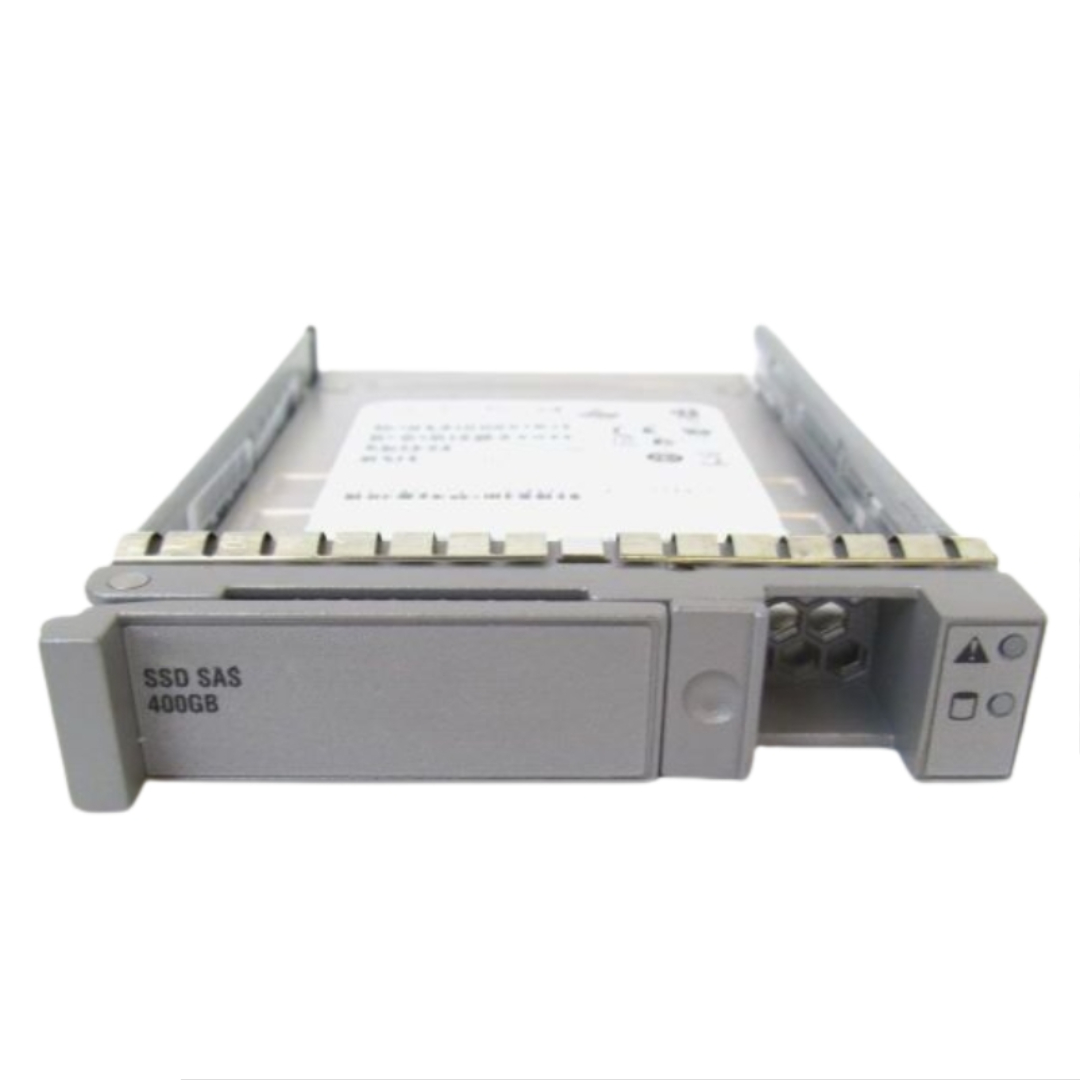


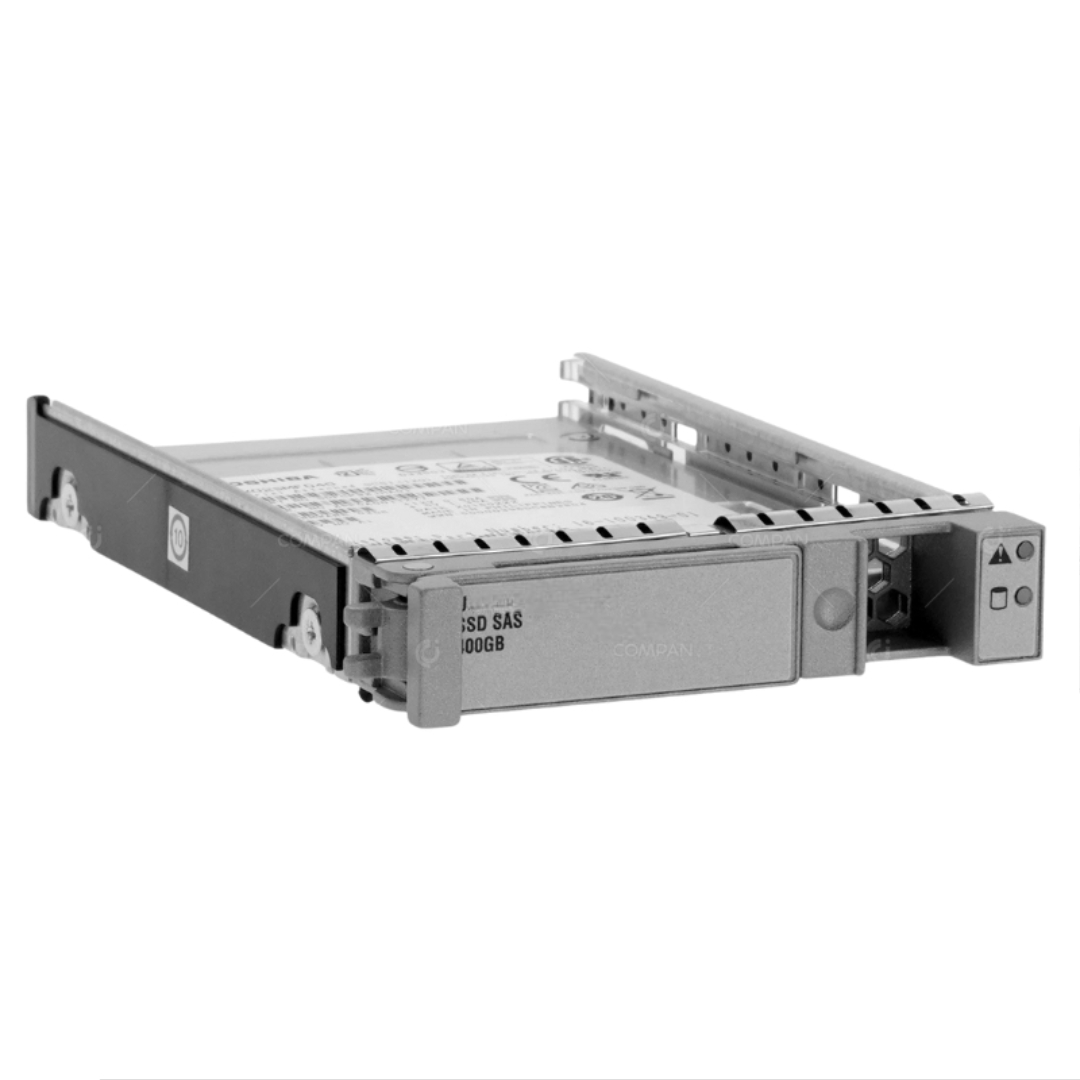
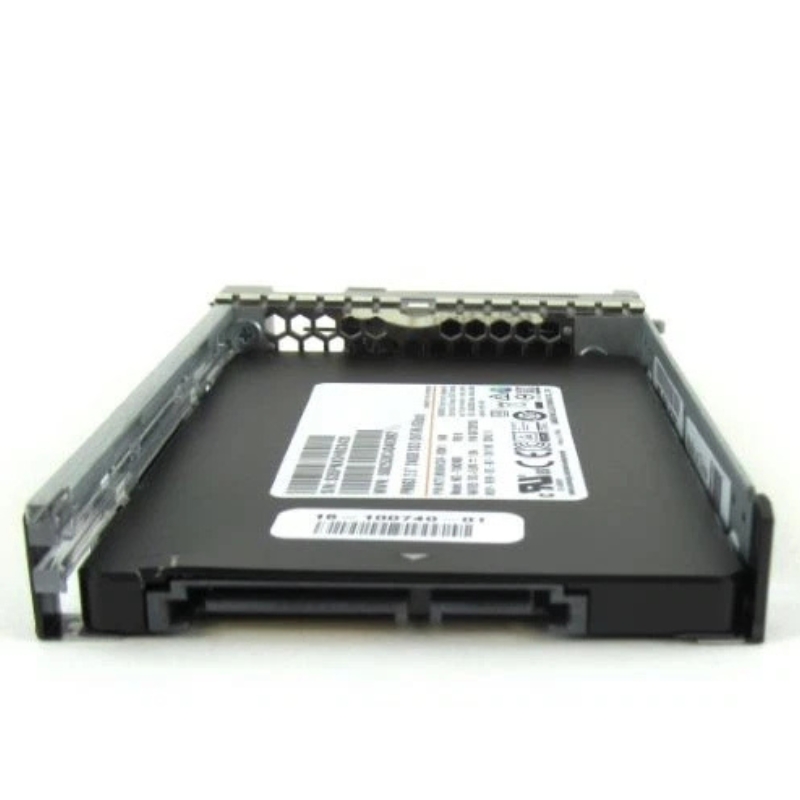
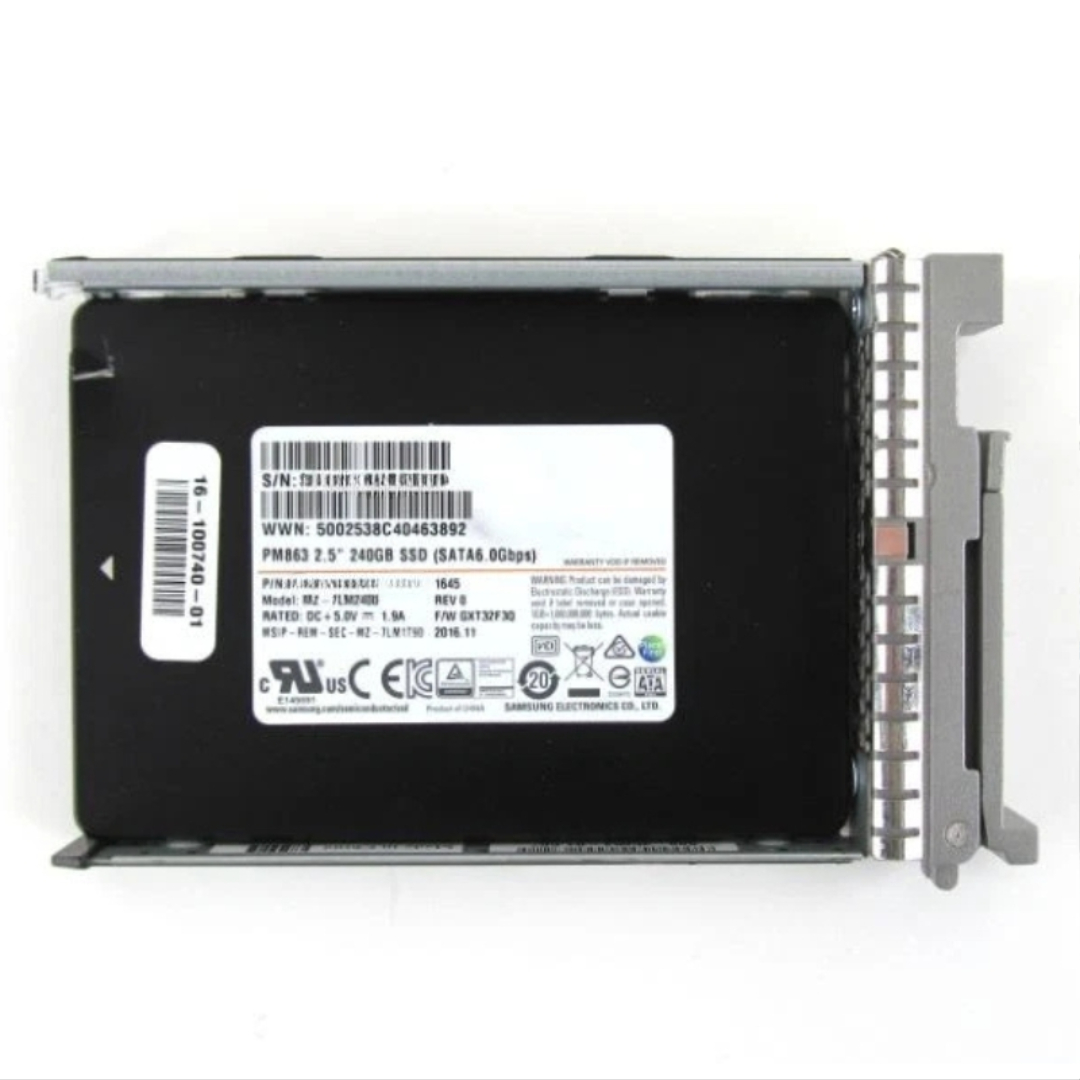
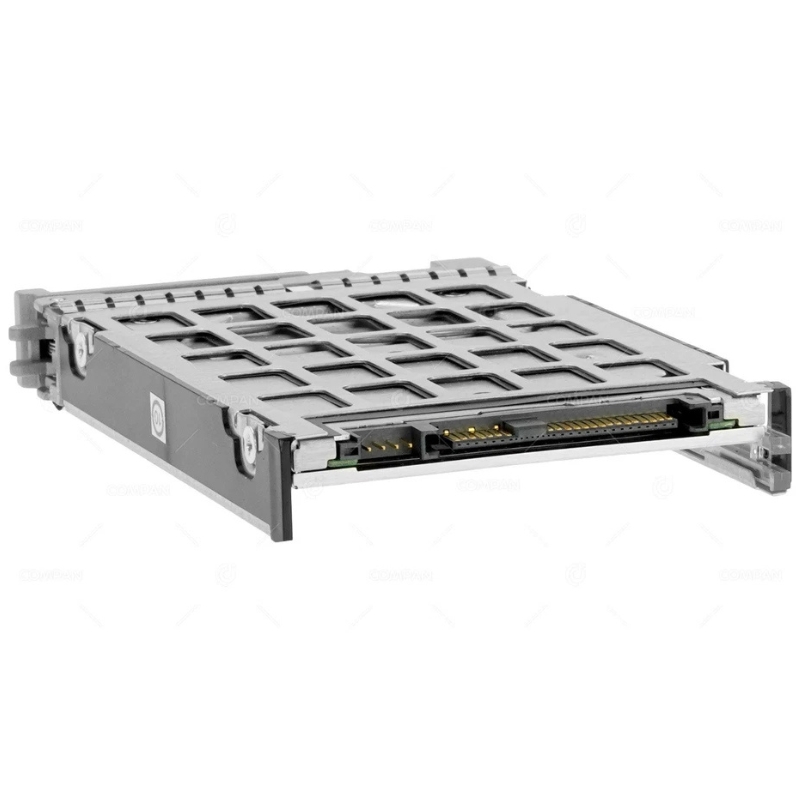
Cisco UCS-SD400G123X-EP 400GB SSD SAS 12GBPS SFF Enterprise Hot Swap. Excellent Refurbished with 1 year replacement warranty
The Cisco UCS-SD400G123X-EP is a high-performance enterprise SSD (solid-state drive) with 400 GB capacity and a 2.5-inch small form factor. Engineered for datacenter and server platforms, this hot-swap / hot-pluggable flash drive delivers reliable, low-latency storage using a 12 Gb/s Serial Attached SCSI (SAS) interface — ideal for virtualization, databases, and mission-critical workloads.
This SAS SSD is compatible with enterprise servers and storage enclosures that support 12 Gbps SAS in a 2.5-inch bay. It integrates seamlessly with Cisco UCS platforms and many leading server vendors’ blade and rack systems.
The Cisco UCS-SD400G123X-EP represents the pinnacle of enterprise storage technology, specifically engineered for mission-critical workloads in unified computing environments. Unlike consumer-grade SSDs, these drives are built with enterprise durability, consistent performance under sustained workloads, and advanced data protection features that ensure business continuity even in the most demanding data center scenarios.
Featuring a Serial Attached SCSI (SAS) 12Gbps interface, these drives deliver significantly higher throughput compared to SATA-based alternatives. The dual-port capability of SAS technology provides redundant pathways to the storage device, ensuring continuous data availability even during controller failures or maintenance operations. This makes them ideal for high-availability environments where downtime is not an option.
These enterprise SSDs are specifically validated for use across the entire Cisco Unified Computing System portfolio, including UCS B-Series Blade Servers, C-Series Rack Servers, and S-Series Storage Servers. This comprehensive compatibility ensures consistent performance and management regardless of your infrastructure deployment model.
The UCS-SD400G123X-EP utilizes the 2.5-inch Small Form Factor (SFF) design, optimized for high-density storage deployments. This industry-standard form factor allows for maximum storage density in constrained rack space while maintaining optimal thermal characteristics for sustained performance.
With 400GB of usable capacity, this SSD is engineered for write-intensive workloads. The enterprise-class NAND flash provides exceptional endurance with significantly higher program/erase (P/E) cycles compared to consumer-grade alternatives. The drive maintains consistent performance throughout its lifespan without the performance degradation commonly associated with consumer SSDs.
The SAS 12Gbps interface supports full duplex operations, enabling simultaneous read and write operations at maximum theoretical speeds. Backward compatibility with 6Gbps and 3Gbps SAS infrastructures ensures seamless integration into existing environments while providing a clear upgrade path for future performance requirements.
Designed for 24/7 operation in data center environments, these drives operate within industry-standard temperature and humidity ranges. Advanced power management features optimize energy consumption without compromising performance, contributing to lower total cost of ownership and improved power efficiency in large-scale deployments.
Enterprise workloads demand consistent performance under varying load conditions. The UCS-SD400G123X-EP delivers predictable low latency and high IOPS regardless of workload intensity. Advanced wear-leveling algorithms and garbage collection mechanisms operate transparently without impacting host-visible performance.
These drives provide exceptional QoS with consistent response times critical for performance-sensitive applications. The sophisticated internal architecture ensures that background maintenance operations never interfere with foreground I/O operations, maintaining application performance service level agreements.
Optimized for both read-intensive and write-intensive workloads, these SSDs demonstrate exceptional performance across diverse application patterns. The balanced read/write performance makes them suitable for mixed-use scenarios common in virtualized environments and consolidated infrastructure deployments.
Advanced multi-level caching mechanisms, including DRAM cache and sophisticated NAND flash management, ensure optimal data placement for frequently accessed information. This hierarchical caching approach maximizes performance while maintaining data integrity and persistence guarantees.
The UCS-SD400G123X-EP incorporates sophisticated error correction codes (ECC) that far exceed consumer-grade solutions. Multi-level ECC protection detects and corrects errors at both the page and block levels, ensuring data integrity even as NAND flash cells approach their endurance limits.
Enterprise-grade power-loss protection circuits ensure data persistence during unexpected power interruptions. On-board capacitors provide sufficient energy to complete in-progress writes and commit data from volatile caches to non-volatile storage, preventing data corruption and maintaining transactional consistency.
Comprehensive data protection spans from the host interface through the entire data path to the NAND flash media. Protection information is maintained and verified at each stage, ensuring that data integrity is preserved throughout the storage stack.
In virtualized environments, these SSDs provide the consistent low-latency performance required for dense virtual machine deployments. The high IOPS capability supports consolidation of multiple workloads while maintaining performance isolation and quality of service for individual applications.
For database workloads, including OLTP systems and data warehouses, the UCS-SD400G123X-EP delivers the random I/O performance necessary for rapid transaction processing and query execution. The consistent low latency reduces database response times and improves application performance.
In financial services and high-frequency trading environments, where microseconds matter, these SSDs provide the deterministic performance required for time-sensitive operations. The predictable latency profile ensures consistent application behavior under varying market conditions.
For big data and analytics workloads, the combination of high throughput and excellent random I/O performance accelerates data processing and analysis. The drives efficiently handle both the large sequential I/O of data ingestion and the random I/O patterns of query processing.
While SATA SSDs offer cost advantages, SAS technology provides superior performance, reliability, and features for enterprise applications. The dual-port capability, higher queue depths, and more robust error recovery make SAS the preferred choice for mission-critical workloads.
While NVMe offers higher theoretical performance, SAS remains highly relevant for many enterprise workloads. The mature ecosystem, robust management capabilities, and proven reliability make SAS an excellent choice for applications that don't require extreme performance but demand enterprise-grade features and availability.
In environments with mixed workload characteristics, SAS SSDs provide balanced performance for both read and write operations. This balanced performance profile makes them suitable for consolidated infrastructure where multiple applications with different I/O patterns share the same storage resources.
The SAS interface continues to evolve, with future generations promising increased bandwidth and enhanced features. The investment in SAS infrastructure protects organizations as they transition to higher-performance storage technologies while maintaining compatibility with existing investments.
While new storage technologies like NVMe and computational storage gain traction, SAS remains a cornerstone of enterprise storage infrastructure. The proven reliability, robust feature set, and extensive ecosystem ensure continued relevance for the foreseeable future.
As organizations adopt hybrid cloud strategies, consistent storage technology across on-premises and cloud environments becomes increasingly important. The enterprise characteristics of Cisco UCS SAS SSDs provide a foundation for hybrid storage architectures with consistent performance and management.
Future storage developments will increasingly focus on energy efficiency and sustainability. The power-efficient design of these SSDs contributes to reduced data center power consumption and cooling requirements, aligning with broader environmental sustainability initiatives.


 Contact Us
 Information
 Catalog
 Solid State Drives (SSD)
 Network Switches
 Hard Disk Drives
 HBA & Controllers
 PC & Servers
 PC & Server Memory
 CPU & Processors
 Network Routers
 Power Supplies
 Tape Drives & Libraries
 Network Devices
 Computer & Network Cables