(7% discount is applied at checkout)
Cart is empty
Your go-to destination for cutting-edge server products
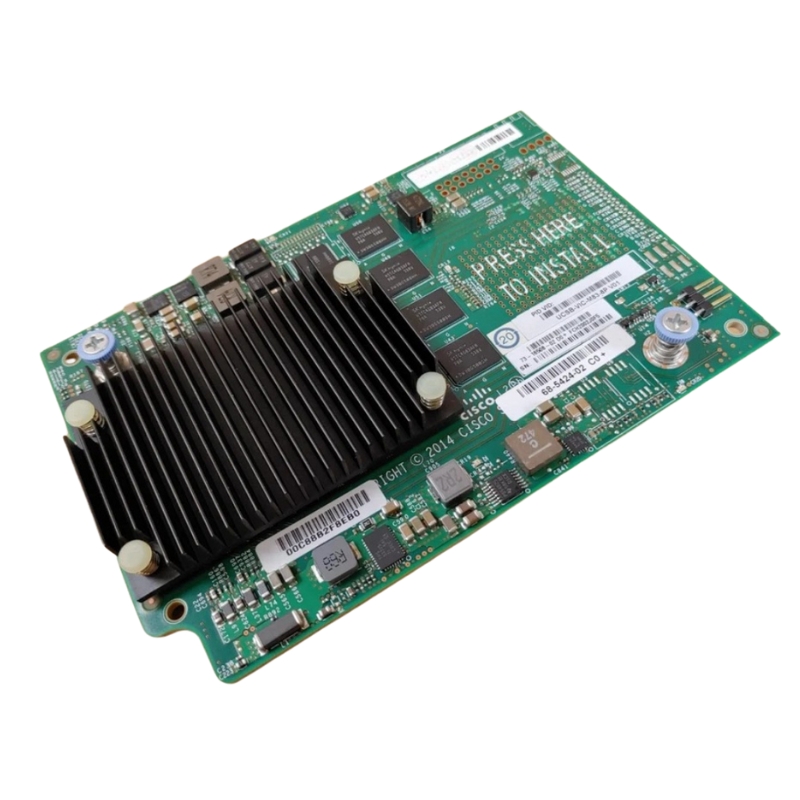


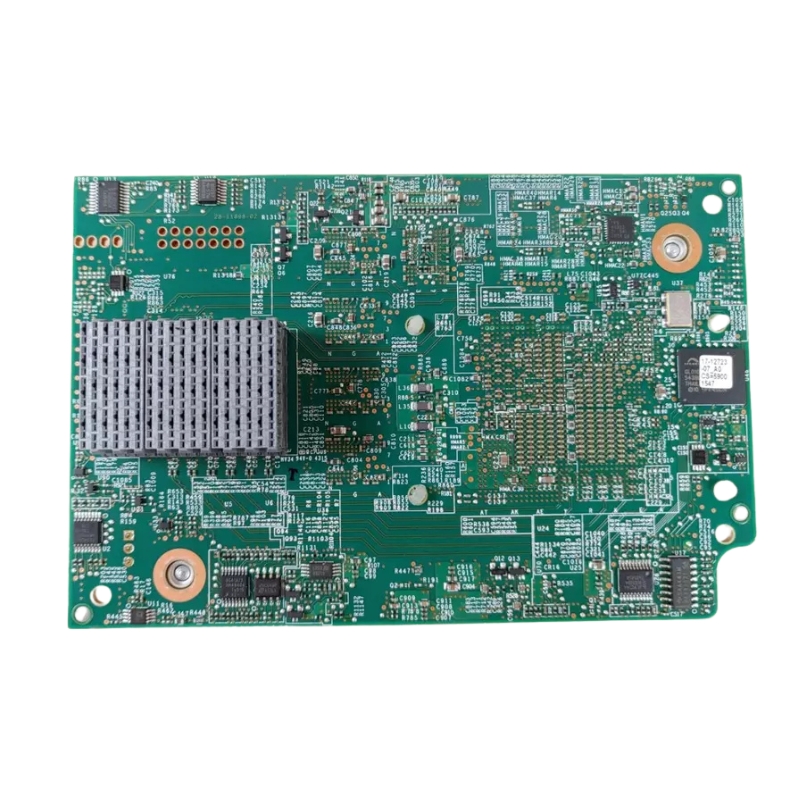
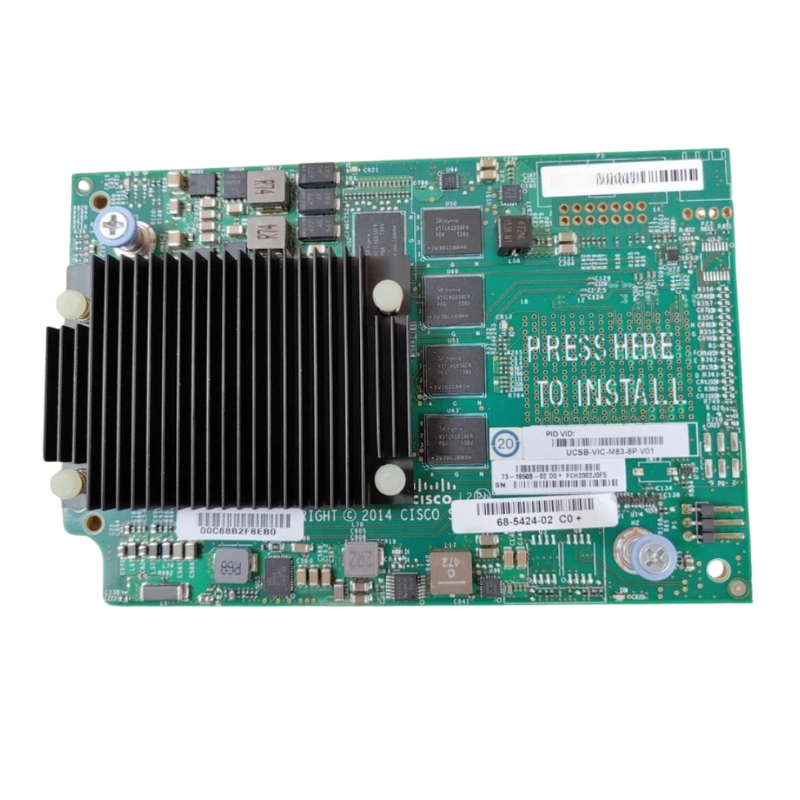
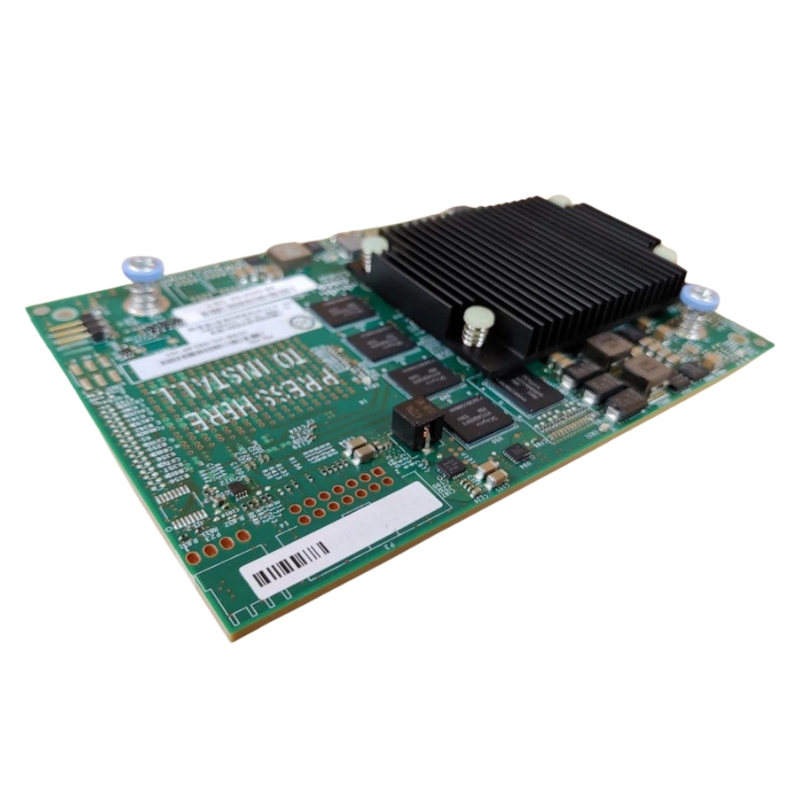
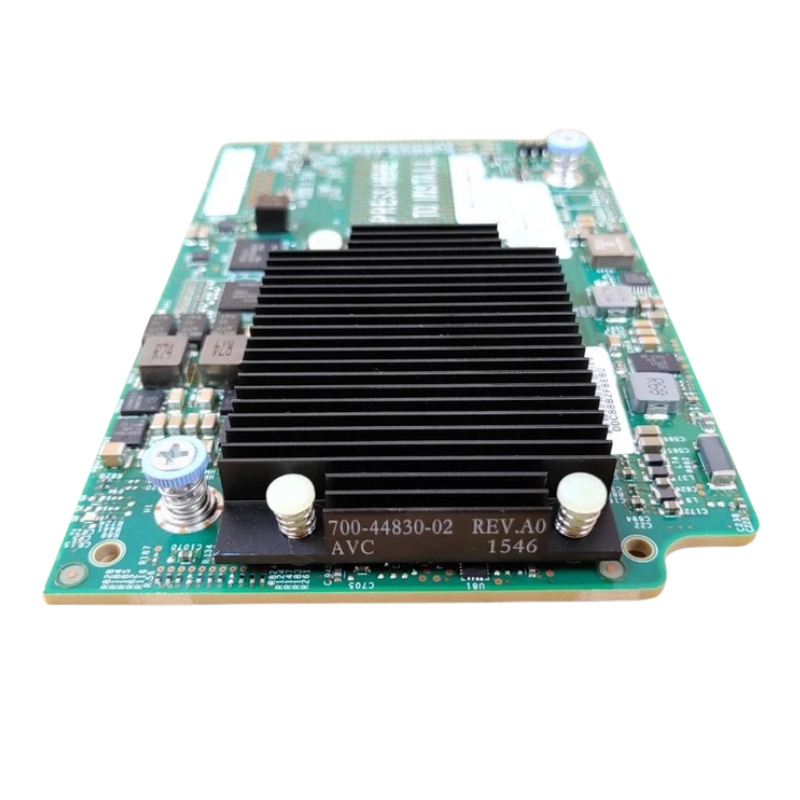
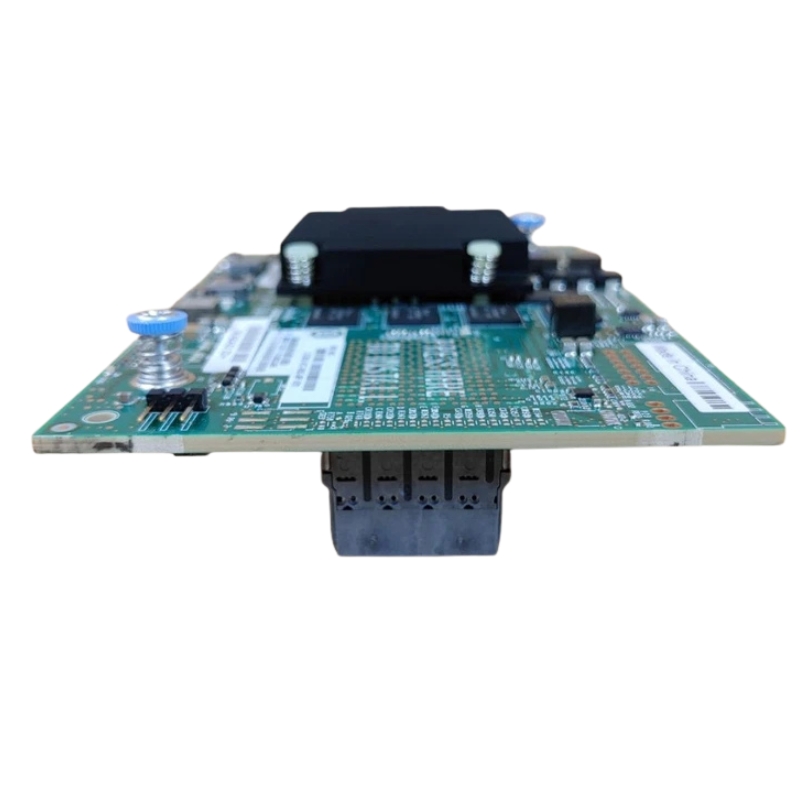
Cisco UCSB-VIC-M83-8P UCS Virtual Interface Card 1380 10 Gigabit Adapter. Excellent Refurbished with 1 year replacement warranty
The Cisco UCSB-VIC-M83-8P UCS Virtual Interface Card 1380 is a high-performance network adapter engineered for enterprise-grade data centers requiring scalable, low-latency, and flexible connectivity solutions. this Virtual Interface Card (VIC) delivers advanced virtualization capabilities and optimized 10 Gigabit Ethernet performance for Unified Computing System (UCS) environments.
This adapter is built to support modern cloud infrastructures, virtualization platforms, and high-density server deployments where bandwidth efficiency and interface consolidation are critical.
The Cisco UCSB-VIC-M83-8P UCS Virtual Interface Card 1380 10 Gigabit Adapter represents a highly specialized networking component engineered for modern data center virtualization, unified computing systems, and enterprise-class workload optimization. As part of the advanced portfolio from this Virtual Interface Card (VIC) is designed to deliver flexible I/O consolidation, high throughput, and scalable network interface provisioning within Cisco Unified Computing System (UCS) environments. Its architecture supports demanding enterprise workloads, cloud computing infrastructures, and high-density virtual machine deployments where predictable low-latency networking is essential.
Built for UCS blade server environments, the UCSB-VIC-M83-8P provides a balance between hardware efficiency and software-defined flexibility. It enables administrators to dynamically define multiple virtual network interfaces on a single physical adapter, reducing hardware sprawl while increasing operational agility. This design is particularly beneficial for organizations deploying virtualization platforms such as VMware, Hyper-V, and KVM where network interface density and adaptability are critical performance factors.
The Cisco UCS Virtual Interface Card 1380 series integrates tightly into Cisco UCS blade chassis systems, enabling seamless communication between compute, network, and storage layers. This integration eliminates traditional silos between networking and server hardware, allowing for a unified fabric approach that simplifies management and enhances scalability. The UCSB-VIC-M83-8P adapter is engineered to operate within this converged architecture, ensuring consistent performance across virtualized workloads.
Converged networking is a key design principle in modern data centers, and the UCSB-VIC-M83-8P supports this through advanced virtualization of Ethernet interfaces. It allows multiple virtual NICs (vNICs) to be assigned dynamically to virtual machines, service profiles, and application workloads. This eliminates the need for multiple physical adapters while maintaining dedicated bandwidth allocation per virtual interface, improving overall efficiency and reducing latency overhead.
The 10 Gigabit Ethernet capability of the Cisco UCSB-VIC-M83-8P ensures that enterprise environments can handle intensive data transfer requirements without bottlenecks. Whether deployed in database clusters, virtualization farms, or high-performance computing environments, the adapter provides consistent bandwidth for east-west and north-south traffic flows within the data center. This ensures efficient handling of large-scale transactions, real-time analytics, and distributed application workloads.
Latency reduction is a core design objective of the UCS VIC architecture. The Cisco UCSB-VIC-M83-8P minimizes packet processing overhead by leveraging hardware-level offloading techniques. This results in improved application responsiveness and reduced CPU utilization on host servers, allowing more computational resources to be allocated to virtual machines and applications rather than network processing tasks.
One of the defining features of the Cisco UCS Virtual Interface Card 1380 series is its ability to dynamically create and manage virtual network interfaces. The UCSB-VIC-M83-8P allows administrators to assign multiple vNICs to a single physical adapter, each with its own bandwidth allocation, quality of service policies, and traffic isolation rules. This level of flexibility is essential for multi-tenant environments and cloud-based infrastructures where workload separation is critical.
In stateless computing architectures, server identity and configuration are abstracted from the physical hardware. The UCSB-VIC-M83-8P supports this model through integration with UCS service profiles, enabling rapid provisioning, migration, and recovery of server instances. This enhances business continuity and reduces downtime during maintenance or infrastructure scaling operations.
The Cisco UCSB-VIC-M83-8P is widely used in cloud data centers where virtualization density and network efficiency are paramount. Its ability to support multiple virtual interfaces makes it ideal for environments hosting large numbers of virtual machines per physical server. This allows cloud providers to maximize hardware utilization while maintaining predictable network performance across tenants.
Organizations running mission-critical applications such as ERP systems, CRM platforms, and financial transaction systems benefit from the stability and throughput of the UCS VIC architecture. The adapter ensures that application traffic is properly segmented and prioritized, reducing the risk of network congestion and performance degradation.
In high-performance computing environments, the UCSB-VIC-M83-8P enables fast data exchange between compute nodes, storage systems, and analytics engines. This is particularly important for workloads involving big data processing, machine learning pipelines, and scientific simulations where network efficiency directly impacts processing time.
Designed specifically for Cisco UCS blade servers, the UCSB-VIC-M83-8P features a compact form factor that fits seamlessly into constrained chassis environments. This allows for high-density compute deployments without sacrificing network performance or expandability. The physical design is optimized for airflow, thermal efficiency, and long-term operational stability.
The adapter incorporates advanced network processing silicon capable of handling high packet rates and complex traffic flows. Hardware acceleration ensures that tasks such as checksum offloading, segmentation, and encapsulation are handled efficiently at the adapter level, reducing CPU overhead on host systems.
As enterprises transition toward hybrid cloud and software-defined networking models, the UCSB-VIC-M83-8P provides a scalable foundation that adapts to evolving requirements. Its virtual interface architecture ensures compatibility with future network virtualization technologies and orchestration platforms.
By reducing the need for multiple physical network adapters, the UCS VIC architecture enables infrastructure consolidation. This reduces hardware costs, simplifies cabling, and minimizes power consumption while maintaining high levels of performance and redundancy.
The Cisco UCSB-VIC-M83-8P is managed through Cisco UCS Manager, providing centralized control over network interface configuration, policy enforcement, and provisioning. This unified management approach reduces administrative overhead and ensures consistency across the entire compute environment.
Through integration with UCS service profiles, network configurations can be automatically applied during server provisioning. This eliminates manual configuration errors and ensures that each virtual machine receives the correct network settings, bandwidth allocation, and security policies from the moment it is deployed.
The UCSB-VIC-M83-8P enables precise allocation of network resources to virtual machines. This ensures that critical applications receive guaranteed bandwidth while maintaining isolation between workloads. Such granular control is essential in environments with mixed workload profiles and varying performance requirements.
By offloading network processing tasks from the CPU to the adapter hardware, the UCS VIC significantly reduces system overhead. This allows servers to dedicate more processing power to application logic rather than network packet handling, improving overall system efficiency.
Security is a key consideration in multi-tenant and virtualized environments. The UCSB-VIC-M83-8P supports virtual network segmentation, ensuring that traffic between different virtual interfaces remains isolated. This reduces the risk of data leakage and unauthorized access between workloads.
Administrators can implement policy-based controls to manage traffic flow across virtual interfaces. This includes bandwidth limits, priority settings, and traffic shaping rules that ensure optimal performance for critical applications while preventing network congestion.
By consolidating multiple network interfaces into a single physical adapter, organizations can significantly reduce hardware costs. The UCSB-VIC-M83-8P contributes to lower capital expenditure and operational expenses by simplifying infrastructure design and reducing maintenance complexity.
As enterprises continue to adopt cloud-native architectures and software-defined infrastructure models, the Cisco UCS Virtual Interface Card 1380 series plays a critical role in enabling seamless transition. Its flexibility, scalability, and performance characteristics make it a foundational component in modern digital transformation initiatives.


 Contact Us
 Information
 Catalog
 Solid State Drives (SSD)
 Network Switches
 Hard Disk Drives
 HBA & Controllers
 PC & Servers
 PC & Server Memory
 CPU & Processors
 Network Routers
 Power Supplies
 Tape Drives & Libraries
 Network Devices
 Computer & Network Cables