Cisco UCSX-ML-V5D200G Overview
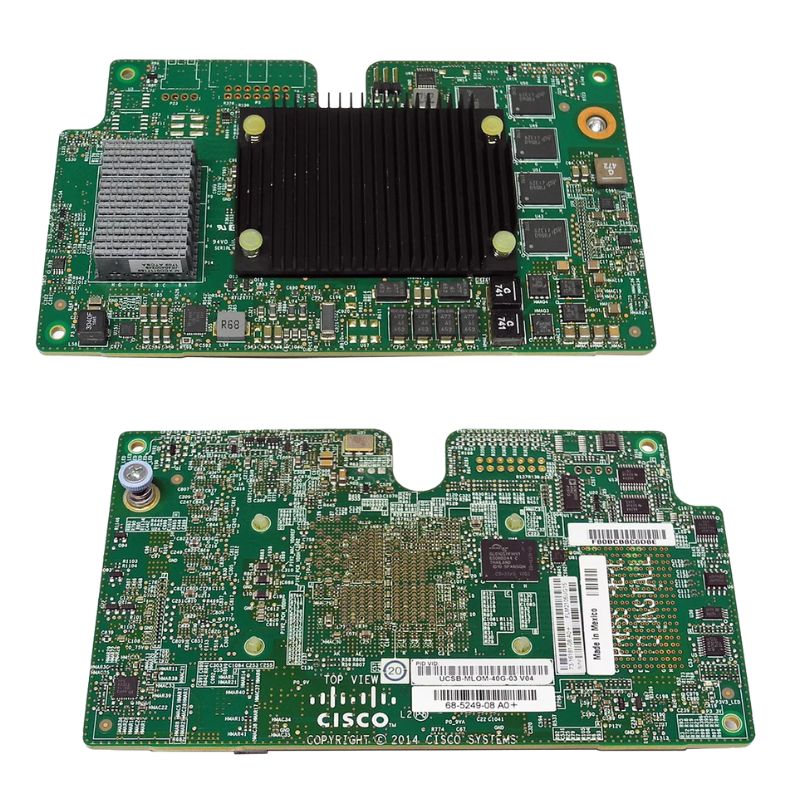
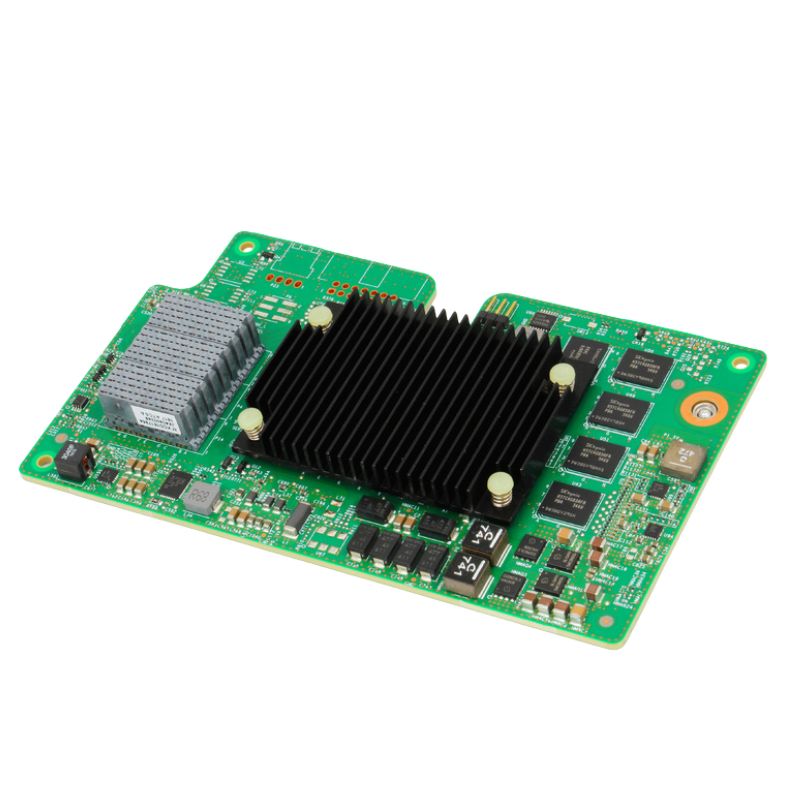
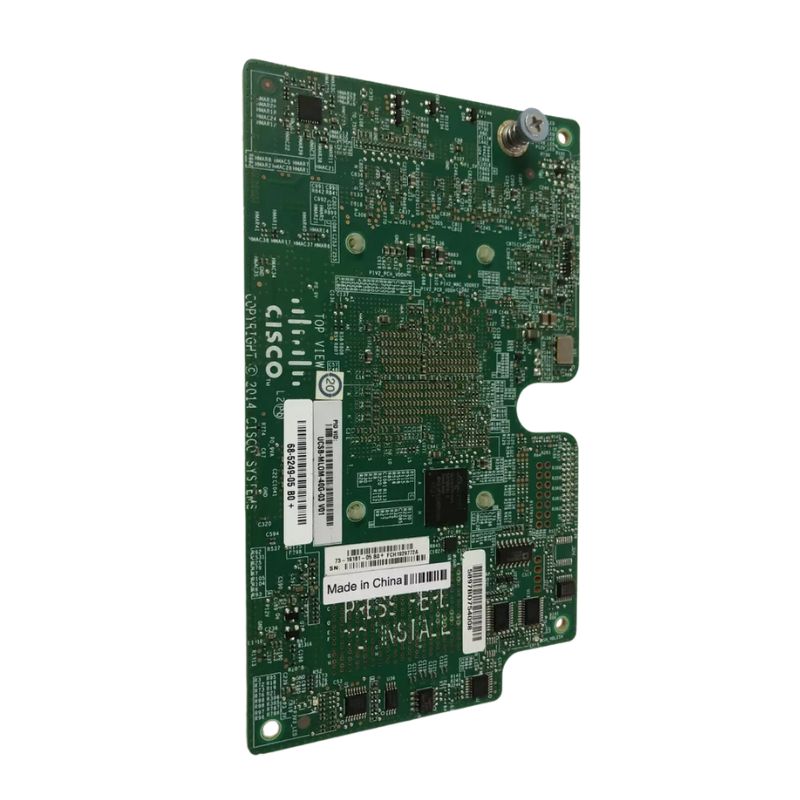
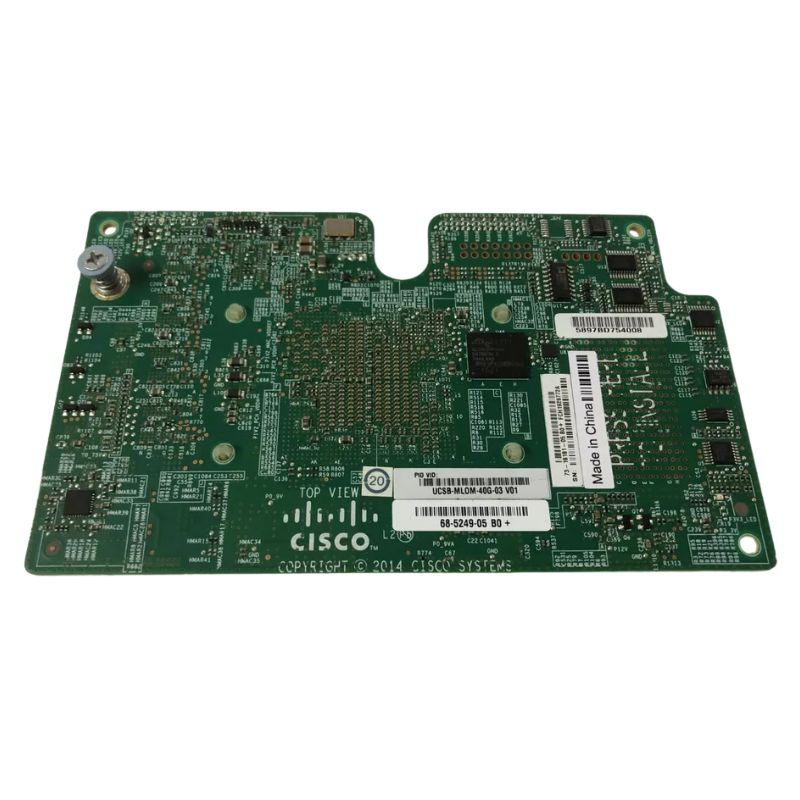
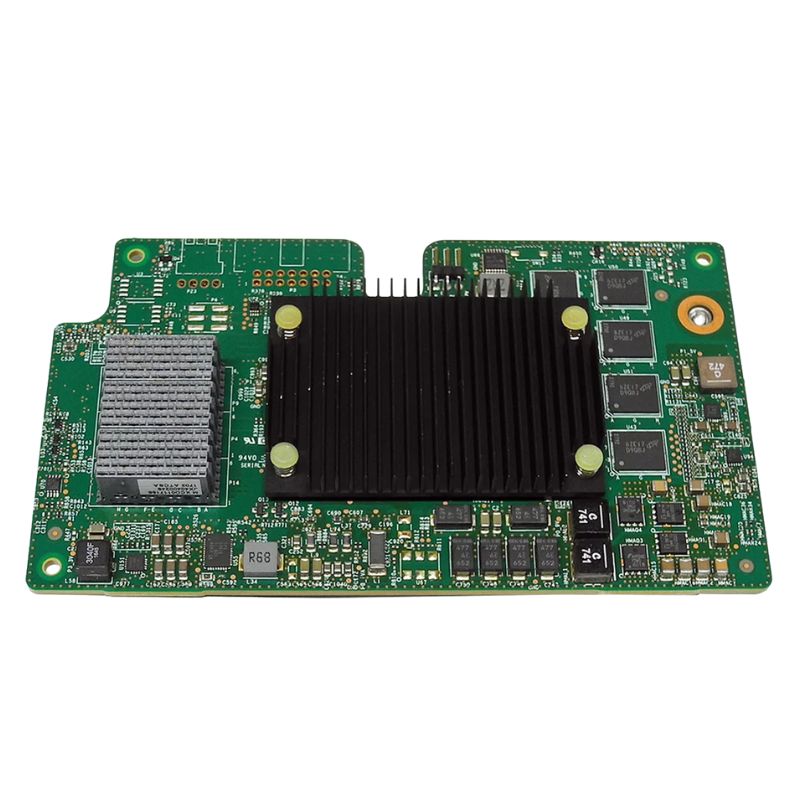
The Cisco UCSX-ML-V5D200G, also known as the UCS VIC 15231, is an advanced 2x100G Modular LAN on Motherboard (MLOM) adapter designed specifically for X-Series Compute Nodes. Engineered by Cisco, this high-performance module delivers unparalleled connectivity and scalability for enterprise-level workloads, ensuring your data center operates at optimal efficiency.
Key Features of Cisco UCSX-ML-V5D200G
- Dual 100G Ports: Provides robust, high-speed connectivity suitable for intensive data traffic and mission-critical applications.
- Optimized for X Compute Nodes: Seamlessly integrates with Cisco X-Series servers for efficient network performance.
- Enhanced Scalability: Supports large-scale virtualization, AI workloads, and cloud infrastructure expansion.
- Low Latency: Ensures rapid data transfer and minimal delay, ideal for demanding compute environments.
- Reliable Cisco Engineering: Manufactured by Cisco, guaranteeing quality, durability, and long-term performance.
Technical Specifications
- Manufacturer: Cisco
- Part Number / SKU: UCSX-ML-V5D200G
- Module Type: 2x100G MLOM Adapter
- Compatibility: X-Series Compute Nodes
- Connectivity: High-speed dual 100Gbps ports
Performance and Efficiency
The Cisco UCS VIC 15231 is engineered for high-throughput environments where performance cannot be compromised. Its dual 100G ports deliver exceptional bandwidth, reducing network congestion and improving application responsiveness. This module is ideal for data centers requiring robust virtualization, AI processing, or large-scale cloud deployments.
Advantages in Data Center Operations
- High Throughput: Supports massive data transfer rates to keep up with modern enterprise demands.
- Seamless Integration: Works natively with Cisco X-Series servers, eliminating compatibility issues.
- Reduced Latency: Optimized design ensures swift data movement across network nodes.
- Scalable Architecture: Enables future expansion without major hardware upgrades.
Ideal Applications for Cisco UCSX-ML-V5D200G
- Enterprise-scale virtualization deployments
- Artificial intelligence and machine learning workloads
- High-performance computing clusters
- Cloud infrastructure and hybrid data centers
- High-speed data transfer and storage networks
Why Choose Cisco UCSX-ML-V5D200G
Choosing the Cisco UCSX-ML-V5D200G ensures you are investing in a module that offers unmatched performance, reliability, and scalability. Designed with enterprise-grade technology, this MLOM adapter enhances server networking capabilities while maintaining energy efficiency and operational simplicity.
Customer Benefits
- Optimized network performance for demanding workloads
- Future-ready infrastructure support
- Reliable Cisco quality for long-term deployment
- Reduced operational complexity and enhanced management
Ordering Information
- Manufacturer: Cisco
- Part Number: UCSX-ML-V5D200G
- Category: Network Adapter / MLOM Module
- Compatible Systems: X-Series Compute Nodes
Cisco UCSX-ML-V5D200G — Overview and positioning
The Cisco UCSX-ML-V5D200G UCS VIC 15231 2x100G MLOM for X Compute Node sits in the data-center acceleration and high-bandwidth network adapter category, targeted at organizations that require ultra-low-latency, high-throughput connectivity for compute-dense server platforms. As a modular network adapter delivered in the MLOM (Modular LAN on Motherboard) form factor, this product is designed specifically to integrate with Cisco X-series compute nodes and UCS chassis environments. The adapter bridges the gap between high-performance compute and modern fabric architectures — offering two 100 Gigabit ports in a compact, factory-integrated package that simplifies cabling, reduces rack space, and streamlines firmware and lifecycle management.
Key attributes that define the category
- MLOM integration: native, factory-integrated NICs for compute node alignment and predictable deployment.
- Dual 100G interfaces: high-bandwidth ports suitable for clustered storage, east-west traffic, and high-throughput compute clusters.
- Data center-focused features: support for enhanced offloads, virtualization, and modern storage networking protocols.
- Management consistency: integrates with UCS management planes and orchestration tools to centralize firmware and configuration.
- Optimized deployment: engineered for Cisco X Compute Nodes to provide validated configurations and vendor-backed interoperability.
Primary technical characteristics
- Bandwidth: two independent 100G interfaces capable of aggregated 200 Gbps raw throughput between node and fabric.
- Form factor: MLOM for direct integration with Cisco X-series compute node family — reduces overall server depth and simplifies cabling.
- Virtualization support: hardware virtualization offloads and support for multiple virtual functions (VFs) to accelerate hypervisor and container networking.
- Offloads and acceleration: TCP/UDP/IP checksum offload, large send/receive offload, and other silicon-level features for CPU efficiency.
- Storage protocols: designed to support converged fabrics — SAN/NVMe-over-Fabric (where supported by the environment) and RDMA-capable transports such as RoCE or iWARP depending on firmware/driver enablement.
Use cases and workloads that benefit most
The UCSX-ML-V5D200G category is purpose-built for high-performance and bandwidth-intensive workloads. Typical uses include:
High-performance computing (HPC) and computational clusters
HPC workloads commonly require large, frequent data exchanges between compute nodes. Dual 100G connectivity delivers the aggregate throughput required for distributed-memory simulations, large parameter sweeps, and tightly coupled MPI workloads. The low-latency characteristics of an integrated VIC help preserve application scaling efficiency at high node counts.
AI/ML training and inference
Modern AI training pipelines move massive datasets between local storage, shared fabrics, and GPU-accelerated nodes. A dual-100G MLOM simplifies fabric design for multi-GPU servers and provides the bandwidth necessary to keep accelerators fed with data. In inference or model-serving environments, the low latency and high throughput reduce response times and allow horizontal scaling of services.
Software-defined storage and NVMe-oF
Storage fabrics based on NVMe over Fabrics (NVMe-oF) or RoCE require consistent, fast interfaces. The VIC 15231’s two 100G ports make it feasible to host multiple storage lanes or aggregate flows for resilient, high-throughput storage access, enabling faster IO and improved QoS for storage-centric workloads.
Virtualized and cloud-native environments
In data centers running hundreds to thousands of VMs and containers, the ability to carve physical network throughput into virtual functions (VFs) is essential. This MLOM class supports SR-IOV and other virtualization optimizations to reduce hypervisor overhead and deliver near-native network performance to virtualized workloads.
Deployment and integration guidance
Proper deployment of the UCSX-ML-V5D200G category requires understanding the compute node family, the UCS fabric interconnects, and the expected traffic patterns. Below are recommended best practices for design and rollout.
Compatibility matrix and validation
- Confirm that the specific X Compute Node variant is on the validated interoperability list for the VIC 15231 MLOM.
- Match firmware versions between VIC, compute node BIOS/firmware, and UCS Fabric Interconnect software to ensure supported features (RDMA, SR-IOV, offloads) operate correctly.
- Work with Cisco release notes and interoperability guides to ensure host OS driver support aligns to targeted features.
Cabling and fabric architecture
Think through the fabric layout early:
- Aggregation vs. direct attach: Connect MLOM ports to top-of-rack or end-of-row switches depending on latency and redundancy requirements.
- Redundancy: Use both 100G ports for active/active or active/passive redundancy to avoid single points of failure.
- Breakout and transceivers: Determine the required transceiver type (e.g., QSFP-DD, QSFP28, or compatible modules) and any breakout cabling if the fabric converts to 10/25/40/50G lanes downstream.
Firmware and lifecycle management
Integrate the VIC firmware lifecycle into UCS orchestration:
- Use UCS Manager or Cisco Intersight to stage and roll out firmware consistently across nodes.
- Test firmware upgrades in a staging environment before broad deployment to reduce production risk.
- Track driver packages and host OS compatibility matrices so offload and acceleration features remain available after updates.
Performance tuning and observability
Once deployed, you should monitor and tune to achieve desired SLAs:
- Enable performance counters for link utilization and packet drops to spot congestion early.
- Adjust RX/TX ring sizes, interrupt moderation, and offload parameters according to workload characteristics.
- Leverage telemetry and flow analytics to observe east-west traffic patterns and optimize micro-segmentation or QoS policies.
Compatibility, drivers, and software ecosystem
Ensuring the VIC functions correctly depends on a coherent software ecosystem. This section outlines what to check and how to plan for driver and OS support.
Host operating systems and hypervisors
Servers in enterprise environments typically run a mix of Linux distributions, Windows Server, and hypervisors like VMware ESXi and KVM. Check vendor guidance for the specific OS and hypervisor versions that offer certified drivers and feature support for the VIC 15231. Common considerations:
- SR-IOV and virtual functions are commonly supported on modern Linux kernels; verify distribution-specific driver packages.
- VMware environments require supported VIBs and configuration steps to enable advanced offload and passthrough features.
- Containerized platforms (Kubernetes) can benefit from delegate CNI plugins that expose SR-IOV or hardware offloads into tenant pods.
Driver and firmware update cadence
Because NIC firmware and drivers affect stability and performance, maintain an update plan:
- Subscribe to Cisco advisories for security and bug fixes.
- Test updates in a staging cluster to confirm no regressions in offloads or virtualization features.
- Document rollback procedures to revert firmware or drivers if production issues arise.
Security considerations for high-speed NICs
High-speed network interfaces, while performance-enhancing, also expand the attack surface and require deliberate security policies to protect data and infrastructure.
Micro-segmentation and tenant isolation
Use software-defined network segmentation, VLANs, or virtual network overlays to isolate tenant and workload traffic. SR-IOV and direct device assignment should be carefully managed so that VM/container isolation is preserved even when bypassing the hypervisor network stack.
Encryption and secure fabrics
When transporting sensitive data across the fabric, consider encryption at transit where supported. If using NVMe-oF or other storage fabrics, ensure that storage encryption and access control are enforced at the endpoints.
Firmware integrity and supply chain
Validate firmware images and track provenance. Use only vendor-signed firmware and follow internal IT change control to prevent unauthorized updates.
Operational benefits and cost considerations
Adopting a high-bandwidth MLOM like the UCSX-ML-V5D200G provides measurable operational advantages, though cost and lifecycle planning are important.
Operational advantages
- Simplified cabling: fewer external NICs, standardized backplane connections, and reduced rack complexity.
- Predictable support: vendor-validated combinations reduce troubleshooting time and accelerate vendor support responses.
- Consolidated management: central firmware and profile management via UCS Manager or Intersight.
- Performance per watt and per square foot: MLOM designs often yield better power and space efficiency relative to equivalent add-in NIC deployments.
Comparisons and category alternatives
Within the broader NIC market there are alternatives to the UCSX-ML-V5D200G category. Choosing among them depends on priorities such as vendor lock-in, flexibility, density, and feature set.
MLOM vs. PCIe add-in NIC
- MLOM advantages: integrated design, predictable supportability, reduced rack space, and centralized management.
- PCIe NIC advantages: flexible vendor choice, easier field replacement, and potentially more upgrade paths over server lifetimes.
Single vs. dual-port configurations
Dual-port 100G provides redundancy, increased throughput, and the option to segregate traffic classes. Single-port cards may be acceptable where cost is a constraint but provide less resilience and flexibility.
Choice of transport and offloads
Different NIC families optimize for different features — some prioritize raw packet processing and line-rate performance, others emphasize RDMA and storage offloads. Align your choice to whether your workloads are network-bound, storage-bound, or compute-bound.
Content recommendations to improve search visibility
- Include detailed compatibility tables that map server SKUs to supported MLOM revisions and firmware levels.
- Publish deployment guides and validated design PDFs to capture long-tail queries from architects and operators.
- Provide firmware and driver download guidance and step-by-step upgrade workflows to attract operators seeking operational guidance.





 Contact Us
 Information
 Catalog
 Solid State Drives (SSD)
 Network Switches
 Hard Disk Drives
 HBA & Controllers
 PC & Servers
 PC & Server Memory
 CPU & Processors
 Network Routers
 Power Supplies
 Tape Drives & Libraries
 Network Devices
 Computer & Network Cables