(7% discount is applied at checkout)
Cart is empty
Your go-to destination for cutting-edge server products
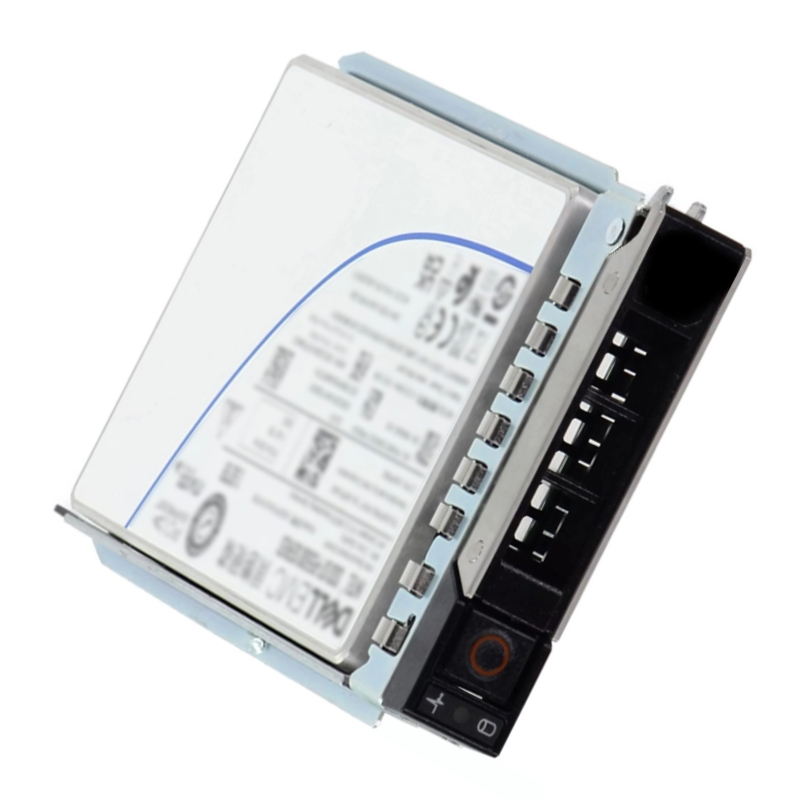


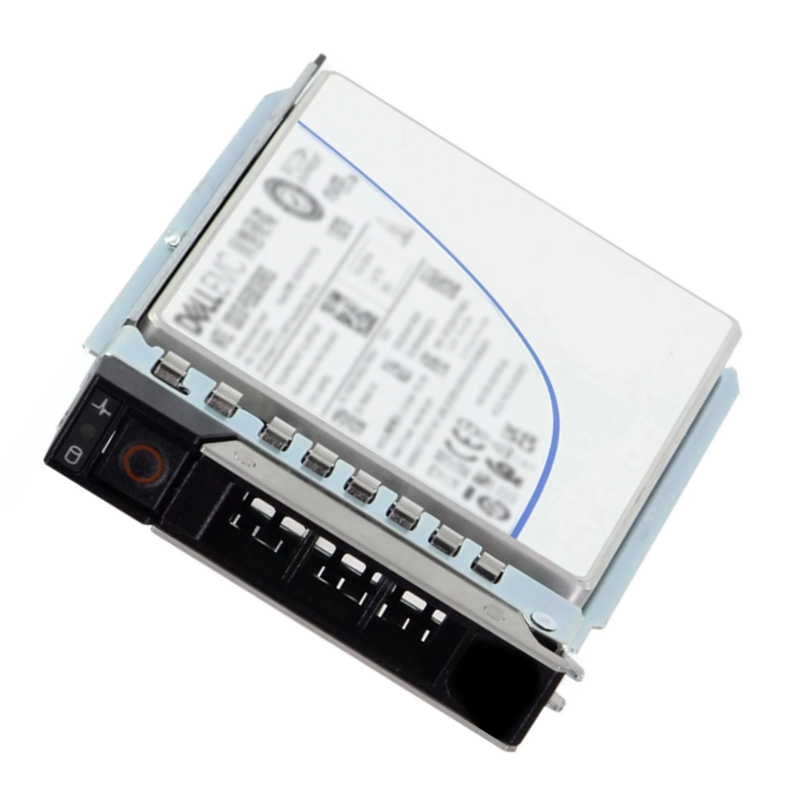
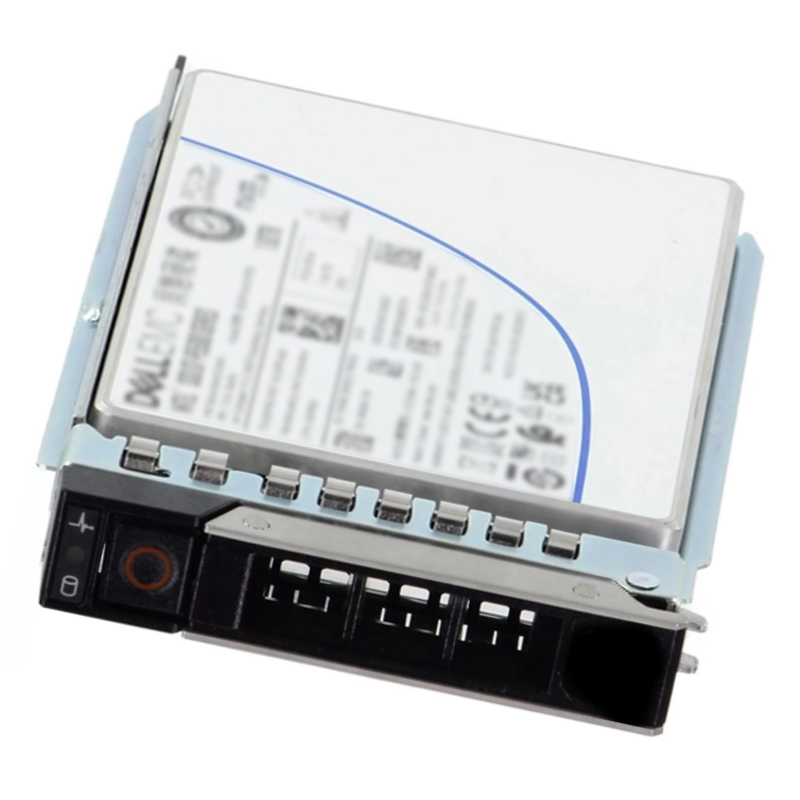
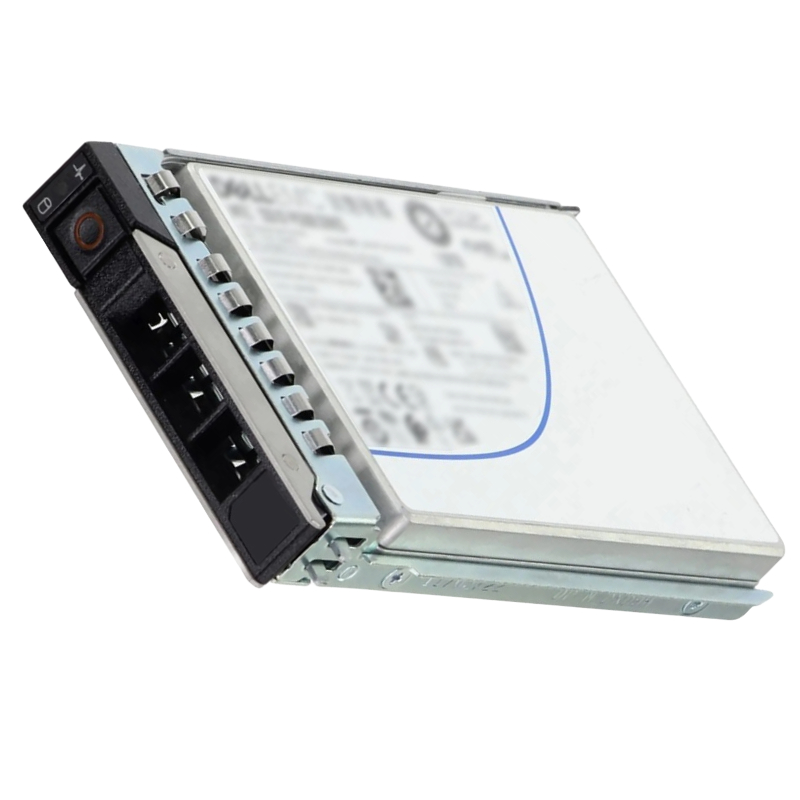
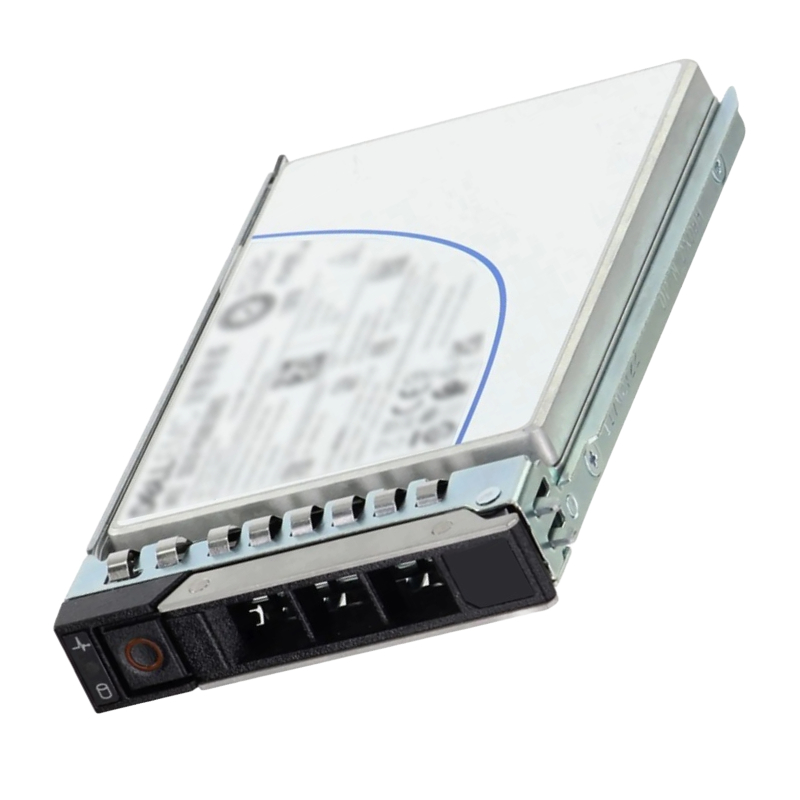
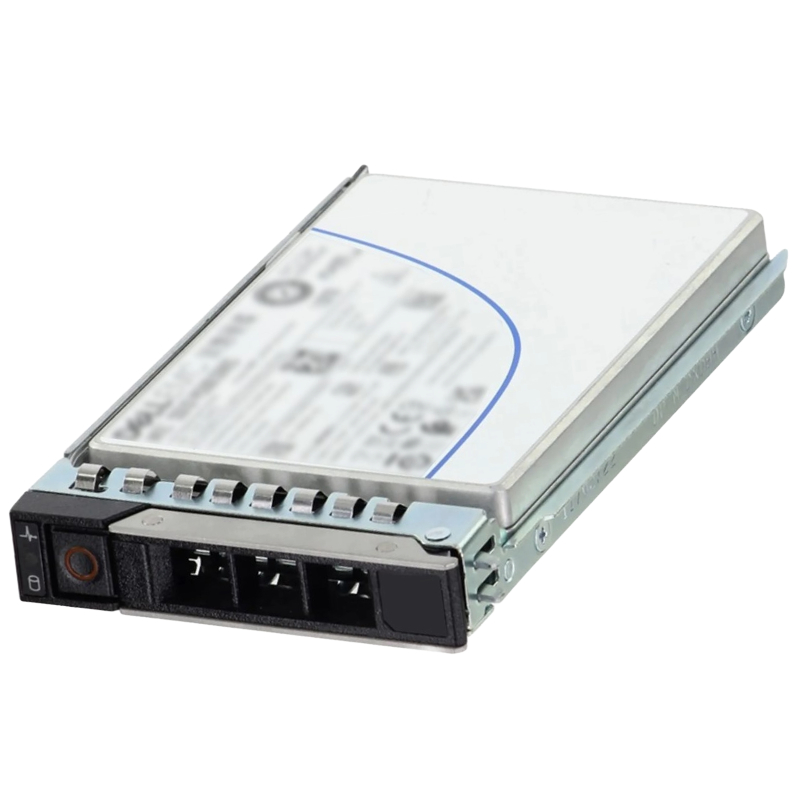
Dell D08Y8 8TB PCI-E Gen4 X4 NVMe U.2 SFF 15mm 3D2-Nand TLC Solid State Drive. New Sealed in Box (NIB) with 1-Year Replacement Warranty
The Dell D08Y8 8TB NVMe drive delivers exceptional performance and reliability for data-intensive environments. Designed with advanced NAND technology and PCIe Gen4 interface, it ensures rapid data access and long-term durability.
Engineered for speed and efficiency, this SSD integrates cutting-edge components to meet modern computing needs.
Designed to withstand rigorous operational conditions, the Dell D08Y8 ensures long-term stability and resilience.
Experience blazing-fast data transfer speeds and responsive application performance with this high-end SSD.
The Dell D08Y8 8TB PCI-E Gen4 x4 NVMe U.2 SFF 15mm 3D2-NAND TLC Solid State Drive represents a class of high-capacity, enterprise-grade NVMe U.2 SSDs designed for modern data centers, hyperscale storage arrays, and mission-critical server environments. This category focuses on U.2 form factor devices that combine the advantages of PCI-Express Gen4 performance with the deployment flexibility of a 2.5-inch, short-height, hot-swappable small form factor unit. The 8TB capacity positions the drive within the density tier for archival, large database, virtualization storage, and mixed workload consolidation. The use of 3D2-NAND with TLC (Triple-Level Cell) technology balances cost per gigabyte with endurance and sustained throughput, making this SSD suitable for read-intensive and mixed transactional workloads where steady performance, low latency, and enterprise reliability are required.
The physical design of drives in this category uses the U.2 (SFF-8639) connector and 2.5-inch mechanical dimensions with a 15mm thickness, offering compatibility with a wide range of server trays, storage enclosures, and direct-attach NVMe backplanes. The U.2 interface delivers NVMe over PCI-Express lanes while preserving hot-swap capability and a standard drive caddy mounting style that many enterprise racks and blade chassis expect. This combination—PCI-E Gen4 x4 lanes over U.2 mechanical packaging—bridges the high bandwidth of NVMe with the operational convenience of SATA-style hot-plug management, simplifying upgrades and replacements in live data center operations without requiring adapter cards or drive bay modifications.
PCI-E Gen4 x4 NVMe delivers a substantial uplift in raw bandwidth compared with previous generations, enabling higher sequential read and write throughput as well as improved queue depth handling for parallel workloads. Drives in this category are engineered to exploit the Gen4x4 interface for faster boot times, accelerated database queries, and reduced latency for read/write intensive applications. The NVMe protocol further lowers CPU overhead through efficient command sets and parallel queues, which benefits multi-tenant virtualization platforms, containerized microservices, and I/O-heavy analytics pipelines. For enterprises planning future scalability, opting for Gen4 NVMe U.2 SSDs offers a forward-looking path that aligns with the increasing core counts and network speeds present in modern servers.
This category is particularly well suited for a variety of real-world workloads. High-capacity NVMe U.2 drives are an excellent choice for large relational databases that require both capacity and consistent low latency, such as transactional OLTP systems, in-memory caching tiers that persist data, and analytics clusters that stage or store large datasets. Virtualized environments including VDI (Virtual Desktop Infrastructure) and consolidated VM hosts benefit from the balance of capacity and performance, enabling dense VM packing without creating I/O bottlenecks. Additionally, content delivery and media editing workflows that manage large files will find the sequential throughput and sustained write capabilities especially valuable.
The underlying flash configuration in this category uses 3D2-NAND design with TLC cells, which store three bits per cell and are stacked vertically to achieve high densities. This architecture reduces cost per gigabyte compared with planar NAND while maintaining acceptable endurance and retention characteristics for enterprise use cases. TLC combined with careful firmware management, robust error correction code (ECC), wear leveling, and over-provisioning allows manufacturers to tune the drives for predictable service life and performance under mixed workloads. For procurement teams, the 3D2-NAND TLC approach represents a pragmatic balance between budget and durability when large capacity SSDs are required without the expense of SLC or enterprise MLC options.
When selecting a Dell D08Y8 category drive for deployment, verify compatibility with target servers, storage controllers, and operating system NVMe drivers. U.2 is widely supported in enterprise server lines, and many modern server motherboards and storage arrays provide native U.2 backplane support or dedicated NVMe sleds. Compatibility matrices from server vendors and firmware compatibility lists from drive manufacturers are essential resources during planning. Consider also integration with software stacks such as Linux NVMe drivers, Windows Server NVMe support, hypervisor NVMe passthrough for virtualization platforms, and storage orchestration tools used in the environment to ensure seamless recognition and optimal performance.
There are multiple architecture patterns where an 8TB PCI-E Gen4 NVMe U.2 SSD becomes the core storage element. In hyperconverged infrastructure, these drives can serve as fast local storage for caching layers or as part of a tiered storage model where hot datasets remain on NVMe while colder data migrates to high-capacity HDD or object storage. In scale-out databases and distributed file systems, using U.2 NVMe in each node reduces network I/O demands and improves aggregate cluster performance. Storage arrays that support NVMe over Fabrics (NVMe-oF) can use U.2 drives as backend storage pools, delivering low latency to remote compute clusters via RDMA or TCP transports.
For mission-critical applications, SSDs in this category should be deployed within redundancy topologies such as RAID or erasure coding to mitigate individual drive failure risks. Enterprise RAID controllers and software RAID implementations designed for NVMe may use parity schemes, replication, or erasure coding to protect data. When building high-availability clusters, combine these drives with proper backup and disaster recovery strategies, including point-in-time snapshots, replication to remote sites, and tested restore procedures to ensure service continuity.
The U.2 form factor provides distinct operational advantages over M.2 and EDSFF in accessory compatibility and hot-swap convenience. Compared to M.2, U.2 drives are easier to replace in live server environments and typically integrate better with existing storage trays and backplanes. Against emerging form factors like EDSFF (E1.S, E1.L), U.2 remains an attractive compromise for organizations that require high capacity per bay with the familiarity of 2.5-inch mounting. When compared to SATA/SAS SSDs, NVMe U.2 delivers markedly lower latency and higher concurrency, which is critical for latency-sensitive applications. When choosing between form factors and interfaces, architects should weigh performance, serviceability, density, and ecosystem compatibility to select the best fit for their infrastructure roadmap.


 Contact Us
 Information
 Catalog
 Solid State Drives (SSD)
 Network Switches
 Hard Disk Drives
 HBA & Controllers
 PC & Servers
 PC & Server Memory
 CPU & Processors
 Network Routers
 Power Supplies
 Tape Drives & Libraries
 Network Devices
 Computer & Network Cables