(7% discount is applied at checkout)
Cart is empty
Your go-to destination for cutting-edge server products
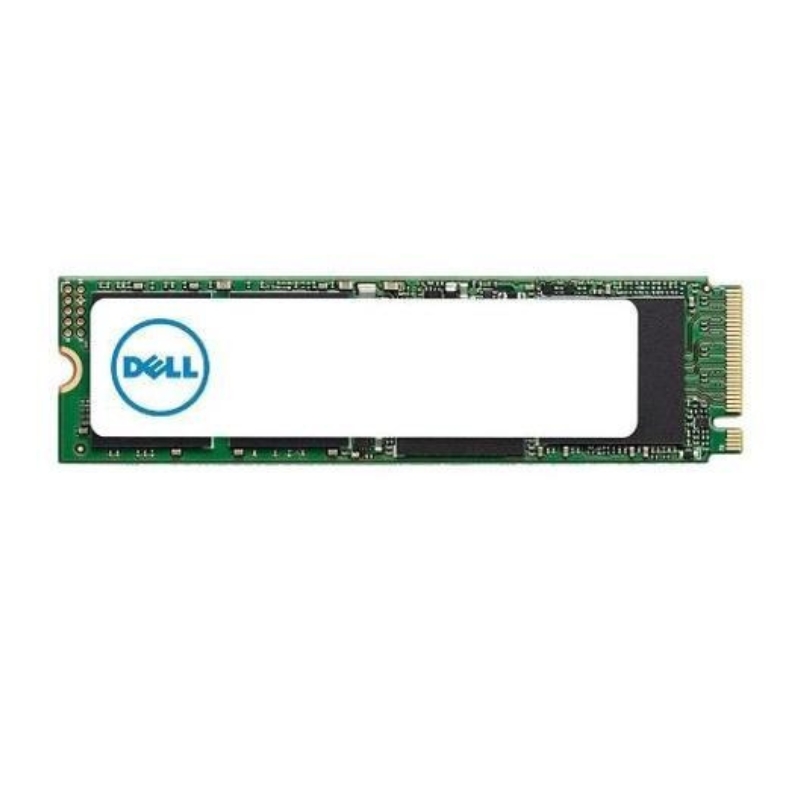


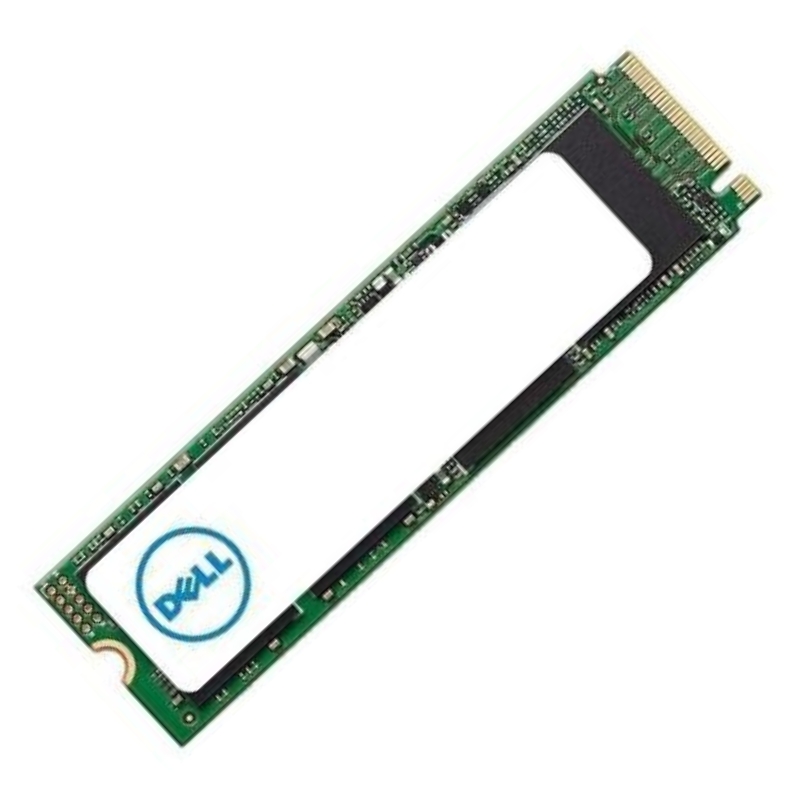
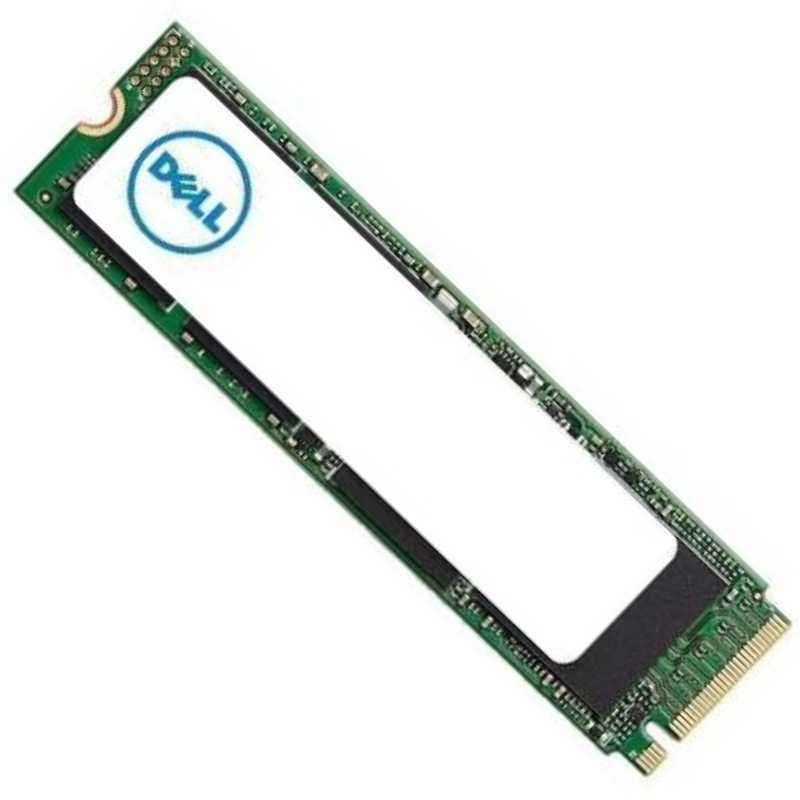
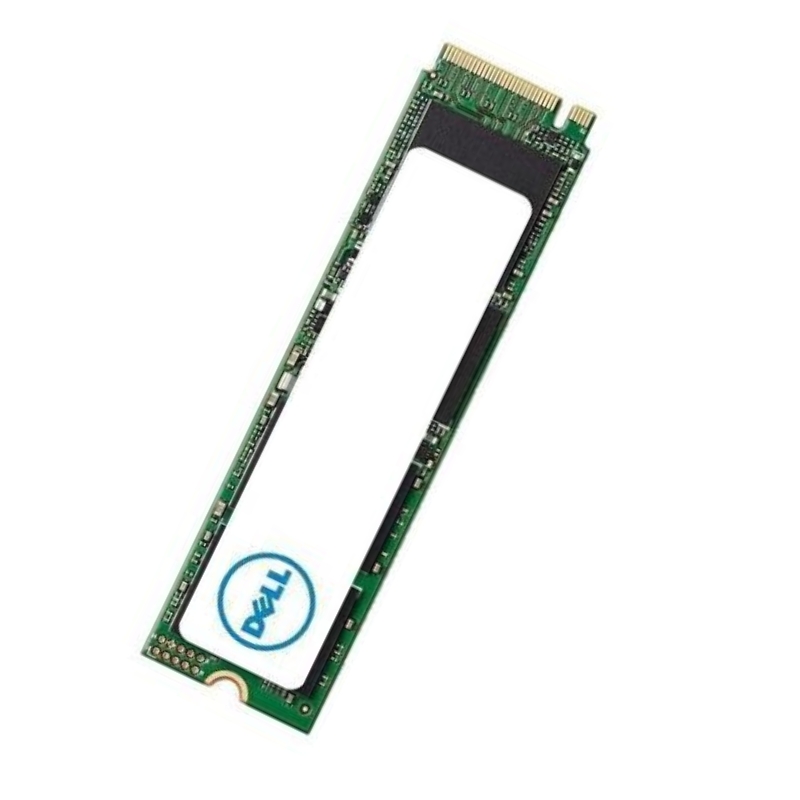
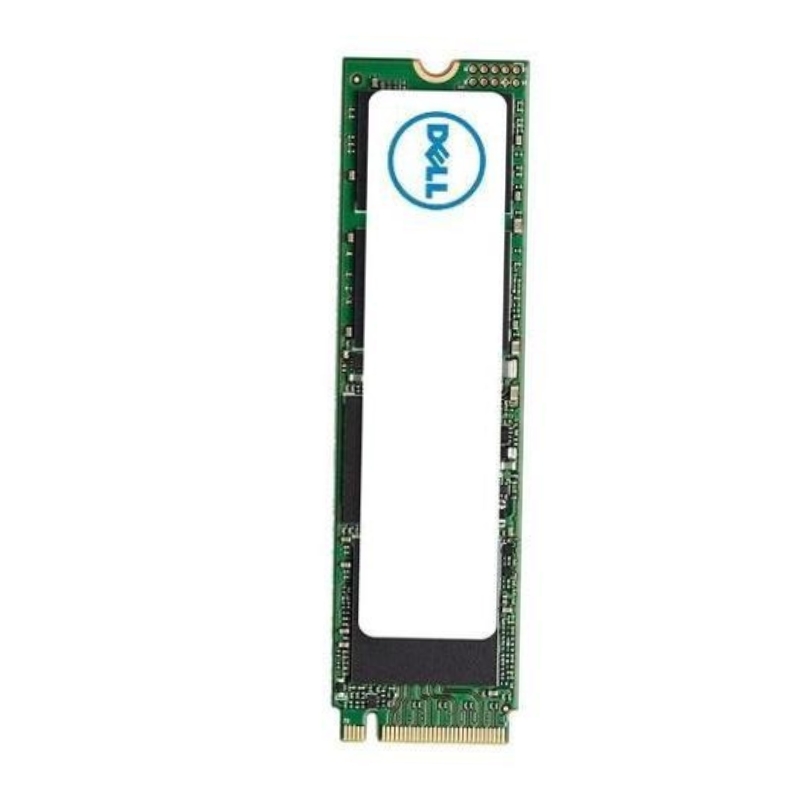
Dell D2GDK 2TB PM9A1 Series M.2-2280 PCI-Express Gen4 X4 Nvme V-Nand Internal Solid State Drive. Excellent Refurbished with 1 year replacement warranty
The Dell D2GDK 2TB PM9A1 Series M.2-2280 PCI-Express Gen4 x4 NVMe V-NAND internal solid state drive occupies a focused niche in modern storage solutions: compact M.2 2280 form factor drives engineered for high-throughput, low-latency storage on systems that support the PCIe Gen4 x4 interface. This category description explores the product family and related subcategories in detail, mapping technical attributes to real-world workflows and buyer intent. Search engine optimized language is woven through the text to target users searching for high-performance NVMe upgrades, server and workstation storage options, compact form factor SSDs, and OEM-branded enterprise drives from major vendors such as Dell. The copy emphasizes practical benefits, technical compatibility, installation considerations, and common purchasing questions, while remaining suitable for continuous category page use where customers expect rich, scannable content with clear section headings.
At the heart of this category is the adoption of PCI-Express Gen4 x4 combined with the NVMe protocol. This pairing unlocks significantly greater sequential and random throughput compared with previous generations that relied on Gen3 lanes. For tasks that demand sustained write and read bandwidth — large file transfers, database workloads, virtual machine storage, and media editing — Gen4 x4 M.2 drives deliver a compelling uplift. The M.2-2280 physical format preserves a low-profile footprint, enabling installation in thin notebooks, compact workstations, and modern motherboards without sacrificing the number of PCIe lanes available for other components. V-NAND memory technology used across PM9A1-derived products improves cell density and power efficiency versus older planar NAND, which supports higher capacities like 2TB in a single M.2 stick while helping to sustain performance under heavy I/O.
Users evaluating this category should expect a noticeable improvement in application responsiveness, shorter boot times, and faster file access compared with SATA and older PCIe Gen3 NVMe drives. While exact benchmark numbers vary with platform, system firmware, and thermal environment, the architectural advantages of Gen4 x4 manifest as improved sequential transfer rates and greater IOPS headroom for enterprise and prosumer workloads. This makes the category a strong candidate for power users seeking an affordable yet future-facing storage upgrade for editing suites, development machines, or performance-oriented laptops and small-form-factor desktops.
Capacity options in this category are designed to balance density and thermal constraints inherent to the M.2-2280 format. The 2TB configuration addresses the needs of users who require ample local storage for large media libraries, local VM images, large databases, or on-device caches. Endurance metrics are an important selection factor for buyers planning write-intensive deployments. Drives in this family are typically rated for enterprise-grade or client-grade workload patterns, and shoppers should match endurance (TBW — terabytes written or Drive Writes Per Day) to expected daily write volumes. For heavy server-side caching or write-heavy database logging, consider drives with higher endurance or enterprise-designated variants within the same family. For creative professionals and general consumers, the 2TB capacity strikes a practical compromise between storage longevity and price per gigabyte.
In workstation and content-creation workflows, the drive serves as primary storage for active projects, scratch disks for video timelines, and rapid access for large media files. In development and virtualization scenarios, it supports fast VM provisioning, quick container-layer operations, and speedy code compilation. On laptops and compact desktops, the drive's balance of capacity and performance allows professionals to carry large project portfolios while preserving battery life and thermal characteristics. In edge servers and network appliances, the category can function as a high-performance boot and application drive when combined with proper cooling and firmware optimizations.
The M.2-2280 designation signals wide physical compatibility with modern motherboards, laptops, and server modules that expose M.2 sockets supporting PCIe x4 NVMe devices. Buyers should confirm platform support for PCIe Gen4 lanes, as full Gen4 performance requires Gen4-capable CPUs and chipsets. Systems limited to Gen3 will remain compatible but operate at reduced bandwidth. Thermal throttling is a real-world consideration for M.2 drives: the compact form factor constrains passive heat dissipation, so systems lacking integrated M.2 heatsinks or adequate airflow may see sustained-write performance reduced by thermal management. Many OEMs offer heat spreaders or integrated heatsinks on the motherboard; where absent, adding a low-profile thermal pad and small metal cover can help maintain sustained throughput in write-heavy workloads.
Reliability for this class of NVMe drives is typically addressed through a combination of NAND quality, controller design, and built-in firmware features such as error-correcting code (ECC), power-loss protection algorithms, and wear-leveling. OEM-branded units often include utilities for drive health monitoring and firmware updates, enabling administrators and end users to track SMART attributes and preemptively plan replacements based on TBW thresholds. Lifecycle management in enterprise contexts may incorporate overprovisioning strategies, periodic firmware audits, and performance validation tests prior to deployment. For client systems, adherence to routine backups and using the drive as part of a tiered storage strategy mitigates risk while maximizing performance benefits.
This category should be understood in the context of competing storage technologies. Compared with SATA SSDs, Gen4 x4 NVMe M.2 drives offer substantially higher bandwidth and better random I/O performance at similar or better power efficiency. Against Gen3 NVMe drives, Gen4 devices tend to scale up sequential bandwidth and provide future-proofing for platforms that can utilize the extra lanes. When contrasted with larger U.2 or add-in-card NVMe solutions, the M.2-2280 format trades peak sustained thermal tolerance for a smaller physical footprint and simpler installation. Buyers needing extreme sustained write performance or higher endurance often choose U.2 or HHHL cards with robust cooling, while those prioritizing compactness and mainstream high performance will gravitate toward M.2-2280 Gen4 x4 SSDs.


 Contact Us
 Information
 Catalog
 Solid State Drives (SSD)
 Network Switches
 Hard Disk Drives
 HBA & Controllers
 PC & Servers
 PC & Server Memory
 CPU & Processors
 Network Routers
 Power Supplies
 Tape Drives & Libraries
 Network Devices
 Computer & Network Cables