(7% discount is applied at checkout)
Cart is empty
Your go-to destination for cutting-edge server products
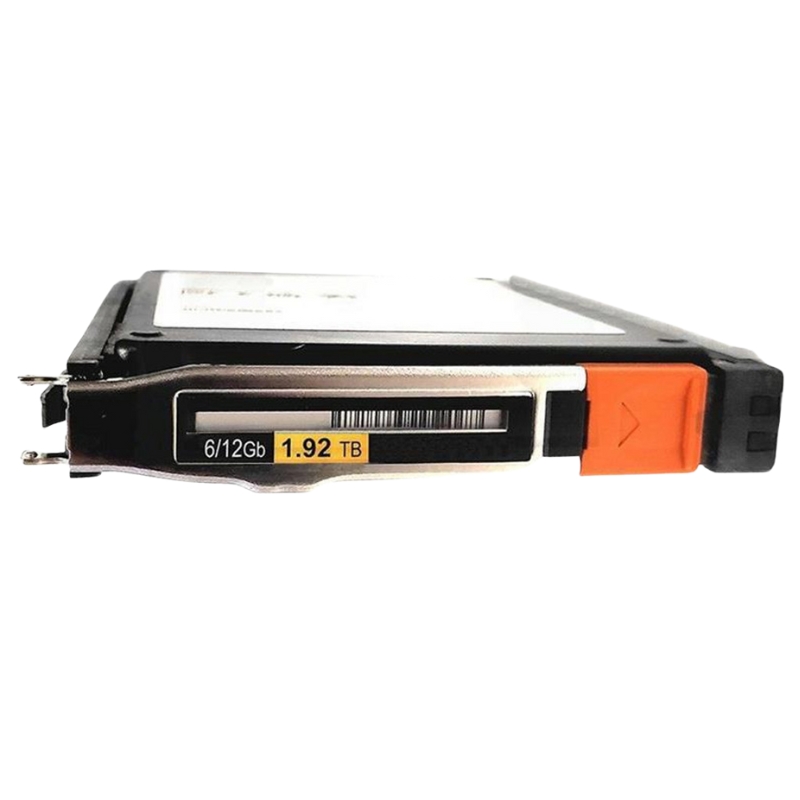


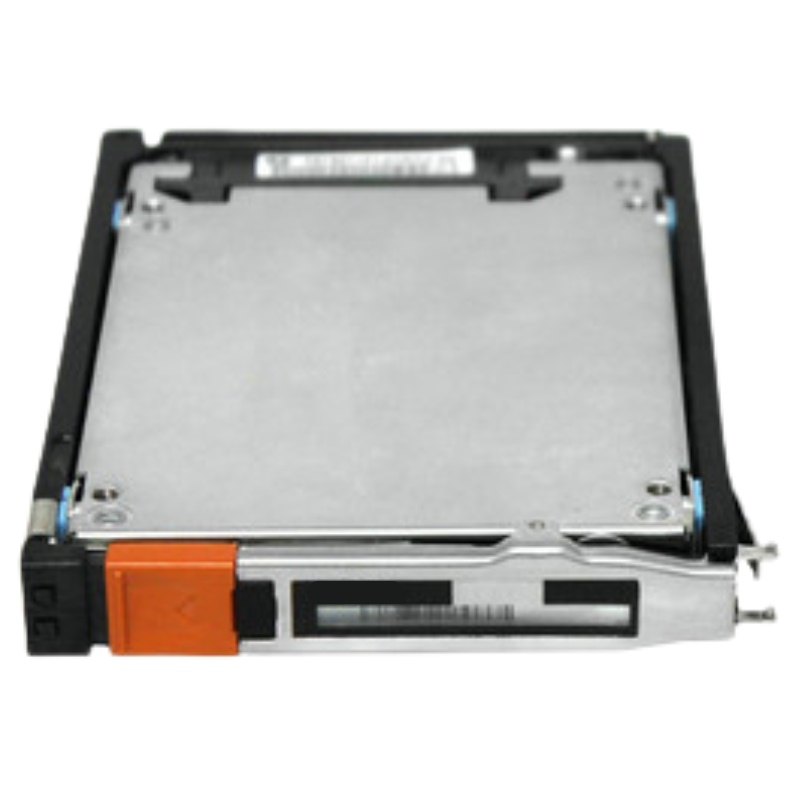
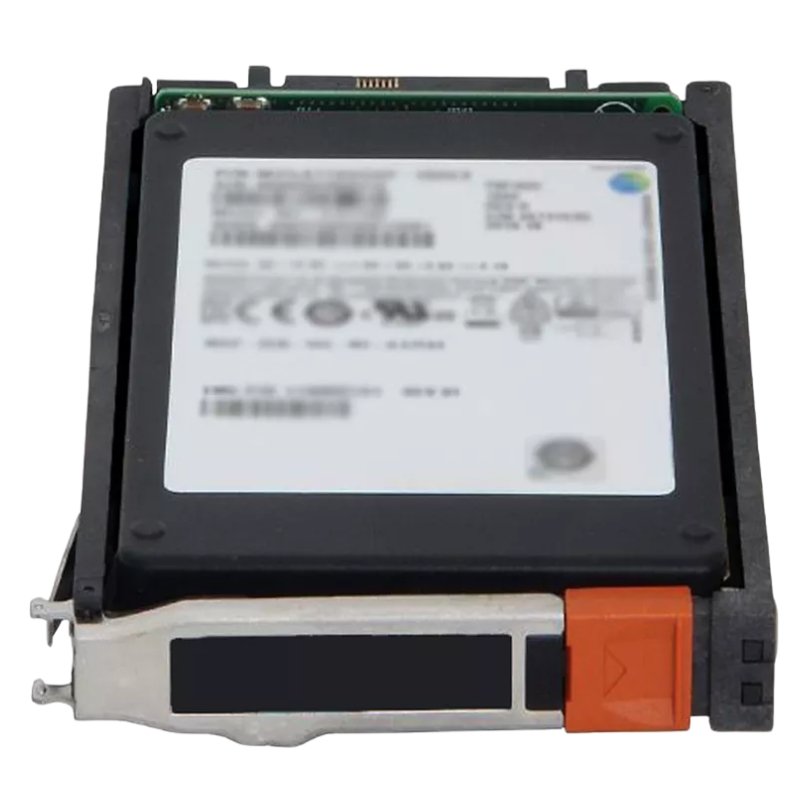
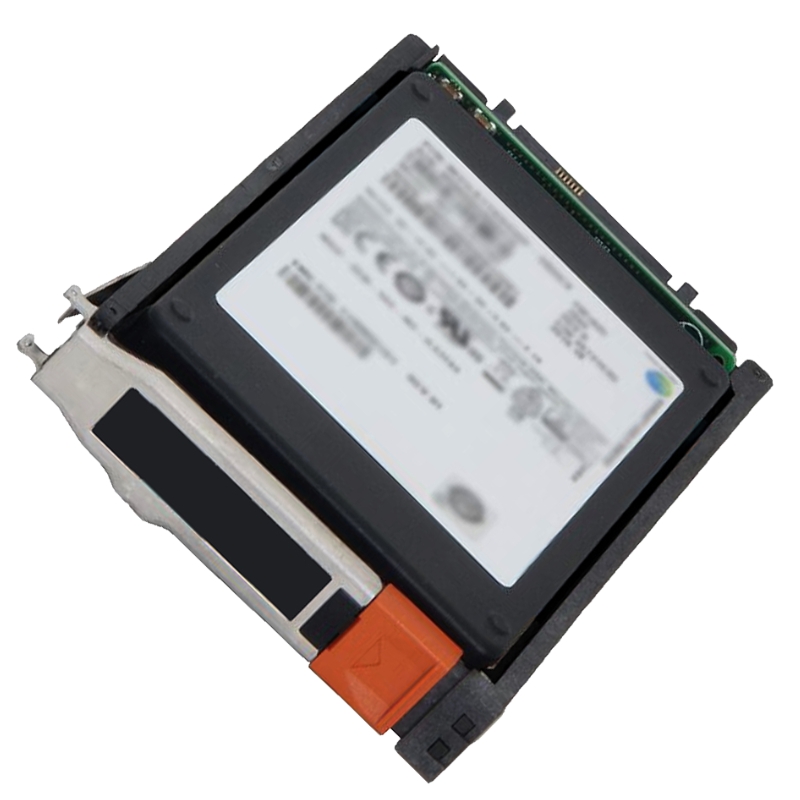
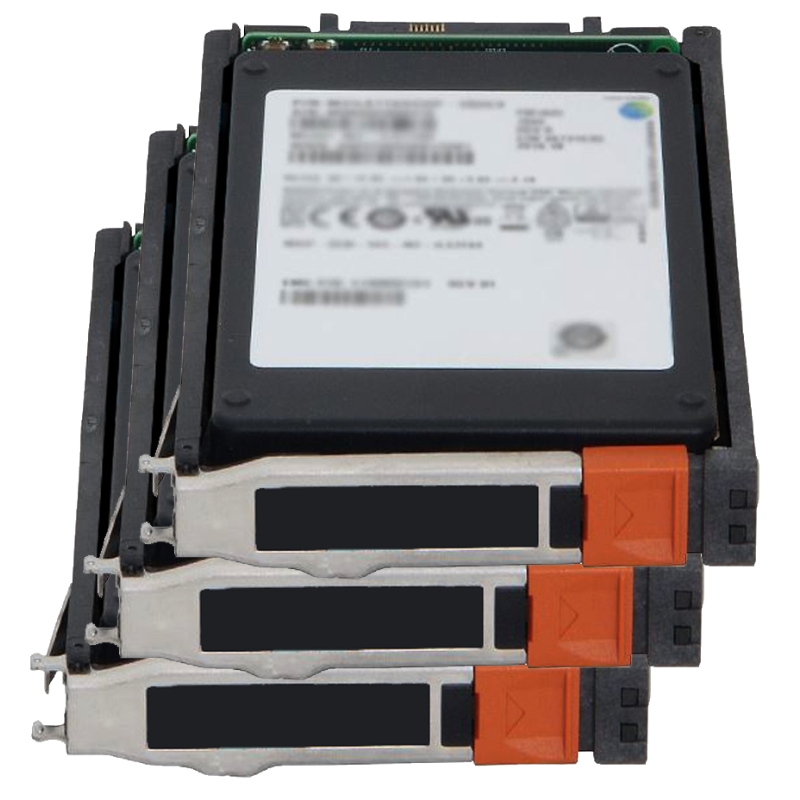
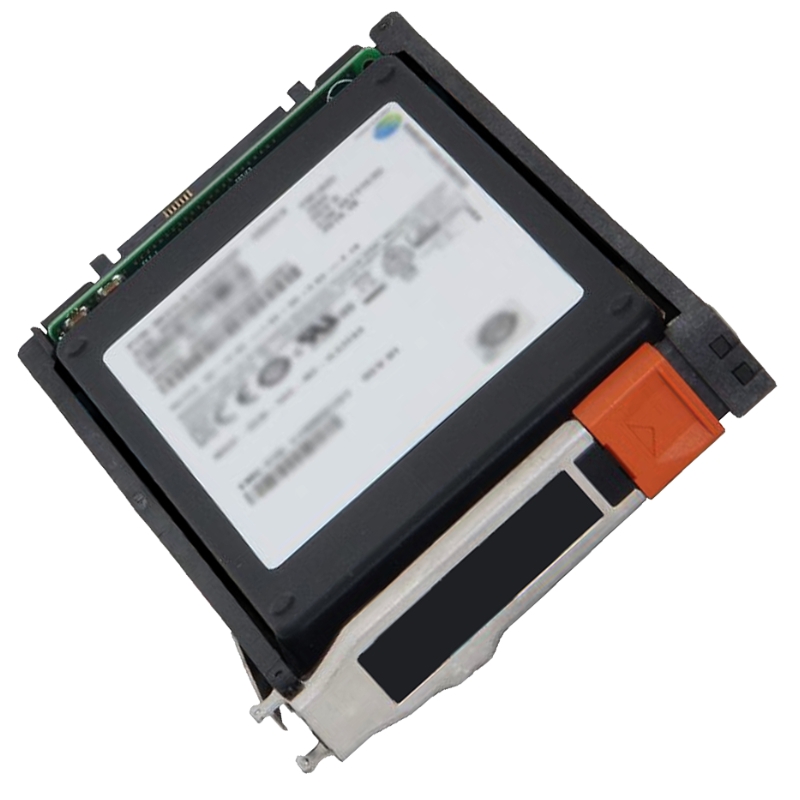
EMC D3F-2SFXL2-1920 1.92TB SAS-12GBPS Small Form Factor Internal Solid State Drive. Excellent Refurbished with 1 year replacement warranty
The EMC D3F-2SFXL2-1920 is engineered for demanding data environments, offering robust performance and reliability in a compact form factor. Designed to meet the needs of modern IT infrastructures, this solid-state drive delivers exceptional speed and efficiency.
Equipped with a SAS-12Gbps interface, the D3F-2SFXL2-1920 leverages an enterprise-grade protocol that supports full-duplex communication, robust error correction, and mature management features. SAS as a protocol carries advantages for mixed workload environments because it was designed to support multi-initiator topologies, hardware RAID controllers, and long cable lengths when necessary. The 12 gigabit per second link rate enables higher sustained sequential and random throughput compared to legacy SAS speeds, while maintaining compatibility with many existing SAS controllers and expanders through link negotiation. For IT teams standardizing on SAS infrastructures, choosing a SAS-12Gbps internal solid state drive ensures long-term interoperability with enterprise controllers and multipath configurations.
Performance characterization for the D3F-2SFXL2-1920 is centered on delivering consistent I/O under both bursty and sustained conditions. This drive is intended to support a broad class of enterprise applications including virtualization platforms, database transactions, analytics engines, and email systems. The solid state nature of the device offers dramatic reductions in read and write latency compared to spinning media, translating to faster application response times and more predictable behavior under concurrent access. Importantly for environments where consistent tail latency matters—such as multi-tenant clouds and high-frequency transaction processing—the D3F-2SFXL2-1920 gives system architects a tool to lower the 99th percentile latency and stabilize queue depths at scale.
Sustained throughput is a central metric for data center planners, and this model is designed to sustain high sequential and random transfer rates across extended periods. Enterprise SSDs of this class typically include firmware-level wear leveling, over-provisioning strategies, and background garbage collection routines that minimize performance degradation over time. These firmware mechanisms are tuned to balance long-term endurance with immediate throughput, ensuring that bulk transfers and background maintenance tasks do not critically impact foreground IO. Additionally, the device supports advanced error recovery and power-loss protection techniques common to enterprise drives, helping preserve data consistency in the event of unexpected system outages.
Endurance for an enterprise SSD encompasses both the raw cell write endurance and the drive’s ability to protect data integrity across many write cycles. The D3F-2SFXL2-1920 is engineered for high endurance usage profiles with architectural elements that preserve media health and detect failing blocks early. Advanced ECC (error correction code) mechanisms, coupled with background scrubbing and block retirement policies, help prevent silent data corruption and enable confident deployment for mission-critical workloads. Enterprise storage teams will find the drive suitable for scenarios where predictable TBW (terabytes written) capacity and drive lifetime projections are required for lifecycle planning and warranty management.
The small form factor, SAS-12Gbps interface, and enterprise-focused firmware make the D3F-2SFXL2-1920 a plug-and-play candidate for a wide range of server and storage array platforms. Administrators should verify firmware compatibility against the target controller and array firmware matrix, especially for RAID configurations and multipath software stacks. When deployed in RAID arrays, the drive’s consistent latency and predictable error recovery behavior simplify rebuild planning and minimize the performance impact during member replacement. In software-defined storage clusters, this model can be paired with caching tiers and tiering policies to accelerate hot datasets and offload throughput-sensitive operations from slower tiers.
Internal SSDs in enterprise deployments are often required to support hot-swap replacement without shutting down host systems. The D3F-2SFXL2-1920 is designed to be serviceable within hot-swap carriers and sleds, and its electrical behavior during insertion and removal follows enterprise SAS guidelines to avoid bus instability. Clear SMART reporting and SCSI sense key support facilitate rapid diagnostics and replacement. Additionally, the drive’s physical design accommodates mechanical interlocks and handle designs used in standard server chassis to enable safe, quick servicing by on-site technicians.
In dense server deployments, power and thermal budgets directly affect rack capacity and operational cost. The D3F-2SFXL2-1920 emphasizes energy efficiency through its flash controller and power management states, allowing drives to enter low power idle modes when not in active use. Efficient power profiles reduce rack-level heat generation and simplify cooling design for data halls. In addition, the drive supports thermal throttling mechanisms that prevent sustained overheating by dynamically moderating throughput in exchange for temperature control, preserving media lifetime while maintaining system stability.
This internal solid state drive excels in a variety of enterprise scenarios. For virtualization hosts running hundreds of virtual machines, the D3F-2SFXL2-1920 provides the low-latency random I/O characteristics needed to sustain high consolidation ratios without degrading user experience. In transactional database servers, the low tail latency helps preserve query performance during peak transaction windows. Big data analytics workloads that require steady sequential throughput for large scans benefit from the drive’s sustained transfer capabilities. Additionally, as a boot and system drive for storage controllers, it accelerates metadata operations, contributing to faster recovery and indexing times within larger arrays.
When placed alongside other drives in a storage portfolio, the D3F-2SFXL2-1920 represents a mid-to-high tier enterprise SSD that balances capacity and performance. Its 1.92TB capacity makes it effective for hot tiers where capacity per bay matters and where organizations prefer to avoid the complexity of multi-drive spans for modest volumes. For architects comparing solutions, it is important to weigh long-term TCO calculations that include power, cooling, sustained performance under mixed IO patterns, and administrative overhead. In many cases, replacing multiple legacy spinning disks with a set of high-capacity enterprise SSDs can reduce rack footprint, improve aggregate throughput, and lower operational costs over the equipment lifecycle.
Enterprise-grade internal SSDs often carry environmental ratings and compliance certifications that are important for regulated deployments. The D3F-2SFXL2-1920 is designed to operate within typical data center temperature ranges, tolerating both the thermal stress of dense racks and the vibration profiles found in populated enclosures. Compliance with industry standards for electromagnetic compatibility, safety, and disposal helps organizations meet local and international regulatory obligations. Additionally, the drive’s low power draw compared to spinning media contributes to improved energy efficiency metrics for sustainability reporting.
For operations teams preparing to deploy the D3F-2SFXL2-1920, establish a baseline performance profile using representative workloads, configure controller settings to match expected IO patterns, and enable monitoring for critical health metrics from day one. Plan firmware updates with staged rollouts and validated rollback procedures. Use telemetry to schedule proactive replacements based on drive health rather than reactive emergency swaps. Consider mixing capacities and models only when validated through testing to avoid heterogeneous behaviors across storage pools. Lastly, integrate the drive into regular backup and disaster recovery planning so that data redundancy is preserved across planned and unplanned events.


 Contact Us
 Information
 Catalog
 Solid State Drives (SSD)
 Network Switches
 Hard Disk Drives
 HBA & Controllers
 PC & Servers
 PC & Server Memory
 CPU & Processors
 Network Routers
 Power Supplies
 Tape Drives & Libraries
 Network Devices
 Computer & Network Cables