(7% discount is applied at checkout)
Cart is empty
Your go-to destination for cutting-edge server products
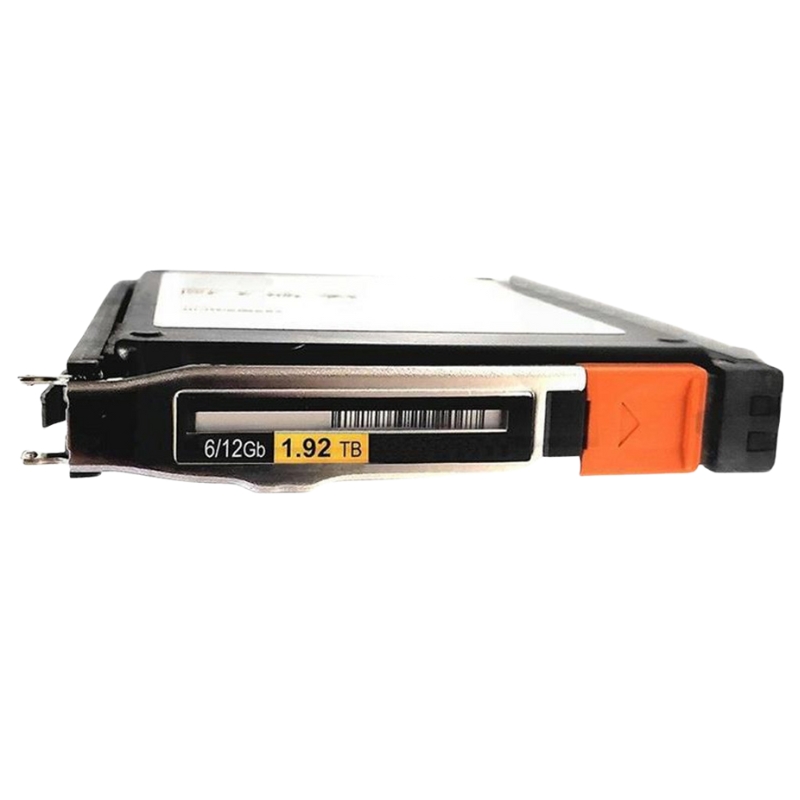


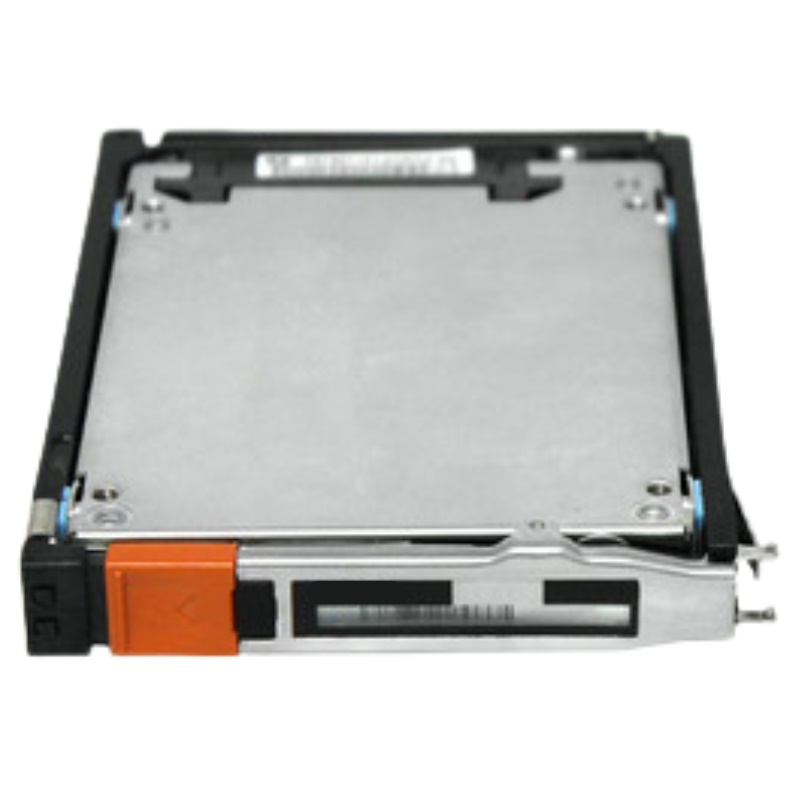
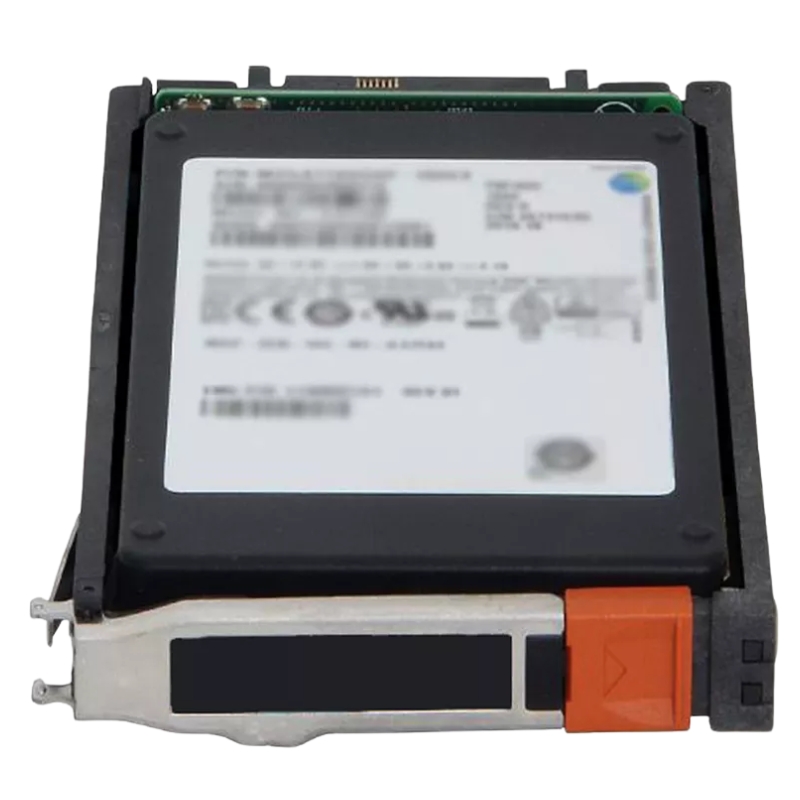
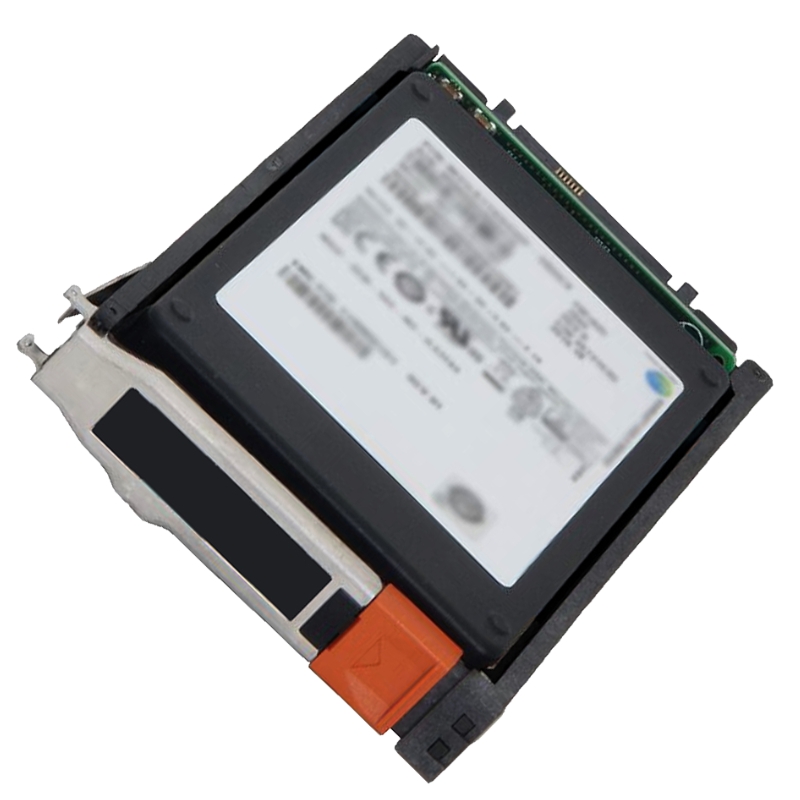
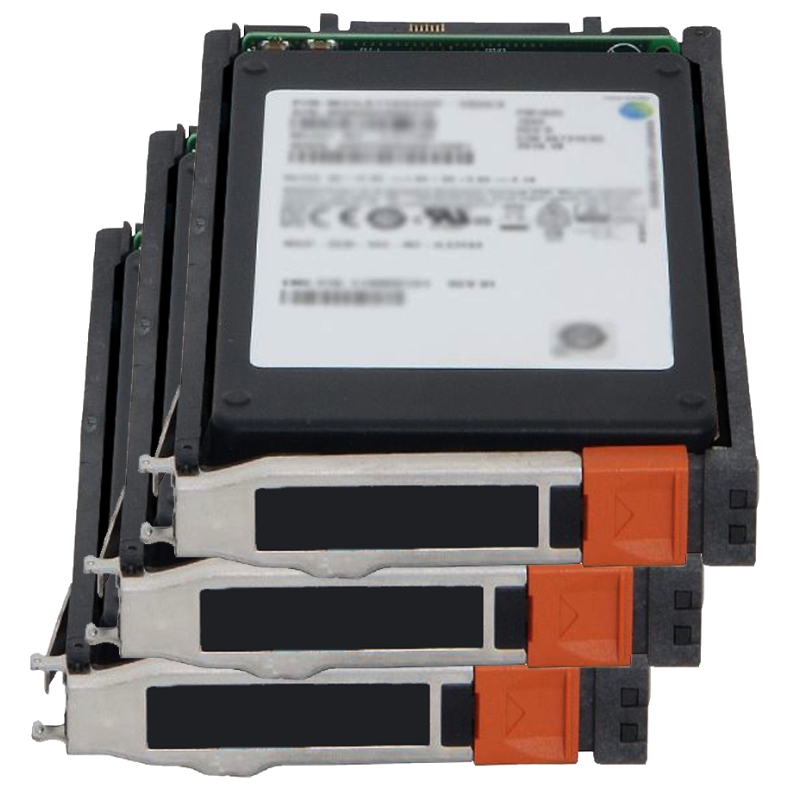
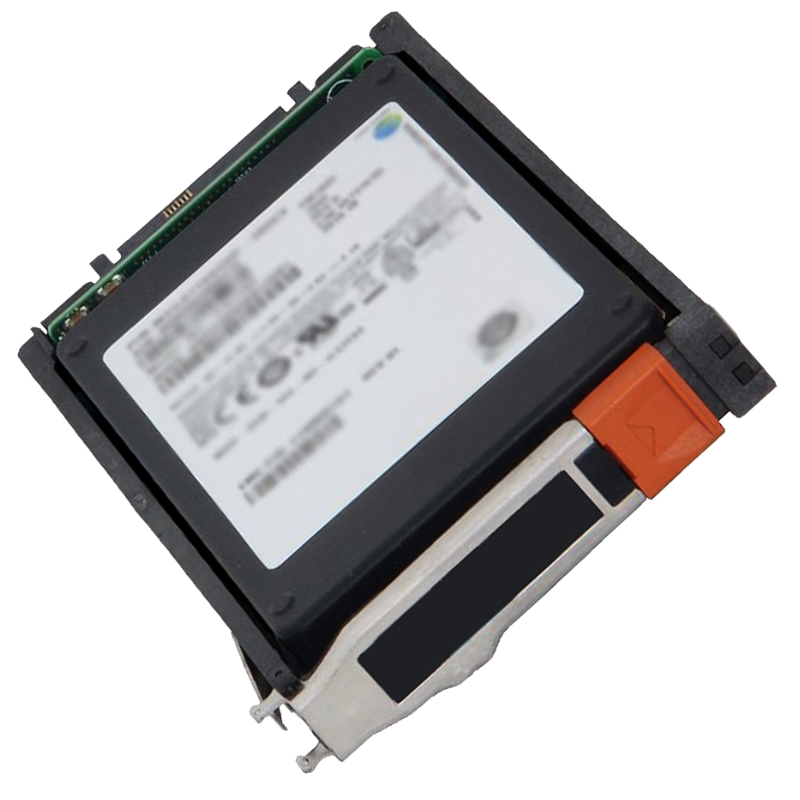
EMC D3F-D2SFXL2-1920 1.92TB SAS-12GBPS Small Form Factor Enterprise Internal Solid State Drive. Excellent Refurbished with 1 year replacement warranty
The EMC D3F-D2SFXL2-1920 is engineered for high-demand environments, offering robust performance and reliability for data-intensive applications. Designed to meet enterprise standards, this internal SSD ensures seamless integration and consistent throughput.
With its high-speed SAS interface and substantial storage capacity, this drive is tailored for mission-critical workloads. It supports intensive I/O operations and minimizes latency, making it a reliable choice for enterprise servers and data centers.
This EMC SSD is compatible with a wide range of enterprise-grade systems. Its SAS-12Gbps interface ensures smooth interoperability with existing hardware setups, reducing upgrade complexity and enhancing scalability.
The EMC D3F-D2SFXL2-1920 1.92TB SAS-12GBPS Small Form Factor Enterprise Internal Solid State Drive represents a purpose-built storage solution for modern data center demands where predictable performance, endurance, and compatibility with enterprise-class systems are required. Designed to fit small form factor slots while delivering a high-capacity 1.92TB raw NAND footprint, this drive targets mission-critical applications that require the reliability and low-latency characteristics of SAS connectivity at 12 gigabits per second. On a category page, the description of this drive serves not only to inform procurement specialists, system integrators, and IT architects about the device’s core attributes but also to position it within broader enterprise storage families, differentiating it from consumer-class SATA or NVMe alternatives and highlighting why a SAS-12Gbps SFF drive maintains relevance in mixed-protocol infrastructures.
The small form factor of the EMC D3F-D2SFXL2-1920 emphasizes density without sacrificing thermal and mechanical resilience. This drive is engineered to occupy minimal physical space, allowing dense server and storage arrays to maximize usable capacity per rack unit. The chassis and connector orientation are optimized for hot-swap serviceability, with latching and extraction mechanics designed to smooth maintenance windows and reduce human error during replacements. In data center racks where airflow management, cabled routing, and vibration control are critical, choosing a small form factor enterprise internal drive like this one ensures that a balance is struck between packing density and operational manageability. The mechanical design also typically integrates conductive pathways and mounting points compatible with leading server OEM trays, enabling interoperability with existing blade and rack platforms.
Leveraging the Serial Attached SCSI (SAS) interface at 12 gigabits per second, the D3F-D2SFXL2-1920 aligns with enterprise expectations for robust link-level error management, dual-port availability, and backward compatibility across SAS generations. SAS provides link redundancy and multipath I/O capabilities that are essential for high-availability clusters and SAN environments; this is particularly important for applications that cannot tolerate single-path failures. The 12Gbps signaling increases headroom for sustained throughput compared with legacy 6Gbps implementations, enabling higher concurrent read/write operations under mixed workload patterns. For IT teams deciding between SAS and other interfaces, SAS remains attractive for environments that prioritize deterministic behavior, established management tooling, and mature firmware ecosystems.
Performance for enterprise SSDs is described by a combination of random IOPS, sequential throughput, sustained latency under load, and consistent quality of service across long-duration workloads. The EMC D3F-D2SFXL2-1920 1.92TB drive is optimized for high transactional throughput—delivering low single-digit millisecond or sub-millisecond latencies depending on the host stack—making it suitable for database engines, virtualized server workloads, and storage tiers where predictable response times are prioritized. Its small form factor and SAS interface ensure that it can be deployed as part of a tiered architecture: as a top-tier fast data tier for active datasets, as a write-optimized tier in logging and caching layers, or as a resilient capacity tier for read-heavy analytics when combined with intelligent caching strategies. The drive is engineered for mixed-use patterns, which are common in consolidation scenarios where a single storage pool services heterogeneous applications.
Compatibility with OEM servers, storage arrays, and HBA controllers is a key consideration when selecting an enterprise internal drive. The D3F-D2SFXL2-1920 is typically validated against common enterprise RAID controllers and SAN switches, and it supports industry-standard multipathing and device discovery conventions. Deployment patterns for this drive vary widely: it can be used in direct-attach storage (DAS) in high-density servers, integrated into converged infrastructure solutions, or pooled within a SAN fabric to provide shared block storage. The presence of dual-port SAS functionality (when applicable) supports non-disruptive failover and path redundancy, which are essential in clustered virtual machine hosts and database clusters. For systems using hardware RAID, the drive’s predictable behavior under parity rebuilds and scrubbing workloads reduces the risk of extended rebuild times that can compromise array resiliency.
Latency determinism is crucial for applications such as real-time analytics, high-frequency trading, and transactional databases. The enterprise SSD category to which the D3F-D2SFXL2-1920 belongs is designed to minimize tail latency—reducing the rare but damaging spikes in I/O response times that can ripple through an application stack. Quality of Service (QoS) controls implemented at the drive and array levels allow administrators to set IOPS or bandwidth limits per workload or logical unit, enabling fair resource allocation in multi-tenant systems. These QoS mechanisms help maintain SLAs for critical workloads while preventing noisy neighbors from degrading service for other tenants.
Power consumption is a practical concern when scaling hundreds or thousands of drives. The EMC D3F-D2SFXL2-1920 is engineered to strike an efficient balance between performance and energy draw, with idle power states and active power optimizations that reduce average wattage without compromising responsiveness. From a total-cost-of-ownership perspective, lower power consumption translates into smaller cooling loads and reduced utility expenses, which are particularly meaningful at hyperscale. When modeling data center economics, procurement teams consider not only the purchase price per terabyte but also the operating costs over the drive’s service life—capacity density, reliability, and endurance all factor into this calculation, and a high-quality enterprise SAS SSD often yields lower operational risk and predictable replacement cycles compared with mixed or lower-tier storage media.
There are several canonical use cases where a 1.92TB SAS-12Gbps SFF enterprise SSD is the optimal choice. Database workloads that require low write amplification and consistent response times benefit from the device’s firmware tuning and endurance characteristics. Virtual desktop infrastructure (VDI) and server virtualization scenarios leverage the drive’s random I/O handling to improve boot storms and peak load performance for many concurrent VMs. Content delivery services and caching layers use the drive as a high-speed tier for frequently accessed objects, improving application responsiveness without the complexity and cost of full NVMe implementations where SAS remains the preferred protocol for existing infrastructure. The drive’s capacity also makes it suitable for metadata stores, log aggregation layers, and other high-churn datasets that need both speed and durability.
When comparing the D3F-D2SFXL2-1920 to other enterprise SSD categories, several distinctions emerge. Versus SATA-based SSDs, a SAS-12Gbps device offers improved error recovery, multipath support, and higher signaling rates. Versus NVMe drives connected over PCIe, SAS drives often provide greater interoperability with legacy arrays and a proven management ecosystem, which can simplify deployment across mixed-architecture environments. The trade-offs include protocol overhead and, in some cases, slightly lower maximum theoretical throughput compared with the latest PCIe Gen4/Gen5 NVMe drives; however, for many production environments the combination of proven reliability, dual-path availability, and enterprise firmware sophistication renders SAS SSDs the pragmatic choice for a large installed base of storage controllers and HBAs that still favor SCSI-based management semantics.
Operational deployments of enterprise SAS SSDs reveal practical lessons: align firmware revision policies with maintenance windows, test compatibility in a lab before wide-scale rollout, and treat telemetry as an active input to operational playbooks. In distributed storage implementations, consistent drive behavior reduces the complexity of performance tuning across nodes. Using these drives as part of a tiered storage strategy also reduces licensing costs by keeping frequently accessed data on higher-performance media while colder data resides on higher-density, lower-cost disks. Additionally, some organizations have found that carefully managed SSD lifecycles and replacement policies minimize rebuild times and avoid capacity shortfalls during peak business cycles.


 Contact Us
 Information
 Catalog
 Solid State Drives (SSD)
 Network Switches
 Hard Disk Drives
 HBA & Controllers
 PC & Servers
 PC & Server Memory
 CPU & Processors
 Network Routers
 Power Supplies
 Tape Drives & Libraries
 Network Devices
 Computer & Network Cables