(7% discount is applied at checkout)
Cart is empty
Your go-to destination for cutting-edge server products
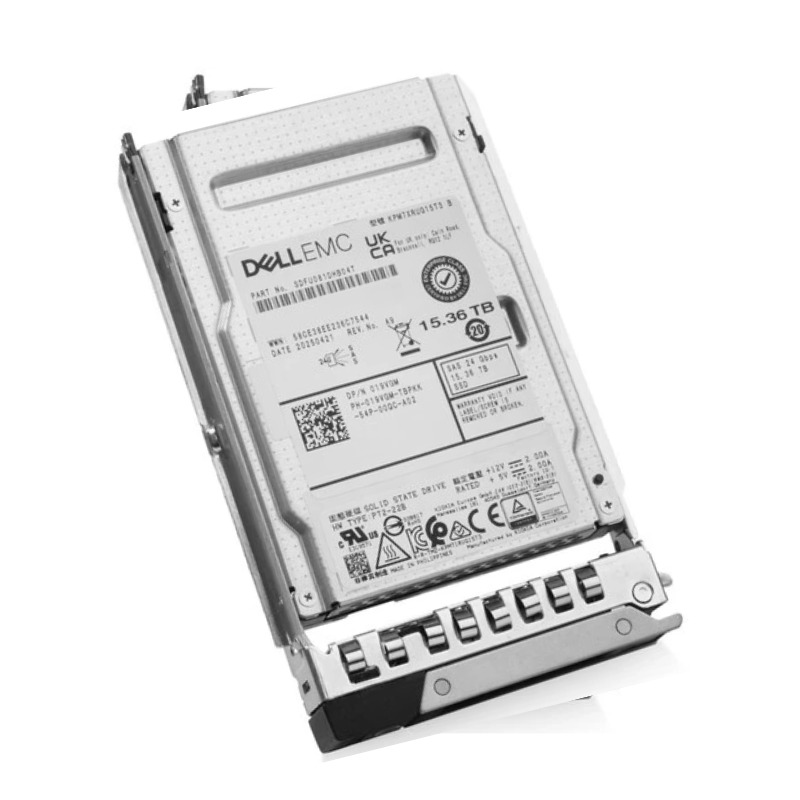


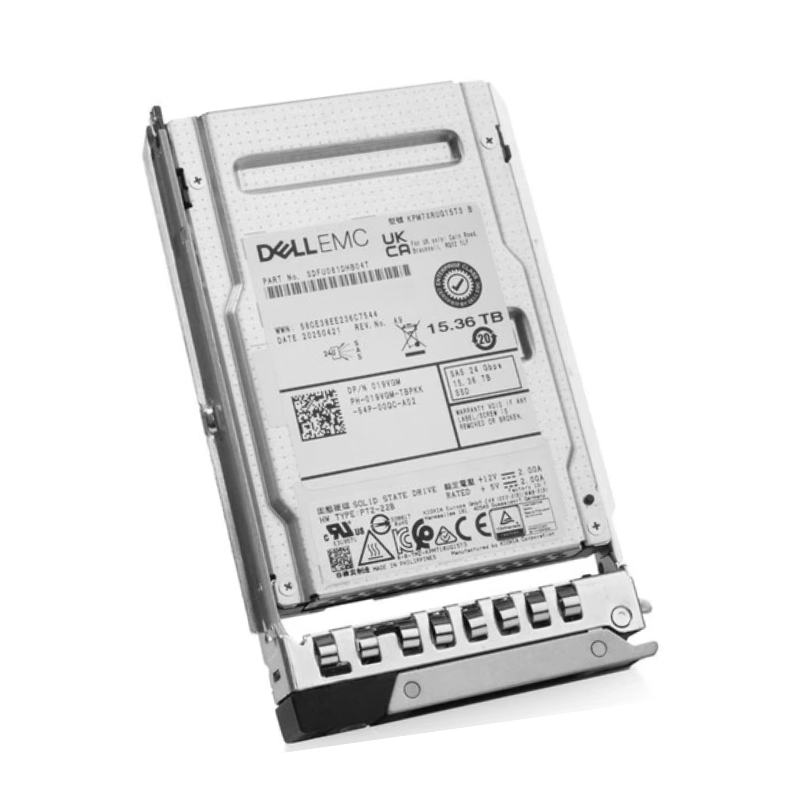
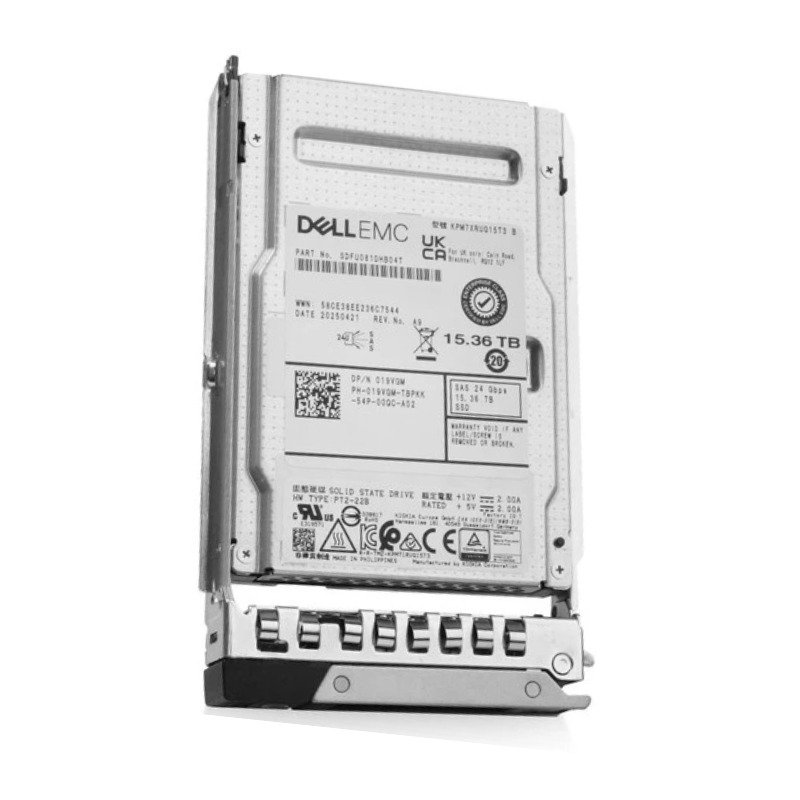
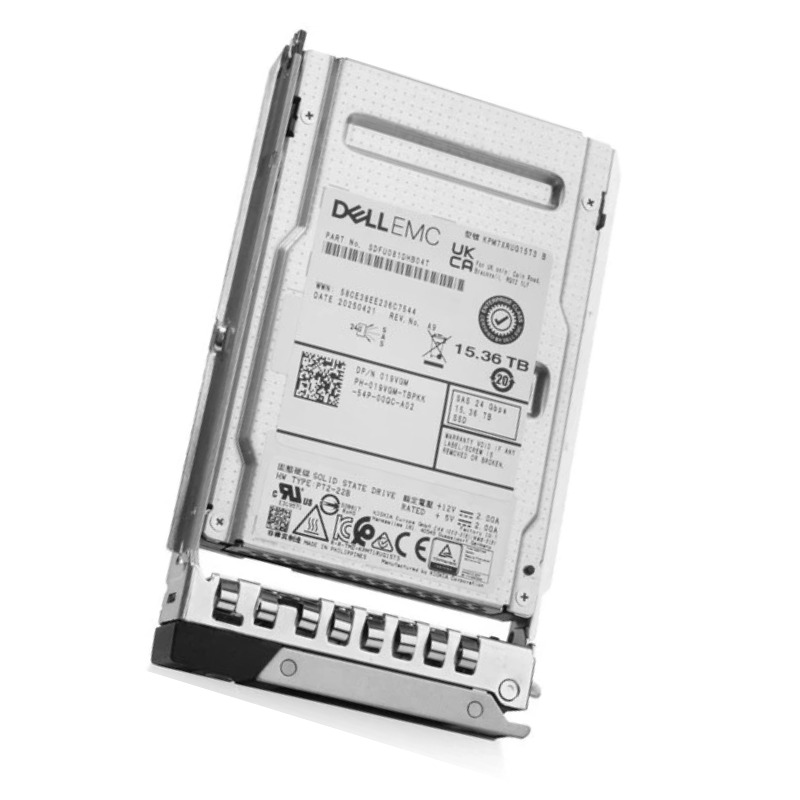
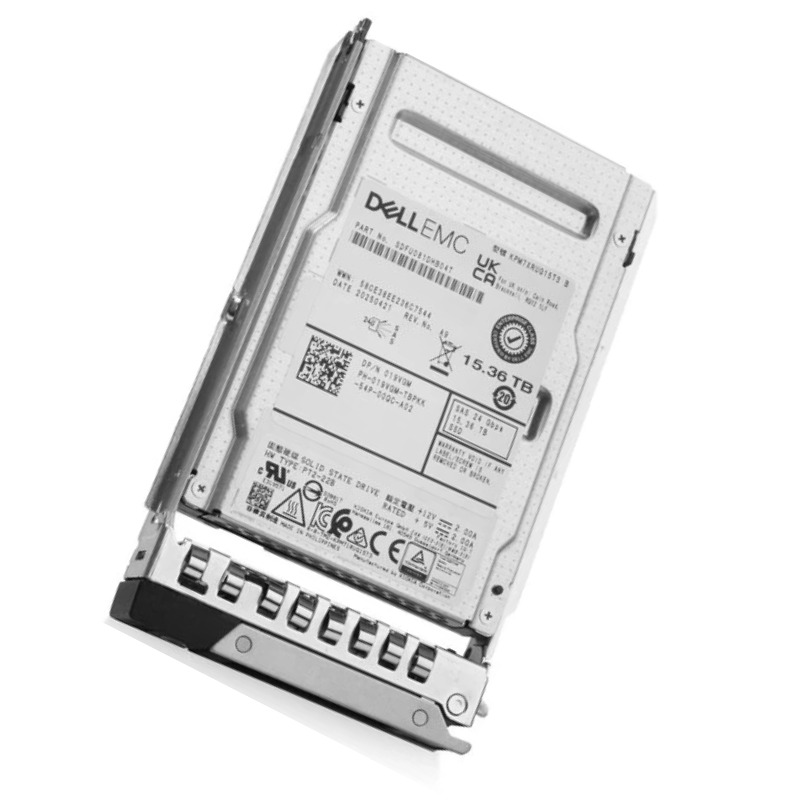
Dell 009H5 15.36TB SAS 24GBPS Read Intensive TLC 1dwpd Small Form Factor Sff 2.5 Inch Enterprise Class Solid State Drive. New Sealed in Box (NIB) with 1 year Replacement Warranty
The category of enterprise-class Serial Attached SCSI (SAS) solid state drives represents a critical foundation for modern data center storage architectures, especially in environments that demand predictable performance, high availability, and robust reliability. Within this category, drives designed for read-intensive workloads occupy a specialized niche, delivering exceptional read throughput and low latency while maintaining endurance profiles optimized for workloads where data is read far more frequently than written. This class of storage is widely adopted across enterprise servers, mission-critical applications, virtualization platforms, and large-scale storage arrays.
Enterprise SAS SSDs differ substantially from consumer or client-grade solid state drives. They are engineered with advanced controllers, higher-grade NAND flash, enterprise firmware, and extensive error correction mechanisms. These drives are validated for 24/7 operation, support dual-port connectivity for high availability, and integrate seamlessly into server backplanes and storage enclosures designed around the SAS protocol. As a category, enterprise SAS SSDs are purpose-built to handle sustained workloads with consistent performance profiles rather than short bursts of peak speed.
High-capacity models within this category, such as those exceeding 15TB, address the growing demand for dense storage footprints without sacrificing performance. By consolidating large amounts of data into a compact 2.5-inch small form factor, organizations can reduce rack space consumption, lower power usage per terabyte, and simplify storage management. The Dell 009H5 15.36TB SAS enterprise SSD exemplifies this segment, representing a convergence of capacity, speed, endurance, and enterprise-grade reliability.
The SAS 24Gbps interface is a defining characteristic of this category, providing a substantial leap in bandwidth over previous SAS generations. Operating at 24 gigabits per second per lane, SAS 4.0 enables higher throughput and improved scalability for enterprise storage infrastructures. This interface is particularly advantageous in environments where multiple drives are aggregated behind high-performance controllers, allowing data to flow efficiently between storage and compute resources.
Unlike SATA-based SSDs, SAS drives offer dual-port connectivity, which is essential for high-availability and failover scenarios. Dual-port support allows the drive to connect to two separate paths, ensuring continuous access to data even if one path fails. This capability is critical in enterprise servers and storage arrays where uptime is non-negotiable and where redundancy is a fundamental design requirement.
The SAS protocol also supports advanced command queuing, error reporting, and management features that are integral to enterprise environments. These capabilities allow system administrators to monitor drive health, manage firmware, and integrate storage devices into complex, multi-tier architectures. As part of this category, SAS 24Gbps SSDs are optimized to work in harmony with modern RAID controllers, host bus adapters, and backplane designs.
Read-intensive enterprise SSDs are specifically engineered to excel in scenarios where data is accessed far more often than it is modified. Common examples include analytics platforms, content delivery systems, media streaming repositories, and virtual desktop infrastructures. In these environments, the ability to deliver fast and consistent read performance directly impacts application responsiveness and user experience.
Drives in this category leverage firmware algorithms that prioritize read operations, minimize latency, and efficiently manage wear across the NAND flash. By tuning write amplification and background maintenance processes, read-intensive SSDs achieve an optimal balance between performance and endurance. The result is a storage solution that can sustain high read IOPS and throughput over extended periods without degradation.
The endurance rating of approximately one drive write per day (1 DWPD) over the warranty period is a hallmark of read-intensive enterprise SSDs. This specification indicates that the entire capacity of the drive can be written once per day while remaining within the supported endurance limits. For many enterprise applications, this level of endurance is more than sufficient, especially when writes are relatively infrequent compared to reads.
By aligning endurance characteristics with actual workload demands, organizations can deploy cost-effective storage solutions without over-provisioning for unnecessary write endurance. This strategic alignment reduces total cost of ownership while still delivering enterprise-grade reliability and longevity.
Triple-level cell (TLC) NAND flash stores three bits of data per cell, enabling higher storage densities compared to multi-level cell (MLC) or single-level cell (SLC) technologies. In enterprise read-intensive SSDs, TLC NAND is carefully selected and paired with sophisticated controllers and firmware to ensure reliable operation and consistent performance.
The use of TLC NAND allows manufacturers to offer significantly higher capacities within a compact form factor. This density advantage is particularly important for data centers seeking to maximize storage per rack unit while controlling power consumption and cooling requirements. When deployed in read-intensive roles, TLC NAND provides an excellent balance between capacity, performance, and cost efficiency.
Enterprise-class firmware plays a crucial role in making TLC NAND suitable for demanding environments. Advanced wear-leveling algorithms, over-provisioning strategies, and error correction techniques work together to extend the usable life of the drive. These mechanisms ensure that write operations are distributed evenly across the NAND, reducing the risk of premature wear.
Additionally, background processes such as garbage collection and block refresh are optimized to minimize impact on foreground read performance. This careful orchestration of internal operations is a defining feature of enterprise SSDs in this category.
The 2.5-inch small form factor (SFF) has become the standard for enterprise SSD deployments due to its versatility and space efficiency. Drives in this form factor can be densely packed into server chassis and storage enclosures, enabling higher storage capacity per system without increasing physical footprint.
High-capacity 2.5-inch SAS SSDs allow organizations to consolidate data from multiple lower-capacity drives into fewer devices. This consolidation simplifies cabling, reduces the number of components that must be managed, and can improve overall system reliability by decreasing potential points of failure.
Enterprise 2.5-inch SAS SSDs are designed for hot-swap capability, allowing drives to be replaced or upgraded without powering down the system. This feature is essential for maintaining uptime in mission-critical environments and supports efficient maintenance workflows in large-scale data centers.
Performance consistency is a key differentiator for enterprise SAS SSDs. Unlike consumer drives that may exhibit significant performance variability under sustained workloads, enterprise-class drives are engineered to deliver predictable latency and throughput. This consistency is vital for applications such as databases, virtual machines, and analytics engines, where performance fluctuations can lead to bottlenecks and degraded service levels.
The combination of SAS 24Gbps connectivity, optimized controllers, and enterprise firmware enables high sequential read speeds and strong random read IOPS. These characteristics make read-intensive SAS SSDs well-suited for both throughput-oriented and latency-sensitive workloads.
Quality of service (QoS) metrics, including latency distribution and tail latency, are critical considerations in enterprise storage. Drives in this category are designed to maintain tight latency bounds even under heavy load, ensuring that critical applications receive consistent performance.
Enterprise SAS SSDs incorporate comprehensive data protection features to safeguard information as it moves through the storage stack. End-to-end data protection mechanisms verify data integrity from the host interface through the controller and into the NAND flash, reducing the risk of silent data corruption.
These features are particularly important in environments handling sensitive or mission-critical data, where even minor data integrity issues can have significant consequences. Error detection and correction codes, along with parity checks and internal redundancy, form the backbone of enterprise SSD reliability.
Power loss protection is another defining characteristic of this category. Integrated capacitors provide enough energy to flush in-flight data to non-volatile memory in the event of an unexpected power interruption. This capability prevents data loss and ensures that the drive remains in a consistent state after power is restored.
Power efficiency is a critical consideration in modern data centers, where energy costs and thermal constraints directly impact operational expenses. Enterprise SAS SSDs are designed to deliver high performance per watt, reducing overall power consumption compared to traditional spinning disks while providing significantly higher throughput.
Efficient power usage also translates into lower heat output, easing the burden on cooling systems and contributing to a more sustainable data center environment. High-capacity SSDs further enhance efficiency by consolidating storage into fewer physical devices.
Integrated thermal sensors and firmware-based throttling mechanisms help maintain optimal operating temperatures. By monitoring internal temperatures and adjusting performance as needed, these drives protect themselves from overheating while maintaining service continuity.
Enterprise SAS SSDs in this category are validated for compatibility with a wide range of server and storage platforms. When designed for specific ecosystems, such as Dell enterprise servers and storage arrays, these drives undergo rigorous testing to ensure seamless integration, firmware compatibility, and predictable behavior.
This level of validation reduces deployment risk and simplifies lifecycle management. Organizations benefit from streamlined support, consistent firmware updates, and confidence that their storage components will perform as expected within the supported infrastructure.
Read-intensive SAS SSDs are commonly deployed in RAID configurations to enhance performance, capacity, and fault tolerance. Their consistent performance and dual-port capabilities make them ideal for high-availability architectures where redundancy and resilience are paramount.
In virtualized environments, storage performance directly affects the density and responsiveness of virtual machines. High-capacity read-intensive SAS SSDs provide the fast read access needed to support large numbers of VMs while maintaining predictable performance across the infrastructure.
Cloud service providers and private cloud deployments leverage these drives to deliver scalable, reliable storage for a wide range of workloads, from application hosting to data analytics.
Analytics platforms and content delivery systems rely heavily on fast read access to large datasets. Enterprise SAS SSDs enable rapid data retrieval, reducing query times and improving overall system efficiency. Similarly, read-heavy database workloads benefit from the low latency and high throughput characteristics of this category.
Ongoing firmware updates and proactive monitoring are essential components of enterprise storage management. Drives in this category support advanced monitoring features that provide insights into health, performance, and remaining endurance. These metrics enable administrators to plan maintenance and replacements proactively.
Firmware updates can address performance optimizations, security enhancements, and compatibility improvements, ensuring that the storage infrastructure remains current throughout its lifecycle.
Enterprise environments require components with long-term availability to support consistent configurations and simplified procurement. High-capacity SAS SSDs are typically offered with extended availability windows, allowing organizations to standardize on a specific model and deploy it across multiple generations of infrastructure.
While enterprise SAS SSDs represent a higher initial investment compared to consumer-grade storage, their long-term value is realized through reliability, performance consistency, and reduced operational costs. Factors such as lower failure rates, reduced downtime, and improved energy efficiency contribute to a favorable total cost of ownership.
High-capacity drives further enhance economic value by reducing the number of devices required to meet storage needs, simplifying management, and lowering infrastructure complexity.
As data volumes continue to grow and application performance requirements become more stringent, enterprise SAS SSDs play a strategic role in enabling scalable, high-performance storage architectures. Read-intensive models provide an efficient solution for workloads where fast access to large datasets is critical, supporting innovation and business agility across industries.


 Contact Us
 Information
 Catalog
 Solid State Drives (SSD)
 Network Switches
 Hard Disk Drives
 HBA & Controllers
 PC & Servers
 PC & Server Memory
 CPU & Processors
 Network Routers
 Power Supplies
 Tape Drives & Libraries
 Network Devices
 Computer & Network Cables