(7% discount is applied at checkout)
Cart is empty
Your go-to destination for cutting-edge server products
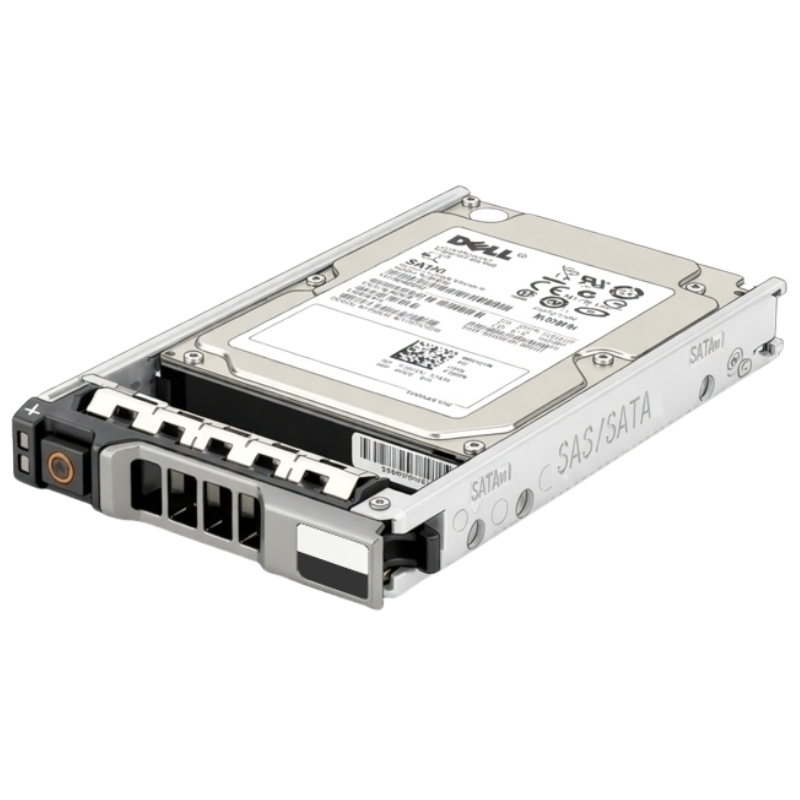


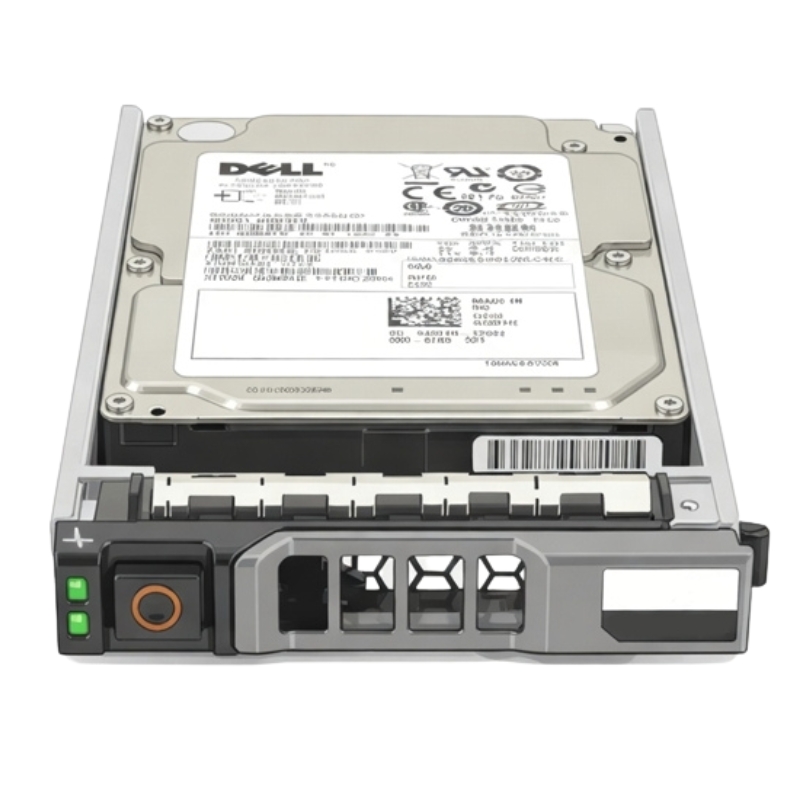
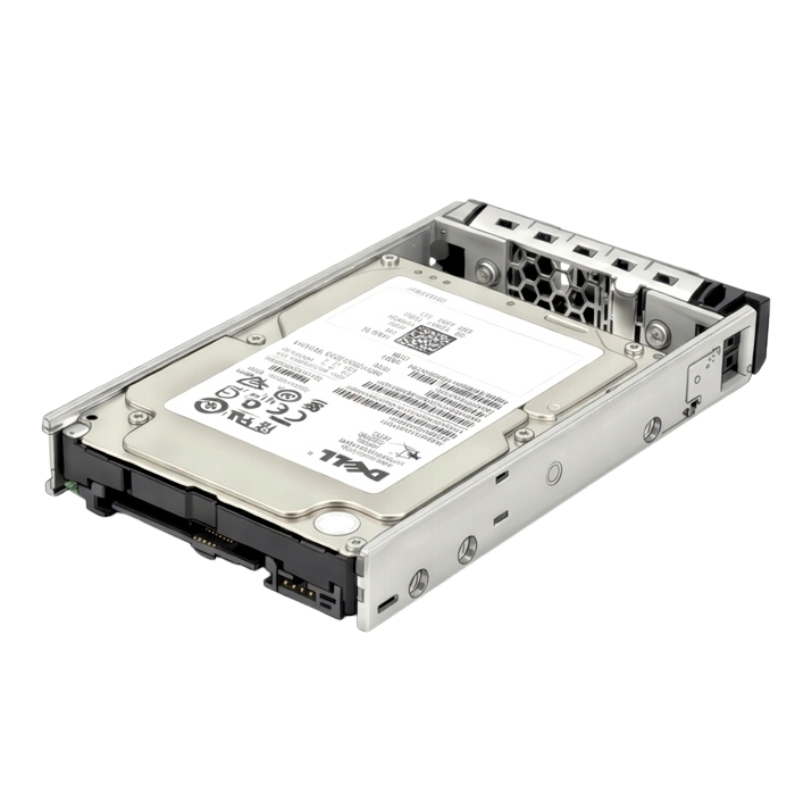
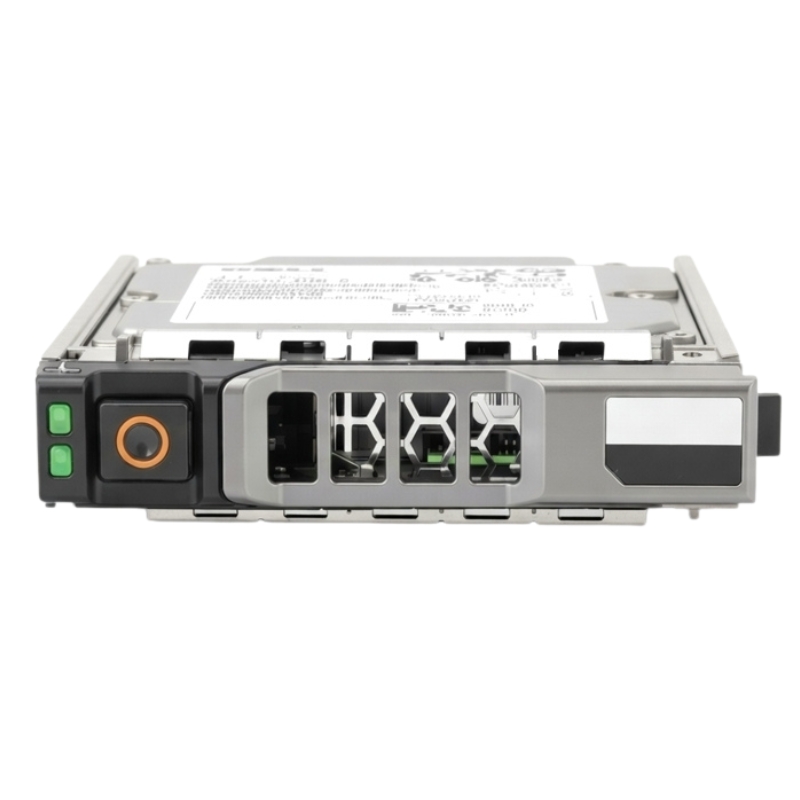
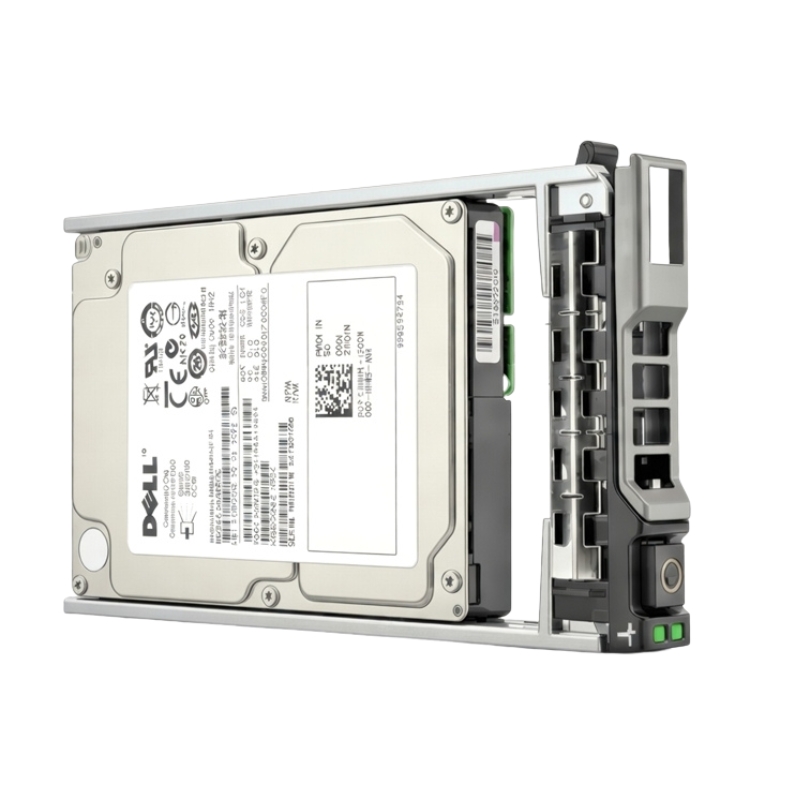
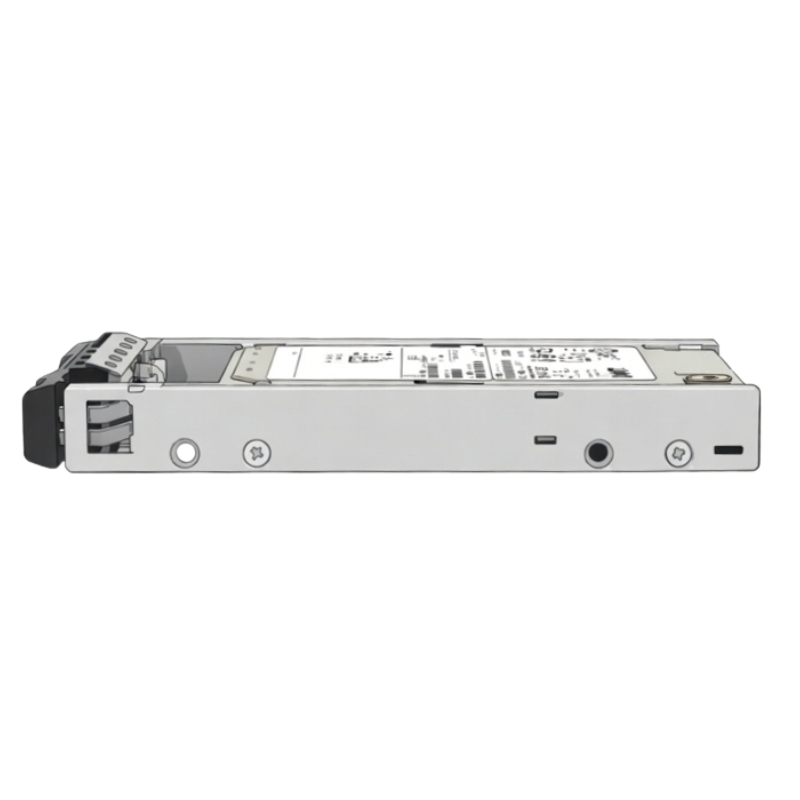
Dell 056M6W 1TB SAS 12Gbps 7.2K RPM 2.5 Inch Hot-Plug Hard Disk Drive With Tray. New Sealed in Box (NIB) with 1 year Warranty
The Dell 056M6W 1TB SAS hard drive is a reliable and enterprise-grade storage solution designed for Dell PowerEdge servers and PowerVault systems. Built for consistent performance and durability, this 2.5-inch hot-plug HDD is ideal for data centers, virtualization environments, and business-critical applications that demand stable throughput and uptime.
The defining characteristic of this drive category is its use of the Serial Attached SCSI (SAS) interface, specifically the 12 gigabits per second (12Gbps) generation. This is a pivotal differentiator from consumer-grade SATA drives and forms the backbone of its enterprise pedigree.
Unlike SATA, a SAS drive features a dual-port architecture. This means it has two separate physical pathways to the server's controller. This enables advanced failover configurations; if one controller or path fails, the drive remains accessible via the alternate port. This is fundamental for building highly available (HA) systems and is a non-negotiable feature for critical applications where downtime is catastrophic.
SAS operates in a full-duplex mode, meaning it can read and write data simultaneously on the same connection, effectively doubling the potential throughput compared to SATA's half-duplex operation. Furthermore, SAS utilizes the expansive SCSI command set, which includes advanced commands for error recovery, priority management, and streamlined operations in complex, multi-drive arrays. This results in more efficient handling of the drive queue and superior performance under heavy loads.
The 12Gbps interface provides a substantial bandwidth pipeline. While the rotational speed of the drive (7.2K RPM) determines the physical access time, this high-speed interface ensures there is no bottleneck when transferring data to and from the drive's cache or when multiple drives are working in tandem in a RAID array. It maximizes the potential of the hardware and future-proofs the system for faster drive replacements or expansions.
The physical design of the Dell 056M6W is tailored for modern, dense server deployments. The 2.5-inch small form factor (SFF) allows for greater storage density within a limited rack unit space compared to traditional 3.5-inch drives. Servers can accommodate more drives, leading to greater potential capacity and more flexibility in configuring RAID levels.
The inclusion of the official Dell hot-plug tray is a critical part of this product category. Hot-plug design is the cornerstone of maintainability in enterprise environments. It allows for the removal and installation of a drive while the server remains powered on and operational.
It is important to verify that the included tray matches the server generation (e.g., PowerEdge R740, R640, R740xd, etc.). These trays often have subtle differences in the latch design, LED light pipes, and connector alignment. Using the correct tray, as provided with the 056M6W drive, guarantees a secure fit and proper communication between the drive's status indicators and the server's front-panel display.
The performance characteristics of this drive are engineered for a specific segment within the data center storage hierarchy.
At 7,200 revolutions per minute (RPM), this drive offers a balanced profile. It provides significantly faster data access and lower latency than nearline or archive-oriented 5.4K RPM drives, while operating with lower power consumption, heat output, and acoustic noise compared to 10K or 15K RPM performance drives. This makes the 7.2K RPM SAS drive an excellent choice for:
Capacity-Optimized Storage Pools: Where large amounts of data need to be accessible with good, but not extreme, performance.
Secondary Application Storage: For hosting databases, file servers, or virtual machines where the working set frequently resides on primary SSDs, but the bulk data is on reliable HDDs.
Dense RAID 6 or RAID 60 Arrays: Where the focus is on redundancy and capacity, and the aggregate performance of many drives together meets the application's needs.
The 1TB capacity point, while not the highest available, holds strategic importance. In enterprise arrays, capacity is often aggregated across many drives. A 1TB drive offers a solid balance between rebuild times and storage density. When a drive in a RAID array fails, the array must rebuild the data onto a replacement. Larger capacity drives (e.g., 4TB+) can take many hours or even days to rebuild, during which time the array is in a degraded, vulnerable state. The 1TB capacity allows for relatively faster rebuilds, reducing the window of risk. It is also an ideal size for boot drives in server configurations or for specific applications that don't require massive single-drive capacity but demand the reliability of SAS.
While specific cache sizes can vary, enterprise SAS drives like the 056M6W typically feature a sizeable cache (often 128MB or more) to optimize read/write operations. The sustained sequential transfer rate, a product of areal density and rotational speed, will be suitable for streaming large files and sequential workloads. The true strength, however, lies in the drive's ability to handle mixed random workloads reliably thanks to the SAS interface's superior queue management.
This category of drives is subjected to far more rigorous design and testing standards than desktop hardware. The Dell 056M6W embodies these enterprise-class attributes.
This drive is engineered for constant operation. It is tested and rated for use in environments where it may be active 24 hours a day, 365 days a year. This contrasts with desktop drives that assume periodic spin-downs and lower annual workload ratings. The mechanics, electronics, and firmware are all optimized for this relentless duty cycle.
Enterprise SAS drives employ advanced error correction codes (ECC) to detect and correct data errors that may occur during reading or writing. More importantly, they support features like Time-Limited Error Recovery (TLER) or its Dell/Dell-specific equivalent. This feature prevents the drive from entering a prolonged deep-recovery cycle that could cause a RAID controller to mistakenly mark the drive as failed and drop it from the array. Instead, it reports an error within a set time limit, allowing the RAID array to use parity data to correct the error and maintain stability.
Drives in this category are typically published with very high MTBF ratings (often in the range of 1.4 to 2.0 million hours) and low AFRs. These are statistical projections based on extensive testing and field data, indicating a much higher expected reliability and longevity under constant use compared to consumer-grade models.
Understanding where this specific drive category excels helps in making an informed purchasing decision.
The primary use case is as a certified, drop-in replacement for a failed drive in an existing Dell PowerEdge server, or to add capacity to a server that supports 2.5-inch SAS drives. Using a Dell-pedigreed drive like the 056M6W ensures full compatibility, avoids potential firmware issues, and maintains the system's warranty and support status.
Nearline Storage & Archives: Perfect for storing compliance data, backups, media libraries, and other data that must be readily accessible but not at the speed of primary storage.
Virtualization Hosts (Secondary Tier): In a hyper-converged or virtualized environment, these drives can store virtual machine templates, less performance-critical VMs, or act as a datastore for archival data.
Database Logs or Secondary Data: While database tablespaces often reside on SSDs, transaction logs or historical data can be effectively stored on reliable 7.2K SAS drives.
Before integration, key compatibility factors must be addressed.
The drive requires a server backplane with SAS (SFF-8482) connectors and a SAS RAID or HBA controller. It is natively compatible with Dell PowerEdge servers from the 12th generation (Rx20) onward, and many newer generations, but verification for a specific model is always recommended. The 12Gbps interface is backward compatible with 6Gbps and 3Gbps SAS infrastructures, though it will operate at the lower speed.
As a genuine Dell part, this drive's firmware can be managed and updated through Dell tools like the Dell OpenManage Server Administrator (OMSA), iDRAC (Integrated Dell Remote Access Controller), and the Dell Update Packages (DUPs). This ensures the drive operates with firmware validated for stability and performance within the Dell server ecosystem.
For optimal data protection, these drives should be deployed in a redundant RAID configuration such as RAID 1 (mirroring), RAID 5 (striping with parity), RAID 6 (dual parity), or RAID 10 (mirrored stripes). The choice depends on the required balance between capacity, performance, and fault tolerance. The drive's TLER-like feature is essential for reliable operation in these arrays.


 Contact Us
 Information
 Catalog
 Solid State Drives (SSD)
 Network Switches
 Hard Disk Drives
 HBA & Controllers
 PC & Servers
 PC & Server Memory
 CPU & Processors
 Network Routers
 Power Supplies
 Tape Drives & Libraries
 Network Devices
 Computer & Network Cables