(7% discount is applied at checkout)
Cart is empty
Your go-to destination for cutting-edge server products
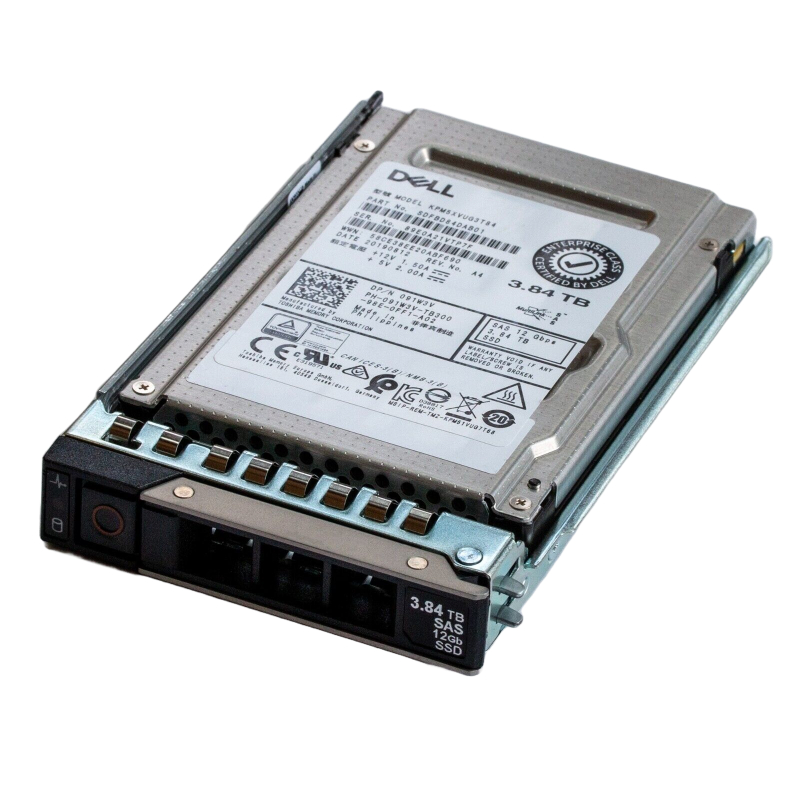


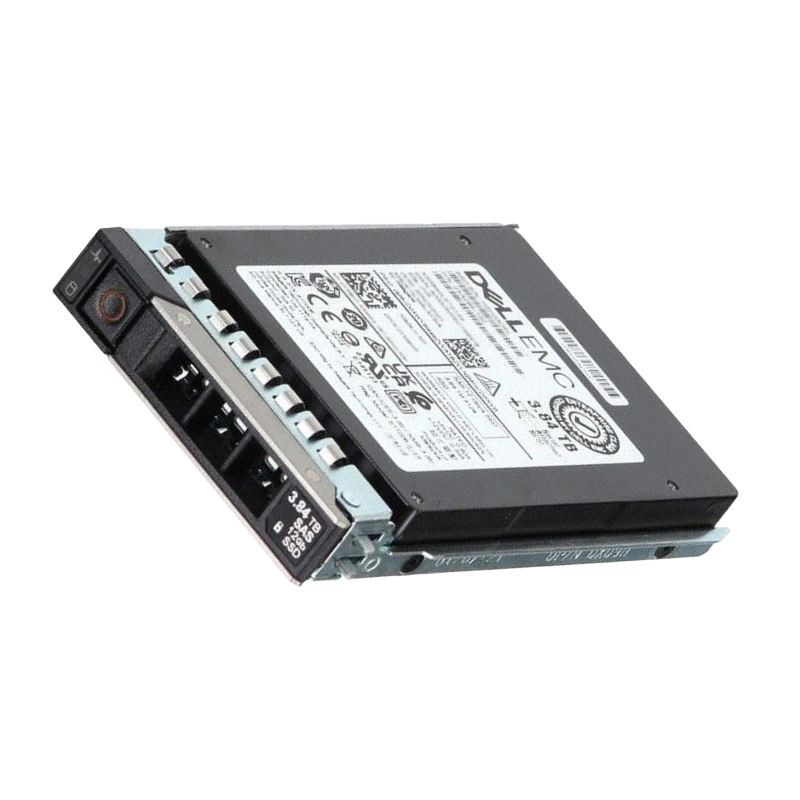
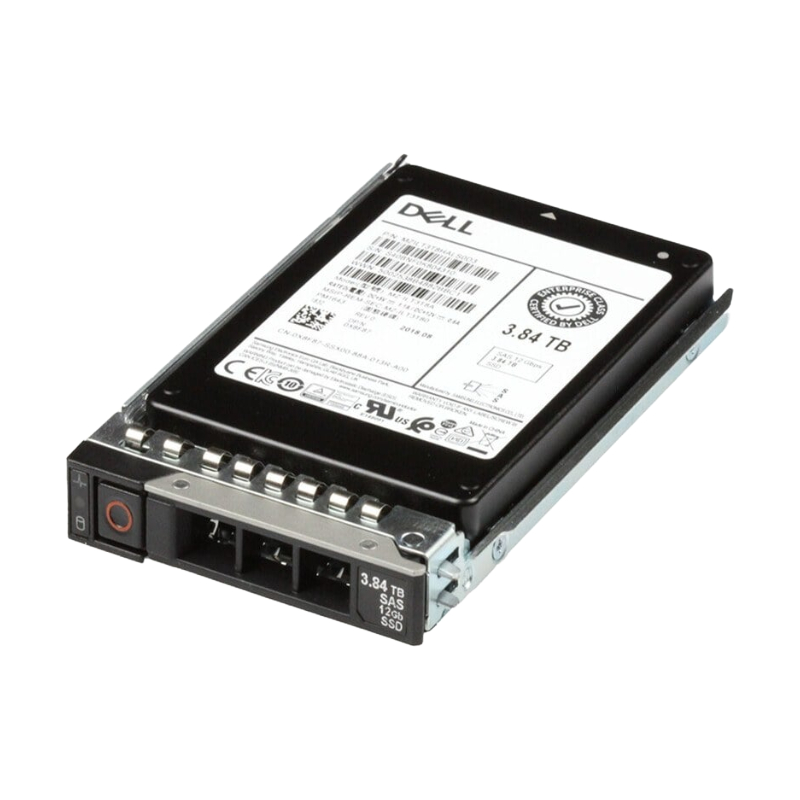
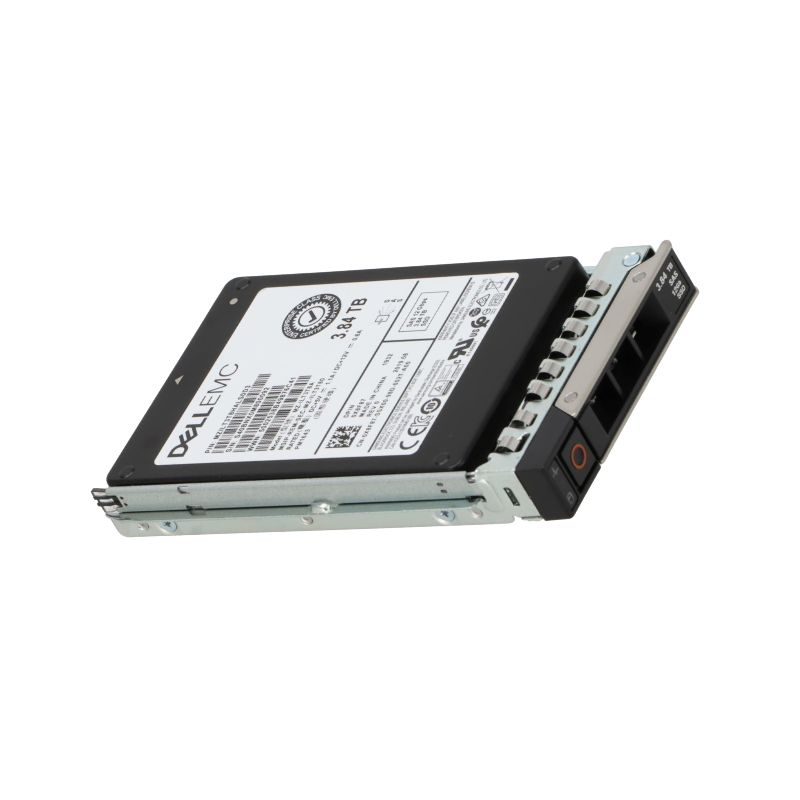
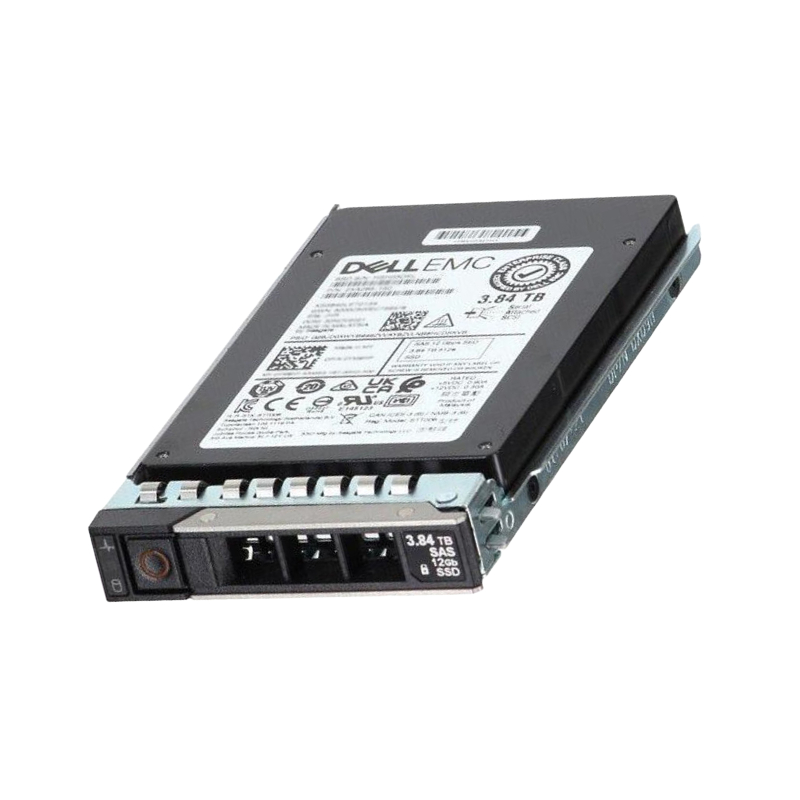
Dell 091W3V 3.84TB SAS-12GBPS Mixed-Use TLC 512e SFF Form Factor Hot-Plug 13G/14G for Poweredge Server Solid State Drive. Excellent Refurbished with 1 year replacement warranty
| SKU/MPN | Warranty | Price | Condition | You save |
|---|---|---|---|---|
| 091W3V | 1 Year Warranty | $1,947.00 | New Sealed in Box (NIB) | You save: $681.45 (26%) |
| 091W3V | 1 Year Warranty | $1,045.00 | Excellent Refurbished | You save: $365.75 (26%) |
The Dell 091W3V family represents a focused category of enterprise-grade solid state drives engineered for PowerEdge server environments where a balance of sustained performance, endurance, and cost-efficiency is required. These drives occupy the 2.5-inch small form factor (SFF) hot-plug bay and connect over SAS at 12 Gbps, using 512e sector emulation and triple-level cell (TLC) NAND that has been tuned for mixed-use workloads. Built to fit 13th and 14th generation Dell PowerEdge chassis and compatible controllers, the 3.84TB capacity point addresses the common enterprise need for mid-capacity high-performance storage that supports a wide variety of applications including virtualization, medium-size databases, OLTP, email servers, and general-purpose server-side caching. The design emphasis on mixed-use means these SSDs trade off raw write endurance versus the higher-cost write-intensive models, while still delivering strong random read and write consistency and enterprise-grade reliability features such as Power Loss Protection, SMART reporting, and firmware suited for clustered and RAID configurations.
The 091W3V drives are produced in the 2.5-inch SFF hot-plug form factor that fits the common sleds and carriers used in Dell PowerEdge racks and towers. The hot-plug design is essential for modern data center operations where drives need to be replaced or upgraded without powering down servers. The SAS-12Gbps interface ensures backward compatibility with SAS controllers operating at lower speeds, while presenting the advanced 12 Gbps signaling for systems and backplanes that support it. The use of 512e sector emulation maintains compatibility with legacy operating systems and storage stacks that expect 512-byte sector behavior while enabling higher internal NAND organization efficiencies. Physically, the drive integrates with standard Dell carriers and supports the mechanical and electrical features Dell requires for system management, blade sleds, and midplane connections on 13G and 14G PowerEdge families.
Triple-level cell (TLC) NAND in a mixed-use configuration is chosen for the 091W3V series to deliver higher areal density and lower cost per gigabyte compared to write-intensive SLC or MLC drives, while still achieving reasonable write endurance through controller algorithms, over-provisioning, wear-leveling, and background garbage collection. Mixed-use TLC delivers a middle ground: better endurance and performance than consumer TLC parts in typical server workloads, yet lower purchase price than pure write-intensive enterprise parts. For administrators, the important considerations are endurance ratings expressed as drive writes per day (DWPD) or total bytes written (TBW) for the warranty period, and the manufacturer’s recommended workload profiles. Drives in this class are intended for a mix of read-dominant and write-bursty patterns common in virtualization and general-purpose database workloads, where predictable performance and wear management are more valuable than raw maximum sustained write throughput under pathological sequential write streams.
Performance for the 3.84TB mixed-use model focuses on consistent random IOPS performance across a range of queue depths while providing solid sequential throughput for backup windows and large IO transfers. Typical deployment scenarios include virtualization hosts running dozens to hundreds of virtual machines, moderate-size SQL and NoSQL databases, caching and tiered storage layers, email and messaging systems, and mixed transactional workloads. The mixed-use endurance and performance characteristics make these drives particularly well-suited for mid-tier tiers within multi-tier storage architectures. In architectures that combine high-performance write-intensive tiers with cost-efficient archive tiers, the 091W3V drives commonly serve as a general-purpose tier providing predictable performance and capacity without the price premium of higher-end enterprise write-intensive SSDs.
When integrating these drives into server arrays, administrators should expect enterprise-grade low latency under nominal load conditions, with small-block random read performance being a key strength. Write latency is controlled by firmware algorithms and drive-level caches, which smooth bursts but are designed to remain predictable over extended periods. The SAS interface also supports full-duplex operation, which in multi-drive configurations enables high aggregate throughput while maintaining low latency. Performance scales with the number of drives in RAID or software-defined arrays, and designs that leverage multiple controllers and lanes can exploit parallelism to achieve higher overall IOPS and throughput. For peak workloads that are write-heavy, it is advisable to model endurance and performance curves against expected write amplification and to consider higher over-provisioning or tiering strategies to prevent excessive wear.
Compatibility with PowerEdge server generations 13G and 14G is a defining advantage for the 091W3V category. These SSDs are validated against Dell backplanes and the commonly deployed PERC RAID controllers and HBA fabrics, ensuring hot-swap capability, firmware update compatibility, and correct reporting to system management tools. Integration goes beyond physical fit: Dell’s iDRAC and OpenManage suites can interrogate drive SMART data, health, and firmware versions to provide administrators with centralized visibility and automated alerts. When used in hardware RAID arrays, the SAS protocol and RAID controller firmware must coordinate well with drive features such as command completion and power management to prevent write cache hazards. Dell-certified drives typically undergo additional validation steps to ensure predictable behavior in RAID reconstructions and during firmware upgrades orchestrated by Dell management workflows.
Thermal behavior and power consumption are practical considerations when deploying many drives per chassis. The 091W3V drives are engineered to operate within the thermal envelopes common to 13G and 14G PowerEdge chassis, but dense configurations and high sustained loads can increase temperature, which impacts performance and endurance. Proper airflow planning at the chassis and rack level, combined with monitoring through system telemetry, preserves performance and prolongs drive life. Power loss protection circuitry protects against data loss during unexpected power events, but system-level redundancy — such as redundant power supplies and UPS systems — complements drive-level protections for mission-critical workloads. Administrators should also consider the power profile of mixed-use TLC drives versus other classes when budgeting rack power and cooling capacity.
At 3.84TB, the drives fit well into capacity planning schemes that aim for balanced density without the thermal and endurance penalty of very high capacity multi-terabyte parts. Organizations deploying these drives commonly design arrays where several drives contribute to RAID groups or software-defined storage nodes to achieve both redundancy and performance. Mixed-use drives are often placed in tiers where active data and hot working sets reside, while colder data is moved to high-capacity HDDs or archival SSDs. The resulting tiered architecture optimizes cost per usable gigabyte while ensuring the active tier remains responsive. Capacity planning should incorporate over-provisioning overhead, RAID parity overhead, and expected growth to optimize procurement and expansion timelines.
Within Dell’s SSD portfolio, the 091W3V 3.84TB mixed-use SAS drives occupy a mid-market enterprise tier. They are positioned between high-capacity archival SSDs and higher-end write-intensive drives that cost more per gigabyte but offer substantially higher DWPD and longer endurance. For workloads that are read-heavy or mixed with occasional bursts of writes, the mixed-use drive delivers an attractive cost-to-performance ratio. Buyers should compare parameters such as DWPD, TBW, random IOPS at various queue depths, sequential throughput, latency percentiles, warranty length, and Dell’s certification status when deciding between siblings in the portfolio. Pricing trends and the desired balance between performance and cost will influence whether these drives are selected for active tiers, caching layers, or as the backbone of a general-purpose storage pool.
Typical deployments of the 091W3V 3.84TB mixed-use drives include virtualization clusters where multiple VMs share storage resources, middle-tier database servers providing low-latency transactional access, and web application backends that require sustained read performance with occasional write peaks. In a hyperconverged environment, these drives may serve as the performance tier for frequently accessed objects, while colder data spills to denser nodes. In tiered SAN or DAS architectures, the drives often provide the primary working set, delivering fast response times for end users and reducing load on higher latency storage layers. The drives’ balance of capacity and performance makes them a pragmatic choice for enterprises seeking measurable improvements in application responsiveness without the budgetary impact of top-tier write-intensive SSDs.


 Contact Us
 Information
 Catalog
 Solid State Drives (SSD)
 Network Switches
 Hard Disk Drives
 HBA & Controllers
 PC & Servers
 PC & Server Memory
 CPU & Processors
 Network Routers
 Power Supplies
 Tape Drives & Libraries
 Network Devices
 Computer & Network Cables