(7% discount is applied at checkout)
Cart is empty
Your go-to destination for cutting-edge server products
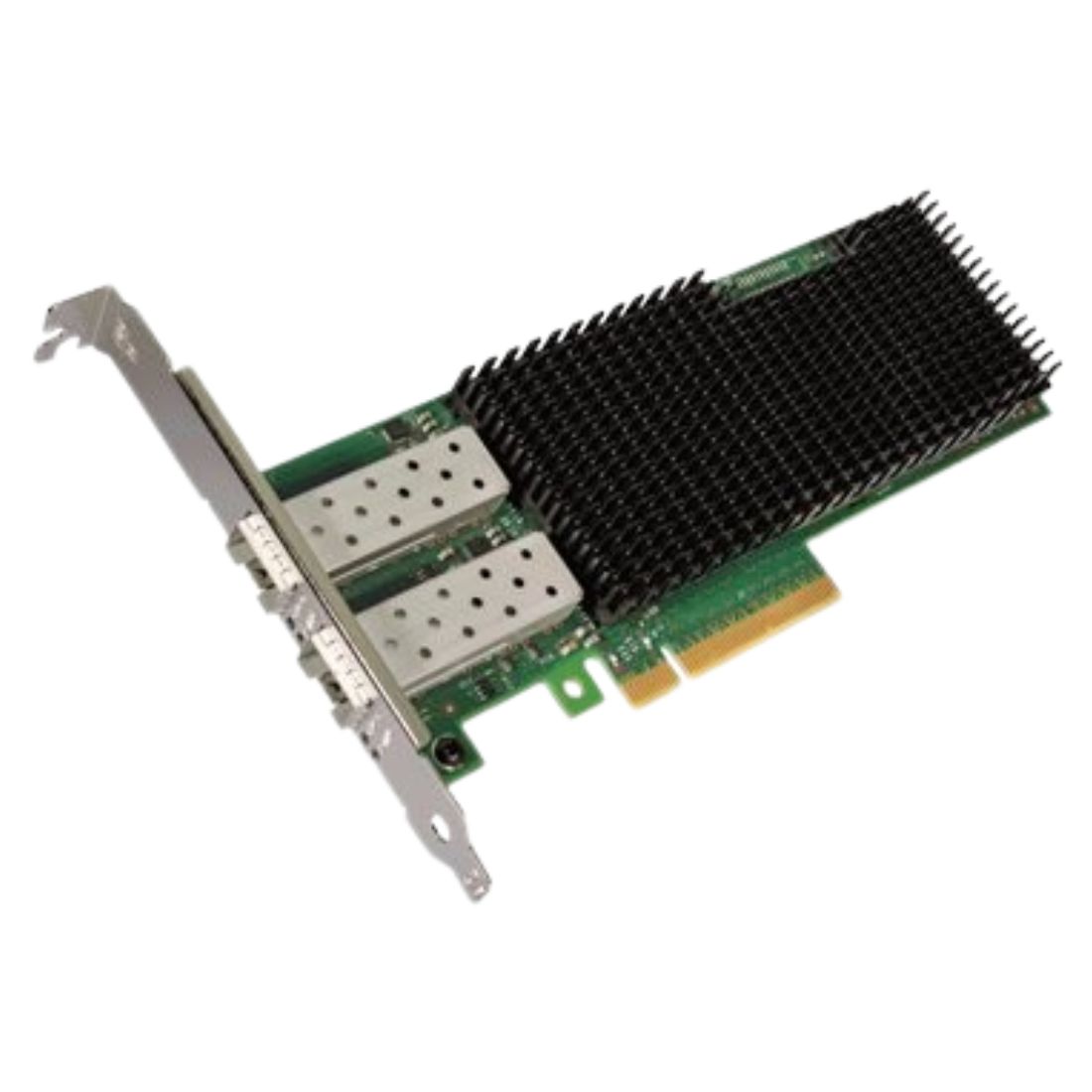


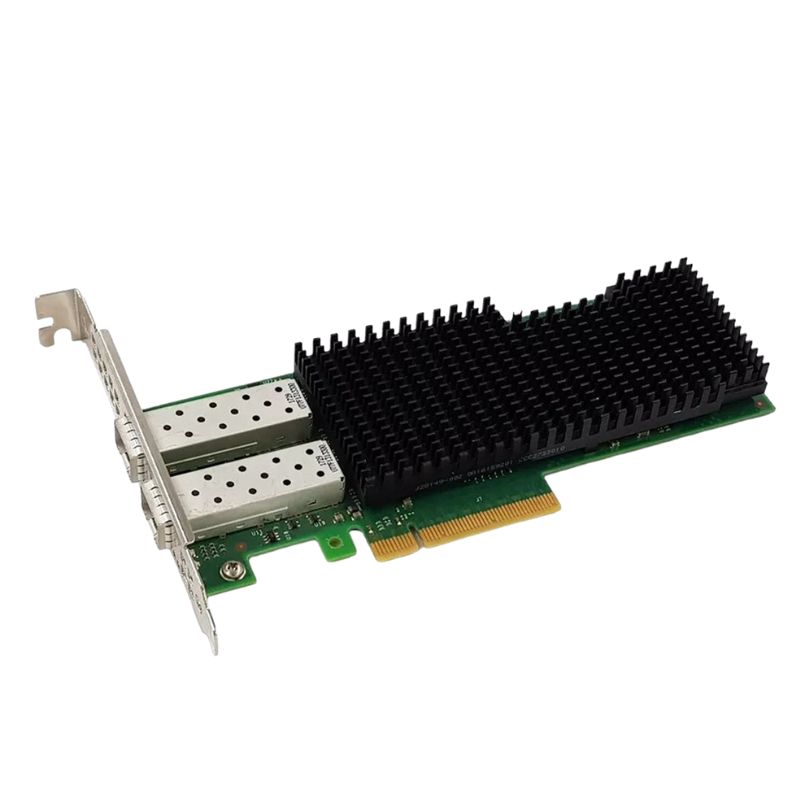
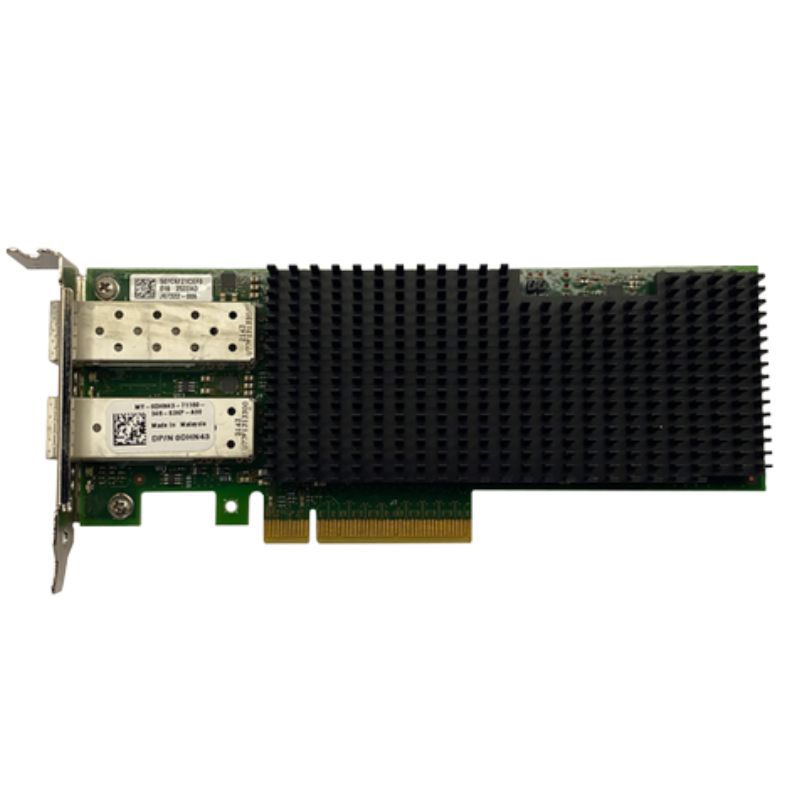
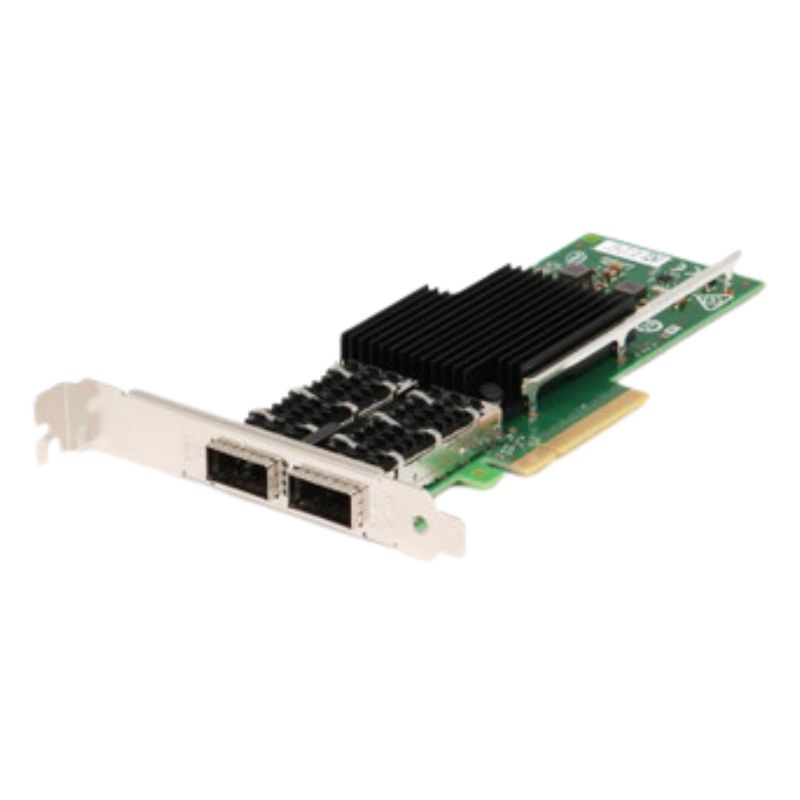
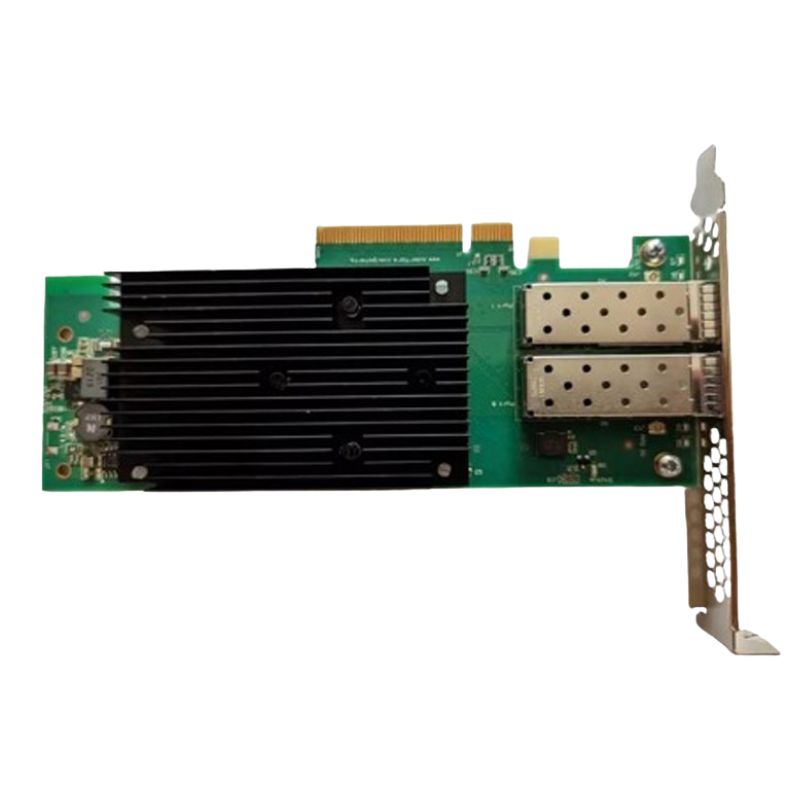
Dell 0NJFX QLogic 25Gb Dual Port SFP+ PCI-E 3.0 x8 Intelligent Ethernet Adapter. New Sealed in Box (NIB) with 1 Year Warranty
The Dell 0NJFX QLogic 25Gb Dual Port SFP+ PCI-E 3.0 x8 Intelligent Ethernet Adapter is a high-performance networking solution tailored for enterprise-level data centers and virtualization environments. It is designed to provide exceptional throughput, reliability, and scalability, meeting the demands of modern IT infrastructures. Its dual-port configuration and PCI-E 3.0 x8 interface ensure robust connectivity and efficient data transfer for bandwidth-intensive applications.
The Dell 0NJFX QLogic 25Gb Dual Port SFP+ PCI-E 3.0 x8 Intelligent Ethernet Adapter represents a high-performance networking category designed for modern enterprise data centers requiring low-latency, high-throughput, and scalable Ethernet connectivity. This category of intelligent network interface cards (NICs) is engineered to support demanding workloads such as virtualization, cloud computing, high-frequency trading systems, storage over Ethernet (iSCSI, NVMe over Fabrics), and large-scale distributed applications.
As part of the 25 Gigabit Ethernet (25GbE) ecosystem, this adapter class is positioned between traditional 10GbE and higher-end 40/100GbE solutions, offering a balanced combination of performance efficiency, power optimization, and cost-effectiveness. Built on a PCI Express 3.0 x8 interface and utilizing dual SFP+ ports, this category enables flexible fiber connectivity and high-density server deployment strategies in enterprise environments.
25GbE intelligent Ethernet adapters such as those based on QLogic controller architecture are widely adopted in next-generation data center fabric designs. The shift toward 25GbE is driven by increasing demands for bandwidth-intensive workloads, including hyper-converged infrastructure (HCI), real-time analytics, artificial intelligence pipelines, and containerized microservices architectures.
In these environments, traditional 10GbE networks often become bottlenecks, while 40GbE solutions may introduce unnecessary cost and power overhead. The 25GbE category provides an optimal mid-tier solution, delivering significantly improved throughput while maintaining compatibility with modern switch ecosystems and fiber infrastructure.
Adapters in this category are typically deployed in server clusters, blade systems, and virtualization hosts, where consistent packet processing efficiency and reduced CPU overhead are critical for maintaining application performance.
The 0NJFX PCI Express 3.0 x8 interface is a foundational component of this adapter category, providing a theoretical bandwidth sufficient to support dual-port 25GbE throughput without saturating the host bus. PCIe Gen3 architecture offers approximately 8 GT/s per lane, and with eight lanes available, the interface ensures balanced data flow between the network controller and system memory.
This configuration is particularly important for high-throughput workloads where packet processing, buffering, and DMA operations occur at line rate. The x8 lane configuration ensures that the adapter can handle simultaneous bidirectional traffic streams without introducing latency spikes or throughput degradation.
The PCIe 3.0 x8 interface also plays a role in enabling intelligent offload capabilities. By providing sufficient bandwidth and low-latency communication between NIC and CPU, it allows the adapter to implement hardware-based acceleration features such as checksum offload, segmentation offload, and interrupt moderation. These optimizations reduce CPU utilization and free processing resources for application-level workloads.
Dual port SFP+ connectivity is a defining characteristic of this adapter category, allowing for flexible deployment in both short-range and long-range networking scenarios. Each port supports interchangeable transceivers, enabling the use of fiber optic cables or direct attach copper (DAC) cables depending on infrastructure requirements.
This modularity allows enterprises to adapt network configurations without replacing hardware, supporting both rack-level interconnects and cross-data-center communication links. The SFP+ form factor also ensures compatibility with a wide range of industry-standard optical modules, facilitating interoperability across heterogeneous network environments.
Dual port architecture provides inherent redundancy, enabling failover configurations where one port can take over traffic in the event of a link failure. Additionally, load balancing techniques can distribute network traffic across both ports, improving throughput efficiency and reducing congestion in high-demand environments.
The 25GbE standard is engineered to deliver a significant performance improvement over legacy 10GbE systems while maintaining similar physical infrastructure principles. This category of adapters is optimized for packet-per-second efficiency, ensuring that small packet workloads and large data transfers are handled with minimal delay.
Low latency is achieved through optimized hardware queues, intelligent interrupt handling, and direct memory access (DMA) pathways that minimize CPU intervention. This makes the adapter suitable for latency-sensitive applications such as financial trading platforms and real-time data processing systems.
Scalability is a critical feature of 25GbE networking solutions. These adapters support high-density server environments where multiple virtual machines and containers operate simultaneously. The increased bandwidth per port allows fewer physical interfaces to handle greater traffic loads, reducing switch port consumption and simplifying network topology.
QLogic-based intelligent Ethernet controllers integrate advanced hardware offload engines that process networking tasks independently of the host CPU. These engines handle packet classification, checksum validation, TCP segmentation, and other protocol-level operations at wire speed.
By shifting these tasks from software to hardware, system efficiency is significantly improved, resulting in lower latency and higher overall throughput in enterprise deployments.
Intelligent Ethernet adapters in this category often include TCP/IP offload capabilities, which reduce CPU workload by handling protocol processing directly on the NIC. This improves system efficiency in environments with heavy network traffic.
Large Send Offload (LSO) and Large Receive Offload (LRO) features optimize packet segmentation and reassembly, reducing the number of CPU cycles required for network processing. These capabilities are particularly useful in virtualized environments and high-throughput storage systems.
Hardware-based checksum and segmentation acceleration ensure data integrity while minimizing software overhead. These features are essential for maintaining reliable communication in enterprise-grade storage and database systems.
Single Root I/O Virtualization (SR-IOV) enables the adapter to present multiple virtual functions to hypervisors, allowing virtual machines to directly access network resources with near-native performance. This reduces virtualization overhead and improves network efficiency in cloud environments.
By offloading networking tasks and supporting direct device assignment, the adapter improves virtual machine density per physical host. This is particularly important in private cloud infrastructures and enterprise virtualization clusters.
Adapters in this category are frequently used for iSCSI-based storage networks, where low latency and high throughput are essential for maintaining consistent disk performance. Hardware acceleration improves storage access times and reduces CPU load on storage servers.
With the growing adoption of NVMe over Fabrics (NVMe-oF), 25GbE adapters provide a suitable transport layer for high-speed storage communication between compute nodes and storage arrays. This enables near-local disk performance across distributed architectures.
In hyper-converged infrastructure systems, compute, storage, and networking are tightly integrated. The 25GbE intelligent adapter category ensures that inter-node communication does not become a performance bottleneck, enabling seamless scaling of clustered resources.
Cloud providers rely heavily on high-density, high-throughput networking solutions. Dual port 25GbE adapters provide the necessary bandwidth to support multi-tenant environments, distributed services, and large-scale API-driven workloads.
These adapters integrate efficiently with modern spine-leaf network architectures, where multiple high-speed links interconnect servers and switches. The result is a non-blocking fabric capable of handling east-west traffic patterns common in modern applications.
Security processing features integrated into intelligent Ethernet adapters can include encryption acceleration and secure packet processing. These capabilities help maintain performance while enforcing data protection policies.
Network segmentation is essential in multi-tenant environments. The adapter supports logical separation of traffic streams, ensuring secure isolation between different workloads running on the same physical infrastructure.
Power efficiency is a key consideration in modern data center hardware. The PCIe 3.0 architecture combined with optimized QLogic controller design helps reduce overall power consumption while maintaining high throughput levels.
High-speed networking reduces latency in distributed database systems and analytics platforms, enabling faster query execution and real-time data processing.
Modern container orchestration platforms benefit from high-bandwidth networking interfaces, allowing microservices to communicate efficiently across nodes.


 Contact Us
 Information
 Catalog
 Solid State Drives (SSD)
 Network Switches
 Hard Disk Drives
 HBA & Controllers
 PC & Servers
 PC & Server Memory
 CPU & Processors
 Network Routers
 Power Supplies
 Tape Drives & Libraries
 Network Devices
 Computer & Network Cables