(7% discount is applied at checkout)
Cart is empty
Your go-to destination for cutting-edge server products


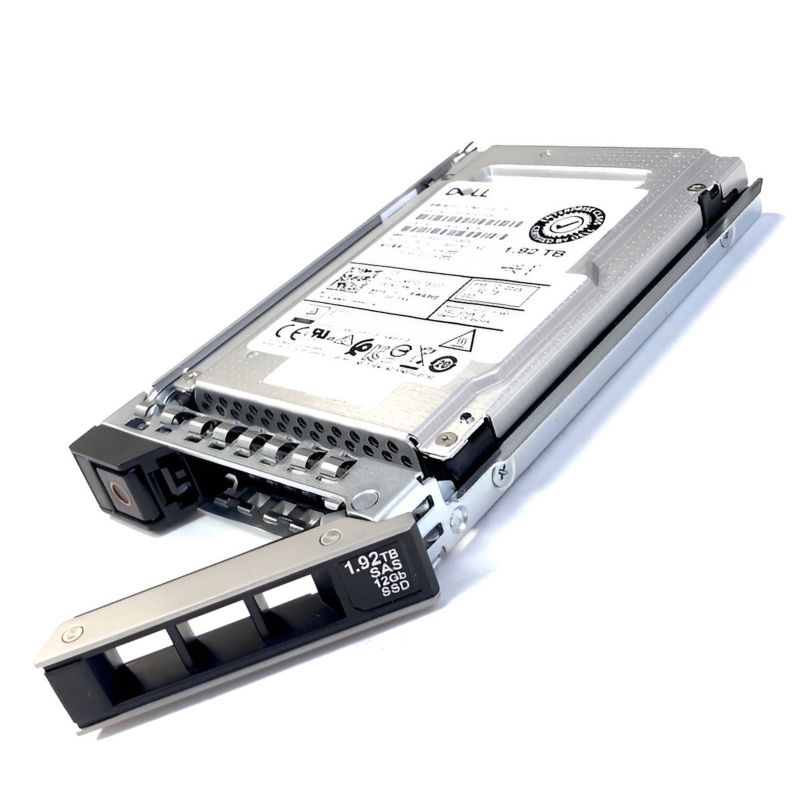
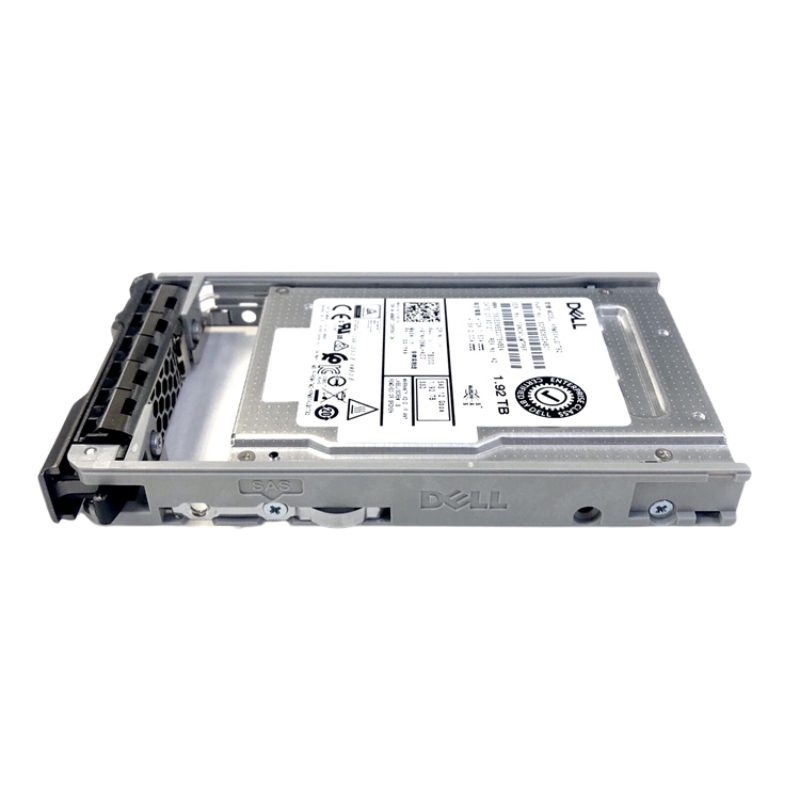
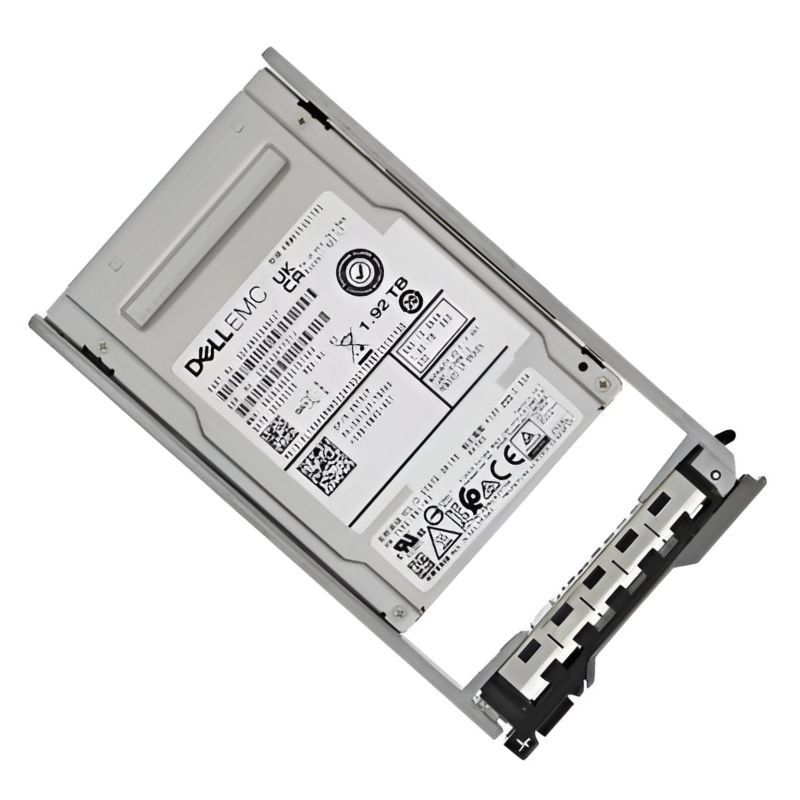
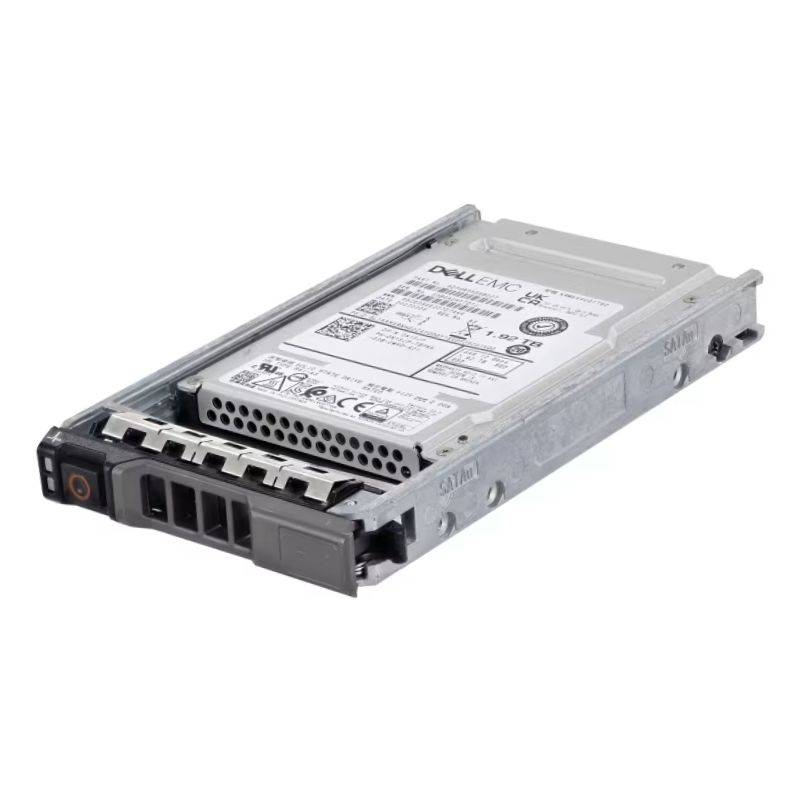
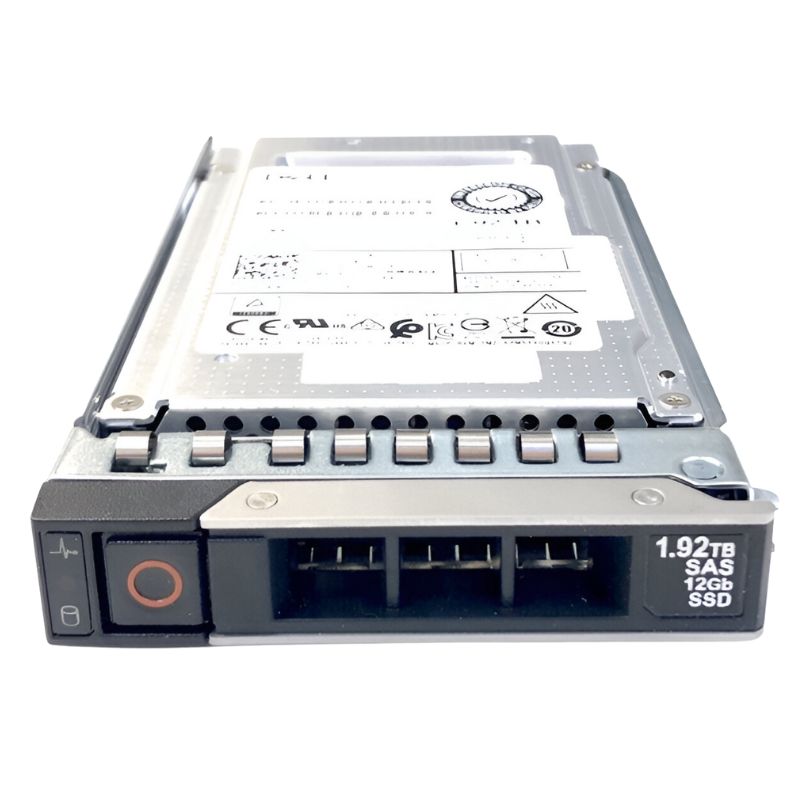
Dell 400-AQOI 1.92TB SAS 12GBPS 512E 2.5inch Read Intensive Tlc Hot Plug SSD. Excellent Refurbished with 1 Year Replacement Warranty
The Dell 400-AQOI 1.92TB Read-Intensive TLC SAS-12GBPS 512e 2.5inch Hot Plug Solid State Drive for PowerEdge Server is engineered to satisfy the demanding throughput and consistent latency requirements of read-dominant enterprise applications. Designed as a direct-fit replacement or capacity expansion option for Dell PowerEdge servers, the Dell 400-AQOI SSD blends a compact 2.5-inch form factor, hot-plug capability, and a proven SAS 12Gbps interface to deliver reliable connectivity, predictable performance and simplified integration into existing server and storage arrays. This category centers on storage components that prioritize sustained read performance while balancing cost-effectiveness through TLC flash media and advanced firmware that optimizes wear management and read caching strategies, making the Dell 400-AQOI a pragmatic choice for read-centric use cases.
The interface layer of the Dell 400-AQOI uses the enterprise-grade SAS 12Gbps protocol, providing robust link-level reliability, dual-path capability when implemented in compatible controllers, and the signaling headroom needed for multi-queue enterprise workloads. Support for 512e sector emulation ensures backward compatibility with operating systems and storage controllers that expect traditional 512-byte logical sectors while taking advantage of modern 4K physical sector efficiency where applicable. The 2.5-inch 2.5inch form factor keeps the unit compatible with high-density server trays and blade enclosures, enabling data center architects to increase capacity without sacrificing rack density or airflow design principles. Hot-plug capability allows system administrators to replace or upgrade drives with minimal disruption, making the Dell 400-AQOI a sensible component for serviceable, uptime-sensitive environments.
At the heart of this category, and specifically the Dell 400-is Triple-Level Cell (TLC) NAND flash memory. TLC offers a favorable compromise between storage cost per gigabyte and usable lifetime for workloads that are read-dominant. Drives in this class use controller logic, firmware-level wear-leveling, and error-correction algorithms to extend usable life and maintain consistent read performance even as program/erase cycles accumulate. The designation “Read-Intensive” signals that the device is tuned to excel at serving large volumes of read requests with low and consistent latency rather than maximizing sustained write endurance. For organizations with heavy database reads, large-scale virtualization read patterns, content distribution, or analytics scanning, the Dell 400-AQOI offers a cost-sensitive route to enterprise-class reliability without paying a premium for write-centric drive types.
Performance for read-focused SSDs like the Dell 400-AQOI is best understood as a combination of peak throughput capability, sustained read bandwidth, and latency consistency under mixed or queued I/O. The SAS-12Gbps bus provides the bandwidth to sustain high sequential and random read streams when paired with modern controllers and driver stacks. Internal controller optimizations handle queue management and command prioritization so that mixed I/O workloads do not unduly affect read response times. This makes the drive well suited for read-mission critical tasks where quality of service is important. In addition, enterprise firmware in this product family often includes features aimed at preventing latency spikes during background operations such as garbage collection, further improving the predictability of read response times in production systems.
Pick the Dell 400-AQOI when the operational profile of your application emphasizes reads over writes and you need a balance between cost and enterprise reliability. Typical deployments include, but are not limited to, database replicas and read-only instances, large scale virtualization hosts where virtual machine boot storms create heavy read loads, web and application server caches, content delivery nodes, analytics nodes performing large-scale data scans, and archive-tier systems that require fast retrieval. In shared storage arrays, these drives can be used to build read-optimized tiers that accelerate end-user and application responsiveness while keeping acquisition costs down compared with write-optimized media. The hot-plug 2.5-inch form factor allows administrators to scale capacity quickly in dense compute environments without redesigning chassis layouts.
The Dell 400-AQOI is designed to integrate cleanly with PowerEdge firmware, RAID controllers, and server management tools allowing for streamlined deployment and monitoring. When placed under hardware RAID management, the drive can participate in mixed RAID levels depending on administrator goals: it can function as capacity in RAID sets where read acceleration is desired, or form part of hybrid pools where tiered storage software moves hot read data to SSD tiers while cold or archival data resides on HDDs. PowerEdge server instrumentation commonly surfaces SMART attributes, temperature telemetry, and predictive failure alerts which, combined with centralized management platforms, enable informed maintenance and lifecycle planning. Proper sizing and RAID configuration help mitigate the impact of rebuilds and maintain predictable performance levels in multi-drive arrays.
To get the most from a category like the Dell 400-AQOI, operations teams should adopt a set of best practices that cover provisioning, active monitoring, and replacement planning. Begin with realistic capacity planning that anticipates growth, read/write ratios, and expected data retention windows. Implement health monitoring and alerting that capture SMART metrics, temperature anomalies, wear-level indicators, and media error patterns; integrate those signals into the server management platform to enable proactive replacements. Consider applying firmware updates from Dell that address improvements or bug fixes relevant to performance and reliability, following vendor guidance and maintenance windows. Finally, ensure that spare drive strategy and hot-swap processes are tested so that hardware replacements can be performed without disrupting service-level commitments.
Compatibility is a vital consideration when adopting the Dell 400-AQOI. Verify that server controllers, backplanes, and firmware-level drivers support SAS 12Gbps signaling and the 512e logical sector presentation. In mixed environments, ensure that controllers are configured optimally for enterprise SSDs by enabling settings that prioritize queue depth, error recovery timeouts, and caching policies appropriate for read-dominant media. Some RAID controllers and HBA firmware versions include specific optimizations for SSD command sets and TRIM-like features across SAS; consult Dell’s compatibility documentation to confirm tested configurations. In clustered or virtualized infrastructures, alignment between the hypervisor, storage drivers, and underlying hardware is essential to prevent sub-optimal performance or unexpected behavior.
When architects evaluate storage options, they must weigh cost, endurance, performance, and management complexity. Read-optimized TLC SAS SSDs like the Dell 400-AQOI typically cost less per gigabyte than higher-endurance SLC or MLC-based enterprise SSDs while delivering sufficient reliability and the read throughput required by many applications. Compared to consumer SATA SSDs, the SAS interface provides enterprise-grade signaling, error handling, and multi-path resiliency that enterprise environments demand. Compared to NVMe drives, SAS-12Gbps SSDs may have lower raw latency potential, but they offer an established ecosystem of multi-ported controllers and proven RAID integration. This category is therefore well-positioned for organizations seeking a balance between price and professional data center features, particularly where workload patterns favor reads and where existing SAS infrastructure provides operational advantages.
Rolling the Dell 400-AQOI into an existing installation is often performed as part of a tiering or acceleration strategy. Begin by identifying candidate workloads where read latency constrains performance. Migrate read-heavy datasets to SSD pools using storage tiering tools, volume migration utilities, or manual data rebalancing, then monitor the application-level impact. Where legacy HDD arrays remain in place, deploy the Dell 400-AQOI as a read cache or separate read tier to offload repetitive read activity. During migration, validate backup and restore processes and ensure that snapshot and replication mechanisms remain consistent with recovery point objectives. For greenfield deployments, design server arrays with a mix of SSD and HDD capacity that leverages SSDs for read acceleration while using HDDs for bulk storage and archives.


 Contact Us
 Information
 Catalog
 Solid State Drives (SSD)
 Network Switches
 Hard Disk Drives
 HBA & Controllers
 PC & Servers
 PC & Server Memory
 CPU & Processors
 Network Routers
 Power Supplies
 Tape Drives & Libraries
 Network Devices
 Computer & Network Cables