(7% discount is applied at checkout)
Cart is empty
Your go-to destination for cutting-edge server products
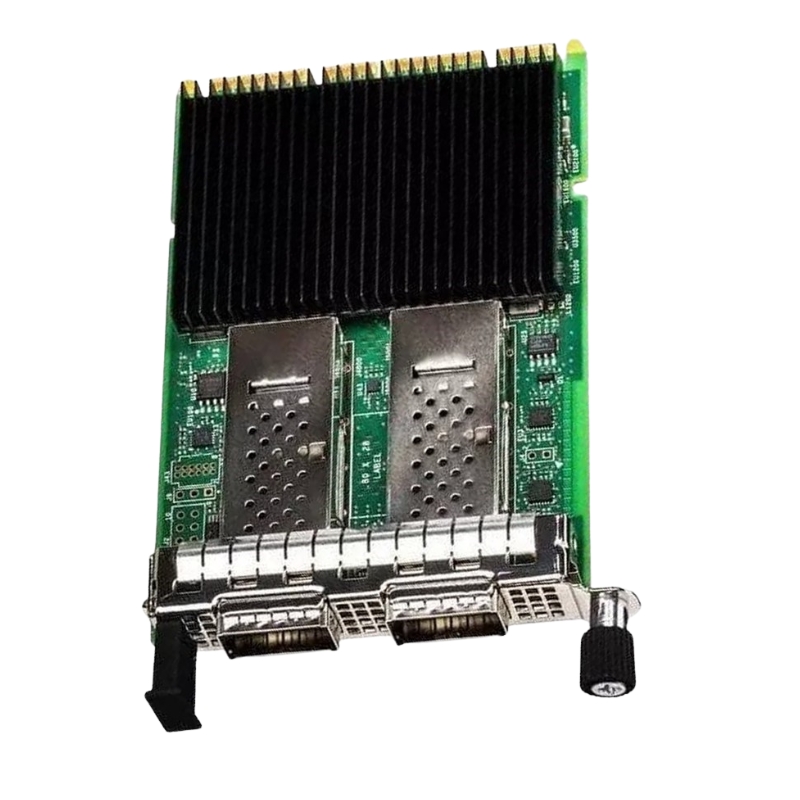


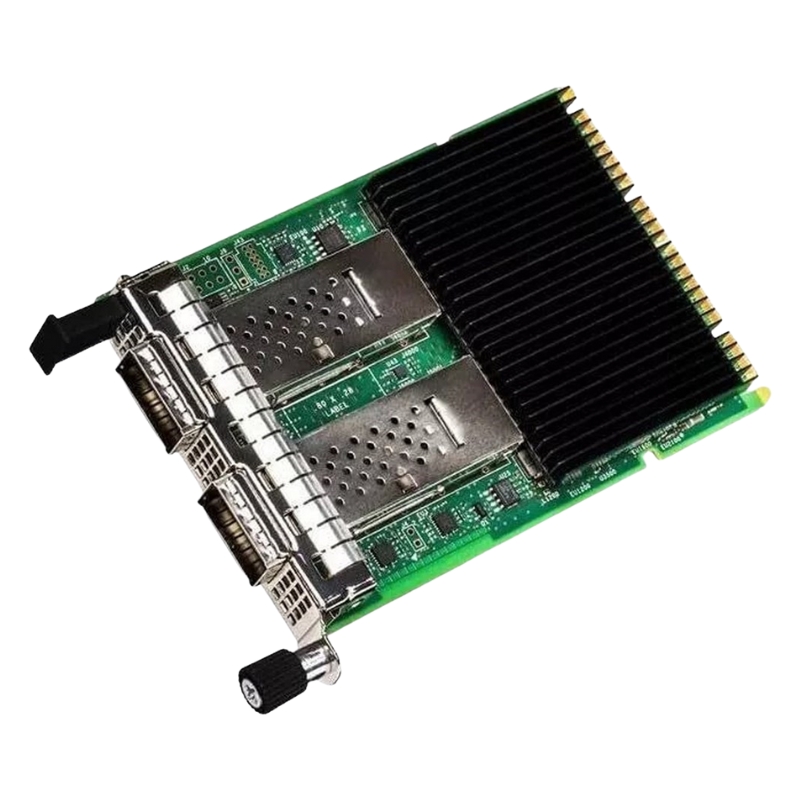
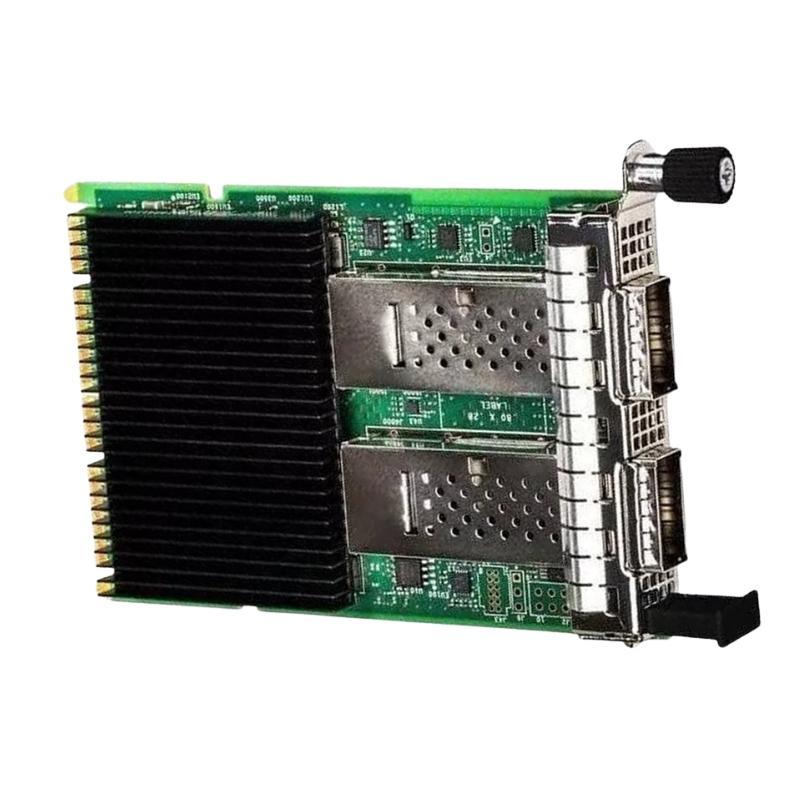
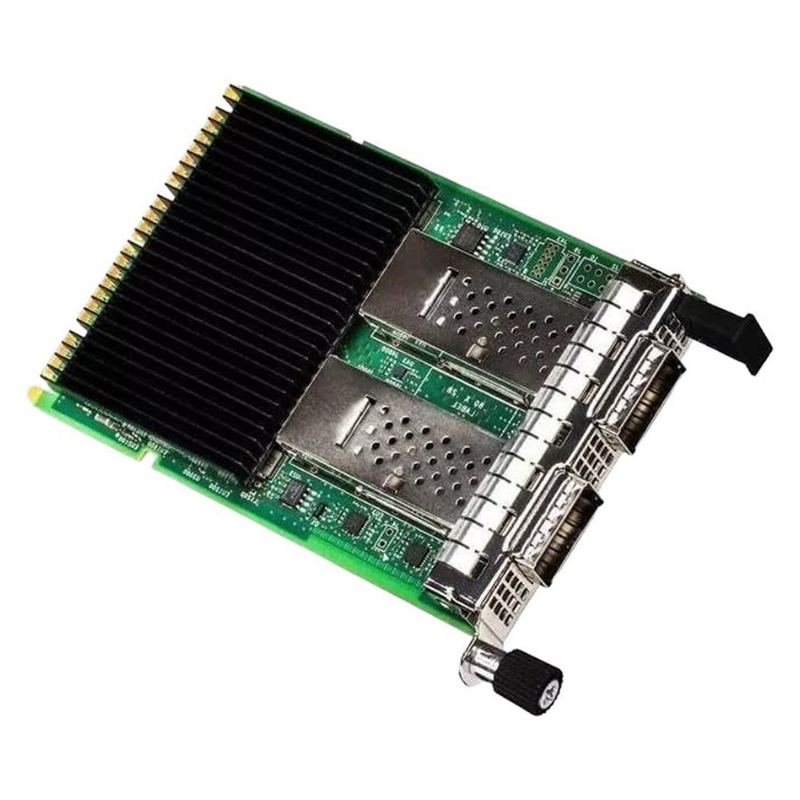
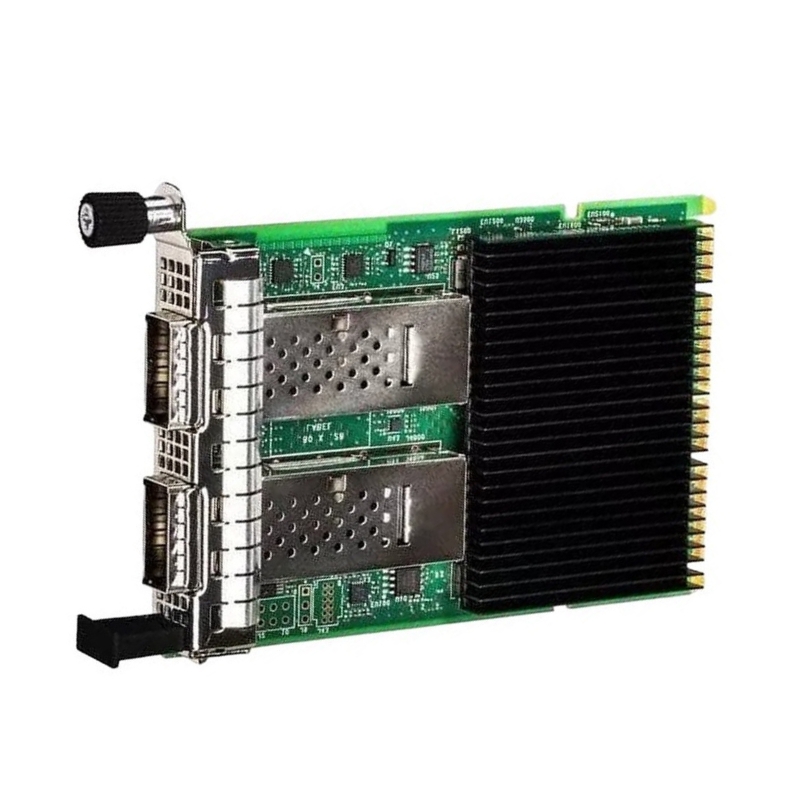
Dell 540-BFDL Intel X710T2LOCPV3 10 GbE PCI-Express 2 Ports Network Interface Card. New Sealed in Box (NIB) with 1 Year Replacement Warranty
Dell 540-BFDL Intel 10GbE PCIe Interface Card Overview
The Dell 540-BFDL Intel X710T2LOCPV3 Network Interface Card is a high-performance dual-port Ethernet adapter engineered for enterprise servers, virtualization platforms, cloud computing infrastructures, and data center environments. Featuring advanced Intel networking technology, PCI Express 3.0 connectivity, and support for multiple Ethernet speeds up to 10 Gigabit Ethernet, this network adapter delivers exceptional throughput, scalability, and reliability for modern business networks.
The Dell 540-BFDL Intel X710T2LOCPV3 10 GbE PCI-Express 2 Ports Network Interface Card is designed to deliver advanced networking capabilities for modern data centers, enterprise servers, virtualization environments, and cloud infrastructures. As organizations continue to demand higher bandwidth, lower latency, and enhanced network reliability, dual-port 10 Gigabit Ethernet adapters have become essential components within high-performance IT ecosystems. This network adapter combines enterprise-grade connectivity with the proven performance of Intel Ethernet technology, enabling servers to handle intensive workloads while maintaining exceptional network efficiency.
Built to support demanding applications and high-speed data transfers, this network interface card provides robust connectivity for business-critical environments. Its PCI-Express architecture allows seamless integration into compatible Dell PowerEdge servers and other enterprise platforms, ensuring consistent network performance across a wide range of deployments.
Organizations increasingly rely on applications that generate significant network traffic. Database transactions, virtual machine migrations, cloud computing services, backup operations, and real-time analytics all require fast and reliable network communication. The Dell 540-BFDL adapter addresses these demands by delivering 10 Gigabit Ethernet connectivity through dual network ports.
The 10 GbE architecture significantly increases bandwidth compared to traditional Gigabit Ethernet solutions. This enhanced throughput enables servers to process larger volumes of data while reducing bottlenecks that can impact application responsiveness. Enterprises deploying bandwidth-intensive workloads can benefit from improved data movement, faster access to resources, and more efficient network utilization.
Modern business applications often involve large datasets and continuous communication between servers, storage platforms, and cloud resources. The dual-port configuration provides substantial aggregate bandwidth, allowing network administrators to distribute traffic efficiently while supporting demanding workloads. This capability is particularly valuable in environments where performance consistency directly impacts business operations.
The Intel X710 controller is recognized throughout the enterprise networking industry for its advanced feature set, stability, and performance optimization capabilities. By integrating Intel Ethernet technology, the Dell 540-BFDL network adapter delivers reliable connectivity suitable for mission-critical applications and large-scale IT infrastructures.
The controller architecture is engineered to improve packet processing efficiency while reducing CPU overhead. This optimization allows server processors to focus more resources on application execution rather than network management tasks, contributing to overall system performance improvements.
Network traffic patterns can vary significantly depending on workloads and user demand. The Intel X710 platform incorporates advanced traffic handling technologies that help maintain stable performance under fluctuating conditions. Intelligent traffic distribution mechanisms contribute to efficient resource utilization and predictable network behavior.
The controller supports a variety of performance-enhancing technologies designed to maximize throughput and improve operational efficiency. These optimizations enable enterprises to achieve greater value from their server infrastructure while maintaining consistent service levels across critical applications.
The two-port design provides important advantages for enterprise networking environments. Organizations can implement redundant network connections to improve availability and reduce the risk of service disruptions. If one network path becomes unavailable, traffic can continue through the alternate connection, helping maintain operational continuity.
Business continuity remains a critical objective for modern enterprises. Network redundancy contributes significantly to achieving uptime goals while supporting uninterrupted access to applications, databases, and cloud services.
As network requirements evolve, scalable connectivity becomes increasingly important. The dual-port configuration supports future growth by providing additional flexibility for network expansion initiatives. Organizations can adapt to changing workloads without requiring immediate hardware replacement.
The PCI-Express interface serves as a high-speed communication pathway between the network adapter and the server platform. This architecture enables rapid data movement while minimizing communication delays between networking hardware and system resources. The result is enhanced performance for applications requiring consistent low-latency network access.
PCIe technology has become the standard interface for enterprise expansion cards due to its scalability, speed, and compatibility with modern server platforms. The Dell 540-BFDL adapter leverages these advantages to deliver dependable networking performance in demanding environments.
Installation within compatible enterprise servers is streamlined through standardized PCI-Express architecture. IT administrators can integrate the adapter into existing infrastructures while maintaining compatibility with established management and monitoring tools.
Virtualization continues to play a central role in enterprise IT strategies. The Dell 540-BFDL Intel X710T2LOCPV3 adapter is designed to support virtualized workloads by delivering the bandwidth and efficiency required for multiple virtual machines operating simultaneously on a single physical host.
Virtualized environments generate diverse traffic patterns, including storage communication, application transactions, management operations, and virtual machine migrations. The adapter's performance characteristics help ensure these activities occur smoothly without creating significant network bottlenecks.
As organizations increase virtual machine density, networking infrastructure must scale accordingly. The adapter provides the connectivity foundation necessary for supporting growing virtualization deployments while maintaining performance consistency across hosted workloads.
Network virtualization technologies benefit from hardware designed to reduce processing overhead. By offloading specific networking tasks from the CPU, the adapter contributes to more efficient utilization of server resources, allowing greater consolidation ratios and improved infrastructure efficiency.
Data centers require networking components capable of supporting high-performance computing environments. The Dell 540-BFDL network interface card provides the bandwidth, reliability, and scalability needed for cloud platforms, private data centers, and hybrid infrastructure deployments.
Cloud applications often involve continuous communication between distributed systems. High-speed network adapters help maintain responsive application performance while enabling efficient resource sharing across interconnected platforms.
Many organizations operate a combination of on-premises and cloud-based resources. The adapter facilitates reliable communication between these environments, supporting workload mobility and data synchronization activities that are essential to hybrid IT strategies.
Modern enterprise networks require hardware capable of supporting secure communication frameworks. The Intel X710 platform incorporates technologies that align with enterprise networking standards and security best practices. These capabilities help organizations maintain network integrity while supporting regulatory compliance objectives.
Reliable networking hardware forms a foundational component of broader cybersecurity strategies. Stable network performance contributes to accurate monitoring, consistent policy enforcement, and effective management of enterprise communications.
Business-critical applications depend on predictable network behavior. The Dell 540-BFDL adapter is engineered to provide stable performance characteristics that support operational consistency across diverse workloads and infrastructure environments.
Storage-intensive applications place substantial demands on network infrastructure. Backup operations, disaster recovery processes, database replication, and large-scale data analytics require efficient communication between servers and storage resources. The Dell 540-BFDL network adapter provides the bandwidth necessary to support these operations effectively.
Fast data movement contributes to shorter backup windows, improved recovery objectives, and enhanced application responsiveness. Organizations handling large datasets can benefit from the adapter’s ability to facilitate high-speed communication across storage networks.
Enterprise storage environments often involve continuous data transfers between multiple systems. The network adapter helps maintain performance during these operations while supporting organizational requirements for availability, reliability, and data accessibility.


 Contact Us
 Information
 Catalog
 Solid State Drives (SSD)
 Network Switches
 Hard Disk Drives
 HBA & Controllers
 PC & Servers
 PC & Server Memory
 CPU & Processors
 Network Routers
 Power Supplies
 Tape Drives & Libraries
 Network Devices
 Computer & Network Cables