
(7% discount is applied at checkout)
Cart is empty
Your go-to destination for cutting-edge server products
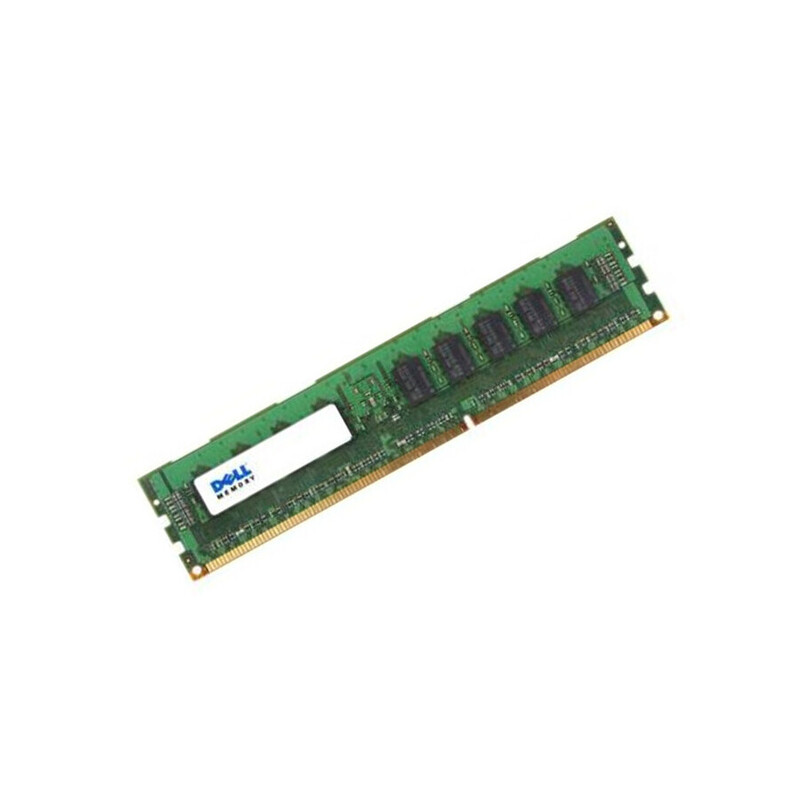
Dell SNPHVY68C/128G 128GB Pc4-21300 Cl19 Ecc 2666MHZ DDR4 SDRAM 288-Pin Ram. New (System) Pull with 1 year replacement warranty
| SKU/MPN | Warranty | Price | Condition | You save |
|---|---|---|---|---|
| SNPHVY68C/128G | 1 Year Warranty | Contact us for a price | New (System) Pull | |
| SNPHVY68C/128G | 1 Year Warranty | $310.00 | New Sealed in Box (NIB) | You save: $108.50 (26%) |
The Dell SNPHVY68C/128G 128GB DDR4 PC4-21300 2666MHz Optane DC Persistent Memory Module represents a major advancement in enterprise computing architecture. Designed for modern data centers and high-performance server environments, this memory module merges the speed of traditional DRAM with the persistence of storage-class memory. Persistent memory technology transforms how applications access and retain data, delivering faster restart times, greater efficiency, and improved scalability for mission-critical workloads.
Unlike traditional volatile memory, persistent memory retains data even when power is removed. This characteristic makes the Dell SNPHVY68C/128G module ideal for enterprise infrastructures where minimizing downtime and protecting valuable data are critical priorities. The module is engineered to operate seamlessly in compatible enterprise servers while maintaining the reliability and performance standards expected from Dell server components.
With a substantial capacity of 128GB per module, the Dell SNPHVY68C/128G Optane DC Persistent Memory provides the large memory footprint required by modern enterprise workloads. High-capacity memory configurations allow organizations to run large-scale applications directly in memory, dramatically improving processing speeds and reducing reliance on slower storage tiers.
Large in-memory datasets are essential for modern analytics platforms, real-time financial processing systems, artificial intelligence applications, and enterprise resource planning solutions. By integrating persistent memory into server infrastructures, organizations can significantly increase memory density without compromising performance. The Dell SNPHVY68C/128G module ensures that high-demand applications can maintain rapid access to critical data structures and large transactional datasets.
Enterprise servers frequently require extremely large memory pools to support virtualization clusters, database platforms, and cloud infrastructure. Traditional DRAM solutions can become cost-prohibitive when attempting to scale memory capacity to several terabytes. Persistent memory modules address this challenge by offering higher capacities while maintaining high bandwidth and low latency characteristics.
The Dell SNPHVY68C/128G module enables system administrators to deploy larger memory configurations while preserving overall system efficiency. Increased memory density also allows servers to support more virtual machines, containers, and concurrent workloads, improving overall data center utilization.
Operating at a memory speed of 2666MHz and conforming to the PC4-21300 DDR4 specification, the Dell SNPHVY68C/128G memory module delivers high-performance data throughput for demanding enterprise workloads. High memory bandwidth plays a critical role in maintaining responsive application performance, particularly for workloads that require continuous data access across large memory pools.
The DDR4 architecture provides improved signaling, higher transfer rates, and lower power consumption compared with previous DDR3 technologies. The 2666MHz frequency enables rapid data movement between processors and memory, ensuring that applications receive the bandwidth required for optimal execution.
Memory bandwidth directly impacts how quickly applications can access data stored in memory. Workloads such as real-time analytics, machine learning model training, and in-memory databases rely heavily on consistent memory throughput. The Dell SNPHVY68C/128G module delivers reliable performance through its optimized memory architecture, ensuring efficient data movement within enterprise computing environments.
The PC4-21300 specification supports high throughput operations, allowing servers to maintain consistent performance under heavy loads. This level of performance is particularly beneficial for environments where large volumes of transactions occur simultaneously.
High-speed DDR4 memory allows processors to operate at their full potential without being limited by slower memory access times. The Dell SNPHVY68C/128G module ensures that high-core-count processors found in enterprise servers can maintain efficient data pipelines. Faster memory speeds enable applications to process large datasets with minimal latency, leading to faster decision-making and improved operational efficiency.
Optane DC Persistent Memory technology introduces a new tier within the memory and storage hierarchy. Traditional architectures separate volatile system memory from persistent storage devices such as solid-state drives and hard disk drives. This separation often results in increased latency when applications need to retrieve large datasets from storage.
Persistent memory bridges the gap between DRAM and storage by providing byte-addressable memory that retains data across power cycles. The Dell SNPHVY68C/128G module enables servers to maintain critical data structures directly within memory, reducing the need for frequent storage access and significantly improving application responsiveness.
One of the key operational modes supported by persistent memory modules is App Direct Mode. In this configuration, applications can directly access persistent memory as a distinct memory region. This capability allows specialized software platforms to store critical data structures within persistent memory, ensuring rapid recovery after system restarts.
Applications designed for persistent memory environments benefit from reduced initialization times and improved system resilience. The Dell SNPHVY68C/128G module supports these advanced operational capabilities, making it an ideal solution for enterprise data processing platforms.
Persistent memory modules can also operate in Memory Mode, where they function as system memory while DRAM modules act as cache. This architecture enables servers to dramatically expand their usable memory capacity while maintaining high-speed access patterns. The Dell SNPHVY68C/128G module allows data centers to deploy extremely large memory pools without dramatically increasing DRAM requirements.
The 8Rx4 rank configuration of the Dell SNPHVY68C/128G module refers to the internal organization of memory chips across multiple ranks. Each rank represents a set of memory chips that operate together to deliver data to the memory controller. An 8Rx4 configuration means the module contains eight ranks with a four-bit data width architecture.
This design improves memory capacity while maintaining efficient data access patterns. Enterprise memory modules often utilize complex rank structures to optimize bandwidth, reliability, and scalability within multi-processor server systems.
Multi-rank memory modules allow server memory controllers to interleave data operations across multiple ranks. This technique improves memory throughput by allowing parallel data access operations. The Dell SNPHVY68C/128G module benefits from this architecture by delivering consistent performance even under heavy workloads.
The rank-based architecture also improves system stability by balancing memory traffic across multiple chip groups, reducing bottlenecks and ensuring smooth server operation.
The Dell SNPHVY68C/128G persistent memory module utilizes the 288-pin DIMM form factor, which is the standard interface for modern DDR4 server memory. This form factor ensures compatibility with enterprise server motherboards designed to support DDR4 memory modules.
The 288-pin interface provides the electrical connections necessary for high-speed communication between the memory module and the server's memory controller. This standardized design allows system integrators to easily deploy persistent memory modules within compatible server platforms.
DIMM modules are installed into dedicated memory slots on server motherboards. The 288-pin design includes alignment keys that prevent incorrect installation and ensure proper orientation. The Dell SNPHVY68C/128G module follows this standardized design, ensuring secure installation and reliable connectivity within enterprise server systems.
Energy efficiency plays a vital role in modern data center environments. The Dell SNPHVY68C/128G memory module operates at a voltage of 1.2V, which is the standard operating voltage for DDR4 memory technology. Lower voltage operation reduces overall power consumption while maintaining high-performance operation.
Data centers often deploy thousands of servers, making energy efficiency a critical factor in operational cost management. Memory modules that operate at lower voltages contribute to reduced power requirements and lower cooling demands across server infrastructures.
High-density server deployments generate substantial heat due to continuous processing workloads. Memory modules that operate efficiently help maintain stable thermal conditions within server chassis. The Dell SNPHVY68C/128G module is designed to function reliably under demanding enterprise workloads while minimizing heat generation.
Improved thermal efficiency ensures consistent system performance and helps prevent overheating issues that could affect server reliability.
The Dell SNPHVY68C/128G persistent memory module is specifically engineered for compatibility with Dell enterprise server platforms, particularly those supporting Optane DC Persistent Memory technology. Servers within the PowerEdge product line are designed to leverage persistent memory capabilities for high-performance computing and data-intensive workloads.
These servers incorporate advanced memory controllers capable of managing both traditional DRAM modules and persistent memory modules simultaneously. This hybrid memory architecture enables organizations to build highly scalable computing environments tailored to demanding enterprise workloads.
Persistent memory modules require compatible processors and chipsets that support advanced memory addressing techniques. The Dell SNPHVY68C/128G module integrates with server platforms that include support for persistent memory management, enabling system administrators to configure memory architectures according to workload requirements.
In-memory databases are among the most common applications for persistent memory technology. These databases store entire datasets within system memory, allowing applications to access data at extremely high speeds. The Dell SNPHVY68C/128G module provides the capacity and performance necessary to support large-scale in-memory database deployments.
Persistent memory ensures that database contents remain available even after unexpected system interruptions. This capability significantly reduces database recovery times and improves overall system resilience.
Real-time analytics platforms rely on rapid data processing capabilities to deliver immediate insights. Persistent memory enables analytics engines to maintain large data structures directly within memory, eliminating delays associated with storage access.
Organizations analyzing streaming data, financial transactions, or sensor data benefit from the high-speed memory access provided by the Dell SNPHVY68C/128G module. The ability to store and process large datasets directly within memory dramatically improves analytical performance.
Virtualized environments often host dozens or even hundreds of virtual machines on a single physical server. Each virtual machine requires dedicated memory resources to maintain stable operation. Persistent memory modules allow servers to expand memory capacity while maintaining efficient resource allocation.
The Dell SNPHVY68C/128G module supports large-scale virtualization environments by providing the memory resources necessary to host multiple workloads simultaneously. Cloud service providers and enterprise IT departments benefit from the scalability and performance advantages offered by persistent memory technology.
Artificial intelligence and machine learning workloads frequently involve processing extremely large datasets. Training machine learning models often requires continuous access to massive data arrays stored in memory. The Dell SNPHVY68C/128G persistent memory module supports these workloads by providing large memory capacities and high-speed data access.
Persistent memory also enables AI systems to retain intermediate training results across system restarts, reducing the need to reprocess data from the beginning. This capability accelerates model development and improves overall computational efficiency.


 Contact Us
 Information
 Catalog
 Solid State Drives (SSD)
 Network Switches
 Hard Disk Drives
 HBA & Controllers
 PC & Servers
 PC & Server Memory
 CPU & Processors
 Network Routers
 Power Supplies
 Tape Drives & Libraries
 Network Devices
 Computer & Network Cables