(7% discount is applied at checkout)
Cart is empty
Your go-to destination for cutting-edge server products
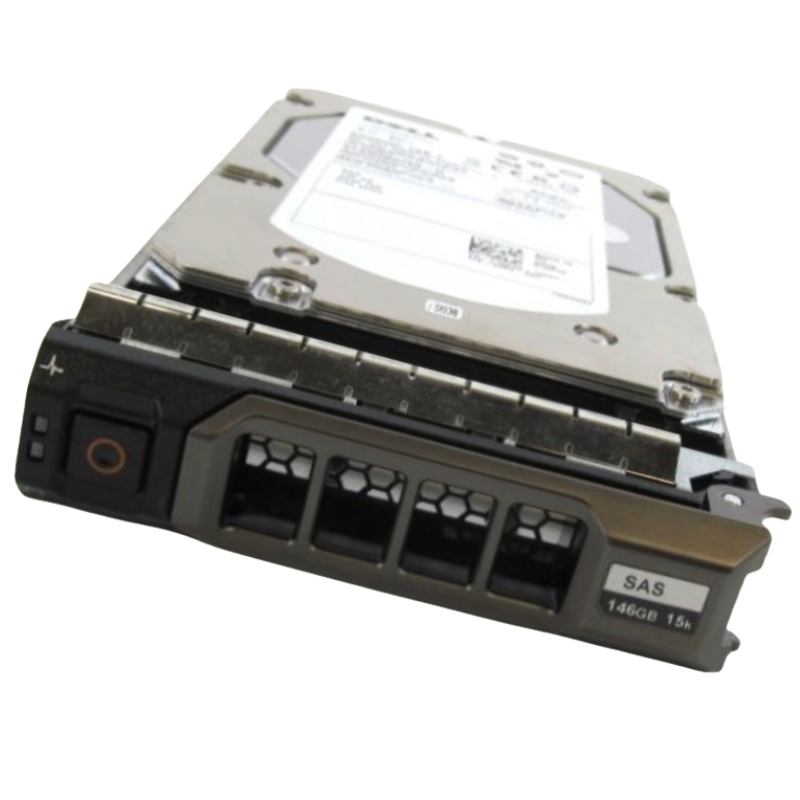


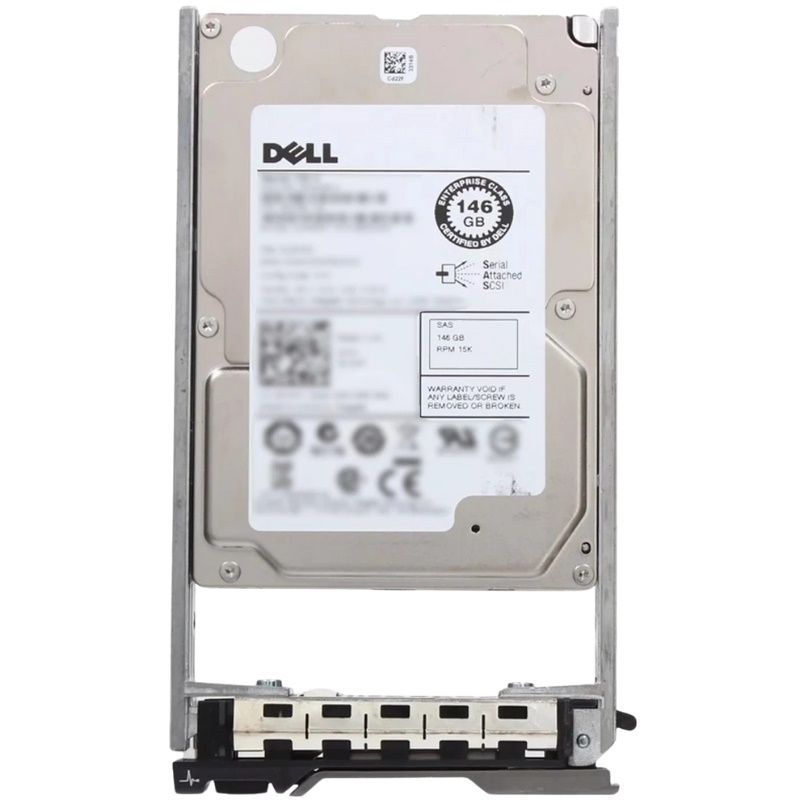
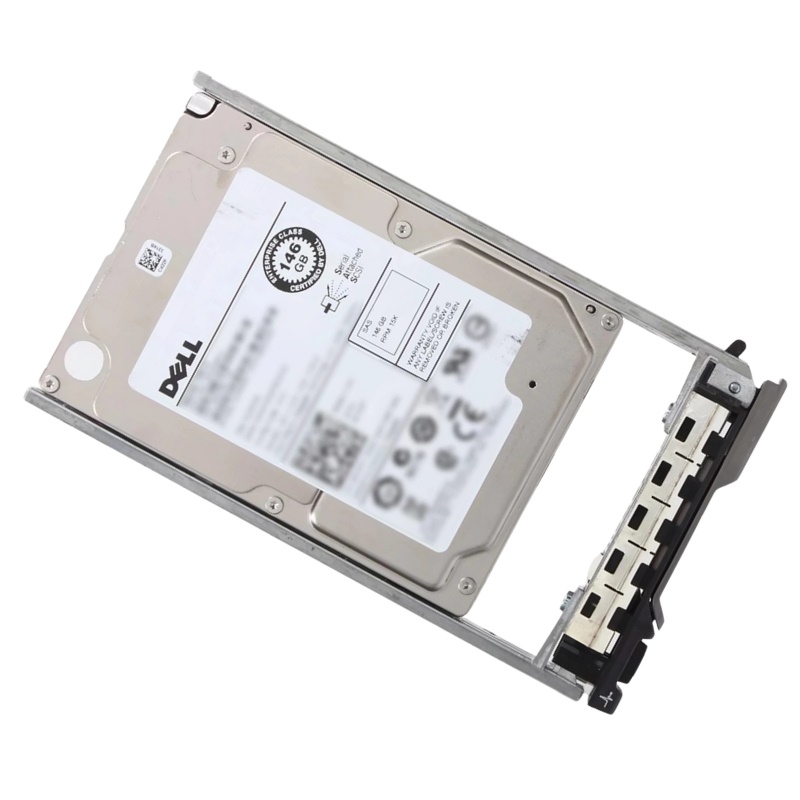
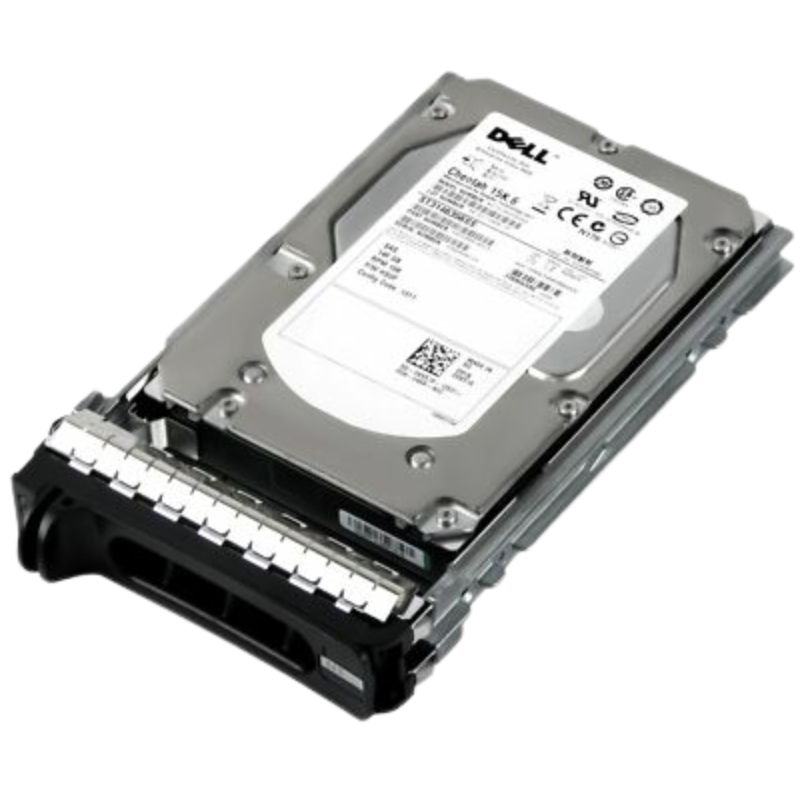
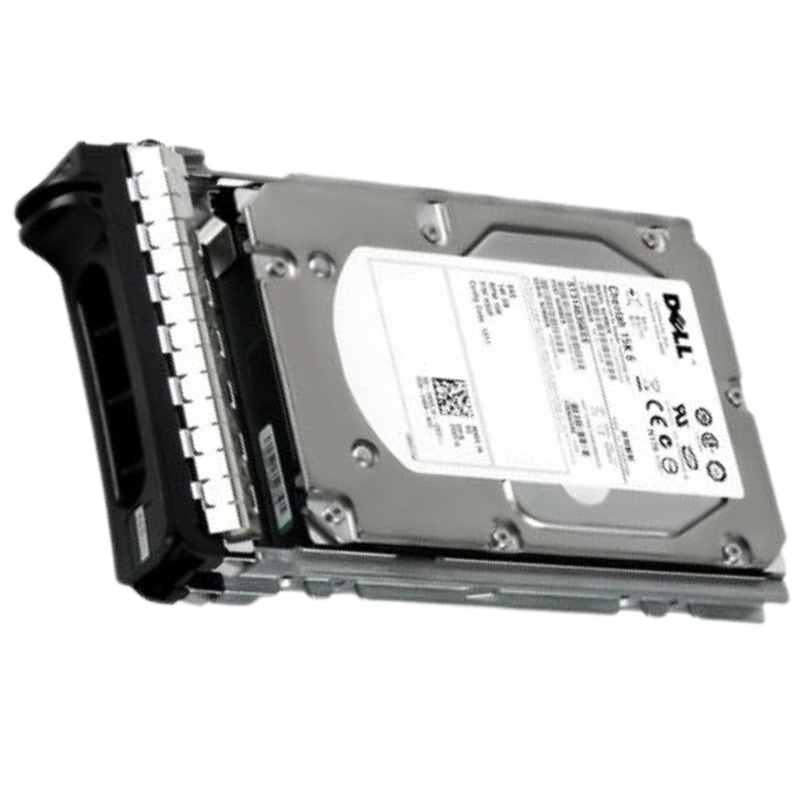
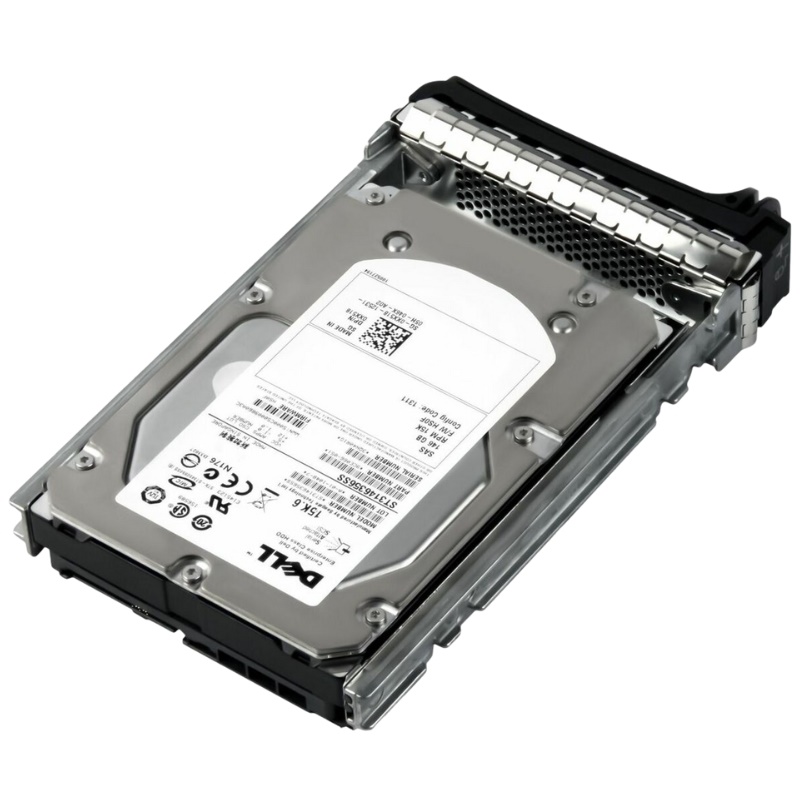
Dell 341-8718 146GB 15000 RPM SAS 3GBPS Hot Swap Hard Disk Drive With Tray for Server. Excellent Refurbished with 1 year replacement warranty
The Dell 341-8718 is a high-performance storage solution designed for enterprise servers. With robust speed and reliability, this hot-swappable hard disk drive ensures seamless data management and efficient operations.
The Dell 341-8718 146GB 15000 RPM SAS 3GBPS Hot Swap Hard Disk Drive With Tray is an enterprise-grade storage component engineered specifically for high-performance server environments where speed, reliability, and continuous uptime are essential. This category of hard disk drive is designed to serve data center infrastructures, virtualization clusters, database servers, and mission-critical enterprise systems that require consistent I/O throughput and low latency. Built on the Serial Attached SCSI (SAS) interface and operating at 15000 RPM, this hard drive is optimized for demanding workloads that exceed the capabilities of standard SATA-based storage devices.
As part of Dell’s enterprise storage ecosystem, this drive integrates seamlessly with compatible Dell PowerEdge servers and storage arrays. The inclusion of a hot-swap tray further enhances operational efficiency, enabling system administrators to replace or upgrade drives without shutting down the system, thereby maintaining uninterrupted service availability.
Serial Attached SCSI, commonly known as SAS, is a high-performance interface designed for enterprise storage systems. Unlike traditional SATA drives, SAS drives support full-duplex communication, allowing simultaneous read and write operations, which significantly improves data throughput in multi-user environments. The 3GBPS transfer rate of this drive represents a balanced generation of SAS technology, offering stability and performance for legacy and mid-tier enterprise infrastructures.
SAS drives are engineered with dual-port connectivity, which ensures redundancy and failover capabilities. This means that if one path to the storage device fails, another path can immediately take over without disrupting operations. This feature is particularly important in high-availability environments such as financial systems, cloud hosting platforms, and enterprise virtualization clusters.
The 15000 RPM rotational speed is one of the defining characteristics of this hard disk drive category. Higher spindle speeds directly translate into lower latency and faster data access times. This is critical for applications that require rapid retrieval of large datasets, such as transactional databases, real-time analytics systems, and enterprise resource planning platforms.
Compared to lower RPM drives such as 7200 RPM or 10000 RPM models, 15000 RPM SAS drives significantly reduce seek time and improve overall input/output operations per second (IOPS). This performance advantage makes them suitable for workloads where performance consistency is more important than storage capacity alone.
Hot swap functionality allows administrators to replace or install hard drives without powering down the server. This feature is essential in environments where downtime can result in financial loss, service interruption, or data inaccessibility. The hot swap tray included with this drive ensures seamless integration into compatible Dell server bays, enabling quick replacement procedures during maintenance or hardware failure scenarios.
In large-scale data centers, where hundreds or thousands of drives may be deployed, hot swap capability reduces operational complexity and improves system resilience. It also supports predictive maintenance strategies, allowing faulty drives to be replaced before they cause system degradation or data loss.
The included drive tray is engineered to ensure secure physical alignment and stable connectivity within server backplanes. It provides both mechanical support and electrical interface alignment, ensuring consistent communication between the drive and the server system. The tray also simplifies installation procedures, reducing the risk of incorrect mounting or connector damage during servicing operations.
High-speed SAS drives like this model are commonly used in database servers where rapid query processing and transactional integrity are essential. Applications such as SQL databases, Oracle systems, and ERP platforms rely heavily on consistent I/O performance, which is supported by the high RPM and low latency characteristics of this drive.
Virtual machine environments require storage systems that can handle multiple simultaneous workloads. The high IOPS performance of 15000 RPM SAS drives makes them suitable for virtualization platforms such as VMware and Hyper-V. These environments benefit from the drive’s ability to handle concurrent read/write operations without performance degradation.
In clustered storage configurations, redundancy and failover capability are essential. SAS drives are frequently deployed in RAID 1, RAID 5, and RAID 10 configurations, where data redundancy and performance optimization are both required. The dual-port architecture of SAS drives ensures continuous access even in the event of a path failure.
Enterprise SAS drives incorporate advanced error correction technologies that help maintain data integrity under heavy workloads. These mechanisms detect and correct data inconsistencies before they impact system performance or cause corruption. This is particularly important in environments where data accuracy is critical, such as banking systems and scientific computing applications.
Drives in this category are engineered with high Mean Time Between Failures (MTBF) ratings, reflecting their ability to operate continuously over extended periods. The robust mechanical design, combined with enterprise-grade components, ensures durability even under 24/7 operational conditions.
Efficient thermal regulation is essential in high-density server environments. The design of this SAS drive ensures optimized heat dissipation, reducing the risk of overheating during sustained workloads. Additionally, power consumption is balanced to ensure efficiency without compromising performance.
One of the key performance indicators for enterprise storage devices is IOPS. The 15000 RPM spindle speed allows this drive to achieve significantly higher IOPS compared to standard consumer-grade hard drives. This makes it ideal for applications requiring frequent small read/write operations.
The drive follows a standard enterprise form factor designed for compatibility with Dell server bays. Its mechanical structure is reinforced to withstand continuous vibration and operational stress commonly found in data center environments.
Installation is streamlined through the hot swap tray mechanism, which allows administrators to insert the drive directly into compatible server slots without requiring specialized tools. The design ensures proper alignment with backplane connectors for immediate system recognition.
Routine maintenance in enterprise environments often involves replacing drives as part of preventive strategies. The hot swap design enables quick replacement without interrupting server operations, thereby maintaining system uptime and reducing operational risk.
When deployed in RAID configurations, SAS drives contribute to both performance enhancement and data redundancy. RAID systems distribute data across multiple drives, improving read/write speeds while also ensuring data protection in case of hardware failure.
The redundancy provided by RAID systems combined with the reliability of SAS drives ensures high fault tolerance. This is critical for enterprise environments where data loss can have severe operational consequences.
The modular nature of SAS storage systems allows organizations to scale storage capacity as needed. Drives like this can be added incrementally to existing arrays, enabling flexible expansion without major infrastructure changes.
In modern data centers, space optimization is critical. SAS drives enable high-density storage configurations, allowing more storage capacity within limited physical space while maintaining high performance levels.


 Contact Us
 Information
 Catalog
 Solid State Drives (SSD)
 Network Switches
 Hard Disk Drives
 HBA & Controllers
 PC & Servers
 PC & Server Memory
 CPU & Processors
 Network Routers
 Power Supplies
 Tape Drives & Libraries
 Network Devices
 Computer & Network Cables