(7% discount is applied at checkout)
Cart is empty
Your go-to destination for cutting-edge server products
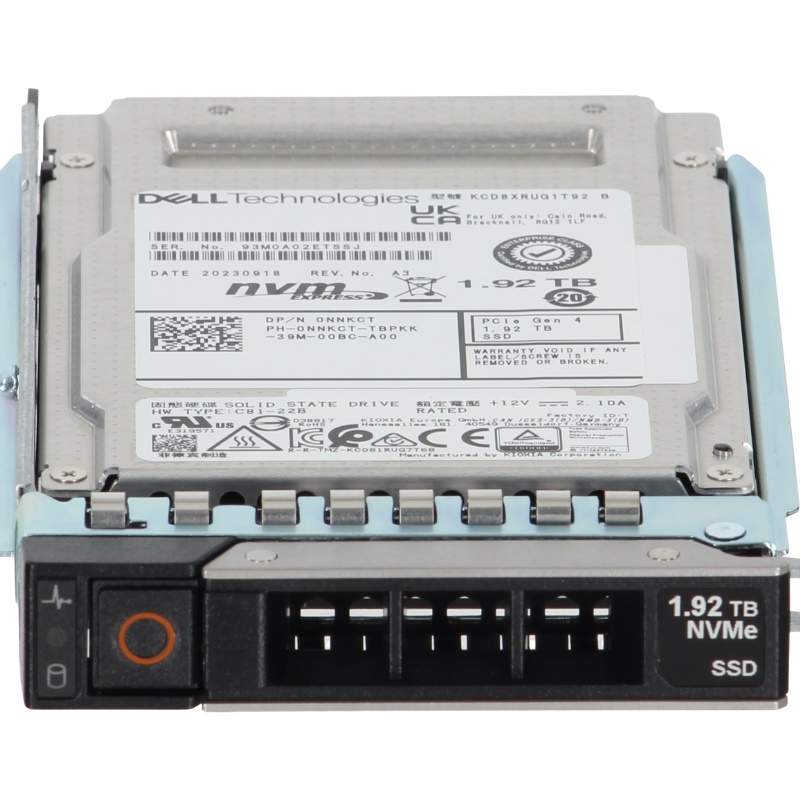


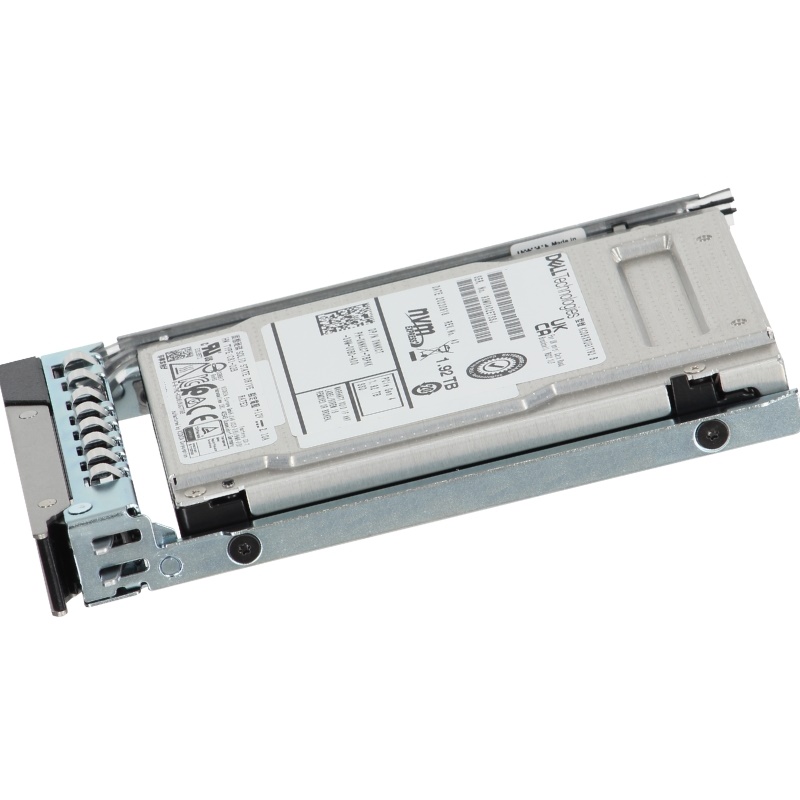
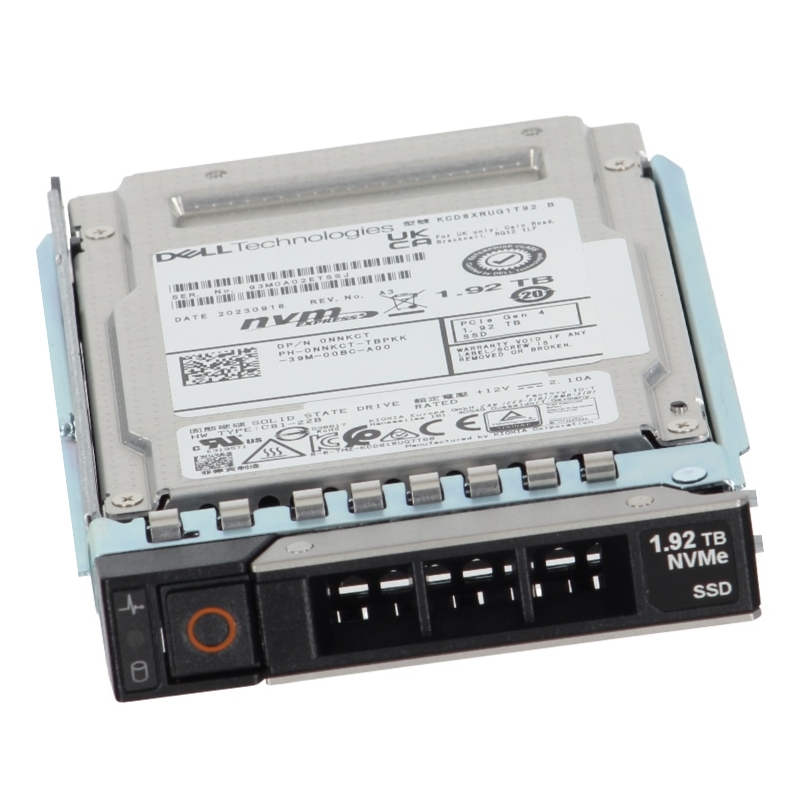
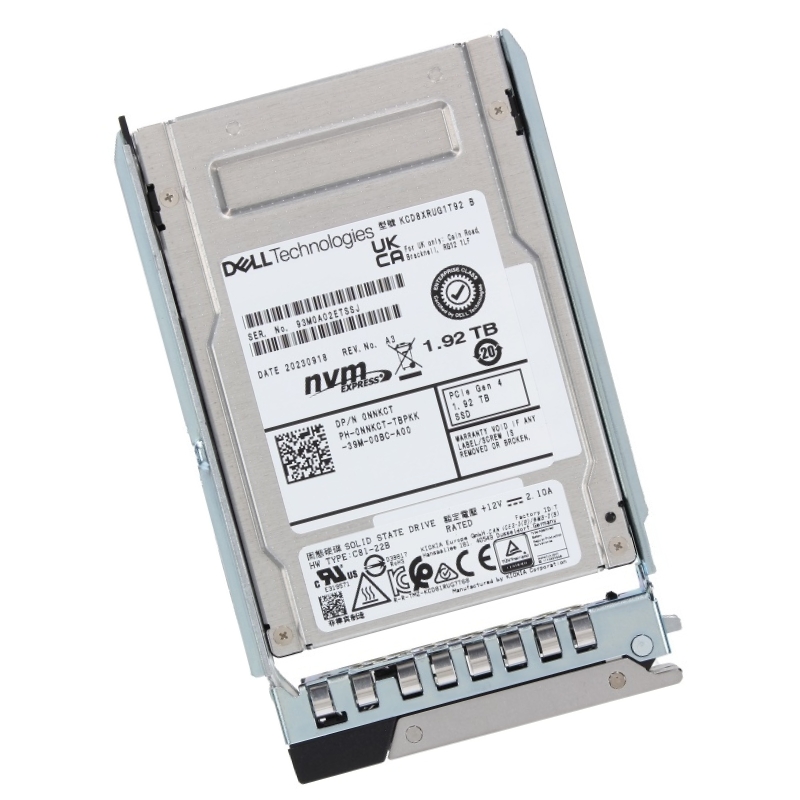
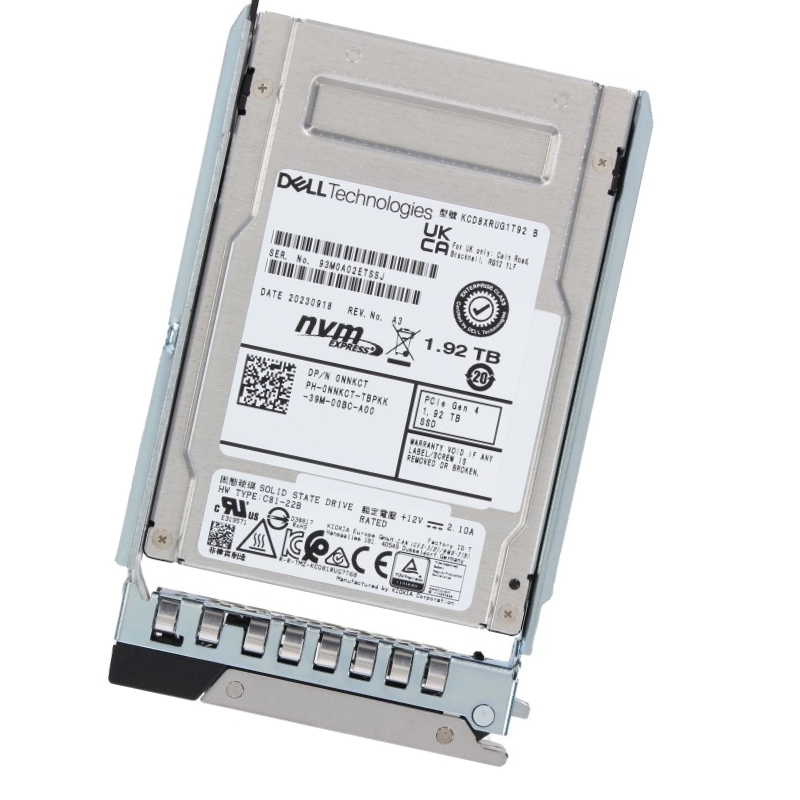
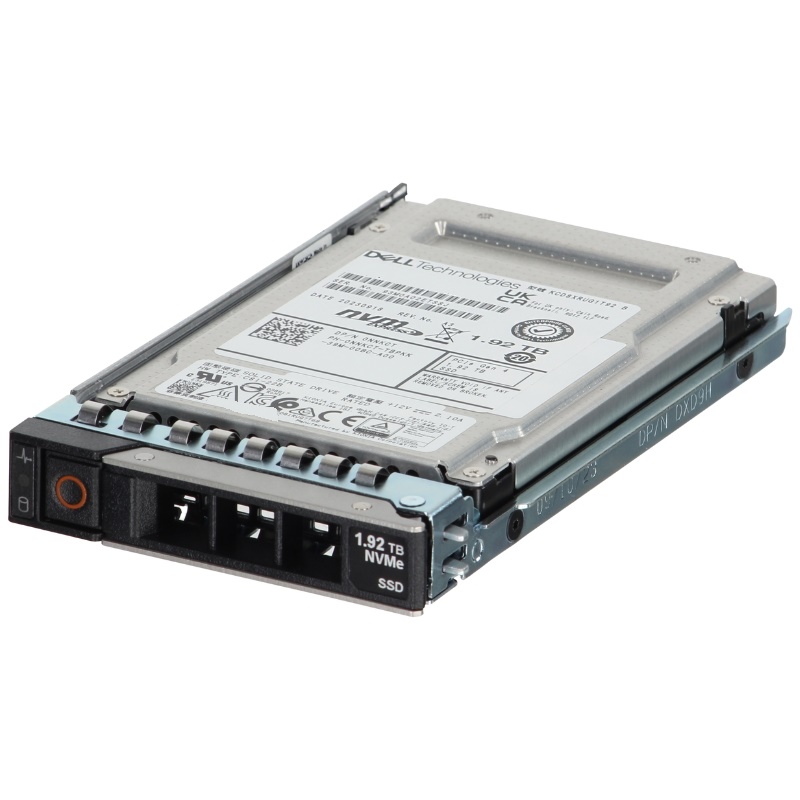
Dell 1XMPH 1.92TB PCI-E Gen4 X4 NVMe Read Intensive TLC 1 Dwpd U.2 2.5-inch Enterprise SSD. New Sealed in Box (NIB) with 1 Year Warranty
| SKU/MPN | Warranty | Price | Condition | You save |
|---|---|---|---|---|
| 1XMPH | 1 Year Warranty | Contact us for a price | Excellent Refurbished | |
| 1XMPH | 1 Year Warranty | $1,472.00 | New Sealed in Box (NIB) | You save: $515.20 (26%) |
Designed for modern datacenter workloads that prioritize high read throughput, low latency, and predictable performance, the Dell 1XMPH 1.92TB PCI-E Gen4 x4 NVMe Read Intensive TLC U.2 2.5-inch Enterprise SSD occupies a strategic position in storage fleets where read-heavy applications are the norm. This category encompasses drives built to deliver Gen4 NVMe bandwidth with U.2 2.5-inch packaging, optimized firmware for read-centric profiles, and triple-level cell (TLC) NAND configured for consistent latency across sustained access patterns. Enterprise architects selecting this class of SSD are aiming for an efficient balance of capacity, cost per gigabyte, and read performance while accepting a moderate write endurance profile (1 drive write per day, DWPD) suitable for caching layers, large-scale content delivery, analytics query engines, and many virtualization read caches.
The Dell 1XMPH series is characterized by a PCI-Express Gen4 x4 NVMe interface that doubles the per-lane bandwidth available in Gen3, enabling higher sequential and random read throughput when hosted on compatible Gen4 controllers and motherboards. The 1.92TB capacity point is attractive for dense storage arrays, offering an attractive capacity step for both single-drive use in servers and multi-drive arrays in storage pools. The U.2 2.5-inch form factor ensures broad compatibility with modern enterprise servers and storage enclosures, including hot-plug trays and backplanes designed for 2.5-inch NVMe U.2 devices. The drive’s endurance rating of 1 DWPD reflects its read-intensive tuning: it is engineered to tolerate modest daily write volumes while prioritizing read consistency and long-term reliability.
At the heart of the 1XMPH is a high-efficiency NVMe controller that manages PCIe Gen4 x4 lanes and orchestrates NAND operations, error correction, and wear leveling. The use of TLC NAND provides greater density and cost efficiency compared to single-level cell (SLC) or multi-level cell (MLC) options, and when combined with robust firmware algorithms for read optimization and background garbage collection, it yields impressive read performance under real-world workloads. Enterprise firmware on this class of drives often includes telemetry features, power-loss protection logic, and thermal throttling thresholds to protect data integrity and preserve performance under sustained load.
Performance expectations for the Dell 1XMPH 1.92TB PCI-E Gen4 SSD should be considered in two dimensions: synthetic peak throughput and sustained application performance. In synthetic sequential read tests on a Gen4 host, the drive commonly approaches the upper limits of a four-lane Gen4 link for reads, delivering very high MB/s figures. Random read IOPS and latency are where this category truly shines, delivering consistent sub-millisecond access times that benefit database query response, metadata lookups, and web serving. Under mixed workloads where a small proportion of writes interleave with heavy reads, the drive’s firmware and overprovisioning strategy work to maintain read responsiveness, though sustained heavy write storms will eventually cause write amplification and temporarily affect available performance until background processes reclaim NAND.
Quality of service (QoS) is a cornerstone requirement in enterprise deployments. The Dell 1XMPH family is engineered to provide tight QoS envelopes for read operations, minimizing tail latency and providing predictable transaction times for upstream applications. This predictability is crucial for multi-tenant environments, high frequency trading platforms, and interactive web services where latency spikes translate directly to user experience degradation or financial impact. Proper host driver configuration, queue depth tuning, and firmware updates are recommended to sustain low tail latency in large deployments.
While sequential throughput metrics are useful for large file transfers and streaming workloads, the real advantage of the 1XMPH 1.92TB Gen4 NVMe drive is its random read performance at scale. Enterprise applications that perform numerous small reads — such as virtual desktop infrastructure (VDI) boot storms, metadata lookup services, and large-scale search indexes — will see outsized benefits from the random IOPS characteristics and low latency profile. Where bulk sequential write throughput is not a primary requirement, the read-optimized TLC configuration becomes a cost-effective choice compared to higher-endurance MLC drives.
Enterprises commonly deploy the Dell 1XMPH 1.92TB SSD in several core scenarios. First, as primary storage for read-dominant database shards and analytics read replicas where large datasets must be served quickly to many concurrent clients. Second, as caching layers in converged architectures: fronting slower HDD or lower cost flash tiers to accelerate reads for hot datasets. Third, as storage for VDI and container images where repeated read requests from many machines create sustained read traffic. Fourth, in content delivery and media streaming edge nodes where high sequential and random read throughput reduce delivery latency for end users. Finally, these drives are useful in mixed storage pools where policy engines dynamically place hot read objects on Gen4 NVMe capacity for performance, while colder data lives on cheaper media.
Within virtualization stacks and cloud platforms, the density of 1.92TB drives allows operators to provision larger per-VM storage volumes while keeping a high aggregate read capability across the host. When used for ephemeral storage or read-intensive microservices, the drive’s predictable read QoS helps maintain consistent tenant performance. Integration with hypervisor storage drivers and use of NVMe over Fabrics (NVMe-oF) gateways can further extend the reach of Gen4 performance across racks and nodes.
Databases with heavy read amplification patterns, OLAP systems, and real-time analytics engines benefit from the low read latency and high IOPS available from this drive family. Read replicas that are provisioned as 1XMPH targets reduce query latency and increase throughput for analytic queries, while maintaining acceptable write resilience for replication and log shipping. The drive’s endurance profile should be matched to write intensity: high write databases may still require higher endurance options, but read replicas and archival query nodes are ideal candidates.
Choosing the 1.92TB capacity point is a deliberate balance between density and flexibility. It gives capacity planners the ability to consolidate data on fewer devices, reducing backplane and slot usage in dense servers. Cost per gigabyte for TLC NAND is competitive, and when coupled with the Gen4 interface’s performance uplift, overall cost-per-IO or cost-per-transaction metrics often favor using these drives in read-heavy tiers. Financial models should incorporate expected read traffic, occasional write bursts, RAID overhead, and spare capacity for wear leveling and background reclamation to avoid performance cliffs as drives age.
Enterprise drives commonly reserve a portion of NAND as overprovisioning to improve endurance and maintain performance under sustained usage. System administrators should account for usable capacity after vendor reserved space, and consider additional overprovisioning if workloads include periodic write peaks. This practice extends consistent performance into later phases of the drive’s lifecycle and reduces the risk of write amplification that affects both endurance and speed.
Although NVMe drives like the 1XMPH provide high individual reliability, deploying them within RAID sets or erasure coded pools remains best practice to achieve desired availability. When used in RAID configurations, careful consideration of rebuild times is necessary; large capacity NVMe drives can lengthen rebuild windows, increasing exposure to a second drive failure. Techniques such as hot spares, background rebuild throttling, and avoiding simultaneous rebuilds in large clusters can help control these risks. Integration with storage orchestration platforms that support adaptive rebuild strategies will yield additional resilience benefits.
The U.2 2.5-inch interface on the Dell 1XMPH ensures broad physical compatibility with enterprise servers and storage arrays that provide U.2 bays and NVMe backplane support. To realize Gen4 x4 performance, the server platform must provide Gen4 PCIe lanes routed to the U.2 connector, and firmware/BIOS must support NVMe devices. Administrators should verify platform support for NVMe hot-plug if hot swapping is required. Driver and operating system compatibility is generally broad across modern Linux distributions and Windows Server releases, but it is prudent to validate NVMe driver versions and firmware compatibility matrices to avoid subtle interoperability issues.
Enterprise storage firmware is regularly updated to address performance, compatibility, and reliability enhancements. The Dell 1XMPH line typically ships with vendor-tested firmware images and supports field updates. Coordinated firmware management is essential: administrators should schedule updates during maintenance windows, validate firmware across representative hosts, and follow vendor guidance for rolling upgrades to minimize service disruption. Maintaining an inventory of firmware versions and their associated fixes simplifies troubleshooting and regulatory compliance.
Gen4 NVMe drives can generate notable heat under heavy sustained workloads. The U.2 form factor supports active backplane cooling, but server airflow design and drive placement influence thermal throttling behavior. Many enterprise drives expose telemetry for temperature, power draw, and thermal throttling thresholds; monitoring these metrics and adopting proper airflow patterns in racks will maintain consistent performance. In power-sensitive environments, engineers can tune drive power states to balance throughput and energy consumption, but such tuning must be validated against workload latency targets.
Modern enterprise SSDs include features that support data security and compliance. The Dell 1XMPH family often supports TCG Opal self-encrypting drive (SED) functionality, secure erase commands, and cryptographic primitives to protect data at rest. When integrated with key management systems (KMS) and enterprise controllers, SEDs allow for rapid logical decommissioning and secure repurposing of drives. Administrators should implement key escrow policies and lifecycle controls that meet organizational compliance requirements for data destruction and retention.
Although full hardware power-loss protection is more common in higher endurance drives, many enterprise read-optimized SSDs include features to minimize data corruption risk during unexpected power events. These can include small internal capacitive reservoirs to flush critical metadata and robust journaling within the firmware. Understanding the exact power-loss behavior by consulting vendor documentation is important for applications that perform synchronous writes; additional architectural safeguards such as ordered write queues and application-level replication may be necessary.
When drives approach their intended lifespan or warranty thresholds, planned migrations minimize business impact. Because TLC NAND reaches different wear levels across drives in active arrays, balancing migrations across nodes avoids concentrated performance loss. For decommissioning, use vendor-approved secure erase or cryptographic erase procedures to meet regulatory requirements. Maintaining chain-of-custody and erasure logs is recommended for compliance in regulated industries.
Compared to higher endurance enterprise SSDs (e.g., those rated for multiple DWPD), the 1XMPH read-intensive drives excel in cost-sensitive read tiers where write intensity is modest. Versus SATA or SAS SSDs, Gen4 NVMe U.2 drives provide substantially lower latency and higher parallelism, improving application concurrency and scalability. When juxtaposed with NVMe Gen3 alternatives, Gen4 devices extract more performance from modern CPU and memory subsystems and unlock greater headroom for future workload growth. However, where extreme write durability and maximum endurance are mandatory, MLC or SLC-based drives remain relevant despite higher cost per gigabyte.
In hybrid storage architectures, policy engines should place only the hottest read objects on Gen4 NVMe capacity, leveraging the 1XMPH drives for immediate performance needs while cold data is migrated to higher capacity, lower cost tiers. Transparent tiering and automated lifecycle policies preserve cost efficiency while delivering performance where it matters. Observability across tiers and clear SLAs for each class of data will ensure performance objectives are met and that capacity is used efficiently.


 Contact Us
 Information
 Catalog
 Solid State Drives (SSD)
 Network Switches
 Hard Disk Drives
 HBA & Controllers
 PC & Servers
 PC & Server Memory
 CPU & Processors
 Network Routers
 Power Supplies
 Tape Drives & Libraries
 Network Devices
 Computer & Network Cables