(7% discount is applied at checkout)
Cart is empty
Your go-to destination for cutting-edge server products
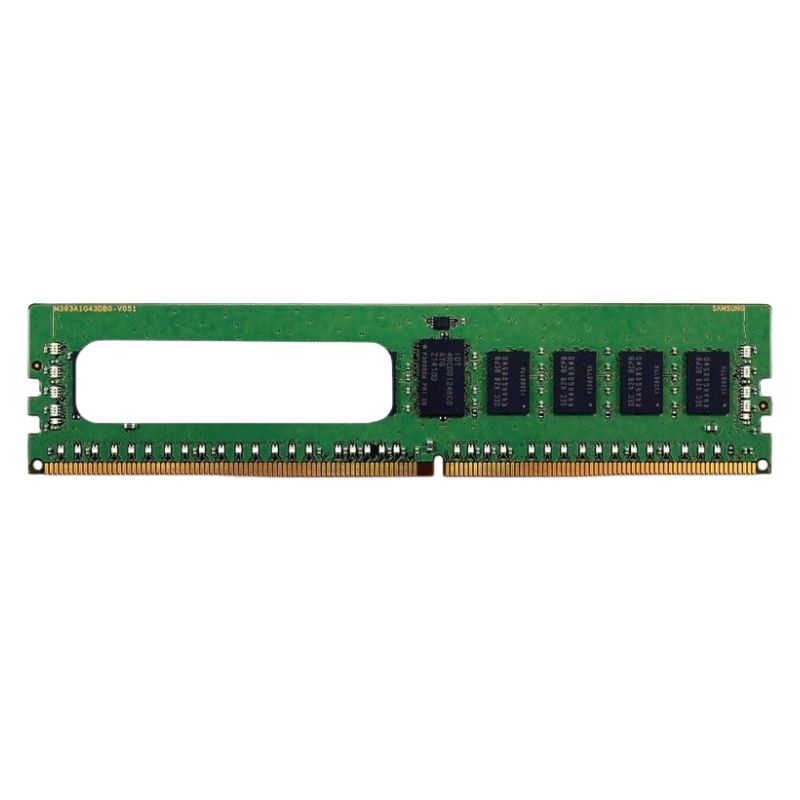


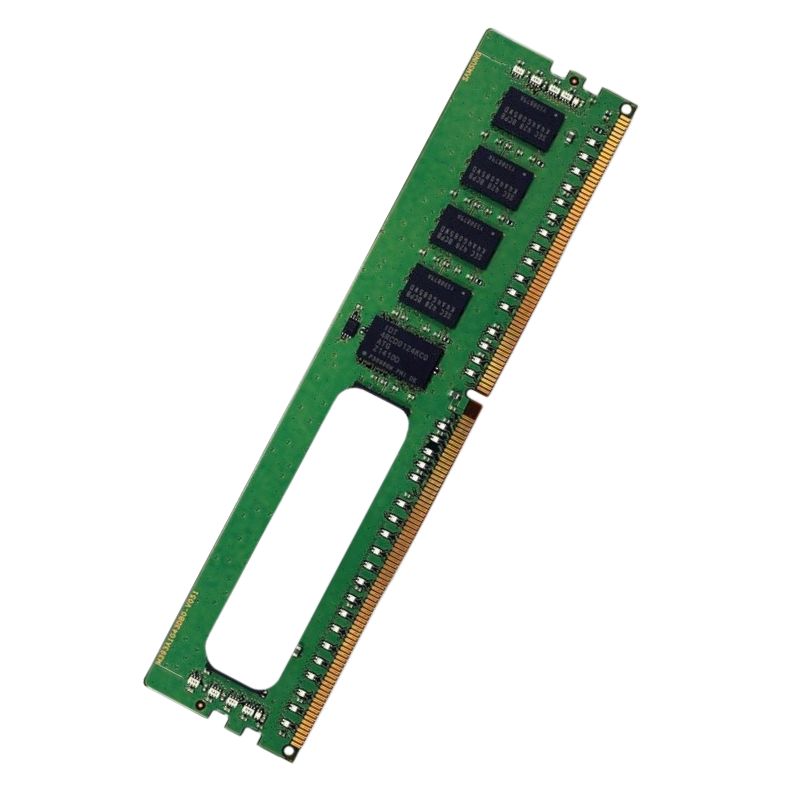
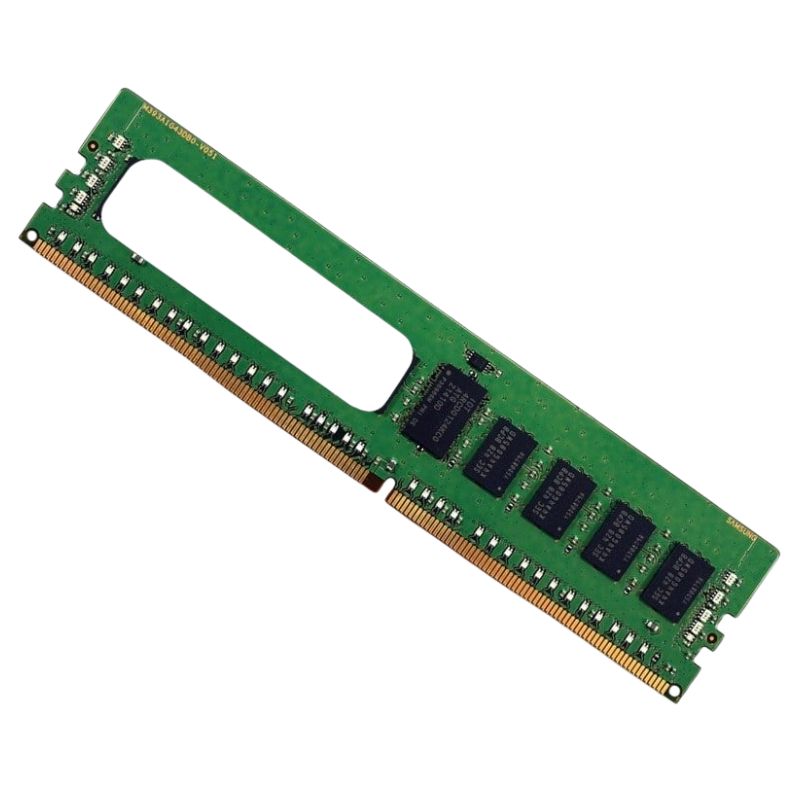
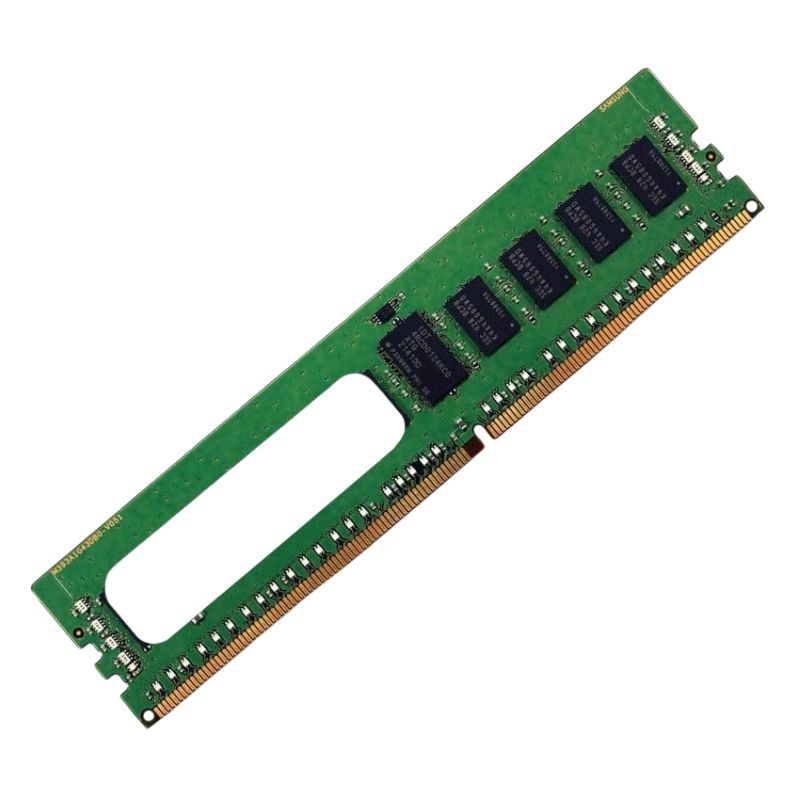
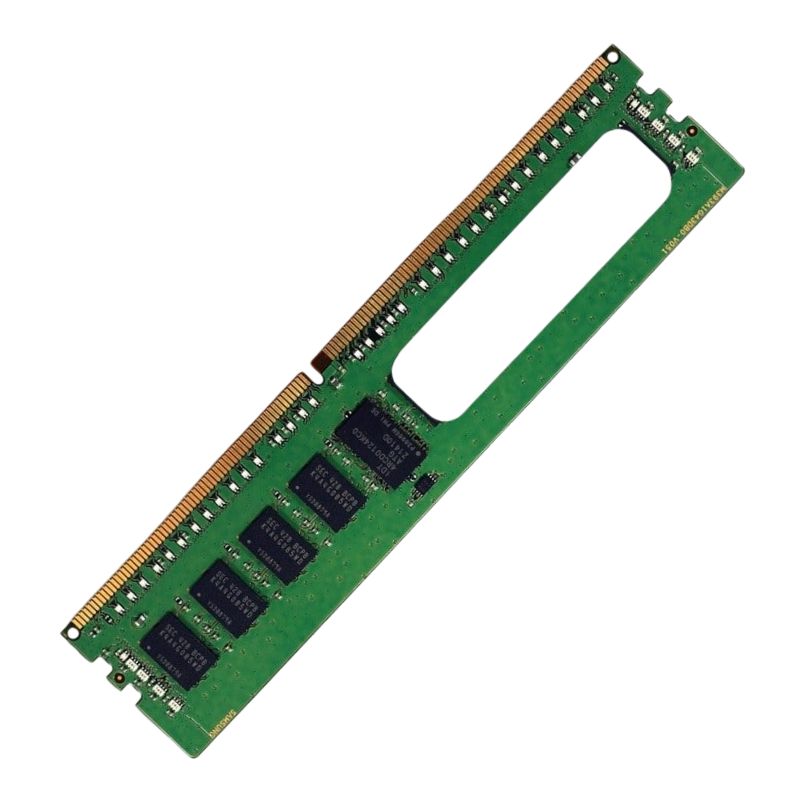
Dell 1XYCY 16GB PC5-38400 DDR5 4800MT/s 1Rx8 Unbuffered ECC Memory Module. New Sealed in Box (NIB) with 1-Year Replacement Warranty - Hynix Version
The Dell 1XYCY 16GB DDR5 memory module is engineered to meet the evolving performance and reliability requirements of modern enterprise systems. Built on next-generation DDR5 technology, this unbuffered ECC RAM delivers faster data throughput, improved efficiency, and enhanced system stability compared to previous DDR generations. Designed specifically for compatible Dell servers and workstations, it supports demanding workloads where accuracy, speed, and uptime are critical.
Technical Specifications
Ideal Applications
1Rx8 Memory Organization
In the demanding environments of modern data centers, professional workstations, and critical enterprise systems, memory reliability and integrity are not optional—they are foundational. This is where Error-Correcting Code (ECC) memory becomes indispensable. The Dell 1XYCY 16GB PC5-38400 DDR5 module represents a specific and vital component within this ecosystem, engineered to deliver enhanced data accuracy and system stability. This category encompasses memory modules designed to proactively detect and correct the most common types of internal data corruption, preventing crashes, data corruption, and silent errors that can plague high-availability systems. Understanding the specifications and applications of this memory is crucial for IT professionals, system administrators, and workstation users who prioritize uptime and computational fidelity.
The 1XYCY 16GB capacity offers a balanced point for many professional configurations, suitable for tasks ranging from virtualization hosts and mid-density database servers to complex 3D modeling and engineering simulation workstations. As a DDR5 module, it operates on the latest DDR memory standard, providing significant architectural improvements over DDR4, including higher base speeds, improved power efficiency, and greater potential bandwidth.
The "1Rx8" designation is a critical, often overlooked specification. "1R" means the module is single-ranked. A rank is an independent set of memory chips that can be accessed simultaneously by the memory controller. Single-rank modules generally offer slightly better performance in certain access patterns compared to dual-rank (2R) modules of the same capacity because the controller can switch between ranks faster. The "x8" refers to the physical organization of the DRAM chips on the module, indicating they have an 8-bit wide data interface per chip. This x8 configuration is standard for ECC modules and is a key enabler for the extra bit used for error correction.
The module operates at a data rate of 4800 Mega transfers per second (MT/s), often colloquially referred to as 4800MHz. Each transfer equates to one data cycle. The "PC5-38400" is the module's industry standard name, derived from its theoretical peak bandwidth. Calculated as (4800 MT/s * 8 bytes per channel) = 38,400 MB/s, or approximately 38.4 GB/s per module. This high bandwidth is essential for feeding data-hungry multi-core CPUs in servers and workstations, reducing bottlenecks in data-intensive applications.
ECC 1XYCY memory incorporates additional memory bits (the "extra" bit in an x8 configuration for every 64-bit word) to store an encrypted code. Every time data is written to memory, the ECC circuit calculates a code and stores it with the data. When the data is read, the circuit recalculates the code and compares it to the stored value. If a single-bit error (the most common type of memory error caused by cosmic rays, electrical interference, or other factors) is detected, the ECC logic can instantly correct it on the fly without any interruption to the system. Multi-bit errors are detected, though typically not corrected, triggering a system halt to prevent data corruption.
Single-bit flips can corrupt financial calculations, alter scientific dataset values, or introduce artifacts in rendered images—all without crashing the system, hence the term "silent error." ECC memory eliminates this risk for single-bit events. By preventing these errors, ECC protects against corrupted databases, compromised virtual machines, and flawed computational results, ensuring the output of your system is as accurate as the input.
The Dell 1XYCY is specified as Unbuffered ECC (often denoted as ECC UDIMM). This is a crucial distinction from the more common server memory type, Registered ECC (RDIMM). Unbuffered modules do not have a register (or buffer) between the memory controller and the DRAM chips. This results in lower latency, which is beneficial for performance-sensitive workstation applications. However, it places a higher electrical load on the memory controller, which limits the total number of modules that can be installed per channel (typically 1-2). Therefore, ECC UDIMMs are the standard for professional workstations (like Dell Precision) and entry-level or tower servers where maximum capacity is not the primary goal, but low latency and error correction are.
The Dell 1XYCY is factory-configured for optimal compatibility. Its primary home is in Dell's lineup of Precision desktop workstations (such as the Precision 3000, 5000, and 7000 series), which are used for CAD, video editing, data science, and engineering. These systems benefit from ECC's stability during long, complex computations. Additionally, this unbuffered ECC module is compatible with specific Dell PowerEdge tower servers (like some T-Series models) and select rack servers designed to support UDIMMs, often in single-processor configurations.
DDR5 is not merely about higher speeds. Its architecture features On-Die ECC (ODECC), a separate, internal error-correction mechanism within the DRAM chip itself that manages reliability at the silicon level, complementing the traditional module-level ECC. DDR5 also uses a dual 32-bit sub-channel architecture (per 64-bit channel) for improved efficiency and has a more robust power management system integrated on the module (PMIC). This translates to a more stable, efficient, and scalable memory foundation.
When planning a system with the Dell 1XYCY 16GB module, consider future needs. Since ECC UDIMMs have population limits, ensure your motherboard has enough slots to meet your potential maximum memory requirements. For example, a workstation with 4 slots populated with 16GB modules yields 64GB of total ECC-protected memory. If your workload's trajectory suggests a need for 128GB or more, you may need to plan for higher-density modules (e.g., 32GB or 64GB) from the outset or select a platform that supports Registered DIMMs (RDIMMs) for greater maximum capacity.
Always consult the official Dell 1XYCY Owner's Manual or memory configuration tool for your specific system model (e.g., Precision 3660, PowerEdge T350). Key checks include: Channel Population: Unbuffered memory often requires specific slot population order (usually starting with slot A1 or B1). Mismatched population can disable multi-channel performance or cause boot failures. Mixing Modules: For optimal stability, it is strongly recommended to use identical modules (same part number, capacity, speed, and rank) in all slots. Mixing different speeds or ranks may cause the system to run all memory at the speed of the slowest module or may not enable ECC functionality properly.


 Contact Us
 Information
 Catalog
 Solid State Drives (SSD)
 Network Switches
 Hard Disk Drives
 HBA & Controllers
 PC & Servers
 PC & Server Memory
 CPU & Processors
 Network Routers
 Power Supplies
 Tape Drives & Libraries
 Network Devices
 Computer & Network Cables