(7% discount is applied at checkout)
Cart is empty
Your go-to destination for cutting-edge server products
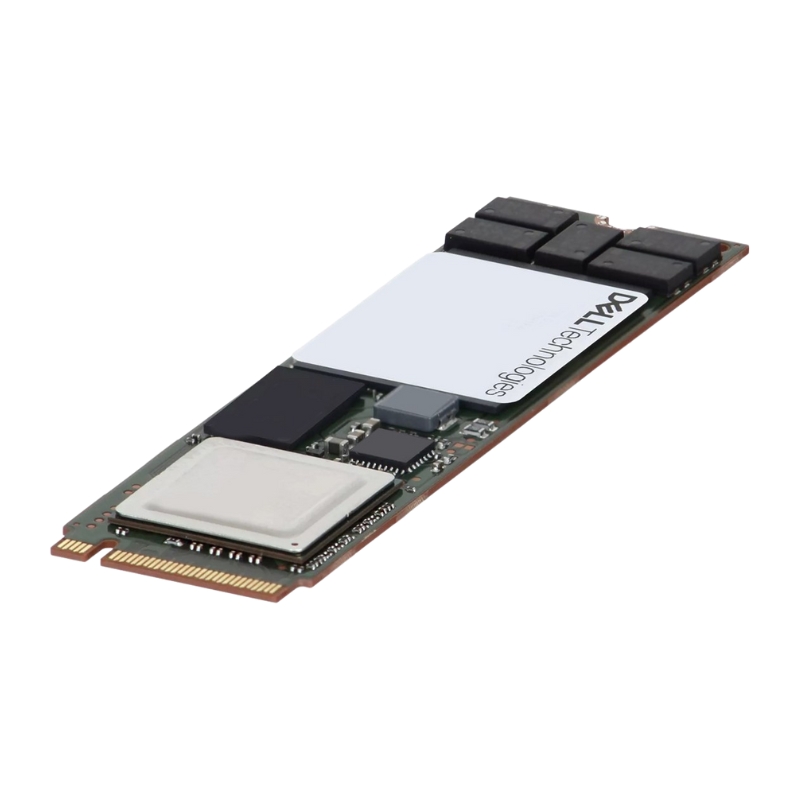


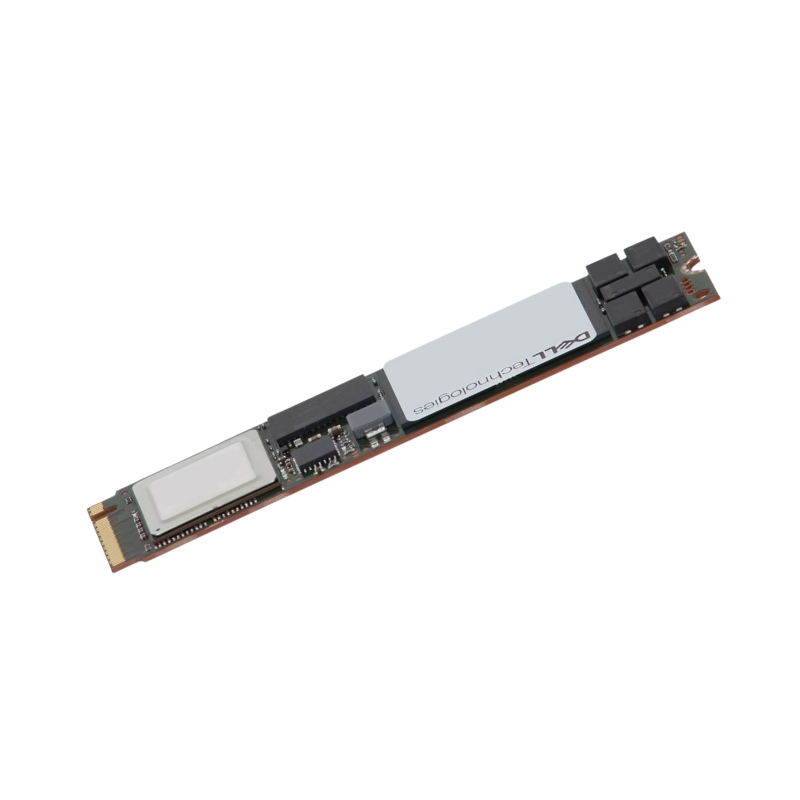
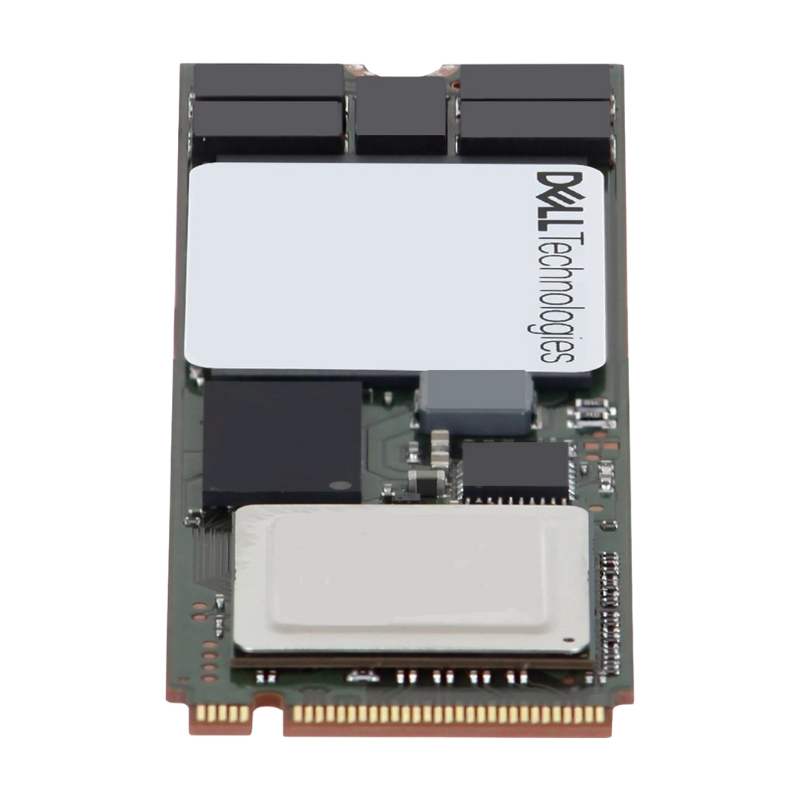
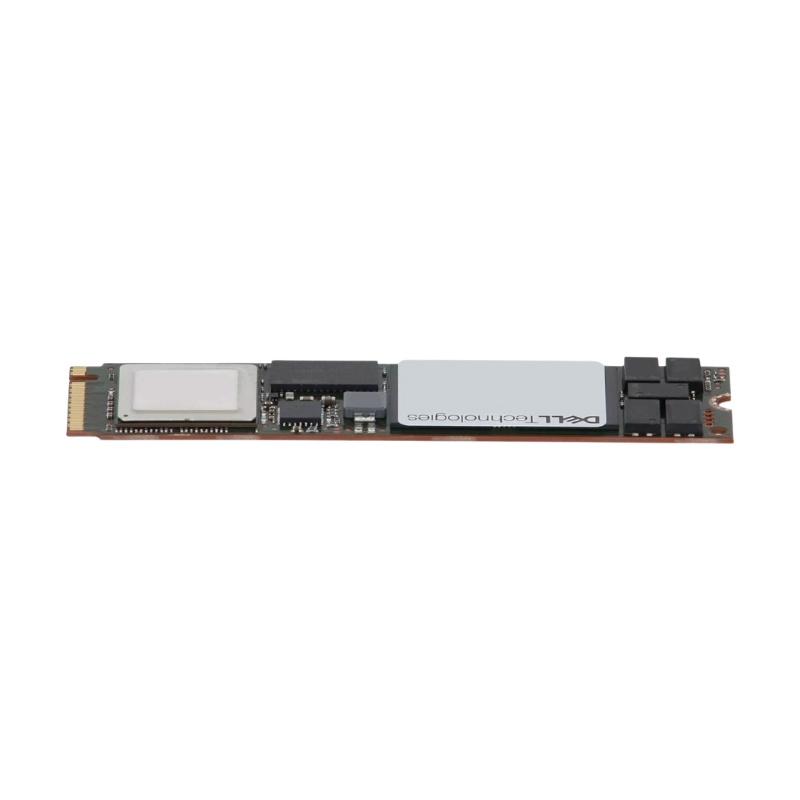
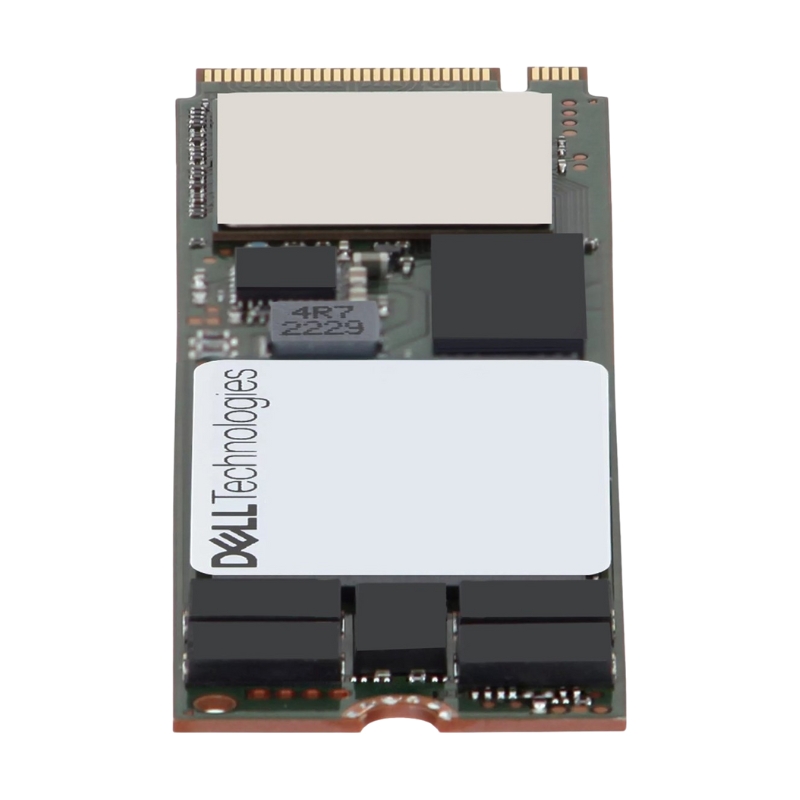
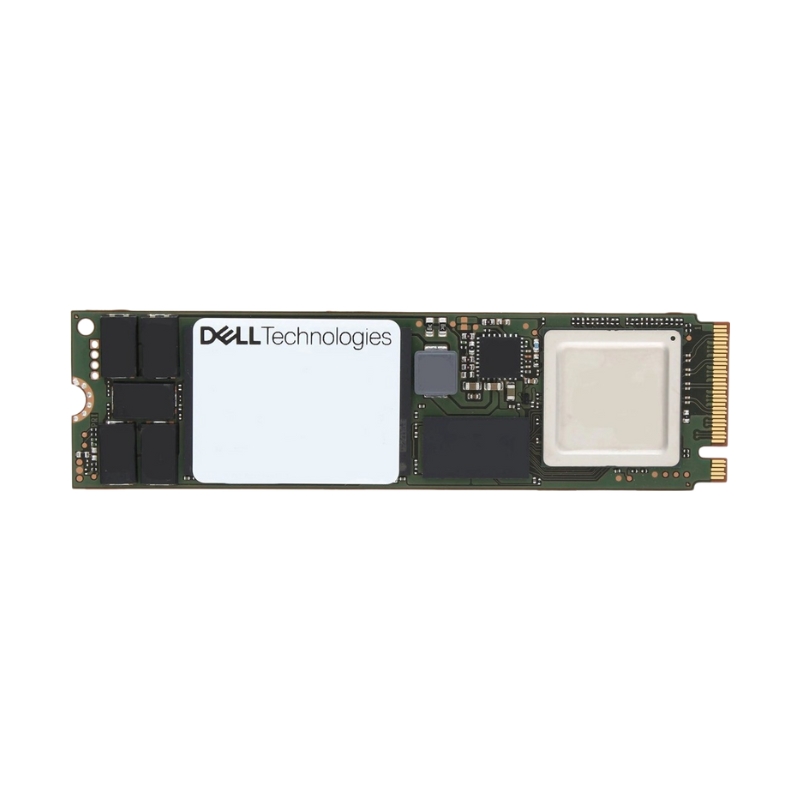
Dell 26H1D 480GB NVMe M.2 2280 PCIe Gen4 Read Intensive TLC Enterprise SED Solid State Drive. Excellent Refurbished with 1 year Replacement Warranty
The Dell 26H1D 480GB NVMe M.2 2280 PCIe Gen4 Read-Intensive TLC Enterprise SED Solid State Drive is engineered for speed, durability, and enterprise-level security. This internal SSD offers exceptional performance for data-intensive workloads.
The Dell 26H1D 480GB NVMe M.2 2280 PCIe Gen4 Read Intensive TLC Enterprise Self-Encrypting Solid State Drive belongs to a specialized category of enterprise-grade storage solutions designed to meet the demanding requirements of modern data centers, edge deployments, and performance-sensitive server infrastructures. This category focuses on high-speed non-volatile memory express technology combined with compact M.2 form factors and advanced controller architectures, enabling organizations to achieve low-latency access, predictable throughput, and robust data protection across a wide range of workloads. Enterprise NVMe SSDs in this class are engineered to operate continuously under sustained workloads while maintaining consistent performance characteristics and long-term reliability.
This category represents a convergence of performance, efficiency, and security. PCIe Gen4 connectivity delivers significantly higher bandwidth than previous generations, while TLC NAND flash balances capacity density and endurance for read-intensive applications. The inclusion of self-encrypting drive technology further positions this category as a foundational component in secure enterprise storage architectures, particularly in regulated environments where data-at-rest protection is mandatory.
The Dell 26H1D NVMe SSD category is closely aligned with Dell PowerEdge server ecosystems and validated storage configurations. Drives in this category are designed to integrate seamlessly with Dell firmware, BIOS, and storage management utilities, enabling centralized monitoring, firmware updates, and predictive failure analysis. This tight integration reduces operational complexity and enhances system stability in enterprise environments where uptime and manageability are critical.
Compatibility extends beyond physical fitment, encompassing electrical, thermal, and firmware-level optimization. The M.2 2280 form factor allows dense storage deployment in space-constrained server designs, while Gen4 signaling ensures optimal utilization of modern CPU and chipset architectures. Category-level optimization ensures that performance scaling remains linear as workloads increase, avoiding bottlenecks that can arise from mismatched storage components.
The M.2 2280 form factor has evolved from its origins in client computing to become a strategic component in enterprise server design. In this category, M.2 NVMe SSDs are used for boot drives, caching layers, and application-specific storage where low latency and high responsiveness are essential. The compact footprint allows system architects to allocate more space for compute, memory, or additional storage tiers without compromising performance.
Within the Dell 26H1D category, the M.2 2280 format is paired with enterprise-grade components that support extended duty cycles, thermal resilience, and firmware stability. This distinguishes enterprise M.2 drives from consumer-grade counterparts, ensuring that they can sustain continuous operation in data center environments without degradation.
PCIe Gen4 connectivity is a defining characteristic of this category, offering double the bandwidth of PCIe Gen3 interfaces. This increased throughput enables faster sequential reads, improved random access performance, and reduced I/O latency across a broad spectrum of applications. The Dell 26H1D 480GB NVMe SSD leverages this interface to deliver consistent read-intensive performance, making it suitable for workloads that prioritize fast data retrieval over heavy write activity.
In enterprise contexts, Gen4 performance translates into tangible operational benefits. Faster boot times, accelerated application startup, and reduced query response times contribute to improved service-level agreements and user experiences. Category-level design ensures that performance remains stable even under concurrent access scenarios, supporting virtualization, containerized applications, and distributed databases.
The read intensive designation within this category reflects a focus on workloads where read operations significantly outnumber writes. Examples include content delivery, data analytics queries, search indexing, and virtual desktop infrastructure. TLC NAND technology, when paired with intelligent wear-leveling and caching algorithms, provides an optimal balance between performance and endurance for such use cases.
Drives in this category are tuned to maintain high read throughput over extended periods, minimizing latency spikes and ensuring predictable behavior. This predictability is critical in enterprise environments where performance consistency often matters more than peak benchmark figures.
Triple-Level Cell NAND flash is a core component of this category, offering higher storage density compared to SLC or MLC while maintaining sufficient endurance for read-intensive enterprise workloads. Advanced error correction, over-provisioning, and firmware-level optimization extend the usable lifespan of the drive, ensuring reliable operation throughout its service life.
Within the Dell 26H1D category, TLC NAND is selected and validated to meet enterprise endurance standards. This ensures that even under sustained read activity and moderate write workloads, the drive maintains data integrity and performance consistency.
Security is a central pillar of the Dell 26H1D NVMe SSD category, with self-encrypting drive functionality providing hardware-based data-at-rest protection. SED technology encrypts all data written to the drive using onboard cryptographic engines, ensuring that sensitive information remains protected even if the physical drive is removed from the system.
This category addresses the growing need for compliance with data protection regulations and internal security policies. Hardware-based encryption offloads processing from the host CPU, delivering security without compromising performance. Key management is handled securely within the drive, reducing the risk of unauthorized access.
Enterprise environments operating in regulated industries such as healthcare, finance, and government benefit significantly from the security features embedded in this category. Self-encrypting NVMe SSDs simplify compliance with standards related to data confidentiality and breach mitigation. In the event of decommissioning or repurposing hardware, cryptographic erasure can be performed rapidly by destroying encryption keys, rendering data irretrievable.
The Dell 26H1D category supports these use cases by combining robust encryption with enterprise validation, ensuring that security features function reliably across supported platforms and operating systems.
Within the broader enterprise storage hierarchy, the Dell 26H1D 480GB NVMe SSD category occupies a strategic position focused on high-speed, read-intensive workloads. It complements higher-capacity SATA or SAS SSDs and traditional hard drives by providing a performance tier optimized for latency-sensitive operations.
This tiered approach enables organizations to allocate storage resources efficiently, matching workload requirements to appropriate media types. By integrating NVMe SSDs in this category, enterprises can achieve a balanced storage architecture that maximizes both performance and cost efficiency.


 Contact Us
 Information
 Catalog
 Solid State Drives (SSD)
 Network Switches
 Hard Disk Drives
 HBA & Controllers
 PC & Servers
 PC & Server Memory
 CPU & Processors
 Network Routers
 Power Supplies
 Tape Drives & Libraries
 Network Devices
 Computer & Network Cables