(7% discount is applied at checkout)
Cart is empty
Your go-to destination for cutting-edge server products
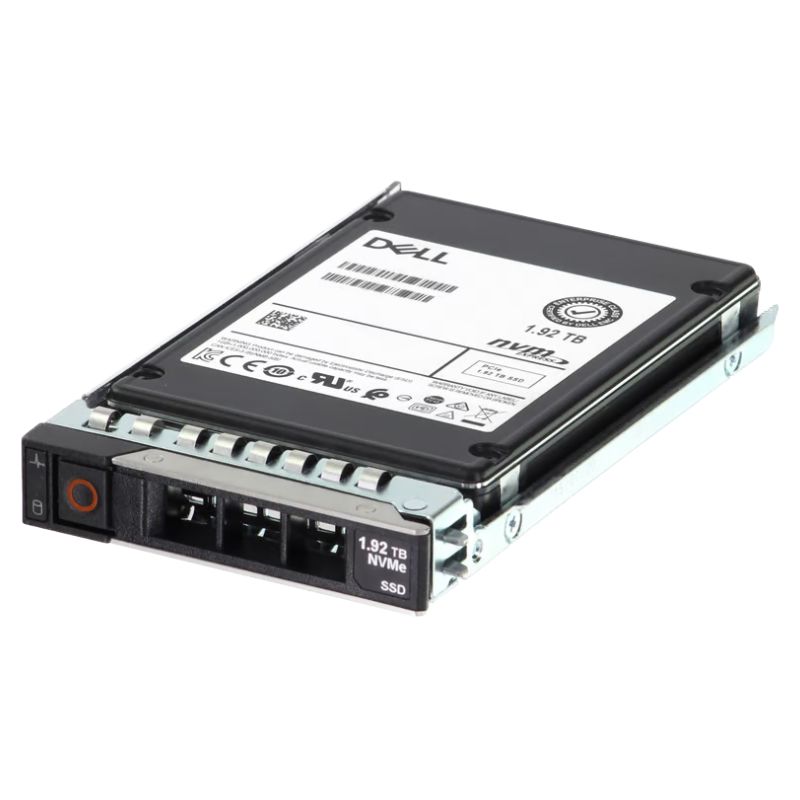


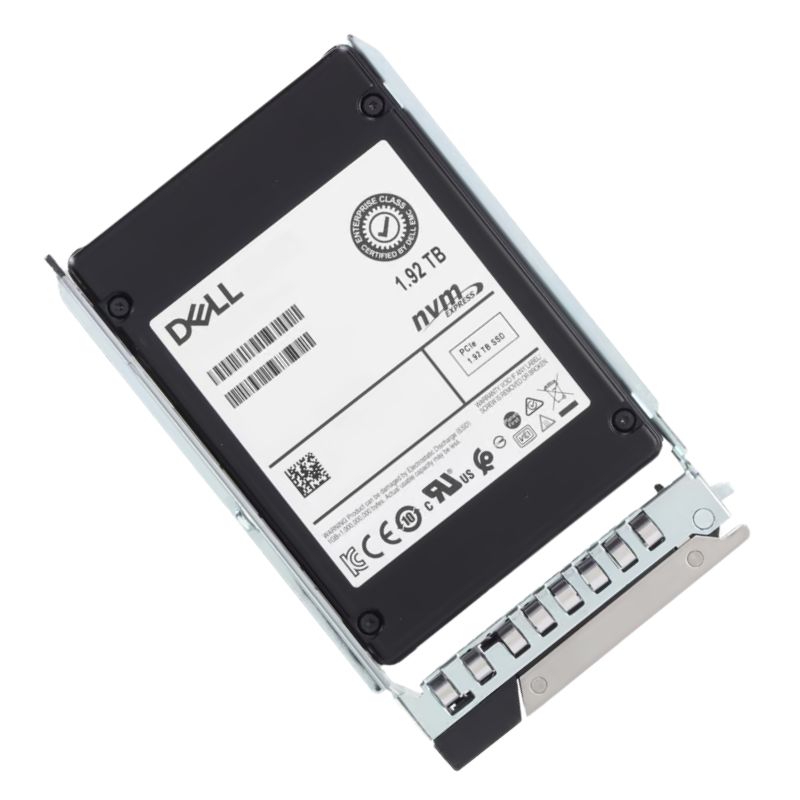
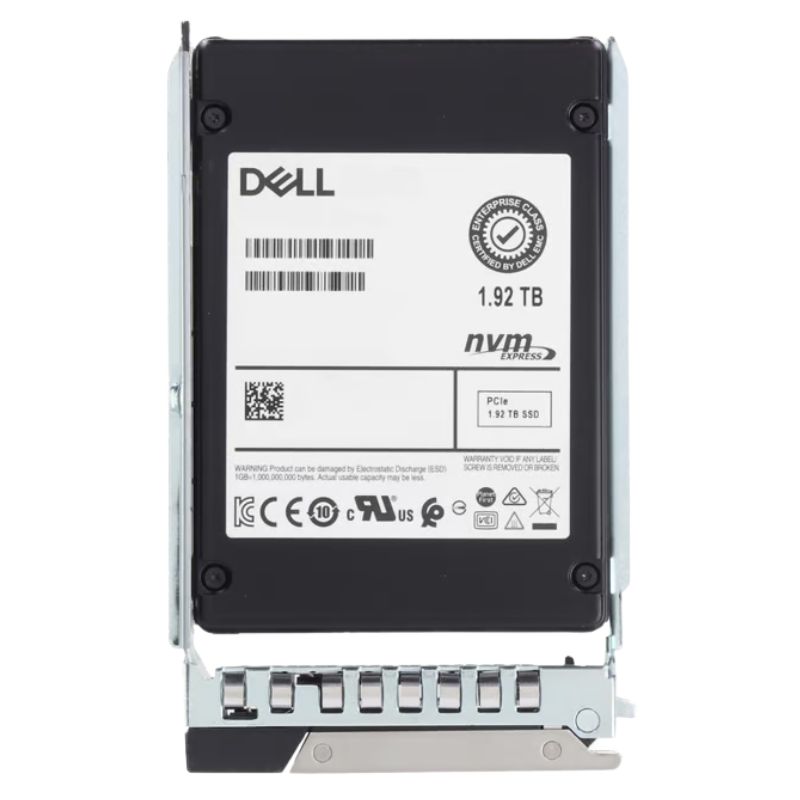
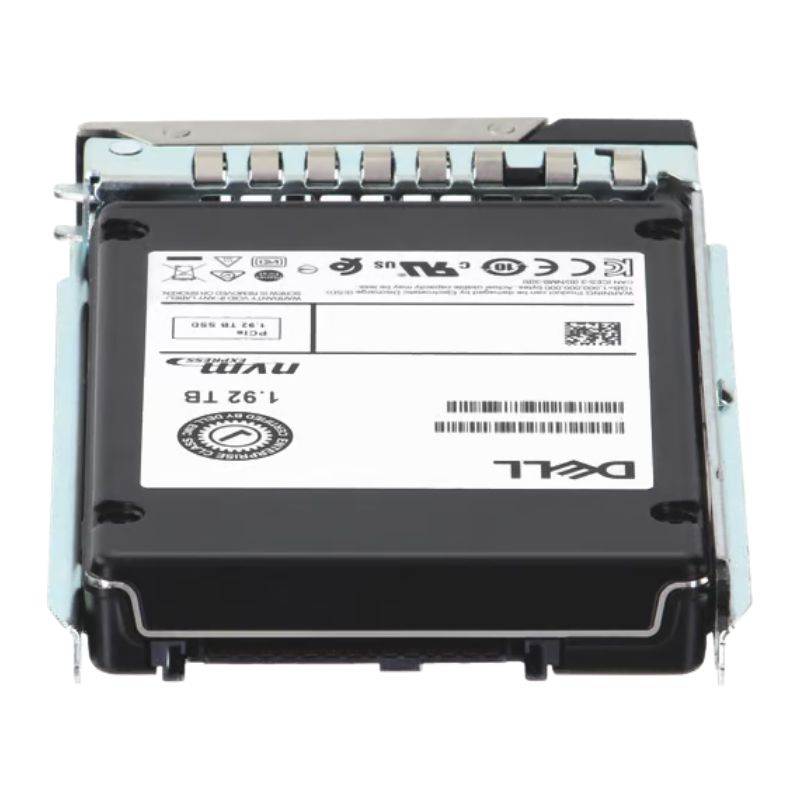
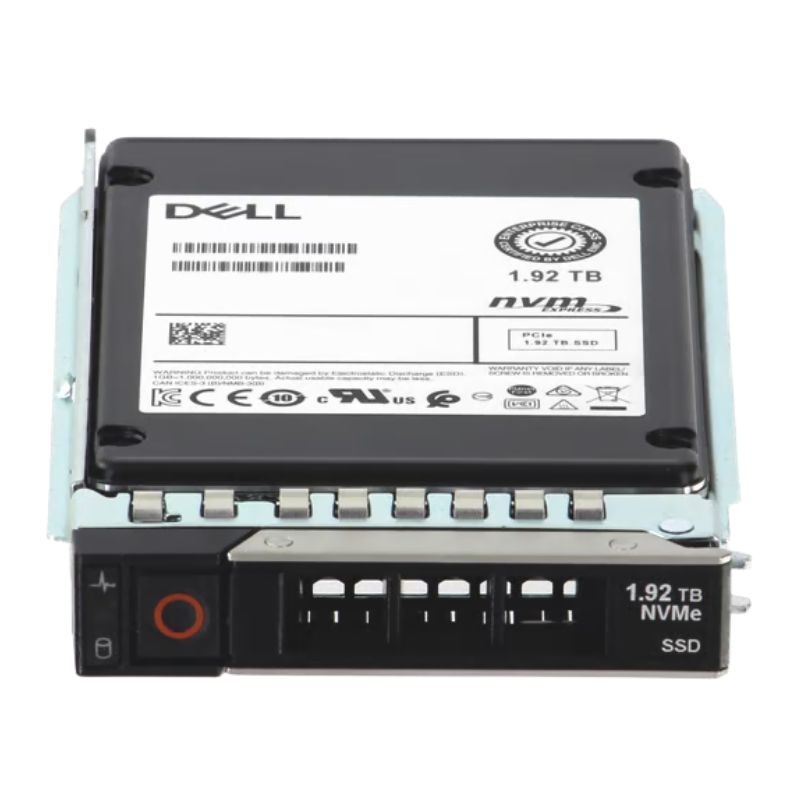
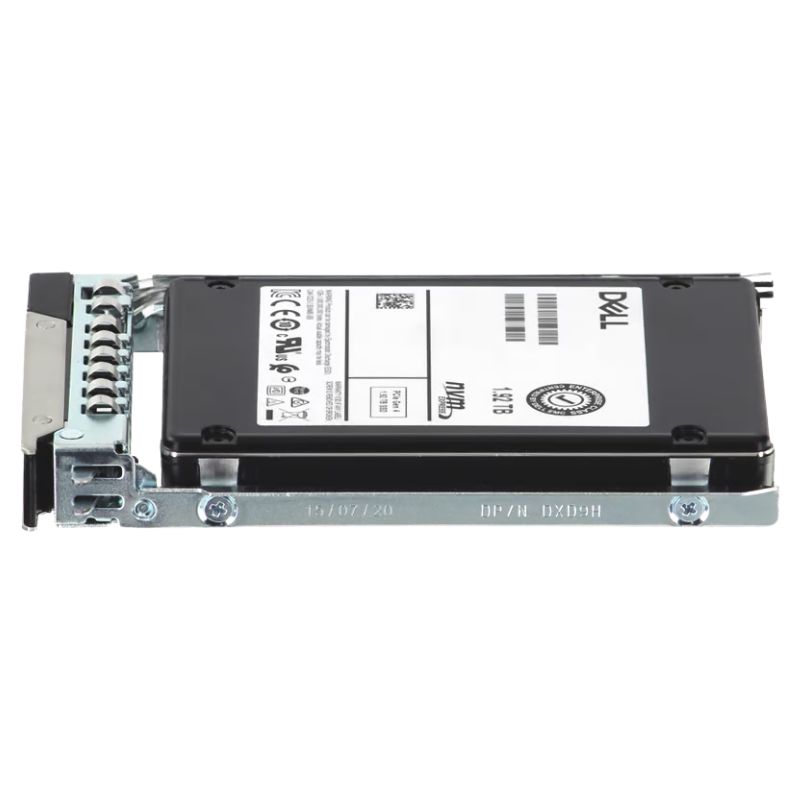
Dell 2N7MH 1.92TB Enterprise NVMe U.2 Read Intensive TLC SFF Internal Solid State Drive. New Sealed in Box (NIB) with 1 Year Warranty
Experience high-speed data access with the Dell 1.92TB PCIe 4.0 x4 NVMe U.2 15mm 3D3 TLC 2.5-inch Express Flash Read-Optimized Solid-State Drive. Engineered for 14th Generation PowerEdge servers, this enterprise-grade SSD delivers exceptional performance and reliability for read-intensive workloads.
Designed for organizations that require consistent performance, predictable endurance, and enterprise-grade reliability, the Dell 2N7MH 1.92TB Enterprise NVMe U.2 Read Intensive TLC SFF Internal Solid State Drive represents a compelling balance between capacity, cost-efficiency, and durability. Engineered for data center workloads that are read-dominant—such as content delivery, virtualization boot volumes, analytics indexes, and distributed file systems—this drive delivers fast NVMe latency, the thermal and mechanical benefits of a U.2 SFF form factor, and the cost advantages of triple-level cell (TLC) flash optimized for read-intensive duty cycles.
At the heart of this category is the combination of NVMe protocol performance and U.2 solid-state drive modularity. The NVMe interface offers a low-latency command set and high parallelism tailored to modern multi-core servers, while the U.2 SFF (small form factor) design enables hot-plug capability, robust cooling, and compatibility with enterprise chassis and backplanes. The 1.92TB capacity positions the 2N7MH squarely in the mid-range capacity tier—large enough for meaningful data sets, yet economical relative to higher-capacity enterprise drives. Because the drive is specified as read intensive, firmware, over-provisioning and endurance targets are tuned to prioritize read performance and longevity under workloads that perform significantly more reads than writes.
The U.2 SFF (2.5-inch) chassis makes this drive suitable for dense server deployments and storage arrays that accept hot-pluggable drives. The mechanical design focuses on vibration resistance, efficient heat dissipation across the drive substrate and controller, and compatibility with standard U.2 trays and sleds used in Dell PowerEdge and many third-party servers. The drive’s physical reliability is complemented by enterprise-grade connectors and power profiles that ensure secure insertion and removal without disruption to the host system.
NVMe brings the performance advantages required by modern applications: increased IOPS per watt, deeper command queues, and lower latency compared with legacy SATA or SAS interfaces. The Dell 2N7MH leverages NVMe to reduce round-trip latencies for small random reads—a typical hotspot in database index lookups and metadata-heavy workloads. The read-intensive TLC configuration optimizes read IOPS and sustained sequential throughput while allowing acceptable write performance for background tasks such as garbage collection and wear leveling.
For read-dominant workloads, the most important metrics are random read IOPS and average read latency under load. The NVMe protocol, combined with multi-channel TLC NAND and an enterprise controller, provides significantly lower tail latency compared to SATA alternatives. This results in more predictable query response times for users and applications, smoother virtualization guest performance, and improved responsiveness for real-time analytics. Under heavy queue depths, the drive sustains throughput thanks to NVMe's native parallelism.
Typical workloads that map well to this drive category include read-heavy web caches, object storage indexes, database read replicas, boot volumes for large fleets of virtual machines, and content-delivery edge nodes. Systems where read IO is frequent, and write IO is relatively light, will obtain the greatest total cost of ownership advantage from choosing a read-intensive TLC NVMe solution like the 2N7MH.
Endurance for read-intensive drives is expressed differently than for mixed-use or write-intensive drives. Rather than guaranteeing extremely high drive writes per day (DWPD), read-intensive models are validated for the typical read/write ratios seen in production analytics and caching deployments. Dell and the underlying NAND/controller vendor tune background processes, firmware algorithms and over-provisioning ratios to maximize lifespan under realistic server conditions. Additionally, the drive includes enterprise reliability features such as power-loss protection (where applicable by model), end-to-end data path protection, and SMART telemetry for predictive monitoring.
Thermal performance is critical for dense rack deployments. The U.2 SFF form factor allows direct conduction cooling via the chassis and sled, assisting in maintaining consistent NAND and controller temperatures. Lower operating temperatures improve NAND retention and reduce the probability of thermal throttling under sustained loads. From an efficiency standpoint, NVMe drives deliver greater IOPS per watt compared with older interfaces, which translates into lower power consumption at scale and contributes to improved data center PUE when deployed across many servers.
Servers hosting these drives often employ targeted airflow channels, drive-cage baffles, and optimized fan curves to ensure stable thermal envelopes for each drive. Administrators should follow Dell’s thermal guidance for slot population and airflow direction to prevent hotspots. Proper rack design and cooling consistency become especially important when deploying many U.2 drives in a single chassis or dense storage arrays.
Modern enterprise SSDs offer capabilities designed to protect data at rest and during transit within the drive. Features such as hardware-based self-encryption, secure erase, and support for industry-standard encryption key management can be essential for regulated industries and environments that handle sensitive data. The drive category supports secure provisioning workflows and certificate-based key management when integrated with broader infrastructure encryption solutions.
Self-encrypting drive (SED) functionality can be a decisive factor when selecting a drive for environments with strict data protection requirements. SEDs limit the need for software-only encryption solutions and provide cryptographic erase functionality that allows rapid decommissioning of storage devices while preserving data confidentiality. When combined with secure key-rotation policies and centralized key managers, SED-enabled U.2 NVMe drives help meet compliance regulations and simplify device retirement.
Deployments that consolidate multiple read-heavy workloads onto NVMe storage can realize operational savings from improved server density and reduced latency-induced scaling. For example, consolidating database read replicas and caching layers onto NVMe-based nodes can reduce the number of servers required to meet service-level objectives, cutting licensing and management costs. Additionally, the energy efficiency of NVMe helps lower ongoing power bills at scale.
Enterprise SSD lifecycle practices include predictable replacement intervals, firmware standardization, and proactive failure detection. The U.2 hot-pluggable design simplifies in-field replacement without powering down servers, reducing maintenance windows and enabling quick recovery from drive failures. Dell’s support and service plans often encompass drive diagnostics, RMA workflows, and on-site replacement options that align with enterprise availability requirements.
When drives reach end-of-life or are retired due to capacity changes, administrators should follow secure decommissioning procedures. Cryptographic erase, combined with documented chain-of-custody processes, ensures data cannot be recovered from retired drives. Proper documentation of retirement, firmware versions, and serial numbers also helps with asset management and compliance audits.
Hybrid storage architectures that combine NVMe, SAS SSDs, and HDDs enable IT teams to optimize cost and performance. Automated tiering or manual policy-driven movement of data ensures that frequently accessed files and indexes reside on NVMe for low-latency access, while less-accessed content is migrated to cheaper media. The 1.92TB NVMe drives serve as ideal candidates for mid-tier performance pools that require high read responsiveness without the premium price of write-intensive SSDs.
Beyond encryption capabilities, auditability and traceability are crucial in enterprise contexts. The telemetry and SMART logs provided by drives in this category feed into compliance reporting, capacity planning, and forensic investigations. Regulatory frameworks often require demonstrable controls over data retention and erasure; enterprise NVMe drives with secure erase and encryption features assist organizations in satisfying these requirements.
For industries subject to strict privacy and data residency rules, documenting drive configuration, encryption status, and removal procedures is essential. Combining device-level security controls with organizational policies for data lifecycle and retention ensures alignment with frameworks such as GDPR, HIPAA and others that mandate strong protections for sensitive data.
To maximize the benefits of a read-intensive NVMe deployment, administrators should instrument workloads to measure real IO patterns, monitor tail latency metrics, and apply proper cooling and power provisioning. Establishing a baseline before migration enables teams to quantify improvements and ensure that NVMe adoption aligns with performance objectives. Additionally, standardizing drive firmware and maintaining an inventory of tested spare drives simplifies troubleshooting and accelerates mean time to repair.
As data center demands evolve, NVMe-based architectures continue to expand. NVMe-oF (NVMe over Fabrics) is increasingly used to extend NVMe performance across networks, enabling disaggregated storage models. While the Dell 2N7MH is a direct-attach NVMe device, its use in nodes that participate in NVMe-oF fabrics allows enterprises to combine the low latency of local NVMe with the flexibility of networked storage. Additionally, increasing adoption of storage-class memory and QLC/TLC tradeoffs means that architects must balance raw capacity, endurance, and application tolerance for tail latency when designing future platforms.
In environments considering NVMe-oF, planning for network fabric capabilities, host software stacks and security controls is essential. The direct-attach NVMe drives remain critical components in disaggregated designs, serving as local fast caches or persistent tiers that accelerate application IO while front-ending remote fabric storage for capacity needs.


 Contact Us
 Information
 Catalog
 Solid State Drives (SSD)
 Network Switches
 Hard Disk Drives
 HBA & Controllers
 PC & Servers
 PC & Server Memory
 CPU & Processors
 Network Routers
 Power Supplies
 Tape Drives & Libraries
 Network Devices
 Computer & Network Cables