(7% discount is applied at checkout)
Cart is empty
Your go-to destination for cutting-edge server products
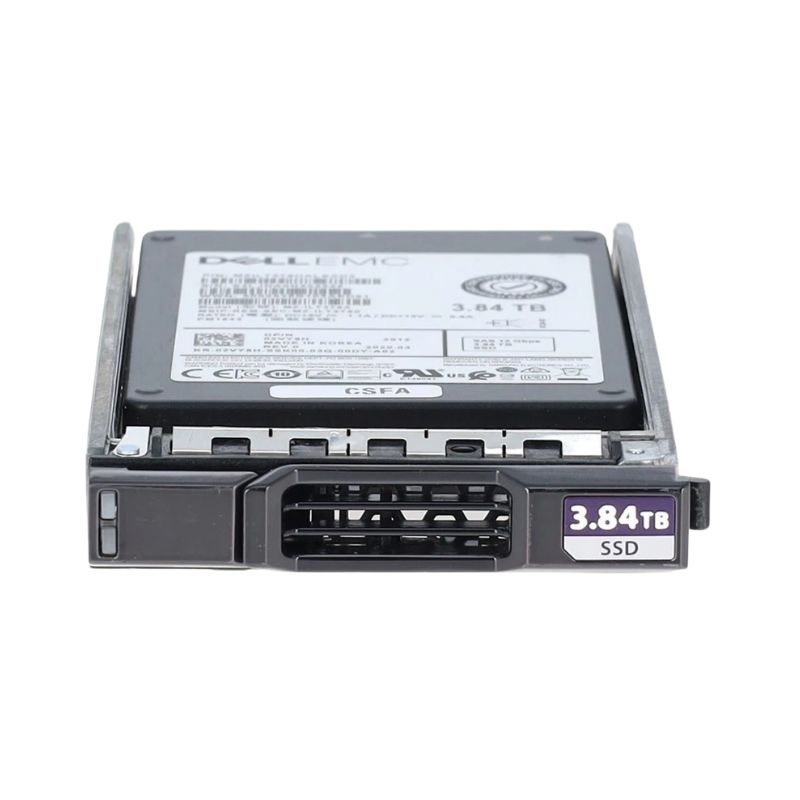


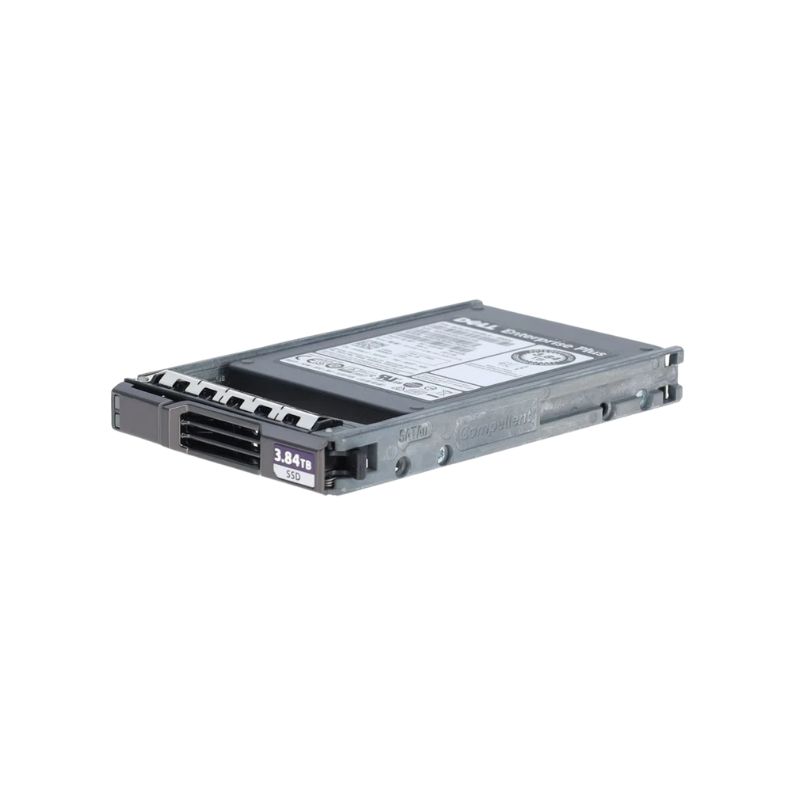
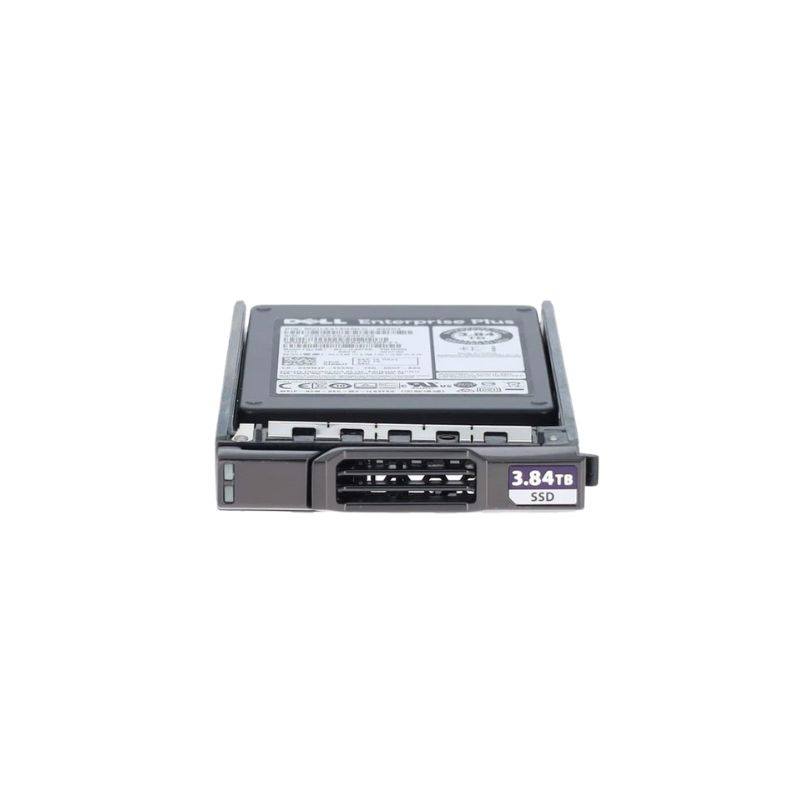
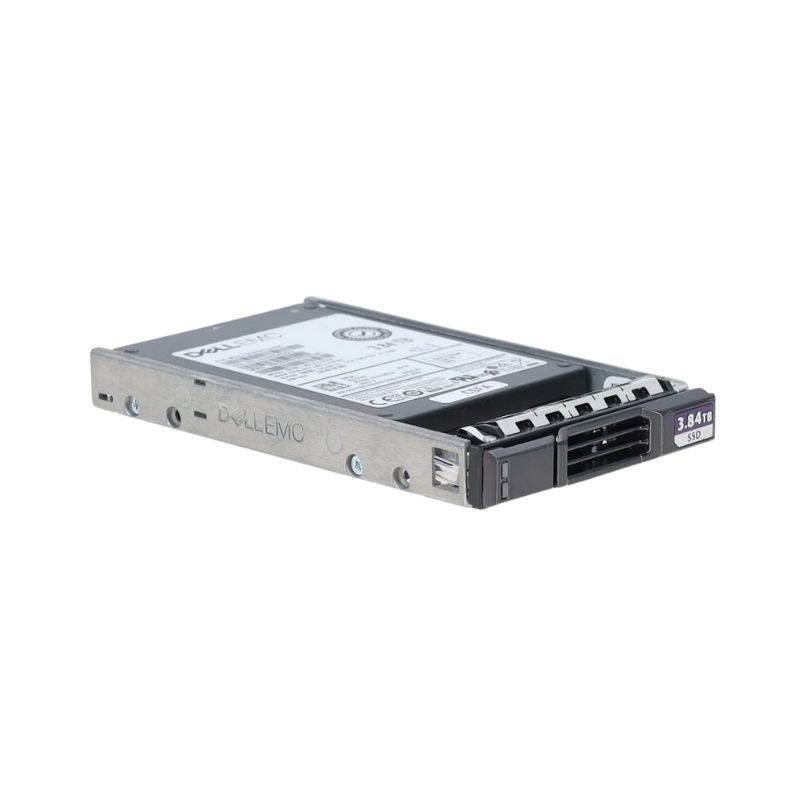
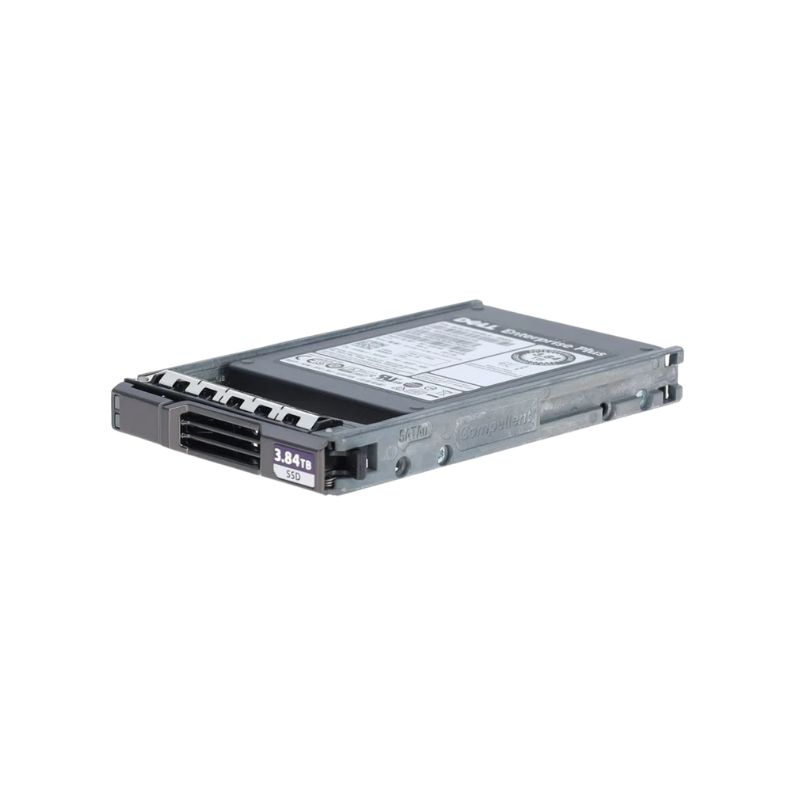
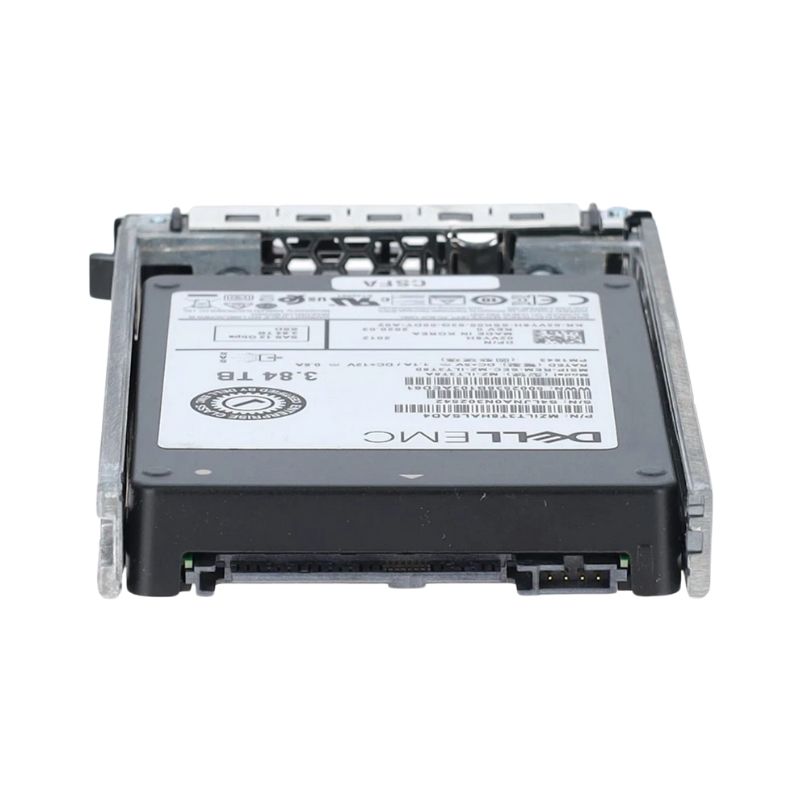
Dell 400-AQEE 3.84TB Mixed Use MLC SAS 12GBPS 2.5inch Hot Plug SSD. Excellent Refurbished with 1 Year Replacement Warranty
The Dell 400-AQEE 3.84TB solid-state drive is engineered for performance-intensive environments, offering a robust storage solution with hot-swap capability and SAS 12Gbps interface. Designed for mixed-use applications, it delivers a balance of endurance and speed ideal for enterprise servers.
The Dell 400-AQEE 3.84TB Mixed-Use MLC SAS-12Gbps 2.5inch Hot Plug Solid State Drive for PowerEdge Server belongs to a focused enterprise storage category built for consistent performance, high reliability, and data center compatibility. This category centers on high-capacity 2.5" SAS 12Gbps solid state drives that use Multi-Level Cell (MLC) NAND and are rated for mixed-use workloads. Drives in this category are engineered for mixed read/write patterns found in virtualization, database applications, online transaction processing, and general-purpose server storage. The category emphasizes hot-pluggable, enterprise-grade design with firmware optimized for server-class reliability, industry-standard form factor and interface, and integration with Dell PowerEdge platform management and RAID controllers.
These Mixed-Use MLC SAS drives are targeted at environments that require a balance between sustained write endurance and sustained read performance. Typical deployment scenarios include virtual machine datastores, small to medium-sized databases, mixed OLTP/analytics operations, VDI pools with moderate boot storms, caching tiers in tiered storage architectures, and application servers that combine sequential and random I/O patterns. The MLC NAND offers greater endurance than consumer TLC/QLC while retaining competitive cost per gigabyte when compared to SLC alternatives, making this category ideal where endurance and predictable latency matter more than raw lowest possible cost.
The 2.5-inch 12Gbps SAS form factor provides an industry-standard footprint that fits a wide range of PowerEdge server bays and backplanes. The SAS-12Gbps interface ensures higher link bandwidth for sustained sequential transfers and improved multi-queue handling under load, making it a preferred choice for servers with high concurrency. Hot-plug functionality within this category allows drives to be replaced or upgraded without powering down the server, minimizing maintenance windows and enabling high-availability operations. The hot-swap capability also supports dynamic storage scaling in blade and rack server environments.
Performance claims for drives in this category typically include high sustained sequential read and write throughput, strong random IOPS at small block sizes, and low average latency under mixed workloads. The SAS-12Gbps interface supports 12 gigabits per second per lane, translating to practical sequential throughput that benefits large file transfers and streaming loads. Random performance is driven by the SSD controller, firmware optimizations for queuing, and MLC NAND characteristics; enterprise-class controllers in this category are tuned to reduce write amplification and maintain consistent I/O latency across varied queue depths.
Sequential throughput on Samsung or controller-agnostic enterprise-class MLC SAS drives commonly reaches several hundred megabytes per second sustained depending on the queue depth and the specific firmware tuning. This makes the category suitable for backup staging areas, large file stores, and streaming workloads when configured in appropriate RAID or caching topologies. The SAS interface ensures that the link bandwidth will not become the limiting factor in most single-drive sequential transfer tests.
MLC NAND used by drives within this category provides a durable balance between endurance and cost. Manufacturers specify endurance metrics such as drive writes per day (DWPD) over a multi-year warranty period, total bytes written (TBW), and mean time between failures (MTBF). For mixed-use classification, endurance is calibrated to withstand a significant number of write operations each day — sufficient for VM hosting and transactional systems. Data retention and error correction mechanisms, including advanced ECC and wear-leveling algorithms, are implemented to maintain data integrity under typical enterprise usage models.
Compared to TLC and QLC, MLC-based drives in this category provide a clear advantage in endurance and consistent performance under heavy write workloads. TLC drives may reduce cost per TB but typically offer lower DWPD and can experience higher write amplification under mixed-use conditions. QLC, while higher density and lower cost, is generally unsuitable where sustained random writes and low latency are required. The mixed-use MLC SAS drives maintain predictable performance and longer lifespan in production server environments, making the initial higher investment worthwhile for critical infrastructure.
Compatibility is a central selling point for Dell-branded or Dell-qualified SSDs designed for PowerEdge servers. These drives are validated against PowerEdge platforms and RAID controllers to ensure plug-and-play operation and firmware compatibility with server management ecosystems. Integration with Dell OpenManage and iDRAC allows for drive health monitoring, SMART telemetry reporting, firmware update orchestration, and predictive failure analytics. Compatibility lists typically include multiple PowerEdge families such as R-series and T-series rack and tower servers supporting 2.5" bays and SAS backplanes.
When deploying these SAS SSDs behind hardware RAID controllers, selecting a controller that supports SAS-12Gbps and enterprise SSD features is essential. Controllers with battery or non-volatile cache, advanced caching policies, and SSD-specific optimizations will deliver superior resilience and performance. RAID level selection should reflect workload priorities: RAID-10 for maximum write performance and redundancy, RAID-6 for higher usable capacity with fault tolerance, or RAID-1 for mirror boot drives. Controller firmware should be kept up to date to ensure proper reporting of SMART attributes and to avoid incompatibilities that can arise from new SSD firmware revisions.
Enterprise SAS SSDs are designed to operate reliably across a defined temperature range and often include thermal throttling strategies to prevent overheating. Proper airflow in server chassis, drive caddies with appropriate ventilation, and dust control in the data center environment are important to sustain peak performance. Power consumption profiles for the category typically balance low idle power with predictable active draw during sustained operations, contributing to reduced rack power and cooling costs compared to equivalent spindle-based arrays at similar performance levels.
Deploying drives from this category requires attention to compatibility matrices, firmware alignment, RAID configuration choices, and capacity planning. Migration strategies often include staged rollouts: testing in development clusters, benchmarking with representative workloads, and deploying to production in monitored batches. Aligning RAID profiles with workload I/O characteristics and ensuring that firmware on both drives and controllers are validated together reduces the chance of post-deployment issues. Data migration tools and hot-swap replacement techniques allow for capacity or performance upgrades without extended downtime.


 Contact Us
 Information
 Catalog
 Solid State Drives (SSD)
 Network Switches
 Hard Disk Drives
 HBA & Controllers
 PC & Servers
 PC & Server Memory
 CPU & Processors
 Network Routers
 Power Supplies
 Tape Drives & Libraries
 Network Devices
 Computer & Network Cables