(7% discount is applied at checkout)
Cart is empty
Your go-to destination for cutting-edge server products
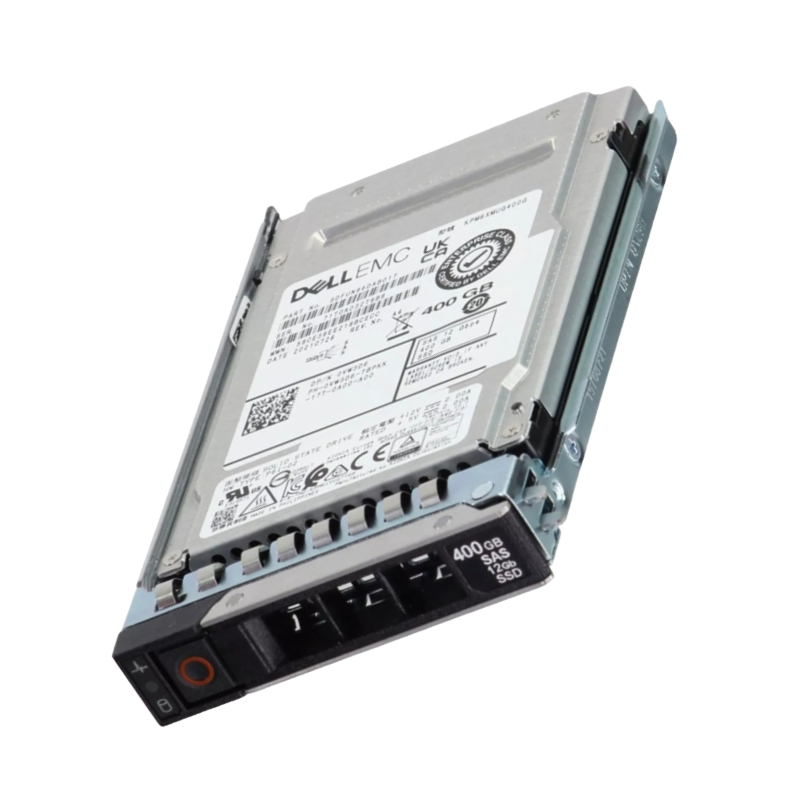


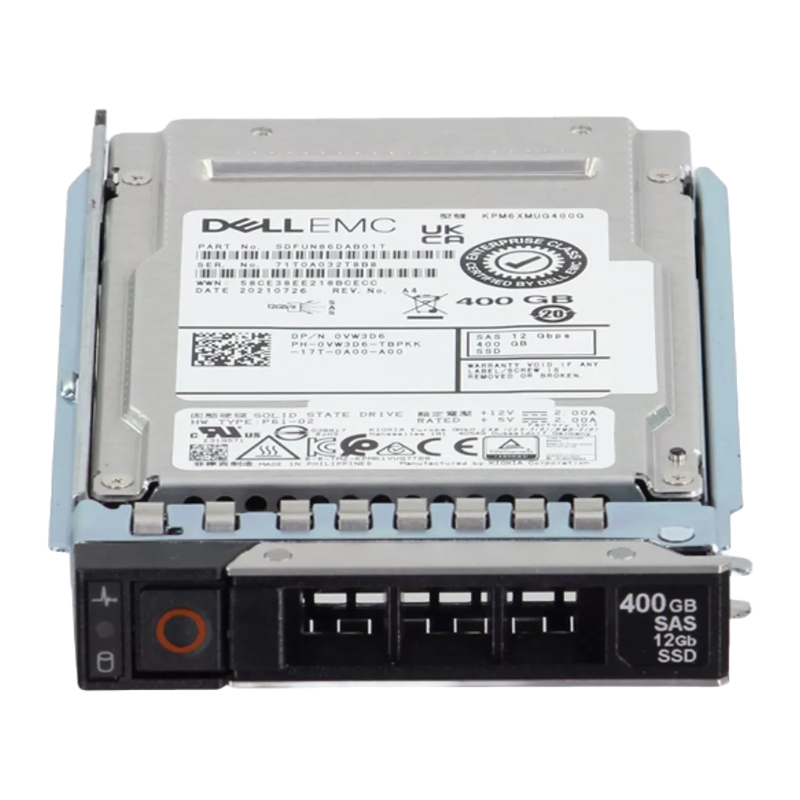
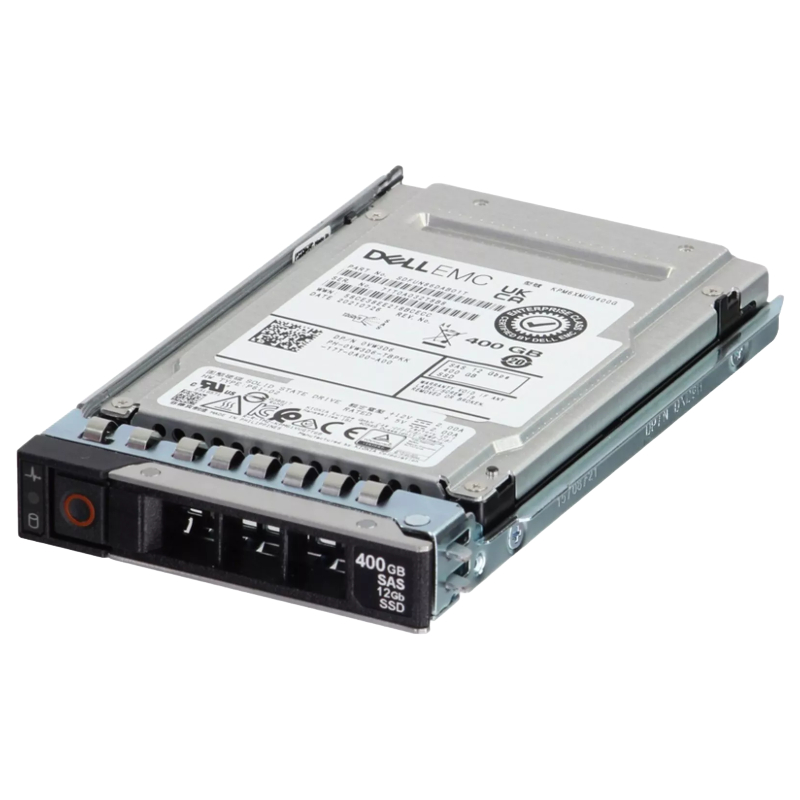
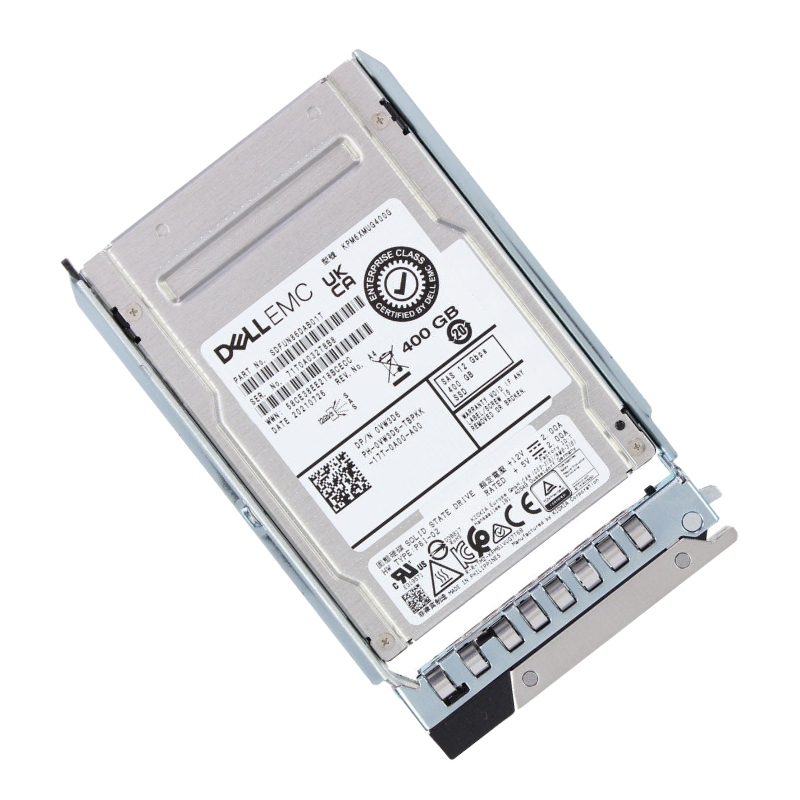
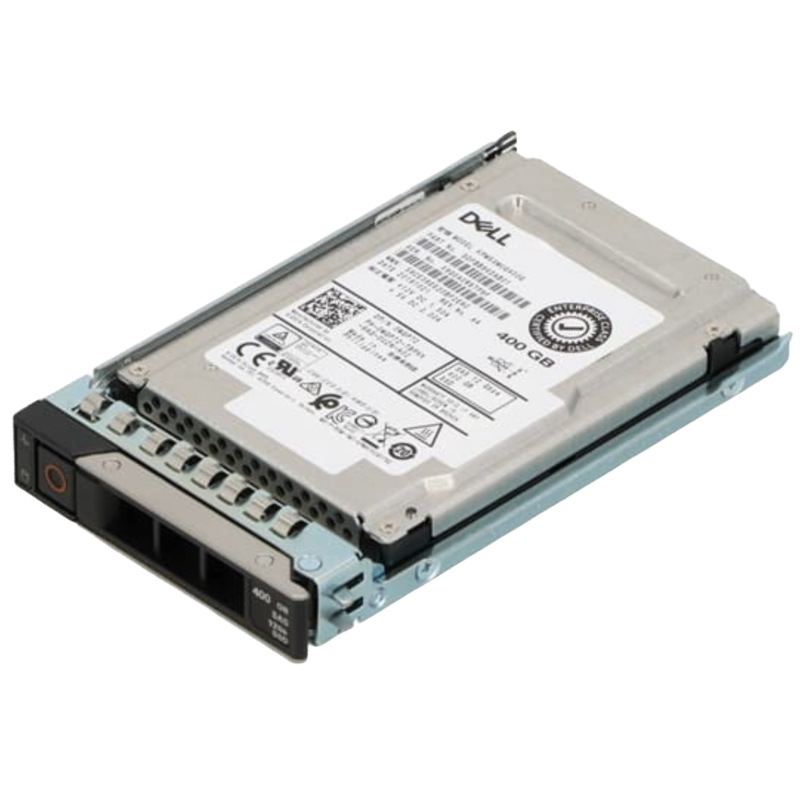
Dell 345-BCBS 400GB SAS-12GBPS Write Intensive Hot-plug SSD. Excellent Refurbished with 1 year replacement warranty
Designed for mission-critical data centers, this Dell-certified SSD supports continuous write-intensive applications, ensuring consistent speed and long-term dependability.
The Dell 345-BCBS is a certified, hot-pluggable 2.5-inch SAS solid state drive engineered for demanding, write-heavy server environments. Built on modern 3D TLC NAND and optimized controller firmware, this 400GB drive offers a blend of high sustained write performance, strong endurance characteristics and the manageability expected in PowerEdge data center deployments. The model is typically supplied in a Dell-compatible tray so it slides directly into PowerEdge chassis and is recognized by Dell system firmware for diagnostics and support, making it a drop-in solution for administrators who require predictable performance and simplified field replacement.
The storage media uses triple-level cell (TLC) 3D NAND technology combined with enterprise-grade firmware to maximize usable capacity while maintaining consistent performance under sustained write conditions. The drive communicates over a 12Gbps SAS interface, delivering low-latency, high-throughput connectivity well suited to modern RAID controllers and storage backplanes in enterprise servers. This SAS 12Gbps link ensures the drive can handle the burst and sustained I/O patterns encountered in transactional databases, email systems, virtual machine hosting, and caching layers where high write throughput matters. The 2.5-inch form factor and standard hot-plug mechanical design enable easy installation into 2.5-inch bays or hybrid carriers used by many PowerEdge generations.
Endurance is a central design consideration for enterprise SSDs and the Dell 345-BCBS is rated at 10 drive-writes-per-day (DWPD). This rating means the full 400GB capacity of the device can be written ten times every day over the warranty period before the drive reaches its endurance design limit. For administrators, a 10 DWPD rating translates into confidence when the drive is used in logging, caching, high-frequency database writes or other write-amplified workloads where mixed-use or consumer-grade drives would wear out quickly. The endurance rating is achieved through controller-level wear levelling, robust over-provisioning and enterprise-focused flash management, balancing the desire for usable capacity with long-term reliability.
Performance for the Dell 345-BCBS centers on delivering consistent write performance over prolonged periods rather than short synthetic bursts alone. The combination of enterprise firmware, power-loss protection strategies, and 3D TLC NAND provides low and predictable latencies under load, helping to reduce application tail latency. While sequential bandwidth benefits from the SAS 12Gbps transport, the most important metric for many server operators will be sustained random write IOPS at various queue depths and the drive's ability to maintain throughput during high write cycles. Because this drive is Dell-certified and often cross-referenced with PM6 and similar OEM platforms, administrators can expect compatibility with a wide range of PowerEdge RAID controllers and to see firmware-level reporting through Dell management tools.
One of the practical advantages of the 345-BCBS is that it is sold and marketed as a Dell-certified part and is packaged with the appropriate tray or carrier for insertion into Dell PowerEdge servers. Certified compatibility reduces integration time and eliminates the guesswork many procurement teams face when populating bays in dense rack servers. The drive is broadly compatible with many PowerEdge models and compatible enclosures, including blades, rack-optimized servers and hybrid carriers that accept 2.5-inch SAS devices. Certification also means the device often appears in system vendor support matrices, helping with firmware coordination and warranty coverage in mixed hardware environments where vendor support is required.
Designed as a hot-plug SFF (small form factor) drive, the 345-BCBS can be installed and removed without shutting down the host system when used with compatible Dell backplanes and controllers that support drive hot-swapping. Drive trays are keyed to Dell carriers and the tray assembly ensures the drive's SATA/SAS connector engages cleanly with the server backplane. The simplicity of the tray-based approach reduces mean time to repair (MTTR) and allows technicians to perform field replacements quickly during maintenance windows. Administrators should follow best practices such as offline RAID member marking, background rebuild policies, and careful RAID controller configuration to avoid unnecessary rebuild stress on remaining drives.
This SSD is tailored for environments where write activity dominates and where predictable, enterprise-class behavior is essential. Typical deployments include high-write OLTP database servers, write-heavy virtualization hosts, caching tiers for content delivery, logging nodes that collect and store telemetry, and middleware that buffers high-volume transactional streams. Its endurance rating and SAS connectivity make it well-suited for enterprise clusters where drives are expected to sustain heavy writes over years of operation. Another ideal scenario is mixed storage arrays where a portion of capacity is dedicated to write-intensive workloads while read-centric workloads live on separate tiers, allowing architects to right-size the SSD tier for cost and performance.
Enterprise SSDs must offer features beyond raw performance, and the 345-BCBS addresses this with features designed to preserve data integrity and avoid data loss. These include the drive's ability to perform in-controller error-correction, power-loss protection mechanisms to reduce the risk of incomplete writes when power events occur, and firmware-level safeguards that manage bad block retirement and remapping. Although vendor-specific feature sets can vary, Dell-certified drives are typically validated to work with management stacks that surface SMART/health attributes and drive-level telemetry for proactive maintenance, allowing administrators to predict failures and rotate drives before critical wear thresholds are reached.
When compared to mixed-use or read-intensive server SSDs, the 345-BCBS emphasizes endurance and write consistency. Drives with lower DWPD ratings will deliver similar sequential read speeds at lower cost, but they will not sustain the high daily write volumes this model is designed for without accelerated wear. Compared to NVMe/U.2 high-performance flash intended for ultra-low latency, the SAS 12Gbps 2.5-inch interface trades some absolute throughput for broad compatibility and established RAID controller ecosystems. For many datacenter operators the decision to deploy a SAS 12Gbps 2.5-inch drive comes down to system compatibility, proven firmware maturity, and predictable behavior in RAID arrays where controller-level features and backplane support are already optimized for SAS devices.
Drive selection is not only about purchase price; total cost of ownership (TCO) must account for endurance, service intervals, and the potential operational overhead of failing drives. A higher-endurance SSD like the 345-BCBS can reduce replacement frequency and minimize performance variability caused by wear-induced latency spikes, which in turn lowers the administrative burden and downtime risk. Additionally, the Dell certification and tray-based compatibility reduce the risk of firmware incompatibilities that can cause unexpected rebuilds or maintenance events, indirectly saving time and expense. When architects calculate TCO, they should model the expected write volume over time, factoring in DWPD ratings to anticipate drive life and replacement cadence.
Firmware is a core part of enterprise drive behavior. The 345-BCBS benefits from being an OEM-certified device because firmware updates and support are coordinated to match Dell server platforms. This often means firmware images and updates are tested with controller firmware revisions and system BIOS/UEFI builds, reducing the risk that a simple firmware upgrade will lead to incompatibilities. Administrators should integrate drive firmware management into routine maintenance windows and monitor vendor advisories for updates that address security, performance or reliability fixes. In managed environments, documenting firmware baselines by server model and drive series helps with compliance and predictable rollouts.
Proactive monitoring is essential to extracting maximum life from enterprise drives. The 345-BCBS exposes SMART attributes and vendor-specific telemetry that include endurance metrics, media wear indicators, and reallocated block counts. By harvesting these metrics into a central monitoring system, operators can build thresholds and alerting logic to notify when a drive approaches recommended replacement windows, thus avoiding reactive swap-outs that come during critical operational times. Combining telemetry with RAID controller logs and system event records provides a holistic view of drive health and allows for scheduled replacements rather than emergency ones.
When deploying Dell 345-BCBS SSDs in PowerEdge servers, follow vendor guidance for backplane and controller compatibility, populate RAID groups according to recommended rebuild policies, and consider using mixed-tier approaches to balance cost and performance. If used in RAID arrays, configure background rebuild throttling and verify that write caching policies are set consistent with your data protection goals. It is also advisable to size over-provisioning either at the drive or virtualized layer to help maintain consistent I/O performance as the drive ages. In virtualized clusters, placing frequently written VM images on write-endurance-focused SSD pools while placing less active images on cheaper storage will extend the lifecycle of your SSD fleet and improve overall cluster stability.
2.5-inch SAS SSDs generate less heat than spinning drives under many workloads, but in high-density deployments proper airflow and thermal management are still critical. Ensure the chassis fans and airflow pathways are unobstructed and that drive temperatures are monitored; excessive heat accelerates NAND wear. Additionally, validate that server power configurations and redundant power supplies meet the requirements for any power-loss protection features the drive may provide. Physically, the drive with its tray should fit the target slot and seat firmly; loose carriers or incompatible caddies can result in intermittent connections or host detection issues.


 Contact Us
 Information
 Catalog
 Solid State Drives (SSD)
 Network Switches
 Hard Disk Drives
 HBA & Controllers
 PC & Servers
 PC & Server Memory
 CPU & Processors
 Network Routers
 Power Supplies
 Tape Drives & Libraries
 Network Devices
 Computer & Network Cables