(7% discount is applied at checkout)
Cart is empty
Your go-to destination for cutting-edge server products
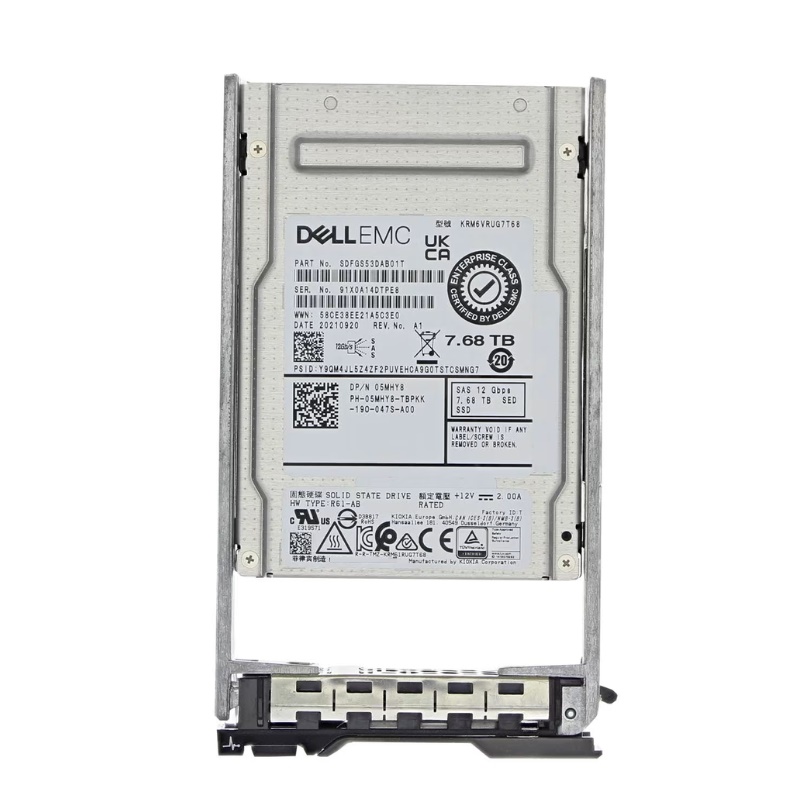


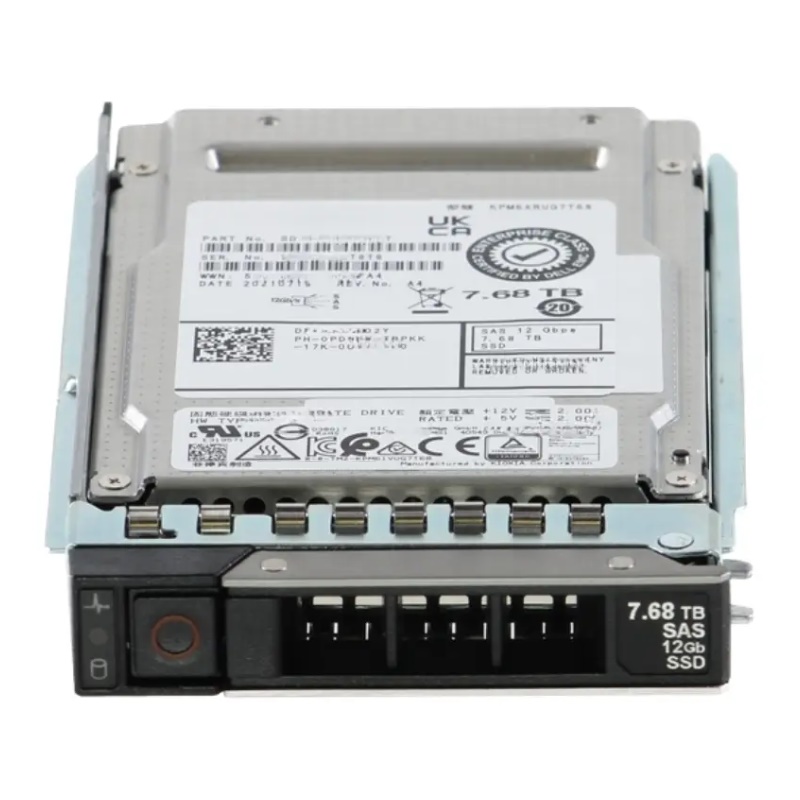
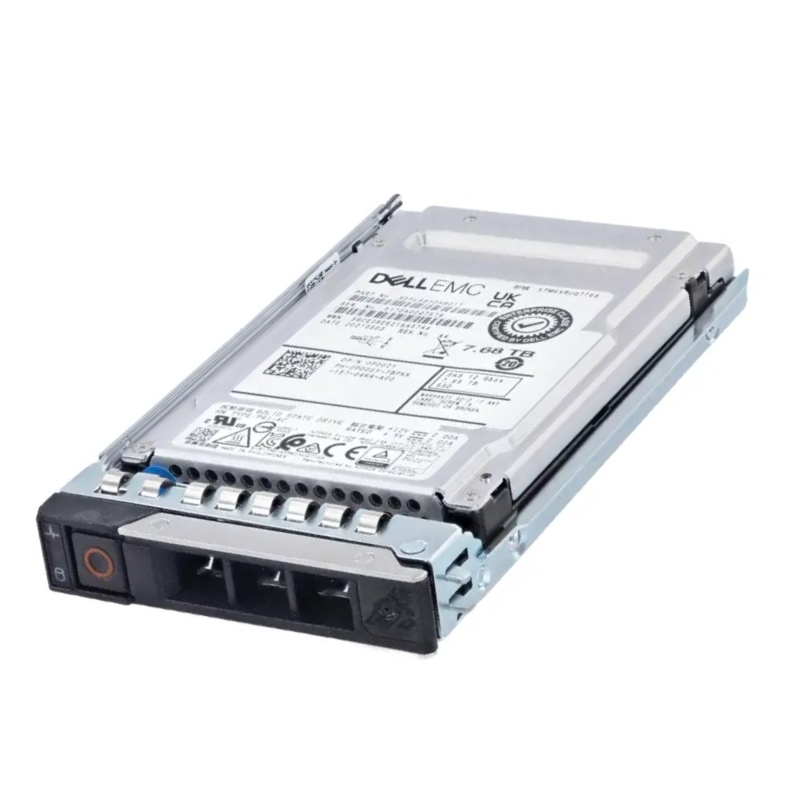
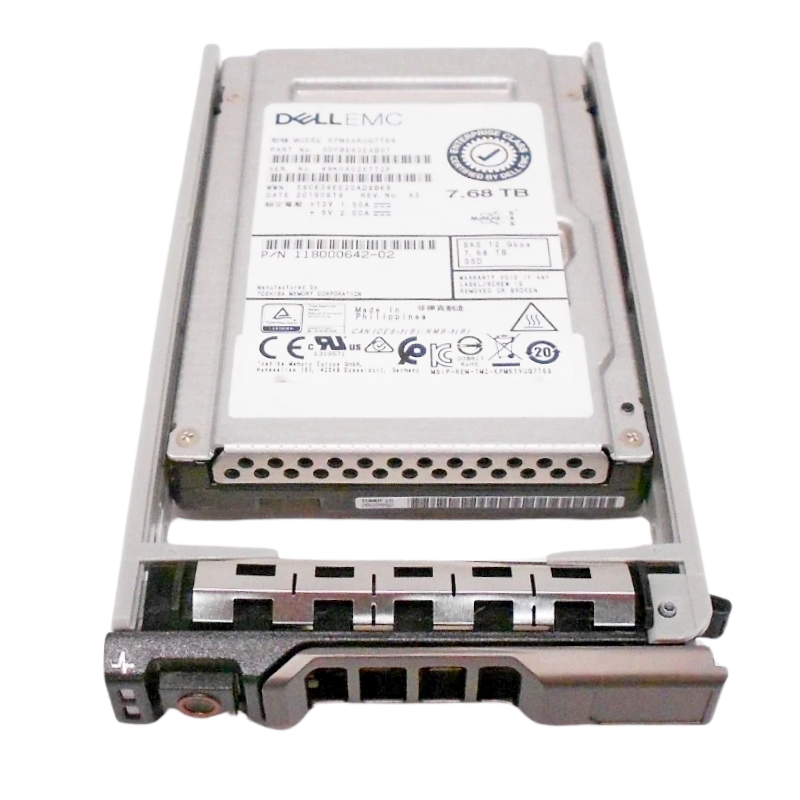
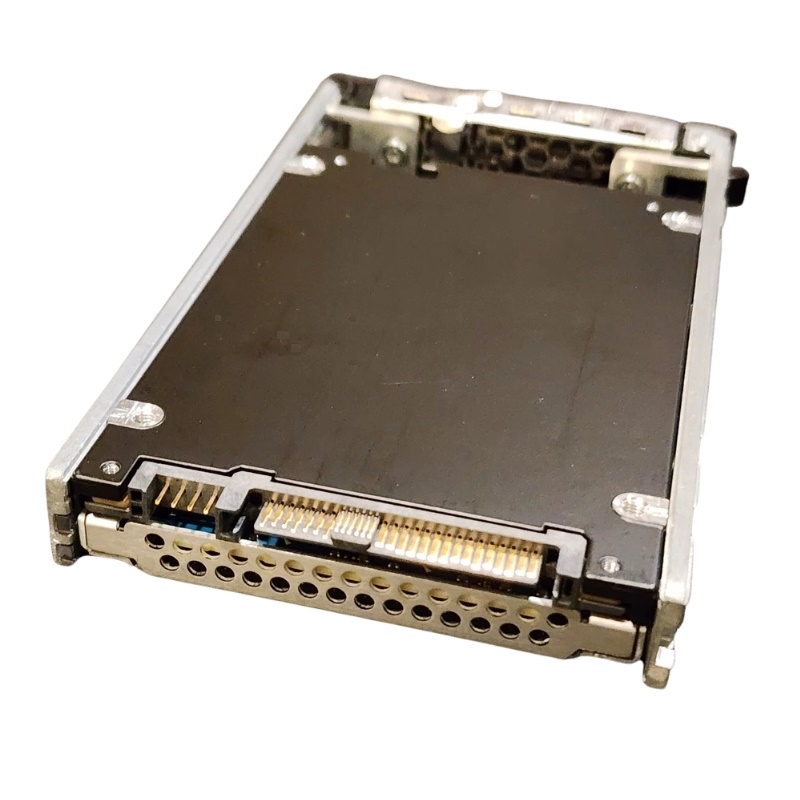
Dell 345-BDMX 7.68TB SAS 12GBPS 1DWPD 2.5-Inch Read Intensive Hot Plug Solid State Drive. New Sealed in Box (NIB) with 1-Year Replacement Warranty
The Dell 345-BDMX 7.68TB SAS Solid State Drive is a high-capacity, enterprise-grade storage solution engineered for data-heavy workloads. Built with V-NAND TLC flash and a robust SAS 12Gbps interface, this read-intensive SSD delivers fast, consistent, and reliable performance for modern server environments.
The Dell 345-BDMX 7.68TB SAS 12Gbps 1DWPD 2.5-inch Read Intensive Hot Plug Solid State Drive belongs to a highly specialized category of enterprise-grade storage hardware engineered to deliver dependable read performance, strong data reliability, and scalable storage density. This category focuses on high-capacity SAS SSDs designed for mission-critical business environments that require consistent throughput, low latency, and the ability to handle large quantities of read operations with precision and stability. The 7.68TB capacity places this drive within the upper tier of storage offerings, making it ideal for organizations with growing data workloads, including virtualization environments, cloud frameworks, large-scale content repositories, and analytic processing systems. The combination of SAS 12Gbps performance, read-intensive endurance ratings, and hot-plug capability ensures that this drive meets the needs of modern data centers where uptime and efficiency are essential.
Enterprise storage technologies continue to evolve as data loads become increasingly complex and voluminous. The 7.68TB SAS SSD category provides businesses with an outstanding balance of storage density, performance reliability, and cost efficiency. These drives are developed for read-heavy applications where the majority of data operations involve querying, indexing, searching, and retrieving information. With the Dell 345-BDMX serving as a primary example, this category delivers enhanced performance for high-demand enterprise infrastructures such as virtual machine clusters, cloud resource pools, multi-user application systems, and content-driven workloads. The read-intensive classification ensures that the drive is optimized for environments where write patterns are moderate, while read requests form the backbone of daily business processes.
The SAS 12Gbps interface incorporated into this category significantly enhances transfer speeds and overall responsiveness. Compared to SATA interfaces, SAS offers superior full-duplex communication, greater signal integrity, higher I/O capabilities, and more effective handling of dense storage arrays. Enterprise servers that utilize SAS technology benefit from reduced bottlenecks, increased data paths, and improved load distribution. For data center engineers seeking dependable storage performance, SAS drives in this category ensure that essential tasks like virtualization provisioning, database indexing, and application loading occur rapidly and consistently. The reliability of SAS connections also makes this category suitable for large server environments where uninterrupted operation is mandatory.
The hot plug capability found in this category is essential for enterprise settings where continuous uptime is crucial. Hot plug design allows IT administrators to insert, remove, or replace drives without shutting down servers or impacting operational workflows. Within multi-drive storage arrays and RAID configurations, this capability significantly lowers maintenance complexity while preserving system availability. The Dell 345-BDMX SSD ensures that organizations can expand their storage pools, address hardware issues, or upgrade components without scheduling downtime windows. This advanced operational flexibility grants data centers greater control over infrastructure management and reinforces long-term service continuity.
The category of Read Intensive SSDs emphasizes rapid data retrieval, low latency, and efficient read handling. Read-intensive models like the Dell 345-BDMX are engineered with specific workloads in mind: workloads that perform read requests repeatedly and at scale. These drives maintain an endurance rating suitable for moderate write activity while excelling at handling dense read operations. The 1DWPD endurance rating offers a balanced approach for enterprises that require high-capacity SSDs without the need for heavy write durability found in mixed-use or write-intensive classes. This balance also helps reduce overall storage costs while maintaining reliability and performance consistency.
One of the defining characteristics of this category is predictable low latency. Low latency ensures that enterprise applications, virtual machines, and database systems can retrieve information almost instantly regardless of workload volume. This category’s performance profile minimizes delays in transaction processing, system boot sequences, report generation, and user interactions. Organizations managing high transaction volumes or high user concurrency benefit immensely from this responsiveness, which ultimately contributes to increased productivity, smoother system operation, and improved end-user experiences across digital services.
Drives in this category are engineered with high-performance controllers capable of managing lengthy command queues efficiently. As enterprise servers process thousands of I/O requests simultaneously, the controller ensures that operations are prioritized and executed systematically to avoid bottlenecks. This queue management system enhances multi-user and multi-application performance, ensuring each request is handled swiftly, even during peak demand periods.
Maintaining consistent performance throughout sustained workloads is a vital requirement of enterprise storage, and this category excels in such conditions. Unlike consumer-grade SSDs, which may experience performance dips during extended load cycles, enterprise SAS SSDs provide stable read speeds that do not degrade over time. This attribute makes the Dell 345-BDMX SSD ideal for virtualization platforms hosting numerous virtual machines, content servers that deliver media continuously, and analytics systems processing large datasets.
The 1DWPD endurance rating classifies the drive as suitable for read-oriented workloads while still offering enough durability for general enterprise usage. This endurance level allows the storage device to support write activities totaling the equivalent of one full drive-write per day over its warranty lifespan. For read-intensive applications where write cycles remain moderate, this endurance rating provides an optimal cost-to-performance ratio. The Dell 345-BDMX category is therefore best suited for businesses with high data-read requirements but modest write patterns, making it ideal for file hosting, reporting systems, cloud storage nodes, content libraries, and archival repositories.
The category integrates enterprise-level reliability standards that ensure long-term operational resilience. These drives undergo rigorous testing processes that validate performance stability, electrical integrity, shock resistance, vibration tolerance, and thermal durability. Such resilience is essential in data centers where drives operate continuously and often under dense rack conditions. The stronger durability metrics assure businesses that their mission-critical data remains accessible and protected through various stress conditions.
This category is equipped with advanced error correction capabilities designed to detect, isolate, and repair data inconsistencies. Enhanced ECC technology protects against bit-level errors and ensures data accuracy during transmission and retrieval operations. Parity mechanisms and robust data integrity protocols further strengthen the drive’s reliability, especially in environments involving transactional data, large-scale indexing, and virtualization reads.
SMART monitoring tools enable administrators to monitor drive health, temperature patterns, read/write cycles, and internal error counts. Predictive failure analysis helps IT departments anticipate maintenance requirements before issues occur, reducing the chances of unexpected failures. This proactive insight contributes to smoother infrastructure management and improved deployment strategies.
Hot-plug SAS SSDs like those in this category provide unparalleled flexibility for enterprise deployment. Organizations that demand agility in scaling their infrastructure appreciate the simplicity that hot-plug drives offer. The Dell 345-BDMX SSD can be integrated into existing server architecture seamlessly, making it a valuable component of enterprise modernization and digital transformation initiatives.
This category is built for seamless compatibility with Dell PowerEdge servers and storage arrays. Compatibility testing ensures that the firmware, connection protocols, and power profiles align perfectly with server requirements, minimizing configuration challenges. The result is enhanced reliability, reduced integration difficulties, and consistent performance across Dell’s enterprise ecosystem.
When deployed in RAID arrays, this category delivers robust performance enhancements, especially in read-heavy configurations. RAID solutions benefit from the predictable read performance of such SSDs, enabling faster rebuilds, smoother failovers, and reduced downtime during maintenance or array expansion. RAID arrays also leverage SAS connectivity to manage large volumes of concurrent read requests efficiently.
Efficient thermal management is crucial in enterprise storage arrays. This category incorporates optimized thermal-resistant components that help maintain stable operating temperatures in dense server racks. Consistent thermal performance protects the longevity of the drive and prevents performance throttling during high activity periods. This efficiency supports sustainability goals by lowering cooling requirements and reducing carbon footprint.
The Dell 345-BDMX 7.68TB SAS SSD category is engineered for enterprise workloads where rapid data access and reliable read throughput are paramount. Various industries and business environments benefit from the drive’s performance profile and endurance characteristics.
Leading hypervisor platforms such as VMware ESXi, Microsoft Hyper-V, KVM, and Proxmox rely heavily on fast read access for virtual machine booting, application loading, and large-scale VM operations. This category excels in these environments by maintaining seamless virtualization performance. Virtual desktops, multi-cloud deployments, and application servers all depend on the rapid and consistent data access that these SSDs deliver.
Analytic workloads and database systems such as Oracle, MySQL, SQL Server, PostgreSQL, Elasticsearch, and NoSQL platforms benefit greatly from the rapid read performance offered by the category. Faster query responses improve decision-making and enhance system efficiency. Structured and unstructured analytics systems experience improved responsiveness when this SSD category is utilized to process data indexes, transaction histories, and reporting archives.
Content-driven services, media servers, and distributed cloud storage nodes benefit immensely from the read-optimized performance found within the Dell 345-BDMX category. Streaming services, cloud-access platforms, CDN nodes, and file distribution networks depend on low-latency storage to deliver content rapidly and consistently. The high capacity ensures that large libraries of media, documents, or datasets can be stored and accessed without performance degradation.
Enterprises are continually seeking to reduce operational overhead while increasing overall computational efficiency. SAS SSDs in this category contribute to infrastructure optimization by reducing storage bottlenecks, improving power efficiency, and condensing storage layouts. The 7.68TB capacity helps reduce drive count in dense environments, lowering energy consumption, simplifying array management, and maximizing available rack space.
Certain industries require instantaneous data retrieval for mission-critical operations. These industries include financial trading exchanges, healthcare imaging systems, scientific research facilities, telecommunications providers, and large-scale manufacturing process controllers. The fast read performance of this SSD category reduces lag and supports real-time operational decision-making within these environments.
Enterprise SSDs consume significantly less power than traditional spinning hard drives, helping developers and IT teams build greener data centers. Lower energy consumption also reduces cooling requirements, contributing to cost savings over long-term deployment cycles. The operational efficiency of this category supports corporate sustainability initiatives while providing superior performance metrics.
The Dell 345-BDMX SSD category supports long-term scalability through its large capacity, hot-plug architecture, and SAS capability. As business requirements expand, storage systems built on this category can scale with minimal interruption. New drives can be added or replaced without reconfiguring existing systems, ensuring smooth infrastructure expansion and reduced administrative burden.


 Contact Us
 Information
 Catalog
 Solid State Drives (SSD)
 Network Switches
 Hard Disk Drives
 HBA & Controllers
 PC & Servers
 PC & Server Memory
 CPU & Processors
 Network Routers
 Power Supplies
 Tape Drives & Libraries
 Network Devices
 Computer & Network Cables