(7% discount is applied at checkout)
Cart is empty
Your go-to destination for cutting-edge server products
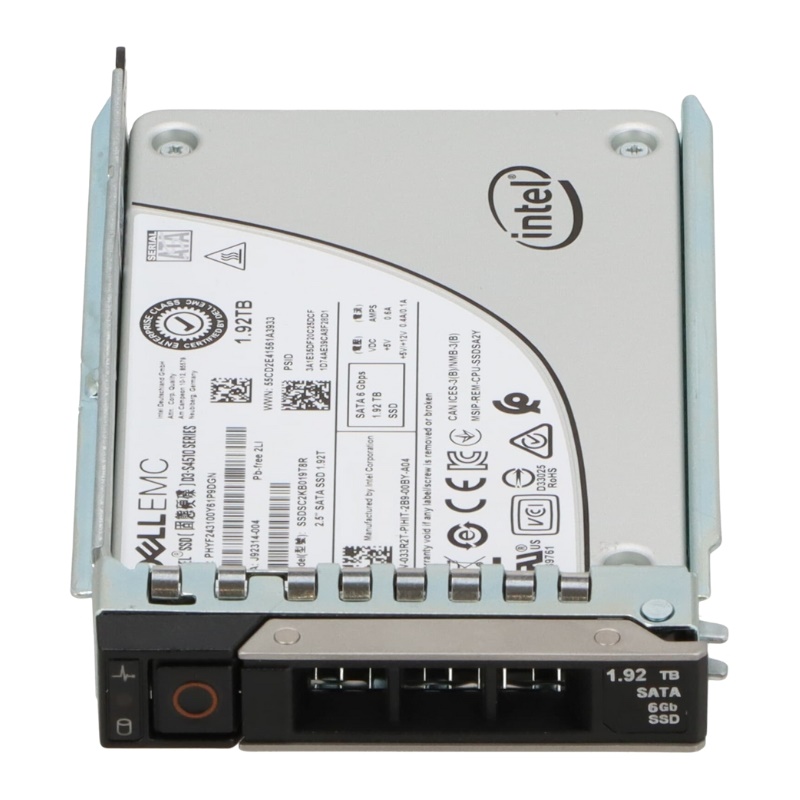


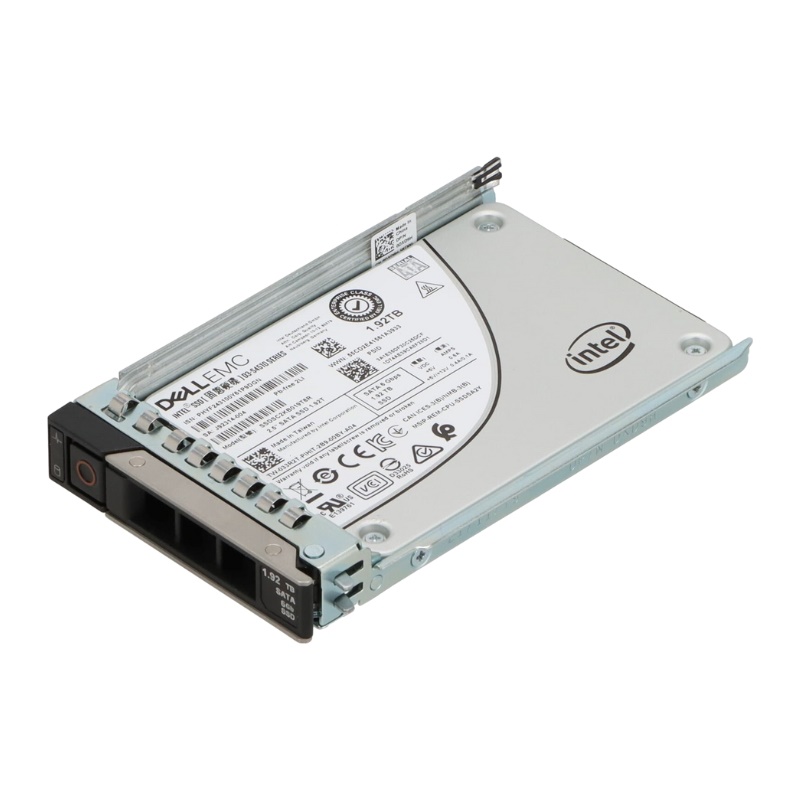
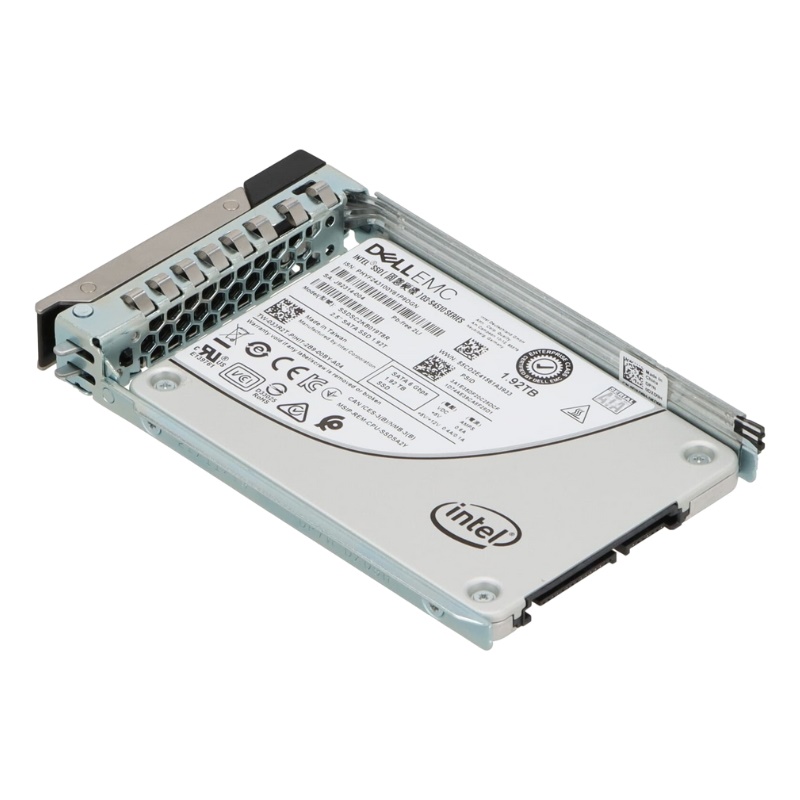
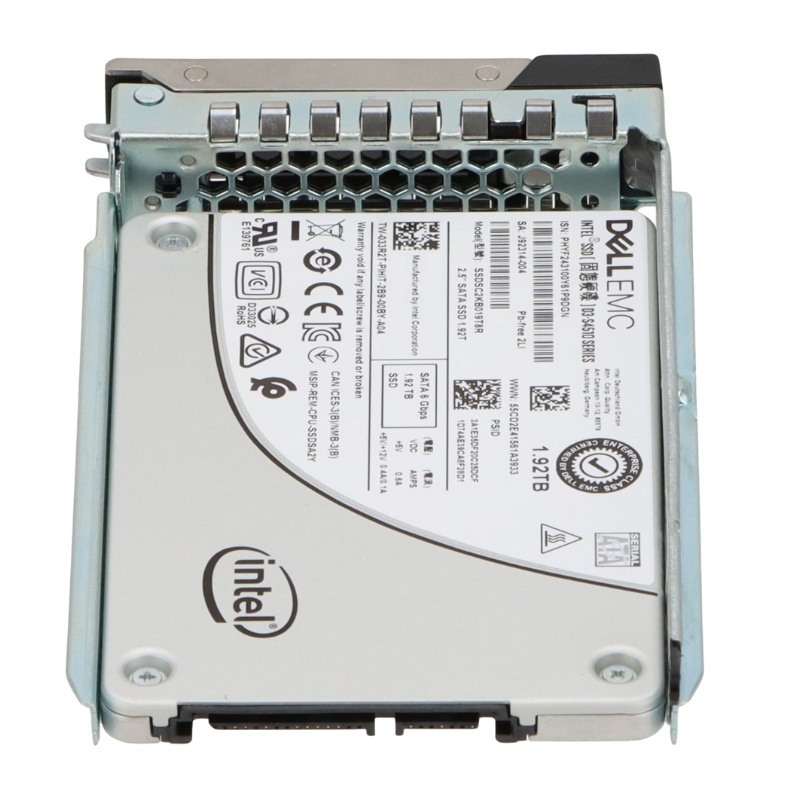
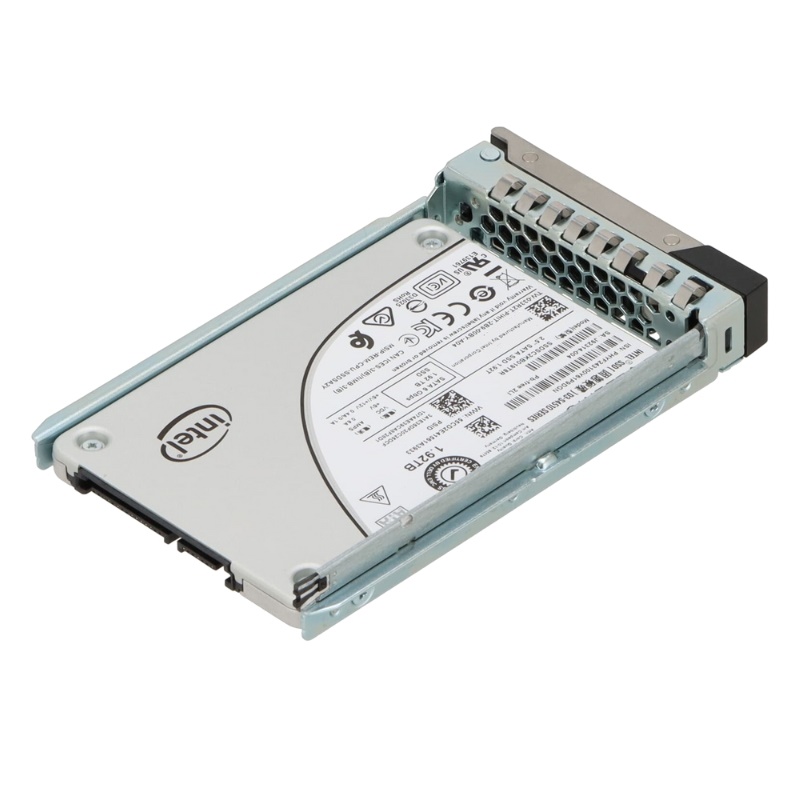
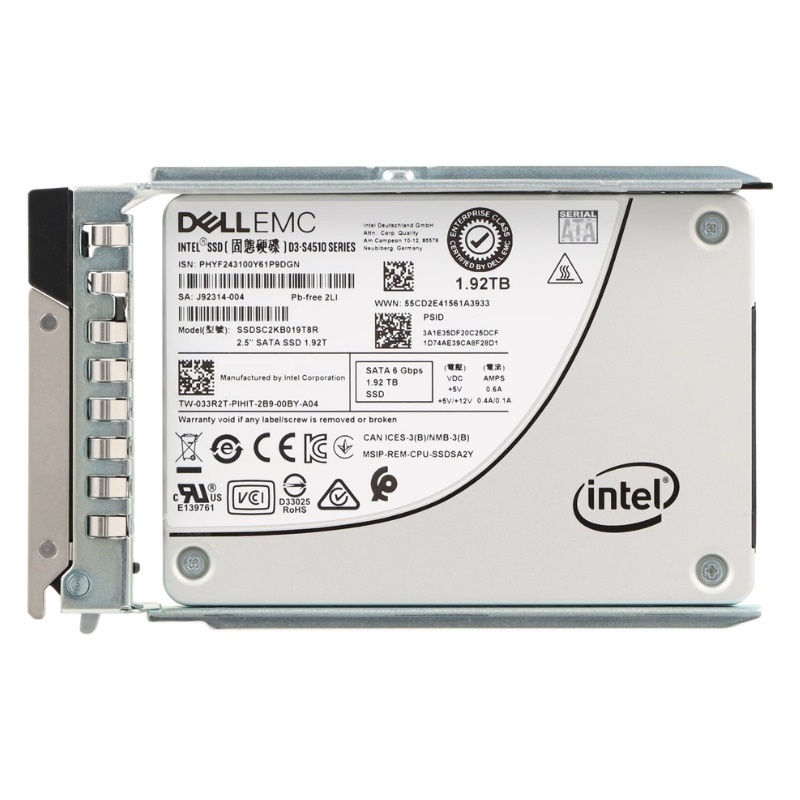
Dell 345-BDTR 1.92TB Read Intensive 1DWPD TLC SATA-6GBPS 2.5Inch Hot Plug Certified Solid State Drive. New Sealed in Box (NIB) 1 Year Warranty
The Dell 345-BDTR is a high-performance, Dell-certified solid state drive specifically designed for PowerEdge servers. Engineered with reliability and speed in mind, this 1.92TB SATA SSD offers exceptional read-intensive endurance, making it ideal for data-centric enterprise applications.
Designed to handle enterprise workloads efficiently, the Dell 345-BDTR delivers robust read and write speeds, high IOPS, and stable performance under heavy use.
This drive is optimized for read-intensive workloads, providing:
The Dell 345-BDTR SSD is fully compatible with a wide range of Dell PowerEdge servers, including:
The Dell 345-BDTR 1.92TB Read-Intensive 1DWPD TLC SATA-6Gbps 2.5-inch Hot-Plug Solid State Drive is positioned for organizations that need a reliable, cost-effective storage tier optimized for read-heavy workloads. As a Dell Certified part for PowerEdge servers, this SSD blends modern flash media technology with the operational benefits expected in enterprise environments: consistent read performance, low latency, hot-swap capability, and broad compatibility with Dell’s ProLiant and PowerEdge hardware families. This category description explains what makes this drive a compelling choice, elaborates the technical and practical advantages of 1.92TB TLC read-intensive drives, outlines real-world use cases, and provides actionable guidance for procurement, deployment, and lifecycle management in datacenter and edge scenarios.
The model label “345-BDTR” and the full specification string encapsulate multiple important attributes: 1.92TB capacity, read-intensive workload classification, 1 drive write per day (1DWPD) endurance target, triple-level cell (TLC) NAND flash, SATA-6Gbps interface, 2.5-inch form factor, hot-plug capability, and Dell certification for PowerEdge servers. Each of these characteristics matters to systems architects and procurement teams. Capacity determines usable storage per slot; read-intensive classification and the 1DWPD rating describe expected endurance and typical workload suitability; TLC NAND balances cost per gigabyte with performance; SATA-6Gbps ensures broad backwards compatibility and ease of integration; the 2.5-inch form factor and hot-plug interface enable flexible rack and blade deployments; and Dell certification provides vendor-backed assurance for firmware compatibility, system stability, and support alignment with PowerEdge server families.
Read-intensive SSDs are engineered primarily for workloads where read operations dominate write operations. The 1DWPD figure — one full drive write per day — gives purchasers a straightforward endurance metric. It means that, averaged over the warranty period, the drive is designed to tolerate rewriting its entire capacity once every day without exceeding endurance limits. For many read-heavy services such as caching layers, content distribution, or analytical indexes that are updated less frequently than they are read, 1DWPD is sufficient and keeps acquisition costs lower than higher-endurance mixed-use or write-intensive drives while still delivering enterprise reliability.
The SATA-6Gbps interface sets expectations for throughput and compatibility. While NVMe is now common for the highest IOPS and lowest latency paths, SATA-6Gbps remains pervasive in many existing datacenter infrastructures and is favored for its backward compatibility, mature driver stack, and predictable performance characteristics. For sequential and small random read patterns typical of read-intensive applications, a well-tuned SATA TLC SSD like this one delivers excellent effective throughput and far lower access times than spinning media. Moreover, because SATA controllers are ubiquitous, replacing or upgrading servers with this SSD is generally simple and low risk.
Enterprise workloads differ in their sensitivity to latency and IOPS. Web serving, read caches, virtualization boot storms, and metadata services benefit greatly from lower read latency and steady IOPS performance. The Dell 345-BDTR provides the predictable read performance required to reduce application response times and improve end-user experience. While this model is not intended to match the burst IOPS of NVMe drives in extremely write-heavy scenarios, it consistently outperforms HDD arrays and is more cost-efficient for read-dominant use cases.
When planning dense server configurations, thermal dissipation and power consumption of every component—including storage—become critical operational variables. 2.5-inch SSDs typically consume substantially less power under active and idle states than equivalent capacity HDDs. This decreases cooling demand and reduces rack power draw, advantages that compound across racks in a large deployment. The Dell certification and reference lists often provide guidance on firmware versions and thermal profiles that help systems administrators ensure stability in high-density PowerEdge chassis.
Dell certification means this drive has passed compatibility and validation testing for specific PowerEdge server families and firmware ecosystems. Certification reduces integration risk: firmware handshake routines for SATA controllers, systematic S.M.A.R.T. reporting, and drive identification are tested and validated to interoperate with Dell system management tools and alerting frameworks. This alignment simplifies monitoring, predictive failure analysis, and warranty handling under Dell’s support structure.
Enterprise SSDs expose health telemetry through S.M.A.R.T. attributes and additional vendor-specific logs. These telemetry feeds into server management platforms and enable predictive maintenance workflows. When planning storage operations, teams should integrate SSD telemetry into existing monitoring stacks, configure alert thresholds for wear indicators and uncorrectable error counters, and automate safe rebuild and replacement workflows so that performance and availability are preserved without manual firefighting.
Firmware is central to SSD behavior, affecting performance stability, thermal characteristics, and error handling. Dell-certified drives are typically shipped with Dell-approved firmware revisions; however, administrators should track firmware release notes, compatibility matrices for their PowerEdge models, and scheduled updates from Dell. A structured firmware lifecycle policy reduces the risk of unexpected regressions or incompatibility with RAID controllers and server management modules. It's best practice to apply firmware updates during maintenance windows and to validate updates in a staging environment reflective of production workloads.
This drive is well suited for a range of practical enterprise scenarios. VDI boot volumes, where many clients power on and repeatedly read the same master images, benefit from the read acceleration and lower latency. Large-scale web servers and content distribution edge nodes gain from the fast access times for static content. Database read replicas, analytics reference datasets, and full-text search indexes often have heavier read patterns than writes; placing these datasets on read-intensive SSDs optimizes query response times without overinvesting in write-endurance. Additionally, hybrid storage architectures that tier "hot" read datasets to SSDs and retain colder data on HDDs find the 1.92TB capacity an efficient tiering target.
Modern storage architectures frequently combine SSDs with HDDs in tiered pools to balance performance and cost. The Dell 345-BDTR fits as an effective performance tier: frequently accessed metadata, indexes, and hot partitions can be pinned to SSD capacity while less-frequently used cold data remains on higher-capacity HDDs. Intelligent storage controllers and software-defined storage layers can automate data movement based on access patterns. When implementing tiering, administrators should plan capacity thresholds, set movement policies mindful of the drive's 1DWPD endurance, and monitor write amplification to avoid unnecessary wear.
Using these SSDs as read caches ahead of spindle arrays or in front of higher-latency storage arrays produces immediate and measurable performance improvements for read-dominated workloads. Because the drive is engineered for read performance rather than heavy sustained writes, it makes an efficient caching medium. Architects designing cache policies should favor read caching strategies and evaluate cache warm-up behavior, as initial gains depend on how quickly hot datasets are populated into SSD cache space.
Because the product is Dell Certified for PowerEdge servers, it integrates with Dell OpenManage and the iDRAC management stack, enabling centralized inventory, alerting, and firmware deployment. Before ordering, IT teams should check the specific PowerEdge models and chassis lists for certified compatibility, as backplane firmware, RAID controllers, and sled designs vary across generations. Physical installation is straightforward: the drive uses standard 2.5-inch trays or caddies for hot-plug insertion into supported drive bays, allowing replacement and scaling with minimal downtime.
SATA SSDs are commonly deployed behind RAID controllers or host bus adapters (HBAs). When used in RAID sets, administrators should evaluate the controller's handling of SSDs — including trim support, write coalescing, and rebuild performance — to ensure the array provides the expected write and read characteristics. For read-dominant arrays, RAID levels that provide redundancy with read performance advantages (for example RAID 10) may be preferred depending on the tradeoffs between usable capacity and resiliency. Consult the RAID controller documentation and Dell compatibility matrices to select RAID configurations optimized for SSDs.
Hot-plug capability simplifies maintenance and reduces downtime because drives can be replaced without powering down the server. Integrated enclosure management and LED indicators help technicians identify failing drives quickly. When planning fault tolerance, organizations should ensure sufficient spare capacity or have hot spares configured to accelerate rebuilds following a drive failure, and they should test replacement procedures during maintenance windows to verify that rebuilds proceed as expected under realistic loads.


 Contact Us
 Information
 Catalog
 Solid State Drives (SSD)
 Network Switches
 Hard Disk Drives
 HBA & Controllers
 PC & Servers
 PC & Server Memory
 CPU & Processors
 Network Routers
 Power Supplies
 Tape Drives & Libraries
 Network Devices
 Computer & Network Cables