(7% discount is applied at checkout)
Cart is empty
Your go-to destination for cutting-edge server products
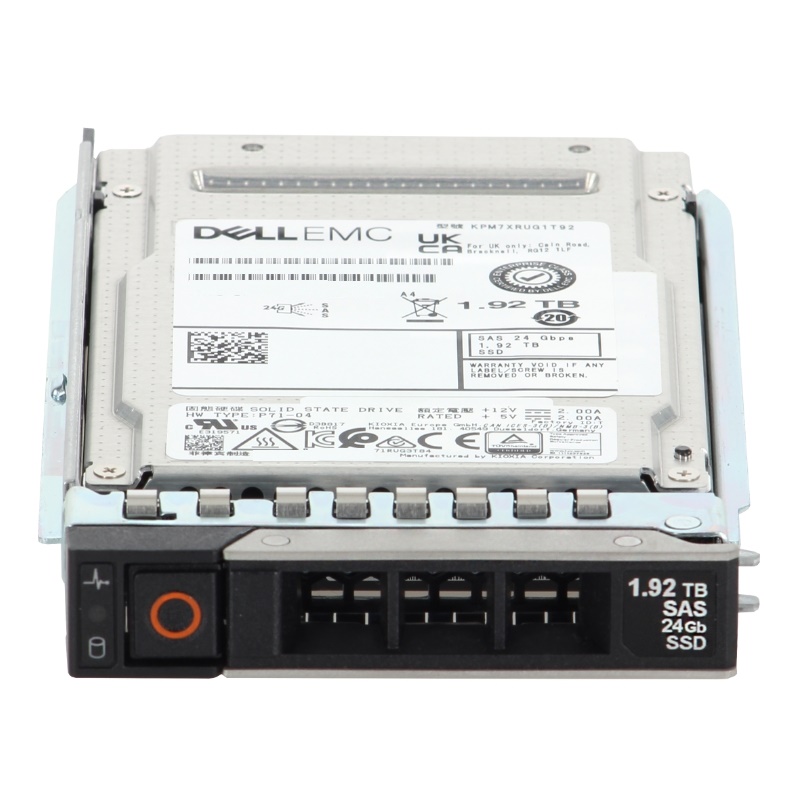


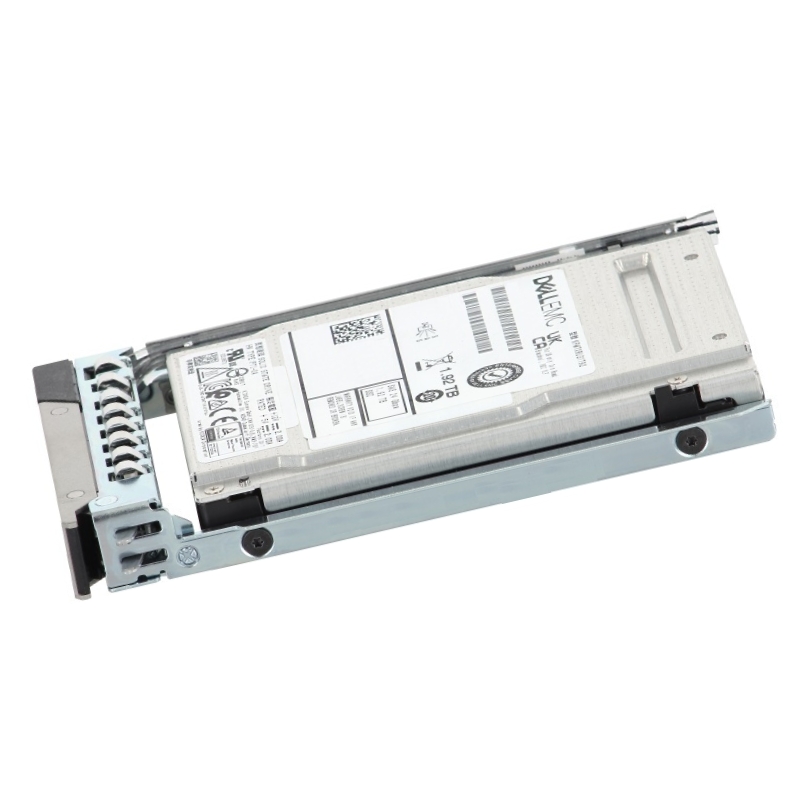
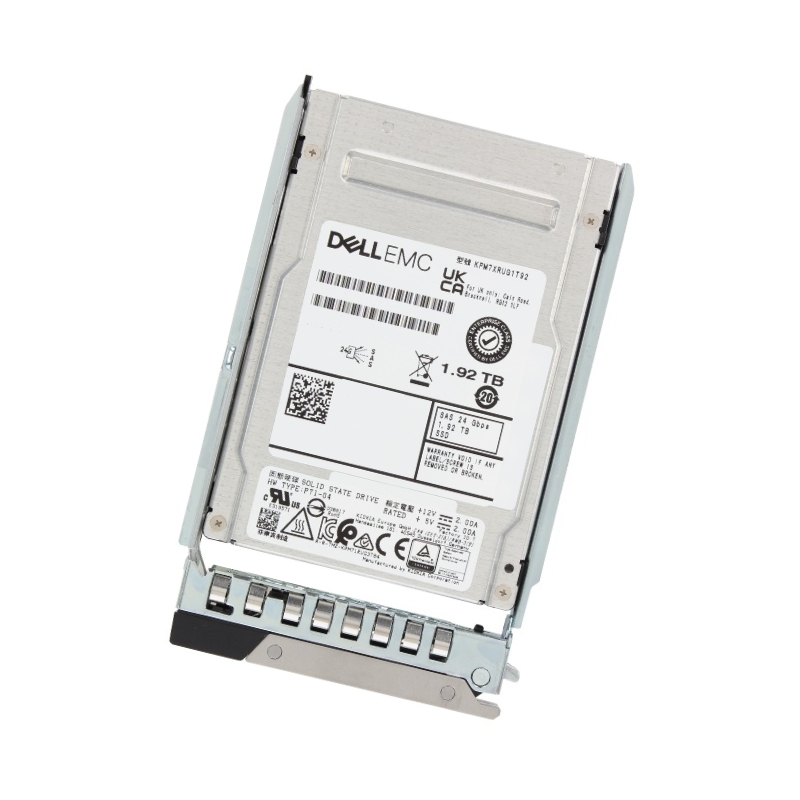
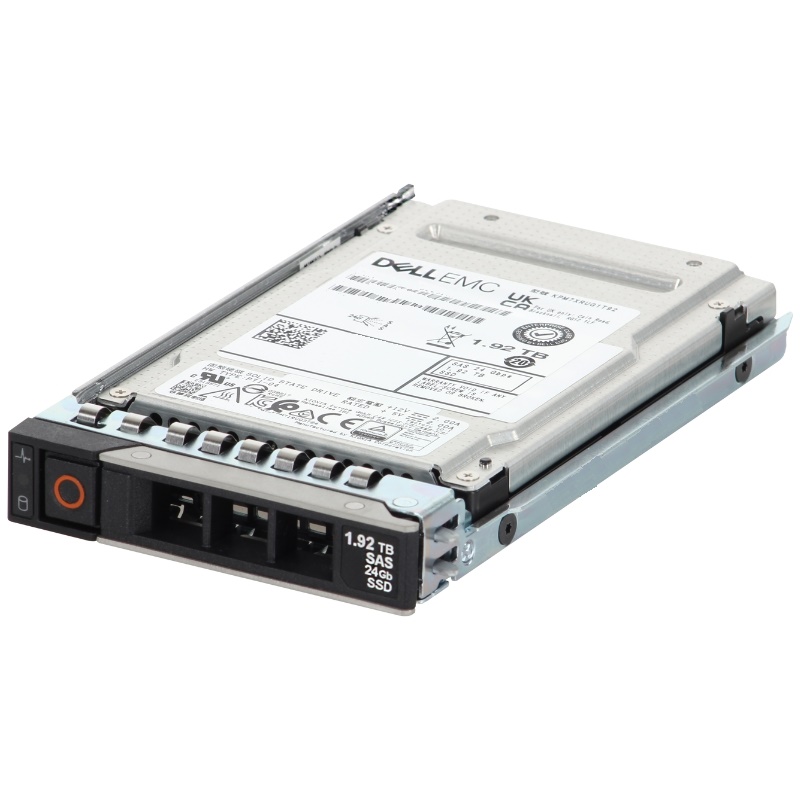
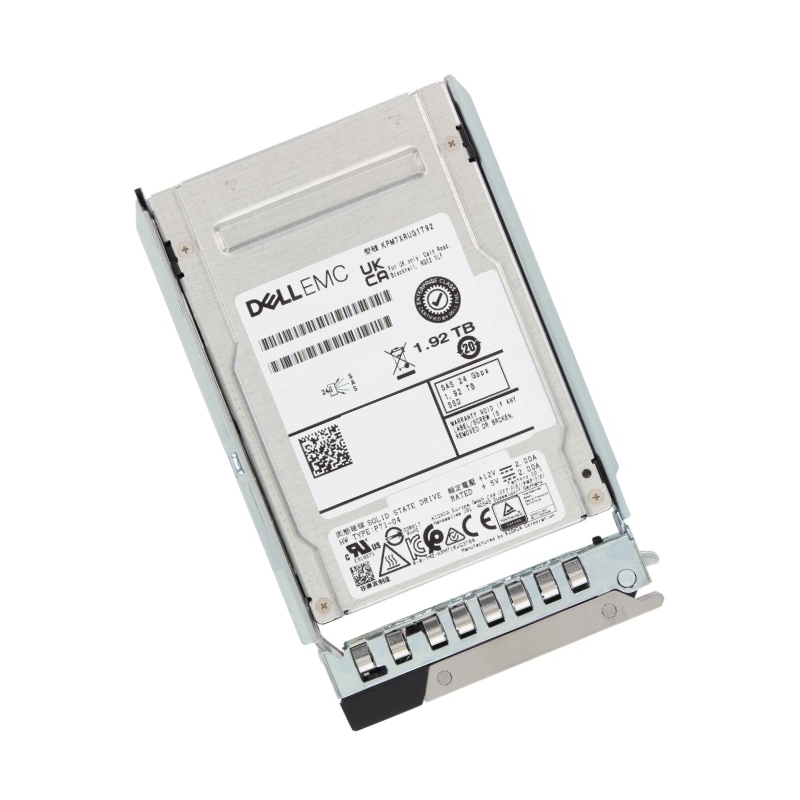
DELL 345-BFFT 1.92TB SAS 24GBPS Mixed Use 2.5 Inch Hot-Plug SSD Poweredge Server. New Sealed in Box (NIB) With 1 Year Warranty. Call
The 345-BFFT Dell 1.92TB SAS 24GBPS Mixed Use 2.5 Inch Hot-Plug Solid State Drive is engineered for high-performance enterprise storage environments. Combining the power of Serial Attached SCSI (SAS) connectivity at 24Gbps with the reliability and speed of a 2.5-inch solid-state drive, this SSD is optimized for mixed-use workloads. Designed for both read-intensive and write-intensive applications, the drive ensures consistent performance under heavy transactional loads, making it ideal for data centers, cloud infrastructure, and mission-critical enterprise systems. This SAS SSD offers an outstanding balance of speed, durability, and capacity, making it a versatile solution for businesses seeking efficient storage upgrades.
This hot-pluggable SSD connects via a single SAS 24Gb/s interface, allowing effortless upgrades and replacements in live systems. It fits standard 2.5-inch hot-plug drive bays, streamlining enterprise storage scalability.
Engineered for Dell’s 14th, 15th, and 16th generation PowerEdge servers, this SSD integrates seamlessly into numerous data center configurations.
Rack Servers:
Data protection is embedded at the hardware level through self‑encrypting drive (SED) capabilities, adhering to FIPS standards. This delivers robust encryption without imposing software overhead or complexity.
SAS at 24 Gbps doubles the speed of conventional 12 Gbps SAS interfaces. This elevated bandwidth is key for minimizing latency and accelerating high‑throughput tasks across diverse enterprise applications.
With a storage capacity of 1.92TB, the 345-BFFT Dell SSD provides ample space for large-scale databases, virtual machines, and intensive analytics operations. The drive supports Mixed Use applications, meaning it is designed to handle a combination of read and write operations efficiently. Its 2.5-inch form factor allows for easy integration into standard server bays, making it compatible with a wide range of Dell PowerEdge servers and other enterprise-grade systems. Enterprise users benefit from predictable latency and high Input/Output Operations Per Second (IOPS), ensuring smooth handling of business-critical tasks.
The SAS 24Gbps interface is a significant upgrade over traditional SATA SSDs, providing superior throughput and low latency. The higher bandwidth ensures faster access to data, reducing bottlenecks in transactional databases and storage-intensive applications. This speed advantage is critical for enterprises that rely on rapid data processing, real-time analytics, and virtualization. The 24Gbps SAS connection also allows multiple drives to operate in tandem, supporting RAID configurations and enhancing redundancy and fault tolerance in enterprise storage environments.
Mixed Use SSDs are engineered to strike a balance between endurance and performance. Unlike read-intensive or write-intensive drives, mixed-use SSDs can sustain a wide range of workload patterns without compromising reliability. The 345-BFFT Dell drive features advanced wear-leveling algorithms, over-provisioning, and error correction technologies to maximize longevity while maintaining consistent performance. It is ideal for environments where workloads involve frequent read/write cycles, such as database servers, virtualized infrastructure, and high-transaction environments like e-commerce platforms and financial systems.
In data center operations, the 345-BFFT Dell 1.92TB SAS SSD is a preferred choice for high-availability environments. Its hot-plug capability allows IT administrators to replace or upgrade drives without downtime, ensuring continuous service for mission-critical applications. Data centers handling large datasets, virtual desktop infrastructure (VDI), and cloud-based workloads can leverage the drive’s high throughput and low latency to accelerate storage performance while maintaining high reliability. The SAS interface further enhances connectivity, providing redundancy options for enterprise-grade RAID configurations.
Virtualization platforms require storage solutions that can handle multiple simultaneous read/write requests with minimal latency. The 345-BFFT Dell SSD is optimized for virtualized workloads, supporting multiple virtual machines without degradation in performance. Cloud service providers also benefit from the drive’s capacity and reliability, as it can efficiently manage distributed storage environments while supporting high-availability services. Enterprises using hyper-converged infrastructure or hybrid cloud deployments will find this drive invaluable for consistent performance and reduced storage bottlenecks.
Applications such as database management, financial transactions, and real-time analytics demand storage solutions that can sustain high IOPS and low latency under constant load. The Dell 345-BFFT SSD provides predictable performance, thanks to its mixed-use design and enterprise-grade SAS connectivity. Its durability ensures long-term operational integrity even under continuous heavy transactional workloads. Businesses can rely on the drive to maintain responsiveness for critical applications while minimizing downtime and performance degradation.
Hot-plug support is a key feature of the 345-BFFT Dell SSD, allowing administrators to replace or add drives without shutting down the server. This is crucial for enterprises that operate 24/7 and cannot afford service interruptions. Hot-swappable drives improve maintenance efficiency, reduce downtime, and provide flexibility for storage expansion in large-scale server environments. IT teams can perform upgrades and replacements seamlessly, maintaining continuous availability of business-critical systems.
Designed with high-endurance NAND flash and enterprise-grade components, this Dell SSD is built to withstand the rigorous demands of data center environments. The drive incorporates advanced error correction, wear-leveling, and thermal monitoring technologies to extend lifespan and ensure data integrity. These features protect against unexpected failures and minimize the risk of data loss, which is essential for organizations handling sensitive or mission-critical information. Its durability makes it a cost-effective solution, reducing the frequency of replacements and maintenance costs over time.
Effective thermal management is crucial for sustained SSD performance. The 345-BFFT Dell SSD is designed to operate within optimized temperature ranges, preventing overheating and ensuring stable operation even under heavy workloads. Consistent thermal performance not only enhances reliability but also extends the life of the drive. Enterprise environments with densely packed server racks benefit from this feature, as it reduces cooling requirements and helps maintain operational efficiency. The drive’s thermal sensors allow monitoring through management software, ensuring proactive maintenance and optimal performance.
The 2.5-inch form factor and SAS 24Gbps interface make this SSD compatible with a wide range of Dell PowerEdge servers and other enterprise-grade systems. This versatility ensures seamless integration into existing infrastructure without the need for additional adapters or complex configurations. IT teams can deploy these SSDs across multiple servers, creating scalable storage solutions that meet growing enterprise demands. The drive’s compatibility also supports RAID arrays, enabling organizations to design fault-tolerant and high-availability storage systems.
The 345-BFFT Dell SSD is fully compatible with various RAID configurations, including RAID 0, 1, 5, 6, 10, and 50. This allows enterprises to optimize for speed, redundancy, or a combination of both, depending on their specific application requirements. Implementing RAID with these SSDs provides enhanced performance, fault tolerance, and data protection, making them ideal for critical enterprise applications. Whether deployed in small-scale servers or large-scale data center arrays, these drives offer the reliability and scalability necessary for high-performance storage solutions.
One of the primary advantages of the 345-BFFT Dell SSD is its ability to deliver high Input/Output Operations Per Second (IOPS), which is essential for enterprise applications requiring rapid data access. High IOPS ensures minimal latency and fast response times for transactional databases, virtual desktops, and real-time analytics platforms. This level of performance is particularly important for businesses with time-sensitive operations, where every millisecond counts in data processing and service delivery. The SSD’s architecture is designed to handle sustained I/O activity without degradation in performance.
Despite its high performance, the Dell 345-BFFT SSD is engineered for energy-efficient operation. Enterprise environments often house large arrays of drives, making power consumption a critical consideration. This SSD minimizes energy usage while maintaining peak performance, reducing operational costs and environmental impact. Advanced power management features optimize energy consumption during idle and active states, ensuring that the drive delivers high performance when needed while conserving energy during periods of low activity.
The drive’s firmware is designed to optimize read and write operations, wear-leveling, and error correction in real-time. This ensures consistent performance across a wide range of workloads and maximizes the usable lifespan of the SSD. Firmware updates from Dell provide ongoing improvements, security patches, and performance enhancements, ensuring that enterprise environments remain efficient, secure, and resilient. By leveraging these optimizations, organizations can achieve predictable storage performance and enhanced overall efficiency.
Data integrity is a critical consideration for enterprise storage solutions. The 345-BFFT Dell SSD incorporates advanced error correction code (ECC) technology and end-to-end data protection mechanisms to prevent data corruption. These features ensure that information stored on the drive remains accurate and reliable, even under high-load conditions. For organizations handling sensitive information, these protective measures reduce the risk of data loss, enhance compliance with regulatory standards, and maintain operational continuity.
Enterprise-grade SSDs like the 345-BFFT Dell model support encryption features that safeguard sensitive data at rest. These security measures help prevent unauthorized access and ensure compliance with data protection regulations. In addition, the drive supports secure erase functions, allowing IT administrators to safely and efficiently wipe data when drives are decommissioned or repurposed. This adds an extra layer of security, protecting against potential data breaches and unauthorized retrieval.
The 1.92TB capacity provides a substantial storage foundation, but enterprises can easily scale their infrastructure by adding multiple drives. The SAS 24Gbps interface and hot-plug capability allow seamless expansion without disrupting ongoing operations. Organizations can implement tiered storage strategies, using high-performance SSDs for frequently accessed data while utilizing other storage tiers for archival purposes. This flexibility enables efficient allocation of resources, optimized storage costs, and improved overall infrastructure performance.


 Contact Us
 Information
 Catalog
 Solid State Drives (SSD)
 Network Switches
 Hard Disk Drives
 HBA & Controllers
 PC & Servers
 PC & Server Memory
 CPU & Processors
 Network Routers
 Power Supplies
 Tape Drives & Libraries
 Network Devices
 Computer & Network Cables