(7% discount is applied at checkout)
Cart is empty
Your go-to destination for cutting-edge server products
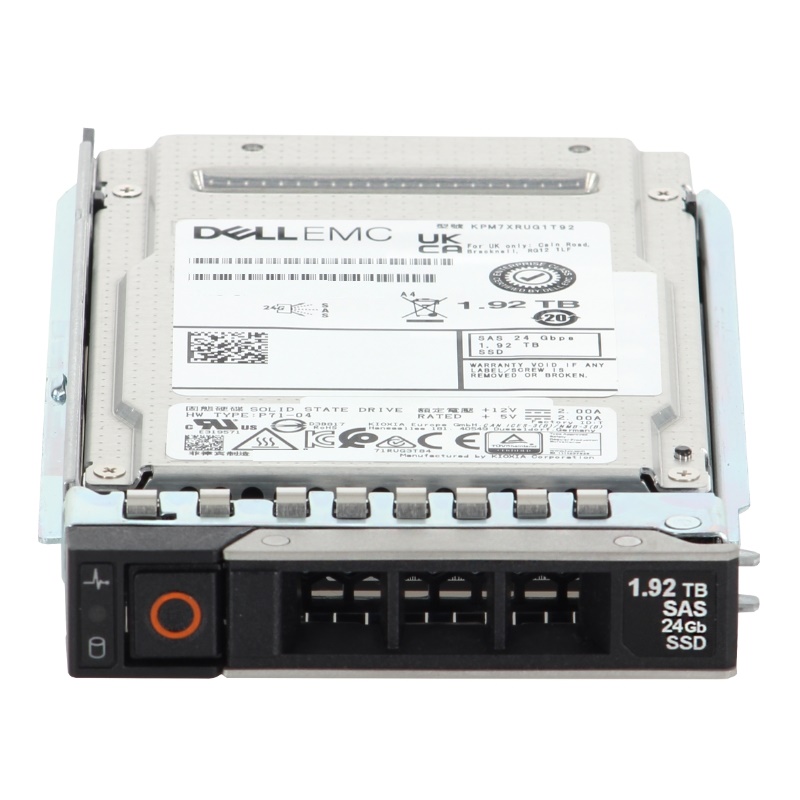


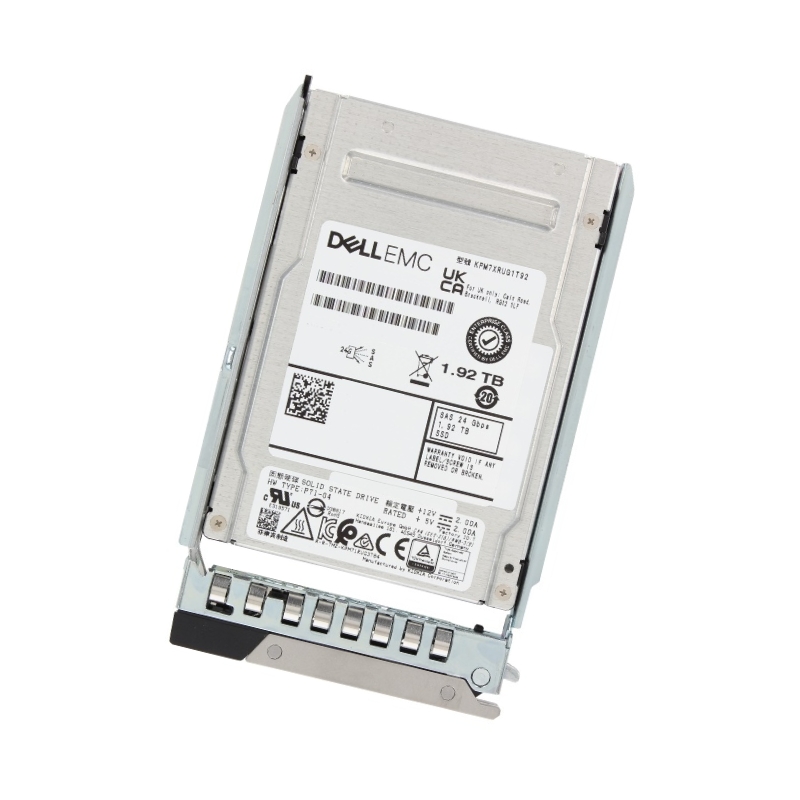
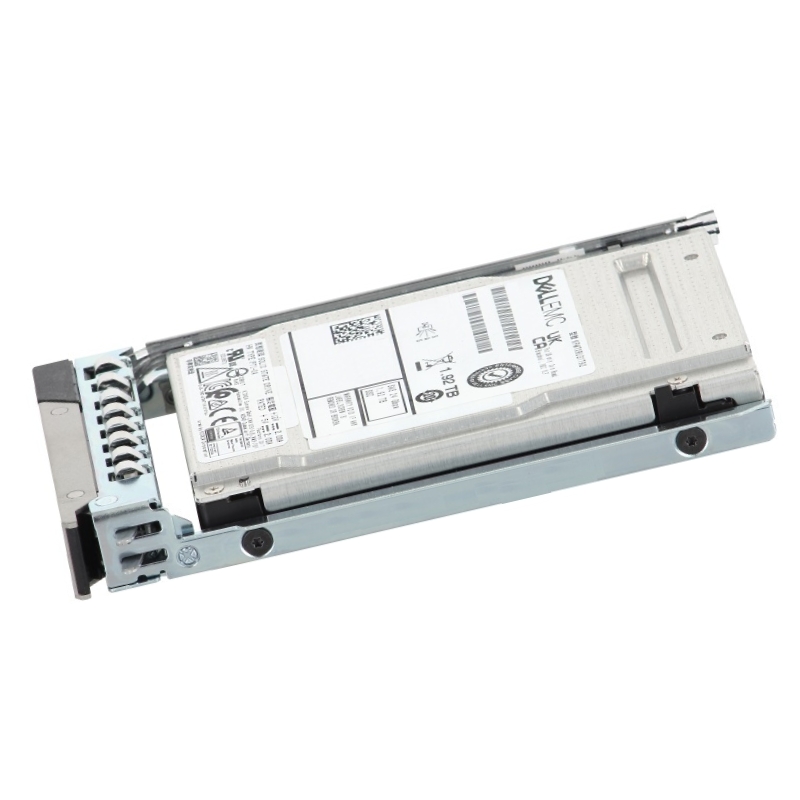
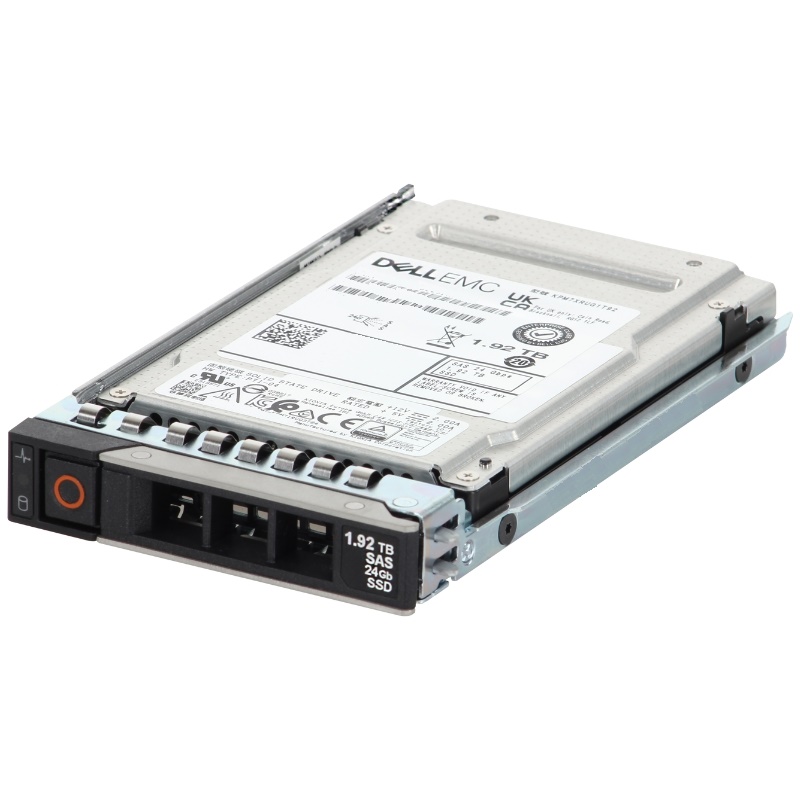
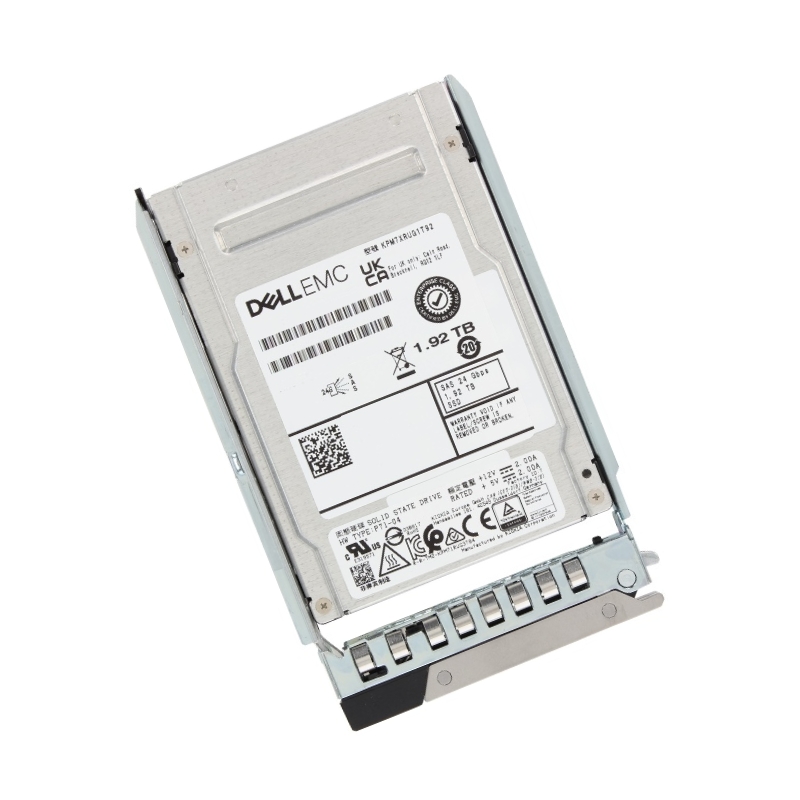
Dell 345-BGHX 1.92TB SAS 24GBPS Mixed Use 2.5 Inch Hot-Plug SSD Poweredge Server. Excellent Refurbished with 1 Year Replacement Warranty
While the above list covers a wide range of supported Dell systems, other PowerEdge models and select MD series Powervault enclosures may also be compatible. Always verify with your system documentation or Dell support for full compatibility assurance.
The Dell 345-BGHX 1.92TB SSD category centers on enterprise-grade, SAS-24gbps solid-state storage engineered for demanding datacenter environments and mission-critical PowerEdge server deployments. This continuous category narrative is optimized for search relevance while remaining focused on specific technical attributes and practical deployment considerations. The category highlights drives that combine FIPS-compliant self-encrypting (SED) security, 512e sector emulation, a Mixed Use endurance class rated at 3 drive writes per day (3wpd), a 2.5-inch hot-plug form factor, and compatibility with Dell PowerEdge RAID controllers and server backplanes. Together these attributes address the needs of IT architects, systems administrators, and procurement teams who require high reliability, consistent performance, minimal latency, and strong data protection assurances in consolidated server and storage platforms.
Performance for enterprise storage is a function of throughput, IOPS, latency, and sustained performance under write-intensive and mixed workloads. The Dell 345-BGHX SSD leverages SAS-24gbps connectivity to deliver low-latency, high-bandwidth access to persistent storage, a critical advantage for database servers, virtualization hosts, and high-frequency transaction systems. SAS-24gbps provides a proven enterprise interface with full-duplex signalling and robust multi-pathing capabilities for resilient data paths. The 1.92TB capacity combined with advanced controller algorithms and on-drive caching enables substantial sequential and random read/write performance that scales across multiple drives in RAID arrays. For mixed-use workloads where small random writes are frequent and read/write ratios vary, the 3wpd endurance rating ensures predictable service life while maintaining consistent response times, avoiding the slowdowns typically associated with consumer-class SSDs under sustained load.
In production, IOPS performance for the Dell 345-BGHX family reflects optimization for mixed read/write ratios common to virtual machine consolidation, online transaction processing, and data transformation tasks. The 512e (512-byte emulation) sector format maintains legacy compatibility with operating systems and enterprise applications that expect 512-byte sector semantics while taking advantage of modern NAND flash management. Latency characteristics remain tightly bounded thanks to SAS fabric features and enterprise-grade firmware that prioritize quality-of-service for foreground IO. Sustained throughput under continuous mixed activity is supported by overprovisioning, wear-leveling strategies, and thermal management to prevent performance throttling during prolonged heavy usage. These engineering decisions translate into smoother VM boot storms, faster database commit times, and reduced tail latency in multi-tenant environments.
Compatibility is a fundamental requirement for enterprise buyers. The Dell 345-BGHX drives are developed and validated to operate seamlessly with a broad range of PowerEdge servers and Dell EMC storage enclosures. Compatibility testing covers firmware interoperability, RAID controller support, and hot-plug behaviors to ensure predictable operation in mixed drive ecosystems. Certified interoperability reduces deployment risk because the drives are tested against the server platform’s backplane, hot-swap mechanisms, and thermal envelopes. This compatibility extends into firmware update mechanisms, which can be orchestrated through server management tools to maintain consistent firmware levels across arrays and avoid the performance and reliability pitfalls associated with fragmented firmware states.
The 2.5-inch hot-plug form factor provides dense storage packaging, easier serviceability, and reduced shock sensitivity compared to larger form factors. Hot-plug capability means drives can be removed or inserted without powering down the host, enabling swift field replacement and minimizing planned downtime. For service teams, this translates to predictable maintenance procedures and simplified field swap processes during drive failure or capacity upgrades. The small physical footprint also enables significantly higher drive counts within blade, rack, and tower configurations, improving per-rack storage density and lowering datacenter footprint costs. In addition, standardized sleds and carrier trays across PowerEdge models simplify inventory and logistics for spare parts management.
Right-sizing storage tiers means matching drive characteristics to workload profiles. The Mixed Use classification places the Dell 345-BGHX between read-optimized and write-intensive SSDs, making it ideal for virtualization, mixed database workloads, analytics engines with intermittent writes, and general-purpose storage tiers where both reads and writes are significant. For archival or cold storage, lower-cost high-capacity HDDs or read-optimized SSDs may be more appropriate; conversely, write-heavy logging or streaming workloads may benefit from higher endurance, write-optimized flash. Aligning the drive type with expected IO patterns reduces total cost of ownership and ensures sustained performance throughout the drive’s operational life.
RAID rebuilds can stress remaining drives and impact application performance. Using RAID controllers with SSD-aware rebuild algorithms and dedicating spare capacity can significantly reduce rebuild windows and the risk of rebuild-related performance degradation. For critical services, strategies such as distributed spare pools, background rebuild throttling, and scheduled maintenance windows can be applied to minimize user-facing impact. Enterprise SSDs with strong endurance and validated consistency under rebuild conditions offer advantages in lowering rebuild-induced latency peaks and sustaining application-level service-level objectives during recovery operations.
When comparing the Dell 345-BGHX category to alternative media, several trade-offs become apparent. Compared to SATA SSDs, SAS-24gbps enterprise SSDs provide stronger multi-pathing, higher sustained throughput, and enterprise feature sets such as full-duplex operation and dual-port connectivity for redundant topologies. Against NVMe solutions, SAS remains attractive for environments standardized on SAS infrastructure or where host platform compatibility and cost-per-TB considerations favor a SAS route. NVMe excels in raw latency and per-lane throughput, but transitioning to NVMe may require broader architectural changes in server backplanes and storage controllers. Against HDDs, SSDs deliver orders of magnitude better latency and IOPS, supporting consolidation and higher VM densities, albeit at higher cost per TB which must be justified by performance and service-level requirements.
Key beneficiaries of this category include enterprise database operators, virtualization-heavy cloud service providers, high-performance computing clusters with mixed IO profiles, financial services requiring low-latency transaction processing and regulatory compliance, healthcare systems needing secure, auditable data-at-rest encryption, and government agencies with FIPS requirements. E-commerce platforms and content delivery backends that must deliver fast and consistent user experiences also gain measurable benefits. The drive’s design addresses both performance and compliance requirements, making it a versatile choice across industries where uptime, data integrity, and secure storage are paramount.


 Contact Us
 Information
 Catalog
 Solid State Drives (SSD)
 Network Switches
 Hard Disk Drives
 HBA & Controllers
 PC & Servers
 PC & Server Memory
 CPU & Processors
 Network Routers
 Power Supplies
 Tape Drives & Libraries
 Network Devices
 Computer & Network Cables