(7% discount is applied at checkout)
Cart is empty
Your go-to destination for cutting-edge server products
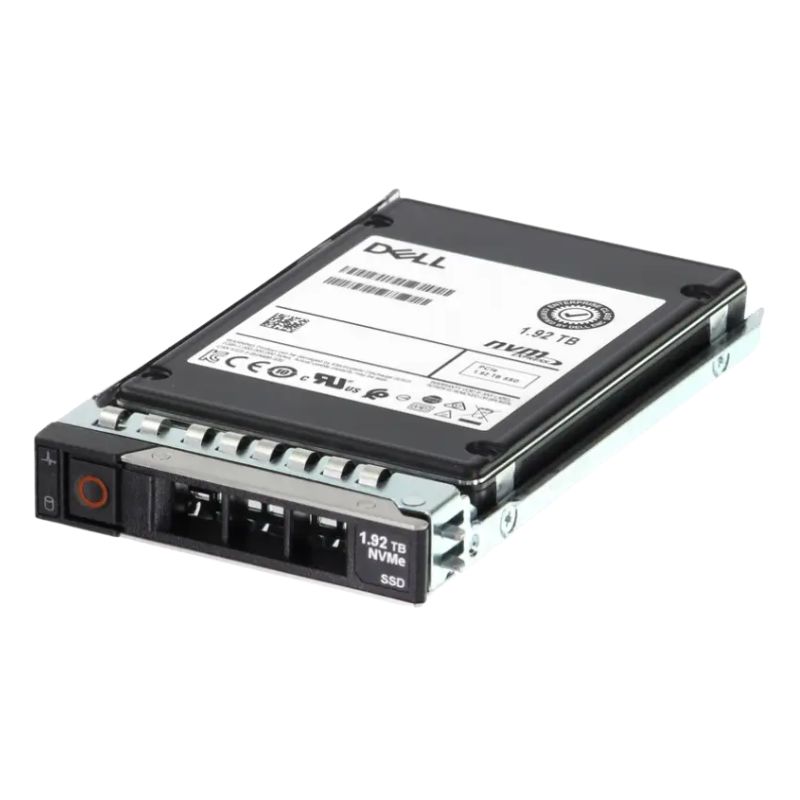


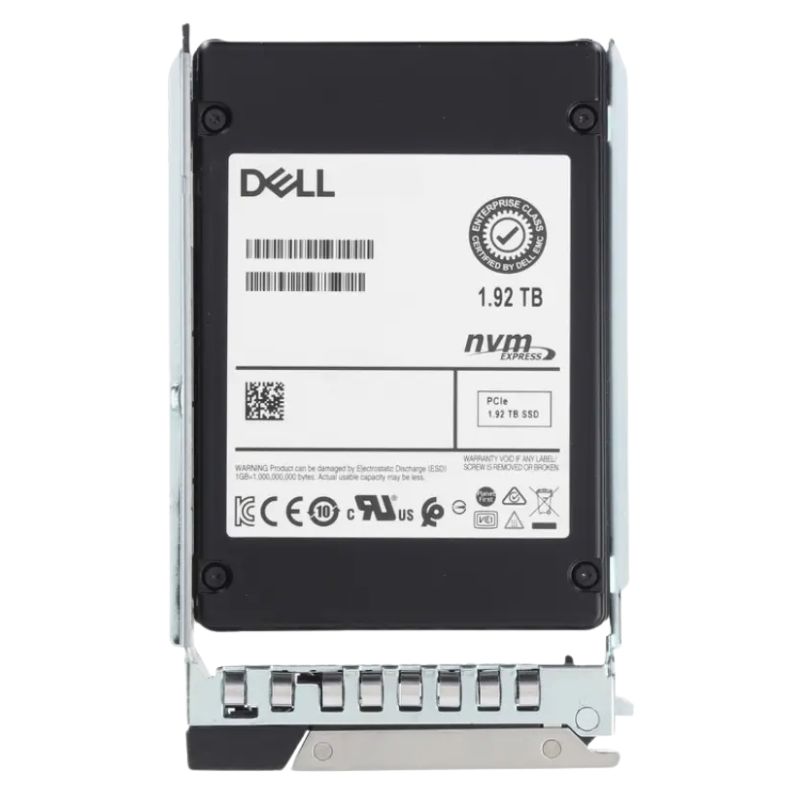
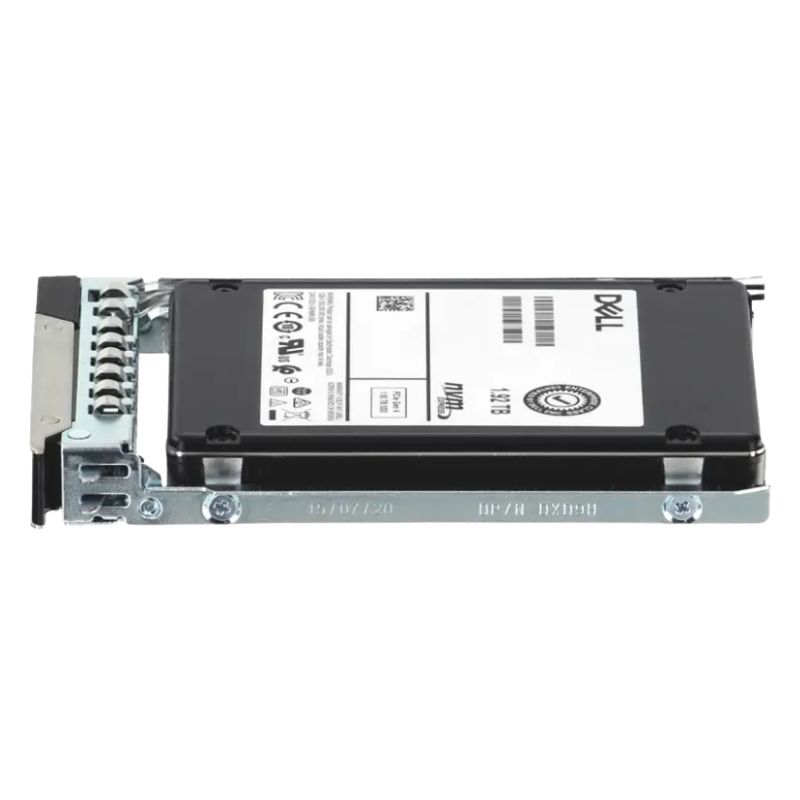
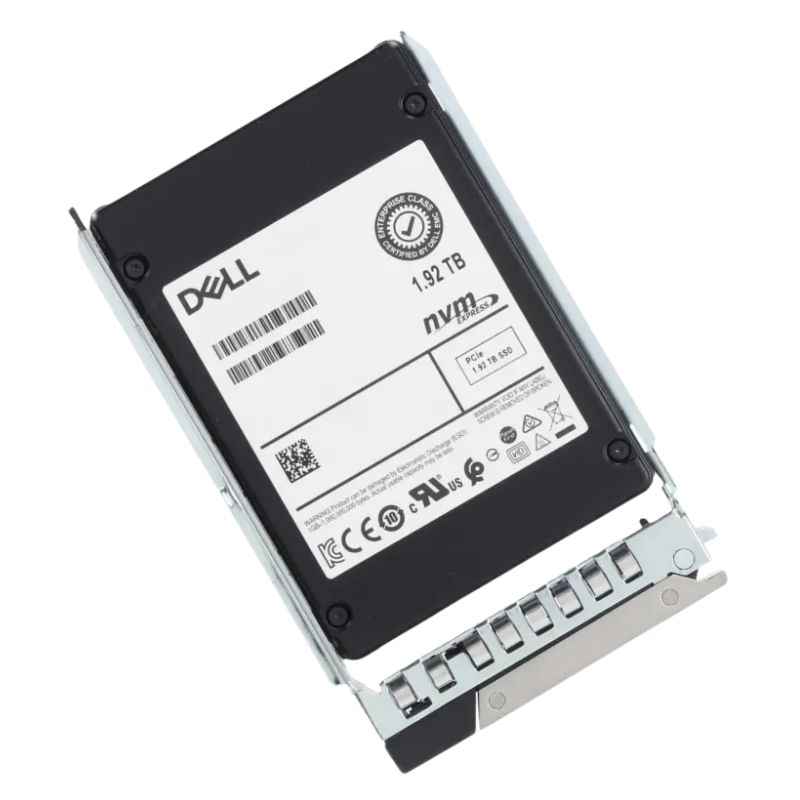
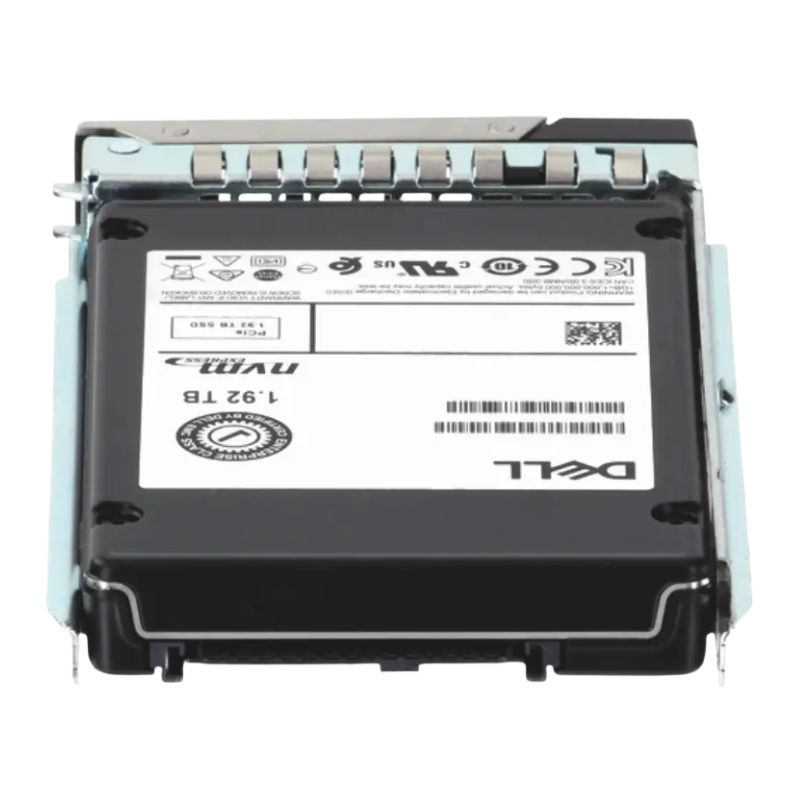
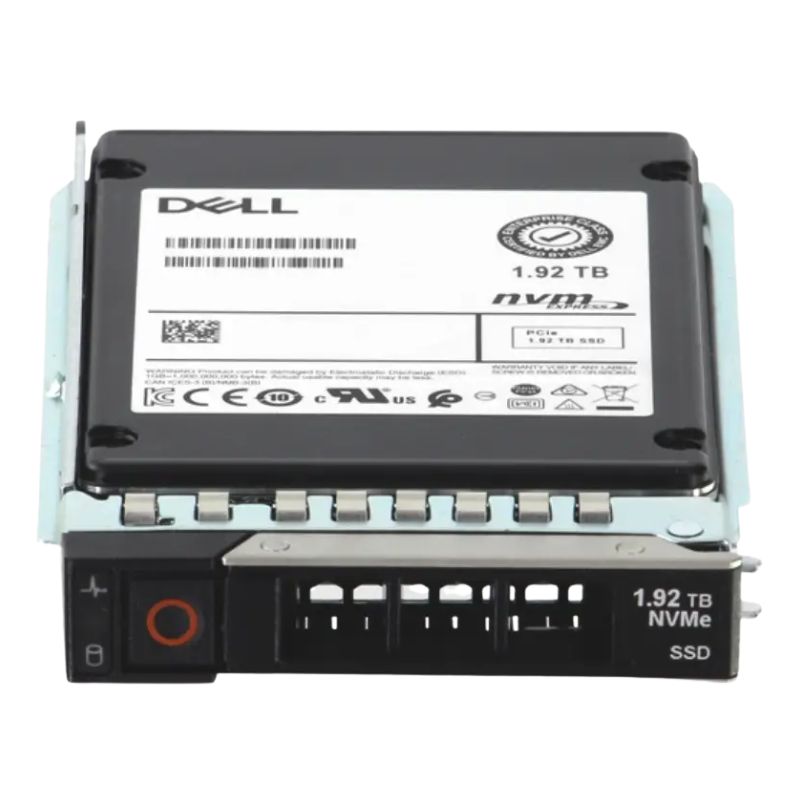
Dell 345-BJBR 1.92TB PCI-E Gen4 NVMe U.2 2.5 Inch Read Intensive Solid State Drive. New Sealed in Box (NIB) with 1-Year Replacement Warranty
The Dell 345-BJBR 1.92TB PCIe Gen4 NVMe U.2 solid state drive is engineered for enterprise servers that demand consistent read-optimized performance, high throughput, and advanced data protection. Designed for Dell PowerEdge platforms, this read intensive SSD leverages modern NVMe architecture to deliver low latency, fast response times, and long-term reliability in data-driven workloads.
The Dell 345-BJBR NVMe SSD is validated for a wide range of Dell PowerEdge servers, ensuring seamless integration and firmware compatibility.
The Dell 345-BJBR 1.92TB PCI-E Gen4 NVMe U.2 2.5 Inch Read Intensive Solid State Drive belongs to a high-performance enterprise storage category engineered for data centers, private cloud infrastructures, and business-critical server deployments. This class of storage solutions is designed to address the increasing demand for low-latency data access, consistent throughput, and predictable performance under sustained workloads. Within the broader enterprise SSD market, this category focuses on balancing capacity efficiency, endurance optimization, and compatibility with modern server architectures.
Enterprise NVMe read intensive solid state drives are specifically positioned between high-end mixed-use SSDs and ultra-durable write-intensive drives. They are intended for environments where read operations dominate transactional activity, such as virtualization platforms, analytics dashboards, content delivery networks, and database replication systems. The Dell 345-BJBR model exemplifies this category by combining PCI Express Gen4 bandwidth with NVMe protocol efficiencies and a standardized U.2 2.5 inch form factor that integrates seamlessly into Dell PowerEdge servers.
The category of PCI-E Gen4 NVMe SSDs represents a significant evolution from legacy SATA and SAS storage technologies. Traditional interfaces were limited by protocol overhead and bandwidth constraints, which restricted performance scalability in modern multi-core server environments. NVMe was introduced to eliminate these bottlenecks by enabling direct communication between storage and CPU over PCI Express lanes, significantly reducing latency and increasing parallelism.
Within this evolving category, Gen4 NVMe drives such as the Dell 345-BJBR deliver double the theoretical bandwidth of Gen3 solutions, enabling faster queue processing and improved quality of service. This advancement has made NVMe SSDs the preferred storage medium for enterprise applications that demand high IOPS, rapid data retrieval, and consistent response times under concurrent workloads.
The 1.92TB capacity segment occupies a strategic position within enterprise storage planning. This capacity is well-suited for balancing usable storage space with cost efficiency, making it ideal for scalable server configurations. In data centers where rack space, power consumption, and thermal output must be carefully managed, deploying multiple 1.92TB NVMe drives allows organizations to achieve high aggregate capacity without sacrificing performance or increasing physical footprint.
This category of storage devices is frequently used in RAID arrays, software-defined storage clusters, and hyperconverged infrastructure nodes. The Dell 345-BJBR fits into this ecosystem by providing predictable capacity that aligns with common storage tiering strategies. It enables IT architects to design storage pools that deliver fast access to frequently read data while maintaining overall system efficiency.
Read intensive NVMe SSDs are categorized based on their endurance characteristics, typically measured in drive writes per day. This class is optimized for scenarios where read operations significantly outweigh write operations, allowing manufacturers to tune flash memory usage, firmware algorithms, and wear-leveling strategies accordingly. The Dell 345-BJBR is engineered to support enterprise workloads that prioritize fast read access while maintaining sufficient endurance for routine updates and background writes.
This category is commonly deployed in environments such as virtual desktop infrastructure, web application hosting, search indexing platforms, and data warehousing systems. In these use cases, the majority of storage interactions involve reading existing datasets rather than continuously writing new data, making read intensive NVMe drives a cost-effective and performance-optimized solution.
The PCI-E Gen4 interface is a defining characteristic of this SSD category, offering substantial improvements in throughput and scalability compared to earlier generations. With increased lane bandwidth, Gen4 NVMe drives can handle higher data transfer rates, making them well-suited for multi-threaded enterprise applications. The Dell 345-BJBR leverages this interface to deliver consistent performance across a wide range of workloads, even under peak demand conditions.
This category benefits from improved parallelism enabled by the NVMe protocol, which supports multiple submission and completion queues. As server CPUs continue to increase core counts, NVMe Gen4 storage ensures that I/O operations can scale efficiently without becoming a performance bottleneck. This alignment between storage and compute capabilities is essential for modern enterprise infrastructure.
One of the key advantages of Gen4 NVMe SSDs in this category is their ability to maintain low and predictable latency. Reduced protocol overhead and direct PCIe connectivity minimize delays in data access, which is critical for applications that rely on real-time or near-real-time processing. The Dell 345-BJBR is designed to provide consistent latency profiles, ensuring reliable performance for mission-critical workloads.
Quality of service is another important factor in enterprise storage categories. NVMe SSDs are engineered to deliver stable performance even during sustained workloads, preventing sudden drops in throughput or latency spikes. This reliability makes them suitable for shared storage environments where multiple applications access the same drive simultaneously.
The U.2 2.5 inch form factor is a widely adopted standard in enterprise server environments, offering hot-swap capability, mechanical stability, and compatibility with existing drive bays. This category of NVMe SSDs is designed to integrate easily into rack-mounted servers without requiring specialized adapters or custom enclosures. The Dell 345-BJBR conforms to this standard, ensuring straightforward deployment and maintenance.
By utilizing the U.2 interface, this category bridges the gap between traditional 2.5 inch drive bays and high-speed NVMe connectivity. It allows organizations to upgrade their storage performance while retaining familiar hardware layouts and service procedures. This compatibility reduces deployment complexity and supports gradual infrastructure modernization.
Enterprise NVMe SSD categories must address thermal management challenges associated with high-speed data transfer. Gen4 NVMe drives generate more heat than earlier technologies, requiring efficient thermal design to maintain performance and reliability. The Dell 345-BJBR is engineered with power-efficient components and firmware-level thermal controls to ensure stable operation within server environments.
Power efficiency is another critical consideration in this category. Data centers prioritize storage solutions that deliver high performance per watt, minimizing operational costs and supporting sustainability goals. Read intensive NVMe SSDs are optimized to balance power consumption with throughput, making them suitable for continuous operation in enterprise settings.
Reliability is a defining characteristic of enterprise SSD categories, and the Dell 345-BJBR is designed to meet stringent requirements for data integrity and operational stability. This category incorporates advanced error correction mechanisms, power loss protection features, and firmware safeguards to protect data during unexpected interruptions.
Enterprise NVMe SSDs are validated for continuous operation under heavy workloads, ensuring consistent performance over their service life. The Dell 345-BJBR benefits from rigorous testing and qualification processes that align with Dell server ecosystems, reducing the risk of compatibility issues and unexpected failures.
The Dell 345-BJBR NVMe SSD category supports a wide range of enterprise applications that demand fast and reliable read performance. Virtualization platforms benefit from rapid boot times and quick access to virtual machine images, while database systems leverage low latency for faster query responses. Analytics and business intelligence workloads also gain from the high throughput provided by Gen4 NVMe storage.
This category is also well-suited for content delivery and media streaming platforms, where large volumes of data must be read and served to end users with minimal delay. The consistent performance characteristics of read intensive NVMe SSDs ensure smooth operation even during peak usage periods.
The Dell 345-BJBR is specifically validated for use within Dell PowerEdge server platforms, ensuring seamless integration and optimal performance. This category of SSDs is designed to work in harmony with Dell server firmware, RAID controllers, and management software, providing a unified and reliable storage solution.
By choosing a Dell-qualified NVMe SSD, organizations benefit from streamlined support and simplified deployment. Compatibility testing ensures that the drive operates as intended within supported server configurations, reducing the risk of performance issues or incompatibility-related downtime.
Scalability is a core consideration in enterprise storage categories, and PCI-E Gen4 NVMe SSDs are designed to support future growth. As data volumes increase and applications demand higher performance, this category provides the foundation for scalable storage architectures that can evolve without requiring complete hardware overhauls.
The Dell 345-BJBR supports modern storage frameworks that emphasize modular expansion and software-defined control. By deploying NVMe SSDs within scalable server platforms, organizations can adapt to changing workload requirements while maintaining consistent performance and reliability.
Enterprise NVMe SSD categories play a critical role in hybrid and cloud-ready environments, where on-premises infrastructure must integrate seamlessly with cloud services. Read intensive NVMe drives are often used to cache frequently accessed data, accelerating hybrid workloads and improving user experience.
The Dell 345-BJBR fits into this category by providing fast local storage that complements cloud-based resources. Its performance characteristics make it suitable for edge computing, private cloud deployments, and hybrid architectures that require low-latency access to critical datasets.
The economic value of read intensive NVMe SSD categories lies in their ability to deliver high performance at a lower cost compared to write-intensive alternatives. By aligning endurance characteristics with workload requirements, organizations can optimize storage investments without overprovisioning unnecessary durability.
The Dell 345-BJBR contributes to reduced total cost of ownership by offering a balance of capacity, performance, and reliability. Its power efficiency, predictable lifespan, and compatibility with existing server infrastructure help minimize operational expenses and support long-term IT planning.
Within a tiered storage strategy, read intensive NVMe SSDs occupy a critical position as high-performance tiers for frequently accessed data. This category enables organizations to place hot data on fast NVMe storage while relegating less active data to lower-cost tiers. The Dell 345-BJBR supports this approach by delivering consistent read performance that enhances overall system responsiveness.


 Contact Us
 Information
 Catalog
 Solid State Drives (SSD)
 Network Switches
 Hard Disk Drives
 HBA & Controllers
 PC & Servers
 PC & Server Memory
 CPU & Processors
 Network Routers
 Power Supplies
 Tape Drives & Libraries
 Network Devices
 Computer & Network Cables