(7% discount is applied at checkout)
Cart is empty
Your go-to destination for cutting-edge server products
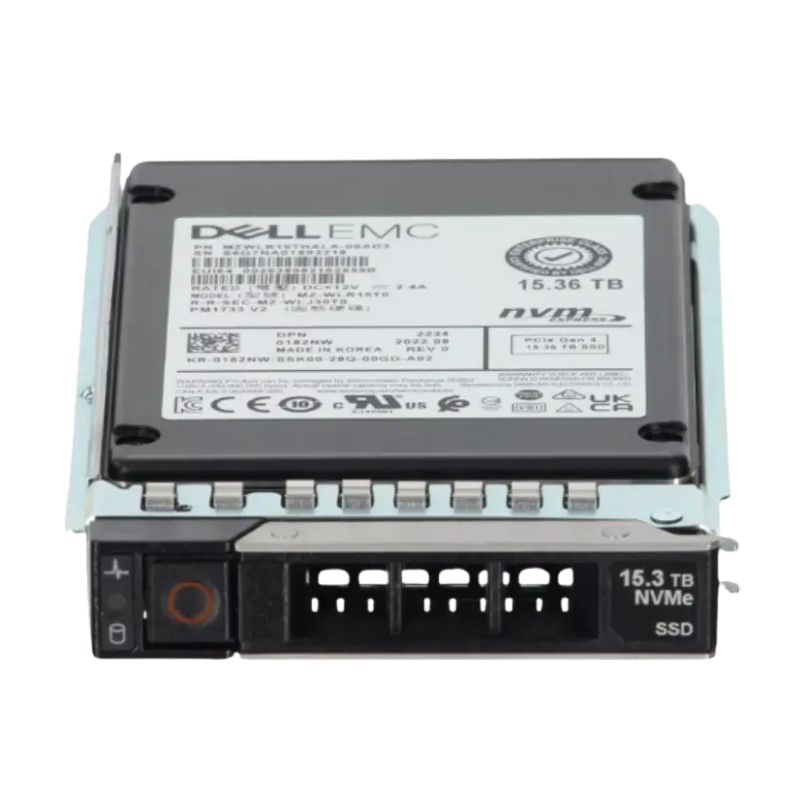


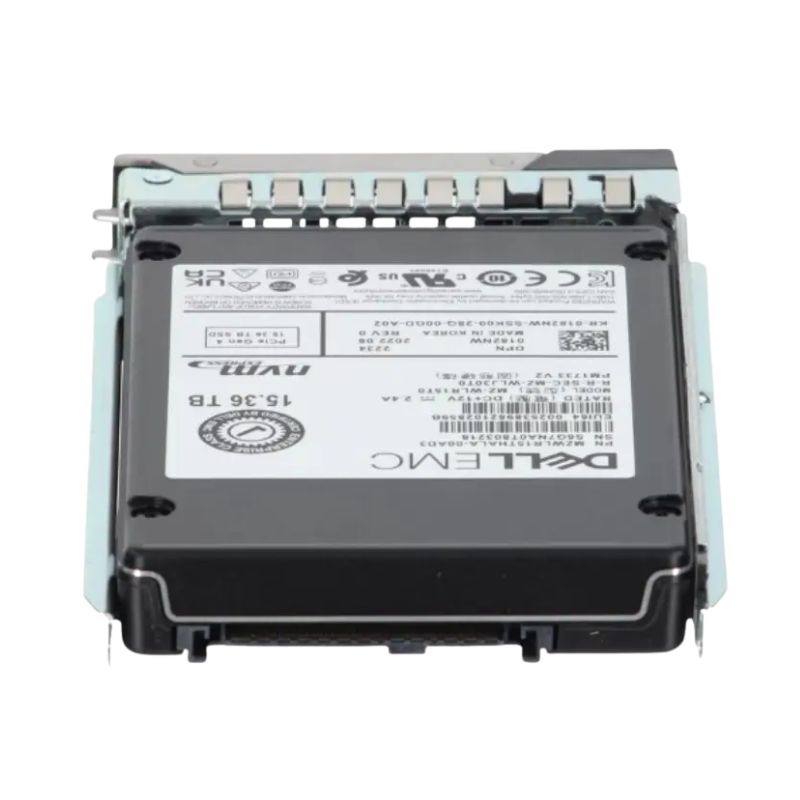
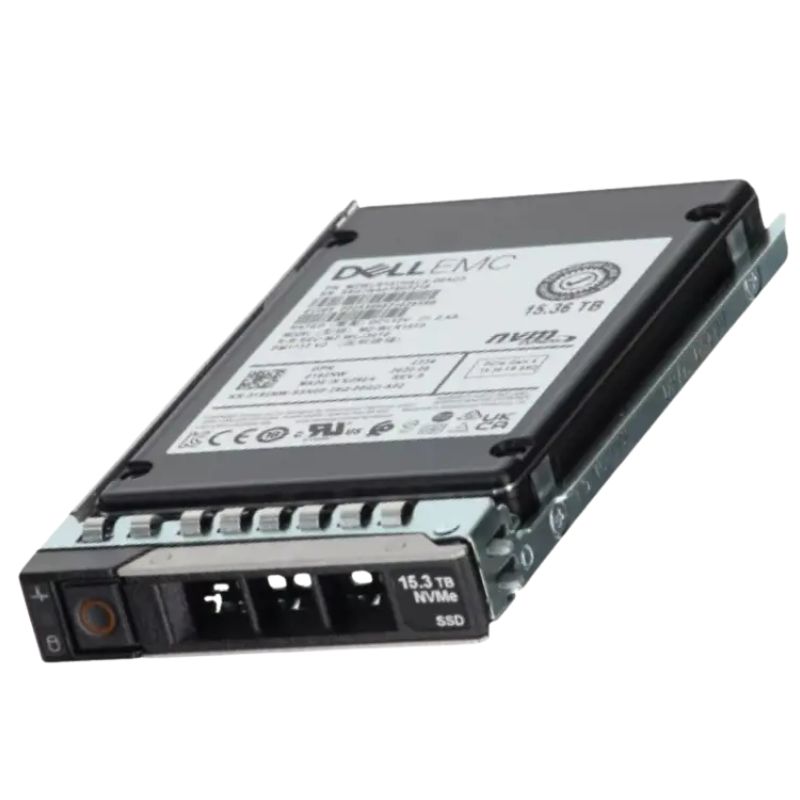
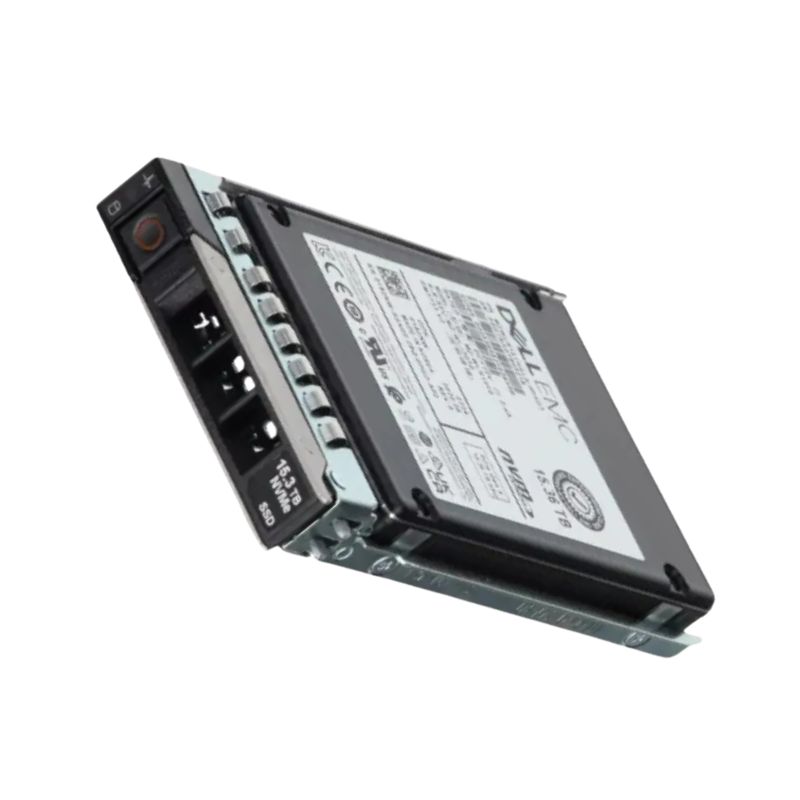
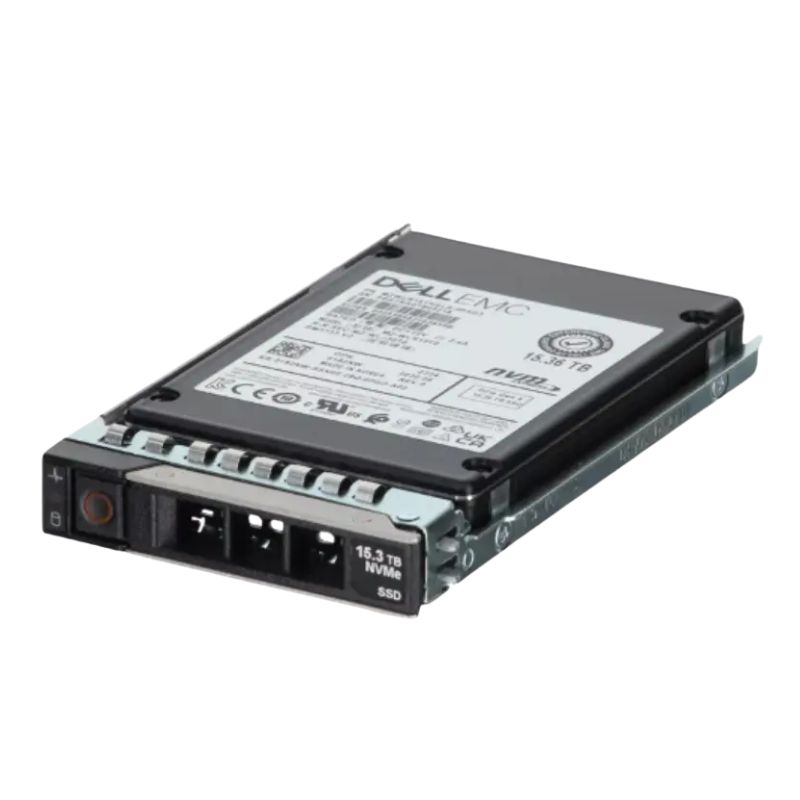
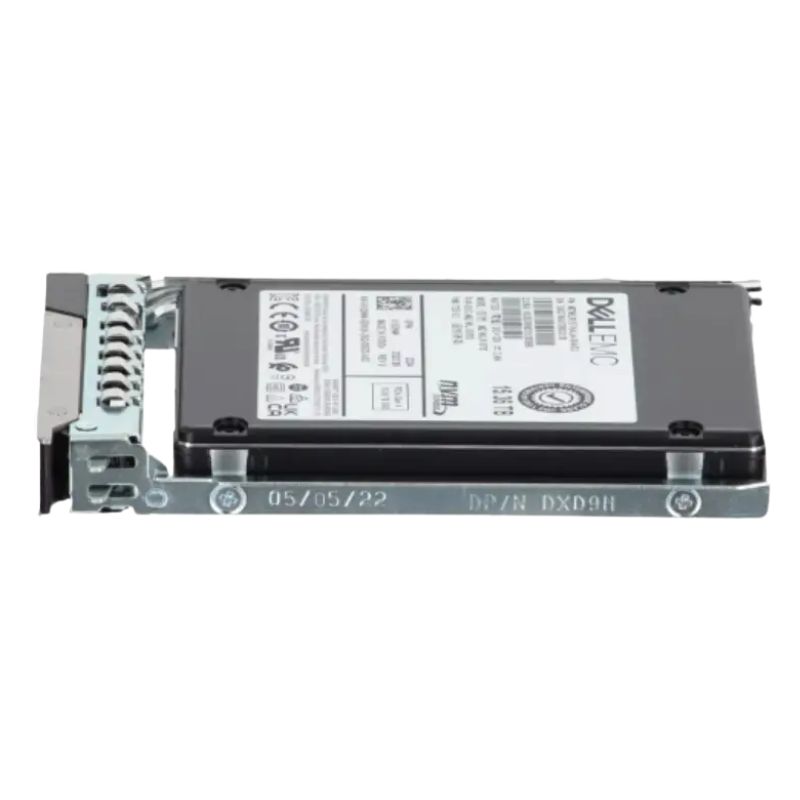
Dell 345-BJCR 15.36TB PCI-E Gen5 NVMe Read Intensive TLC E3.S Solid State Drive. New Sealed in Box (NIB) with 1-Year Replacement Warranty
The Dell 345-BJCR 15.36TB PCI-E Gen5 NVMe Read Intensive TLC E3.S Solid State Drive is engineered for modern enterprise infrastructures that demand ultra-fast data throughput, consistent reliability, and scalable storage efficiency. Built to support next-generation Dell PowerEdge servers, this internal SSD leverages PCIe Gen5 technology to deliver exceptional bandwidth, reduced latency, and improved workload responsiveness across data-intensive environments.
The Dell 345-BJCR 15.36TB PCI-E Gen5 NVMe Read Intensive TLC E3.S Solid State Drive belongs to a rapidly evolving category of enterprise-class storage devices designed to meet the escalating performance, scalability, and efficiency requirements of modern data centers. This category focuses on high-capacity, ultra-low-latency NVMe solid state drives engineered for mission-critical workloads where speed, endurance optimization, and reliability are essential. PCI Express Gen5 technology marks a significant leap forward in throughput, enabling data-intensive environments to achieve unprecedented levels of responsiveness and workload consolidation.
Enterprise NVMe SSDs in the E3.S form factor are specifically architected for next-generation server platforms, offering enhanced thermal efficiency, improved signal integrity, and higher density compared to legacy U.2 and U.3 designs. This category is widely adopted across cloud service providers, hyperscale data centers, virtualization clusters, and performance-driven enterprise IT infrastructures. The Dell 345-BJCR exemplifies this class by combining high-capacity TLC NAND with read-intensive optimization, ensuring consistent performance for analytics, content delivery, and transactional workloads.
PCI Express Gen5 NVMe SSDs represent the forefront of storage interface technology, doubling the bandwidth of PCIe Gen4 and delivering substantial improvements in data transfer efficiency. This category leverages a x4 lane configuration capable of supporting extreme sequential and random performance metrics, enabling servers to process vast volumes of data with minimal latency. Dell’s Gen5 NVMe SSD offerings are designed to fully exploit this architecture, ensuring that storage no longer becomes a bottleneck in compute-heavy environments.
The NVMe protocol itself is optimized for parallelism, allowing thousands of simultaneous command queues and deep queue depths that dramatically reduce I/O wait times. In enterprise environments where virtualization, containerization, and real-time analytics dominate, Gen5 NVMe SSDs provide the necessary foundation for scalable and predictable performance. The Dell 345-BJCR fits squarely into this category by aligning advanced controller technology with high-speed NAND access pathways.
Data-centric applications such as artificial intelligence training, machine learning inference, high-frequency trading, and large-scale databases demand rapid access to storage with minimal jitter. The Gen5 NVMe category delivers sustained throughput that supports continuous data streaming and high transaction rates. Dell’s enterprise SSD category emphasizes consistency under load, allowing IT teams to deploy storage solutions that maintain predictable performance even during peak utilization periods.
Higher bandwidth also reduces the number of drives required to meet performance targets, which in turn lowers power consumption, rack density requirements, and total cost of ownership. This strategic advantage positions Gen5 NVMe SSDs as a core component in future-ready infrastructure designs.
The E3.S form factor represents a standardized approach to next-generation enterprise storage, addressing limitations found in previous 2.5-inch and add-in card formats. This category prioritizes thermal optimization, serviceability, and scalability within dense server chassis. Dell E3.S NVMe SSDs are engineered to align with emerging server architectures that demand higher power envelopes and improved airflow management.
E3.S drives support front-accessible hot-swap capabilities, simplifying maintenance and minimizing downtime in enterprise environments. The form factor also allows for higher capacity per drive, making it ideal for organizations seeking to maximize storage density without compromising performance or reliability. The Dell 345-BJCR’s inclusion in this category highlights its suitability for modern data center deployments.
Thermal management is a critical consideration in high-performance storage categories. E3.S NVMe SSDs are designed to dissipate heat more effectively, enabling sustained performance under continuous workloads. Dell integrates advanced thermal monitoring and firmware-based throttling mechanisms to protect data integrity while maintaining optimal operating temperatures.
Enhanced reliability features, including power loss protection and end-to-end data path protection, are standard expectations within this category. These attributes ensure that enterprise data remains secure and accessible, even in the event of unexpected power interruptions or environmental fluctuations.
The Dell 345-BJCR SSD is categorized as a read-intensive drive, leveraging Triple-Level Cell NAND technology optimized for high read workloads. This category is specifically designed for applications where read operations significantly outweigh write cycles, such as content delivery networks, data warehousing, search indexing, and media streaming platforms. By focusing on read performance and endurance efficiency, read-intensive SSDs offer a balanced solution that maximizes capacity and performance while controlling costs.
TLC NAND provides a compelling balance between density and endurance, allowing enterprise SSDs to achieve multi-terabyte capacities without sacrificing reliability. Dell’s read-intensive NVMe SSD category incorporates sophisticated wear-leveling algorithms and error correction technologies to ensure consistent performance throughout the drive’s lifecycle.
Read-intensive SSD categories are defined by their endurance ratings, which are calibrated to support sustained read-heavy operations over extended periods. These drives are ideal for environments where data is frequently accessed but infrequently modified. Dell engineers these SSDs to deliver dependable endurance metrics that align with enterprise service level agreements.
Workload suitability extends across a wide range of enterprise use cases, including virtualization boot volumes, application acceleration layers, and high-speed caching tiers. The Dell 345-BJCR’s placement within this category underscores its role as a high-capacity, high-performance solution for read-dominant data access patterns.
The 15.36TB capacity segment represents a premium tier within the enterprise NVMe SSD category, addressing the need for large-scale data storage without compromising performance. High-capacity SSDs reduce the total number of drives required per server, simplifying storage architectures and improving overall system efficiency. Dell’s 15.36TB NVMe SSD offerings are designed to deliver consistent performance across the entire capacity range.
This capacity class is particularly valuable for organizations managing expansive datasets, such as big data analytics platforms, scientific research institutions, and large enterprise databases. By consolidating data onto fewer high-capacity drives, IT teams can streamline management, enhance reliability, and optimize rack utilization.
In space-constrained data center environments, storage density is a critical metric. High-capacity NVMe SSDs enable organizations to maximize usable storage per rack unit, reducing the physical footprint of their infrastructure. This category supports sustainable data center initiatives by lowering power consumption and cooling requirements relative to traditional spinning disk solutions.
Dell’s enterprise SSD category emphasizes not only capacity but also consistent quality of service, ensuring that performance remains stable even as drives approach full utilization.
Security and data integrity are foundational elements of the enterprise NVMe SSD category. Dell integrates robust security features into its SSD designs to protect sensitive data and comply with industry standards. These features include secure firmware architectures, advanced encryption support, and comprehensive error detection and correction mechanisms.
Data integrity is maintained through end-to-end protection that safeguards information from the host interface to the NAND media. This approach minimizes the risk of silent data corruption and ensures that mission-critical applications operate with confidence.
Enterprise SSD categories are expected to meet stringent compliance requirements across various industries, including finance, healthcare, and government sectors. Dell NVMe SSDs are validated for compatibility with leading server platforms and operating systems, ensuring seamless integration into existing IT environments.
This level of enterprise readiness simplifies deployment and reduces the time required to achieve operational stability, making high-capacity Gen5 NVMe SSDs a strategic investment for long-term infrastructure planning.
The Dell 345-BJCR SSD category is particularly well-suited for virtualization and cloud computing environments, where storage performance directly impacts application responsiveness and user experience. NVMe Gen5 SSDs enable rapid virtual machine provisioning, fast snapshot operations, and efficient resource allocation across shared infrastructure.
Hyperscale data centers benefit from the predictable performance and scalability offered by high-capacity NVMe SSDs. This category supports distributed storage architectures and software-defined storage solutions, providing the flexibility required to adapt to changing workload demands.
In multi-tenant environments, consistent quality of service is essential to prevent performance degradation across shared resources. Dell’s enterprise SSD category is designed to deliver low latency and high throughput even under mixed workload conditions, ensuring fair resource distribution and reliable application performance.
This capability is critical for service providers and large enterprises that rely on shared infrastructure to deliver services at scale.
Firmware plays a crucial role in the performance and reliability of enterprise SSDs. Dell’s SSD firmware is optimized to balance performance, endurance, and thermal characteristics, ensuring predictable behavior under varying workload conditions. Regular firmware updates provide ongoing improvements and compatibility enhancements, extending the useful life of the drive.


 Contact Us
 Information
 Catalog
 Solid State Drives (SSD)
 Network Switches
 Hard Disk Drives
 HBA & Controllers
 PC & Servers
 PC & Server Memory
 CPU & Processors
 Network Routers
 Power Supplies
 Tape Drives & Libraries
 Network Devices
 Computer & Network Cables