(7% discount is applied at checkout)
Cart is empty
Your go-to destination for cutting-edge server products
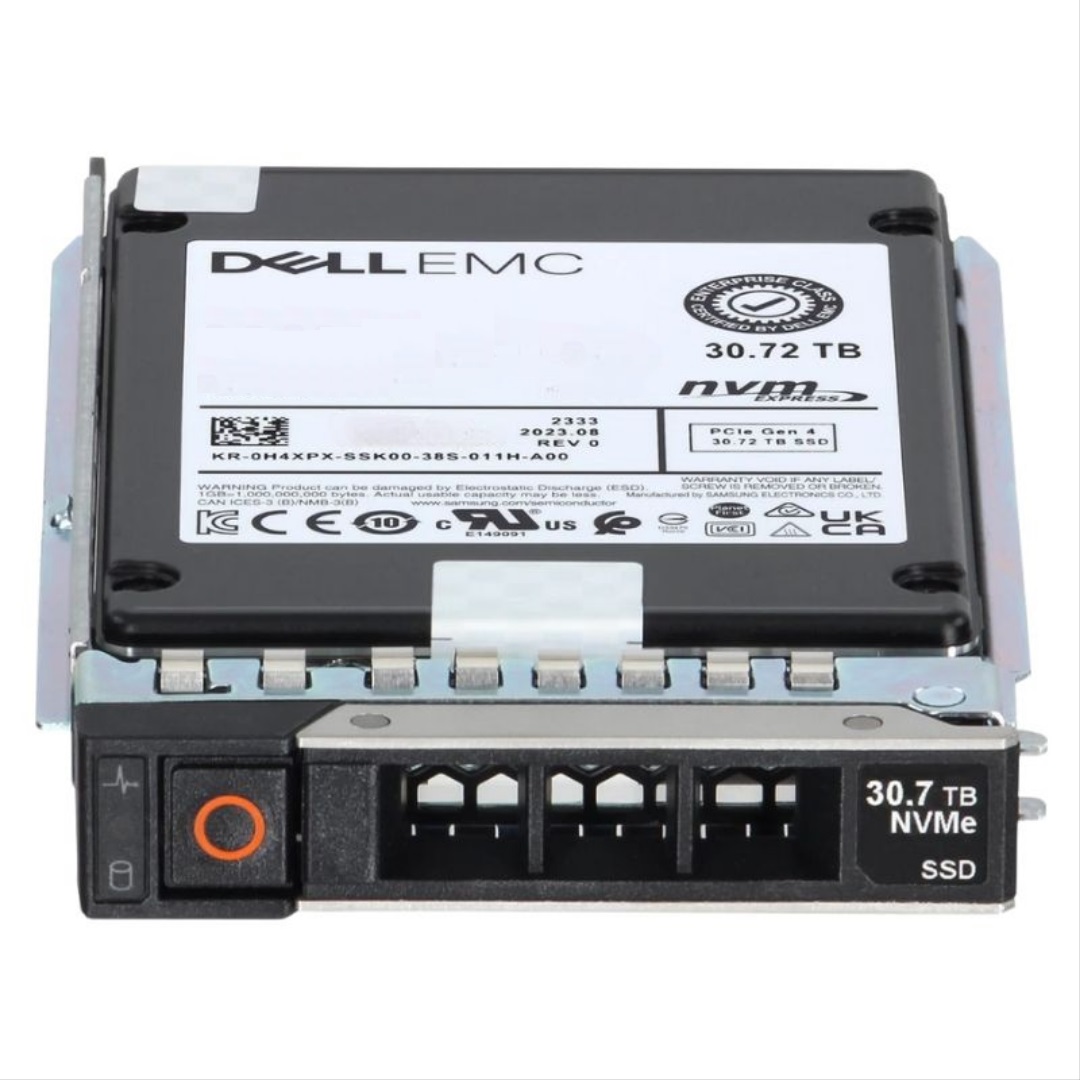


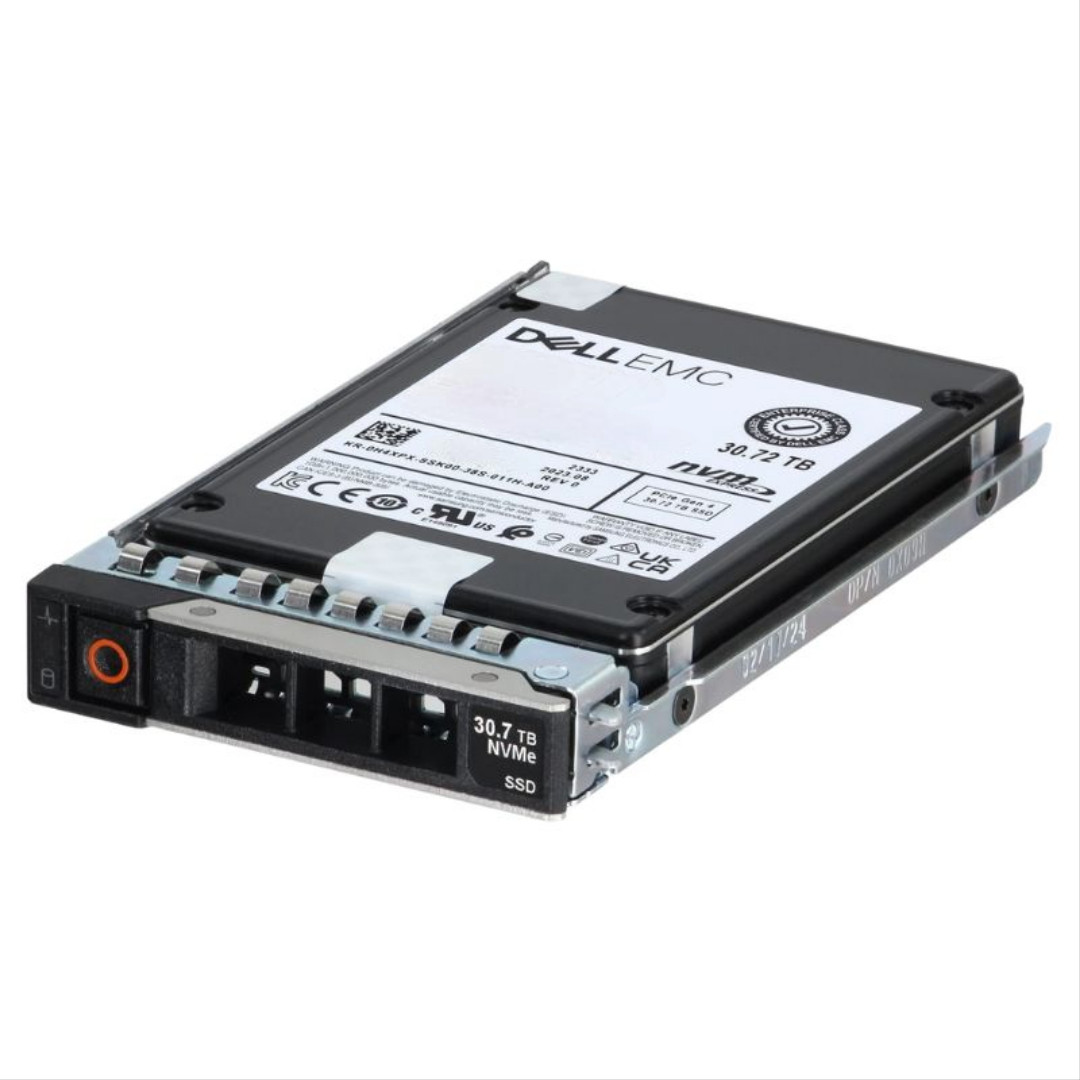
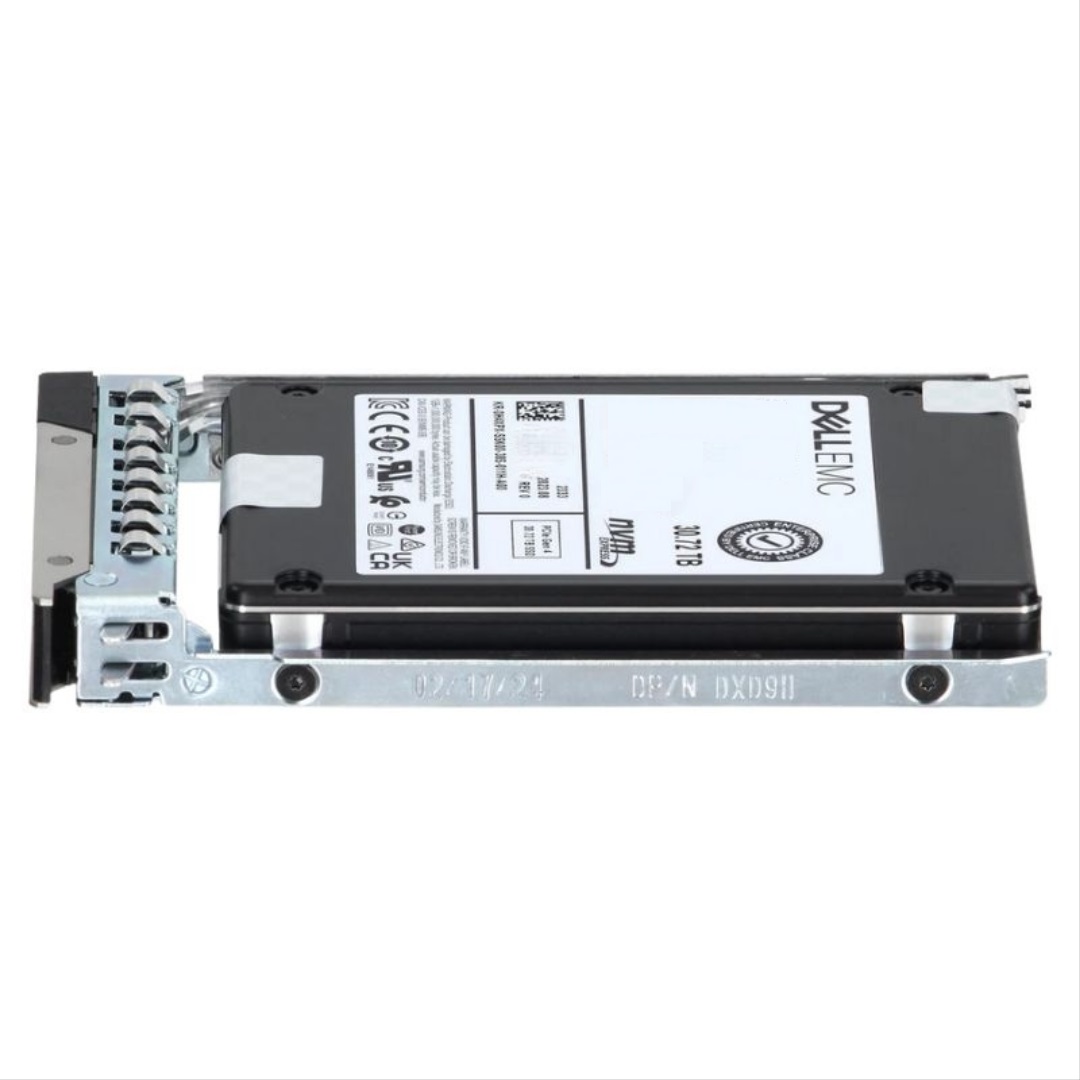
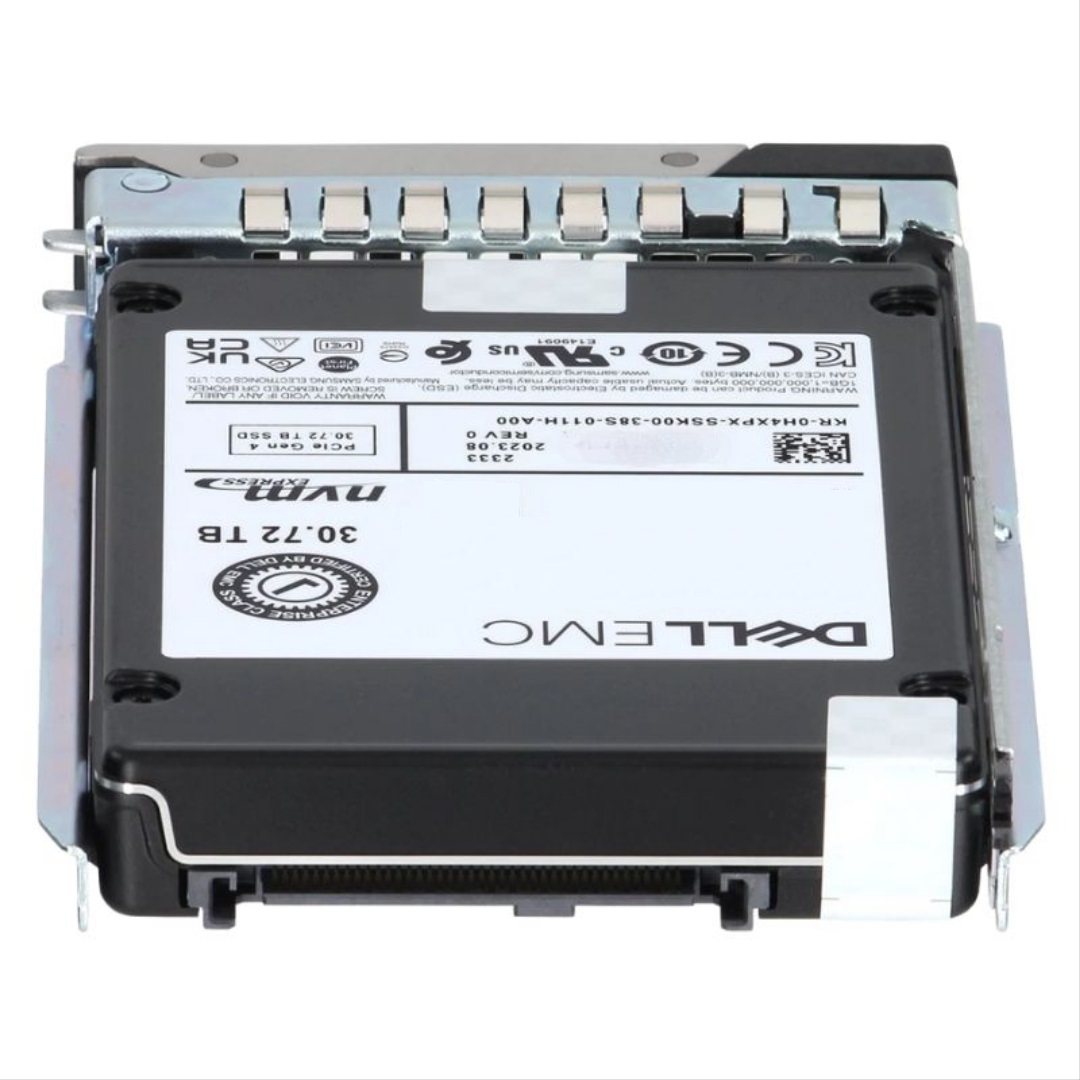
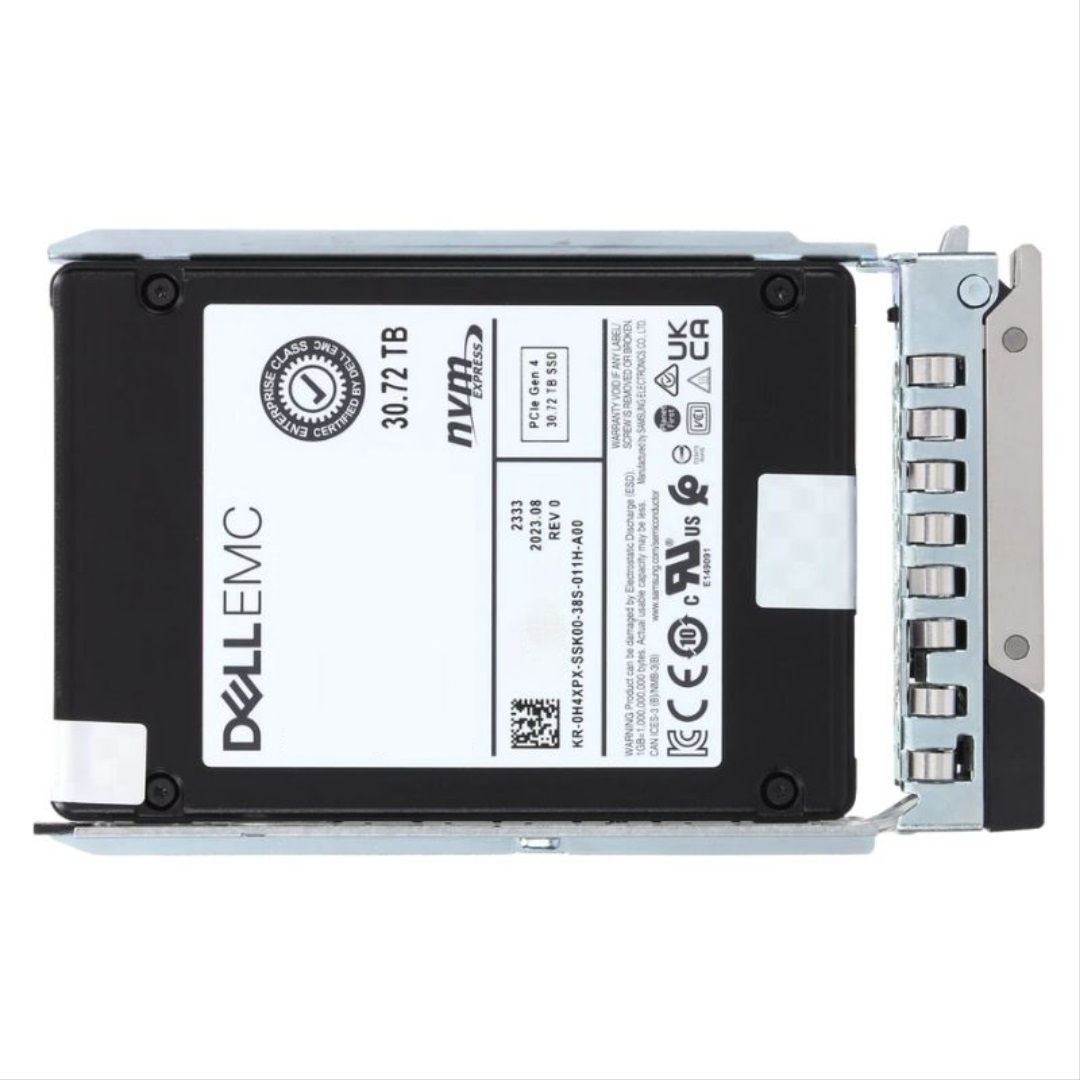
Dell 345-BJNM 30.72TB QLC PCI-E Gen4.0 x4 NVMe U.2 SFF Solid State Drive. New Sealed in Box (NIB) with 1 year Warranty
This enterprise-class solid state drive is engineered for high-demand data center applications, offering exceptional storage volume and performance.
The drive utilizes a compact 2.5-inch small form factor with a 15mm z-height, designed for integration into dense server environments.
This SSD delivers remarkable speed for both sequential and random data access patterns, crucial for server workloads.
This U.2 drive includes a tray and is validated for use in Dell PowerEdge Server generations 14g through 17g, ensuring seamless deployment and reliability in supported infrastructure.
The Dell 345-BJNM 30.72TB PCIe Gen4 x4 NVMe U.2 2.5" SFF Enterprise QLC 3D NAND SSD represents a high-capacity, high-density storage solution engineered for modern data centers and enterprise workloads that demand massive capacity, efficient power usage, and seamless integration with existing server infrastructures. Designed for U.2 (2.5") bays and optimized for PCI Express Gen4 performance, this drive is ideal for bulk storage, cold data tiers, archival pools, content repositories, and read-heavy analytics repositories.
The drive uses a standard 2.5-inch small form factor (SFF) with a U.2 connector, compatible with many Dell PowerEdge servers and third-party enterprise systems that accept U.2 NVMe modules. The PCIe Gen4 x4 NVMe interface delivers low-latency, high-throughput I/O capable of addressing modern server demands.
Built from QLC (Quad-Level Cell) 3D NAND technology, this SSD stores four bits per cell, enabling extremely high areal density and the large 30.72TB capacity in a single 2.5" package. QLC's density advantage lowers cost per terabyte and simplifies capacity planning when consolidating storage.
Expect strong sequential read/write performance when interfacing over PCIe Gen4 x4, with throughput geared toward bulk transfers, large object serving, cold tier read operations, and sequential backup/restore jobs. Random I/O performance is optimized for read-dominant workloads and bursty traffic using internal caching and controller algorithms.
QLC drives have lower program/erase (P/E) cycles per cell than TLC or SLC, so endurance ratings emphasize randomized write workloads and sustained write throughput. Dell's enterprise firmware and drive management features provide intelligent wear leveling, background garbage collection, and power-safe flushes to prolong service life and maintain data integrity.
Replace multiple smaller drives with a single 30.72TB module to free up drive bays and simplify storage management. The high TB-per-slot ratio makes it an excellent fit for:
Use QLC-based Dell 345-BJNM drives in a tiered storage model where hot transactional data remains on higher-end TLC or NVMe cache layers and capacity-centric datasets are offloaded to QLC tiers. This optimizes total cost of ownership (TCO) without sacrificing capacity or manageability.
In hyperscale infrastructures or private clouds where maximizing capacity density and minimizing hardware expenditure are vital, these drives reduce the number of enclosures needed for the same amount of raw capacity, lowering facility and capital costs.
Because QLC performs best in read-dominant and sequential write scenarios, orient workloads accordingly:
Reduce write amplification by aligning file systems, using appropriate block sizes for the workload, and avoiding small, random write patterns when possible. Consider filesystem choices (XFS, ext4, ZFS with tuned settings) that minimize metadata churn on QLC tiers.
High-capacity NVMe drives in dense enclosures can generate heat. Ensure adequate chassis airflow, monitor drive temperatures, and adopt cool-down strategies for sustained heavy writes (throttling policies or thermal-aware scheduling).
Build a dense object store where each node uses multiple 30.72TB U.2 SSDs. Advantages include:
Use these drives as fast, compact repositories for backups and snapshots that must be both large and accessible for occasional restores. Pair with deduplication/compression-aware backup software to multiply effective capacity.
Use the Dell 345-BJNM SSDs for warm/cold layers while keeping frequently updated hot data on higher-end TLC SSDs or persistent memory. The hybrid approach balances performance and cost while maximizing available capacity for bulk storage.
When planning, account for RAID/erasure coding overhead, filesystem metadata, and compression/dedup ratios. Example considerations:
Endurance is commonly expressed in TBW (terabytes written) or DWPD (drive writes per day). Use historical write metrics to estimate:
Because QLC has lower P/E cycles, allocate QLC drives to write-light or read-mostly tiers or protect them behind a write-optimized buffer.


 Contact Us
 Information
 Catalog
 Solid State Drives (SSD)
 Network Switches
 Hard Disk Drives
 HBA & Controllers
 PC & Servers
 PC & Server Memory
 CPU & Processors
 Network Routers
 Power Supplies
 Tape Drives & Libraries
 Network Devices
 Computer & Network Cables