(7% discount is applied at checkout)
Cart is empty
Your go-to destination for cutting-edge server products
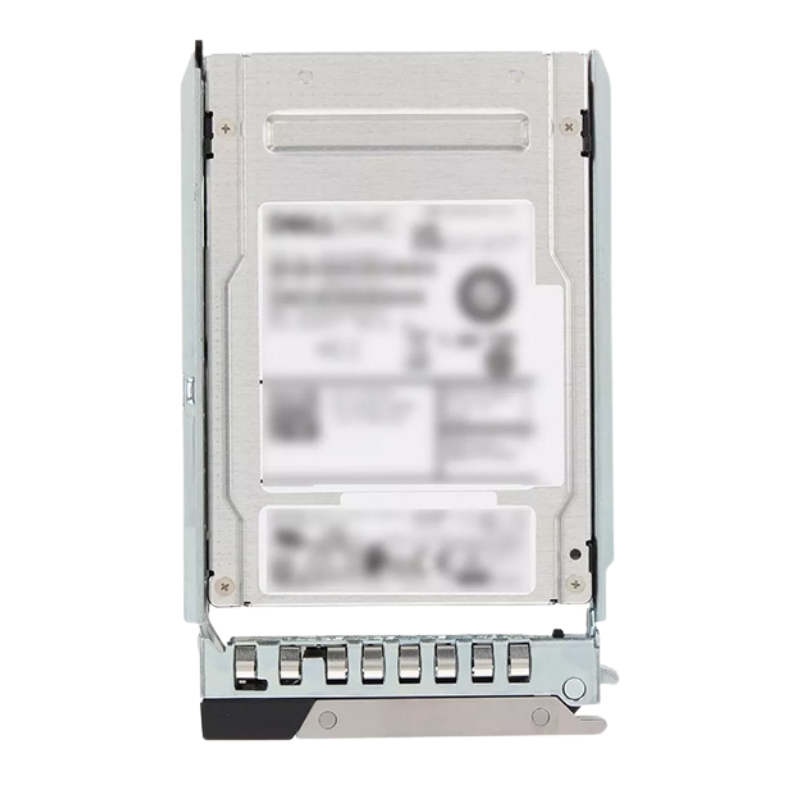


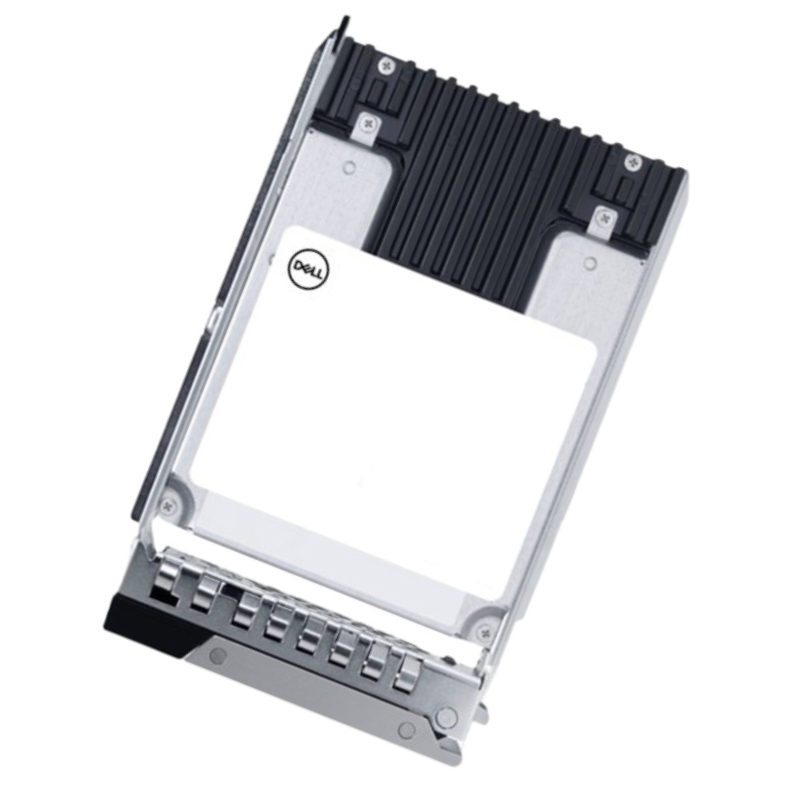
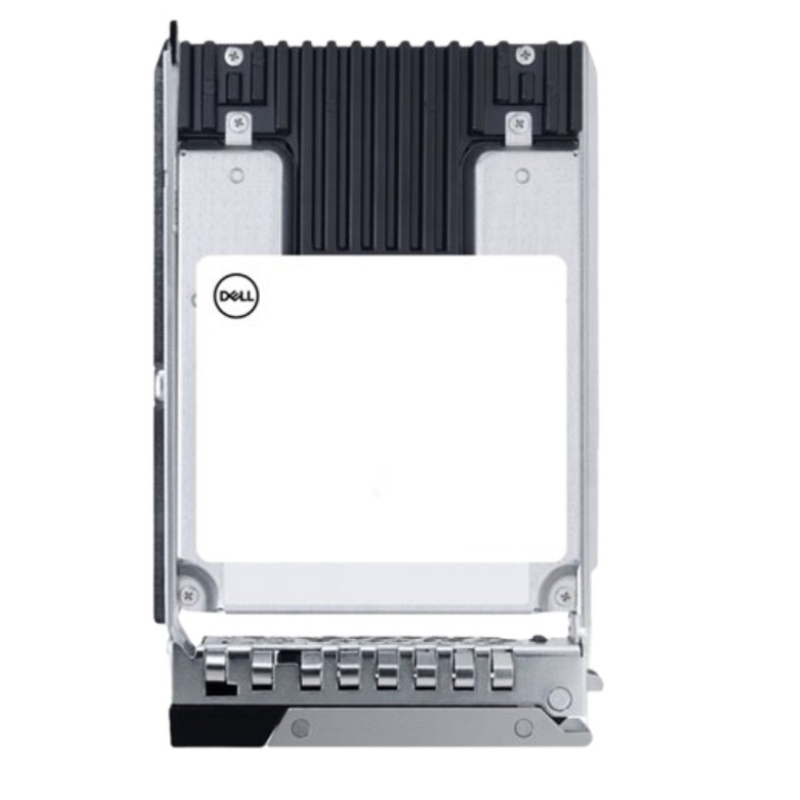
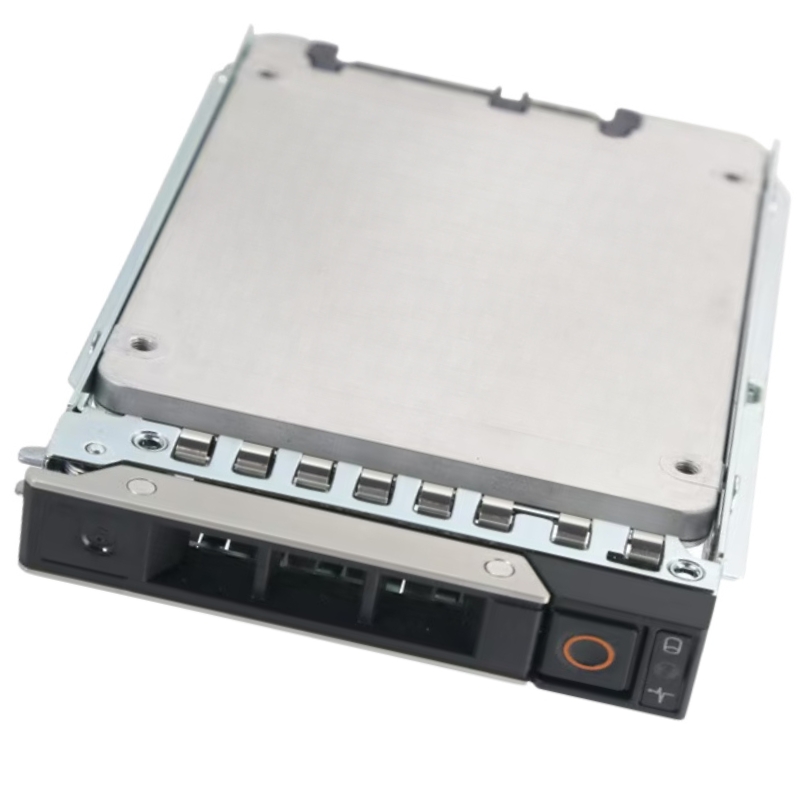
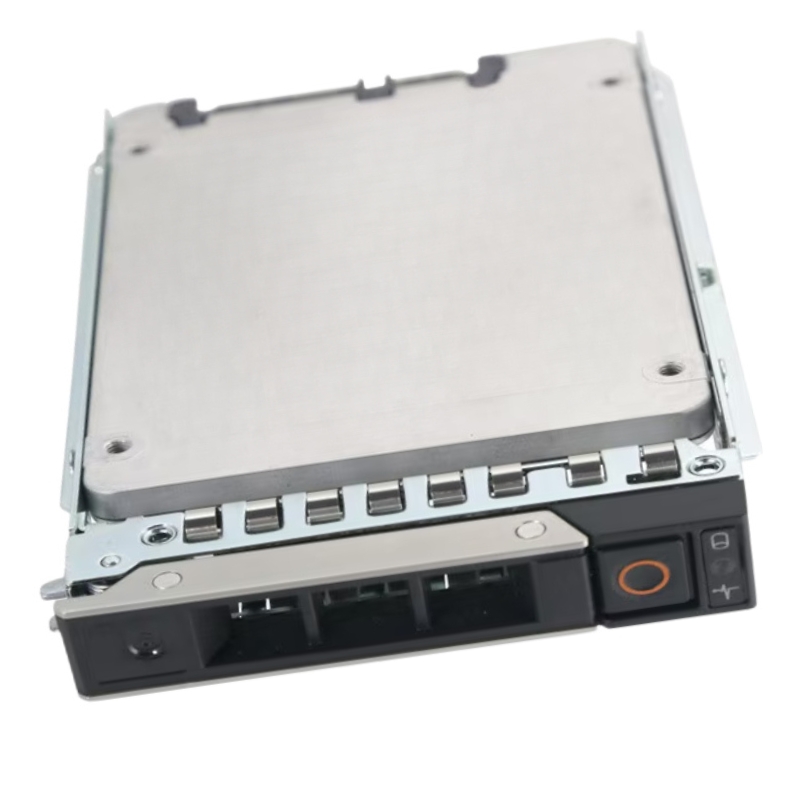
Dell 345-BKBJ 15.36TB PCIE Gen 5.0 X4 Nvme E3.S 2.5 Inch Read Intensive TLC Enterprise Solid State Drive. New Sealed in Box (NIB) with 1 Year Warranty
The Dell 345-BKBJ 15.36TB NVMe Solid State Drive is a high-capacity, read-intensive enterprise SSD designed for modern data centers and business-critical workloads. Built on advanced PCIe Gen 5.0 x4 technology, this E3.S form factor drive delivers ultra-fast data access, excellent reliability, and consistent performance for Dell PowerEdge servers.
This Dell enterprise SSD is fully compatible with a wide range of Dell PowerEdge servers, making it easy to integrate into existing data center setups.
The Dell 345-BKBJ 15.36TB PCIe Gen5 x4 NVMe E3.S 2.5 Inch Read Intensive TLC Enterprise Solid State Drive belongs to a specialized category of ultra-high-capacity, ultra-high-performance enterprise storage devices designed for modern hyperscale and enterprise data center infrastructures. This category is focused on delivering extremely fast, low-latency, and highly reliable data access for mission-critical applications that operate around the clock. Drives in this category are not consumer SSDs, nor are they meant for entry-level servers. They are purpose-built to support large-scale virtualization, cloud platforms, artificial intelligence workloads, and data-intensive business applications.
This category is defined by the use of NVMe (Non-Volatile Memory Express) protocol over PCIe Gen5 interfaces, allowing direct, high-bandwidth communication between the storage device and the CPU. Unlike older SATA or SAS drives that rely on shared controllers and limited command queues, NVMe SSDs in this class are built to handle thousands of parallel requests with minimal delay. The Dell 345-BKBJ sits firmly in this category by combining the latest PCIe Gen5 x4 interface with an enterprise-grade E3.S 2.5-inch form factor and large 15.36TB capacity, making it ideal for dense server deployments where both performance and space efficiency are essential.
The PCIe Gen5 NVMe enterprise SSD segment represents the newest generation of server-class storage technology. PCIe Gen5 doubles the bandwidth of PCIe Gen4, allowing data to flow at unprecedented speeds. In this category, drives like the Dell 345-BKBJ can achieve extremely high throughput, making them well suited for real-time analytics, large database queries, and cloud-based services that require instant data availability.
NVMe enterprise SSDs are different from traditional storage in that they remove many of the bottlenecks found in older storage interfaces. Instead of being limited by slow controller paths, these drives communicate directly with the CPU using multiple high-speed lanes. This enables massive parallelism, which is critical in environments where hundreds or thousands of virtual machines and containers are accessing storage at the same time.
PCIe Gen5 is a key defining feature of this category. With twice the bandwidth of Gen4, it allows enterprise SSDs to move more data in less time. This is especially important in high-performance computing, machine learning, and big data environments where storage can easily become a bottleneck. Drives in this category are built to keep up with modern CPUs and GPUs that process huge volumes of data at extremely high speeds.
The Dell 345-BKBJ uses PCIe Gen5 x4 lanes, which means it can use four high-speed data channels simultaneously. This ensures that even under heavy workloads, the drive can maintain consistent performance. In data centers, this translates into faster application response times, quicker backups, and smoother operation of complex workloads.
NVMe is designed specifically for solid-state storage. It supports a much larger number of command queues and commands per queue compared to older protocols. This allows enterprise systems to handle many more storage requests at once without slowing down. In the category of enterprise NVMe SSDs, this is essential for environments such as cloud hosting platforms, where thousands of users may be accessing data at the same time.
By using NVMe, drives like the Dell 345-BKBJ can deliver extremely low latency. Low latency means that data requests are processed almost instantly, which improves the overall performance of applications. This is critical for databases, transaction processing systems, and real-time analytics platforms.
The E3.S 2.5-inch form factor is a modern standard designed specifically for enterprise and data center SSDs. This form factor is part of the EDSFF (Enterprise and Data Center SSD Form Factor) family, which was created to improve airflow, cooling, and storage density in servers. In this category, the E3.S design allows more drives to be installed in a single server while also improving thermal performance.
Drives in this category are optimized for high-density server racks. The E3.S 2.5-inch size provides a balance between compact design and sufficient space for powerful controllers and large NAND flash arrays. This makes it ideal for high-capacity drives like the 15.36TB Dell 345-BKBJ.
The E3.S form factor supports better airflow compared to traditional 2.5-inch U.2 drives. Better airflow means better cooling, which helps maintain consistent performance and longer drive life. In large data centers, thermal management is a major concern, and this category of drives helps reduce cooling costs and improve overall system reliability.
E3.S also supports hot-swap functionality, allowing drives to be replaced without shutting down the server. This is critical for enterprise environments that require continuous uptime. The category of enterprise E3.S SSDs is designed to minimize downtime and make maintenance easier.
The Dell 345-BKBJ belongs to the read intensive category of enterprise SSDs. Read intensive drives are optimized for workloads that involve frequent data reading and relatively less writing. These workloads include web servers, content delivery networks, data analytics platforms, and large databases where data is accessed much more often than it is changed.
This category uses TLC (Triple-Level Cell) NAND flash, which stores three bits of data per cell. TLC allows higher storage density and lower cost per gigabyte compared to other types of NAND. In enterprise read intensive drives, advanced controllers and firmware are used to ensure reliability and performance even with high-density NAND.
In many enterprise environments, data is written once and read many times. Examples include customer records, product catalogs, logs, and analytics data. Read intensive SSDs are designed to handle this pattern efficiently. They offer high read speeds, low latency, and long endurance for read-heavy workloads.
The Dell 345-BKBJ fits into this category by providing a large 15.36TB capacity and optimized read performance. This allows organizations to store large amounts of data in a small physical space while still maintaining fast access speeds.
TLC NAND has become very popular in enterprise read intensive storage because it offers a good balance between cost, capacity, and performance. In this category, drives are engineered with advanced error correction, wear leveling, and over-provisioning to ensure that TLC NAND can meet enterprise reliability standards.
These technologies help extend the lifespan of the drive and protect data integrity. As a result, enterprises can use high-capacity TLC SSDs like the Dell 345-BKBJ with confidence in mission-critical systems.
High-capacity enterprise SSDs form a category designed to maximize storage density in data centers. A 15.36TB drive like the Dell 345-BKBJ allows organizations to store massive amounts of data in a single drive bay. This reduces the number of drives needed, saving space, power, and cooling resources.
This category is especially important in modern data centers where rack space is limited and operating costs are high. By using fewer high-capacity drives, businesses can simplify their storage architecture and improve efficiency.
Enterprise SSDs like the Dell 345-BKBJ are part of a category that emphasizes reliability, data integrity, and continuous operation. These drives are built with advanced firmware, power-loss protection, and error correction to ensure that data is safe even in the event of unexpected power failures or system crashes.
This category is critical for businesses that rely on their data for daily operations. Any data loss or downtime can result in significant financial and operational damage.


 Contact Us
 Information
 Catalog
 Solid State Drives (SSD)
 Network Switches
 Hard Disk Drives
 HBA & Controllers
 PC & Servers
 PC & Server Memory
 CPU & Processors
 Network Routers
 Power Supplies
 Tape Drives & Libraries
 Network Devices
 Computer & Network Cables