(7% discount is applied at checkout)
Cart is empty
Your go-to destination for cutting-edge server products
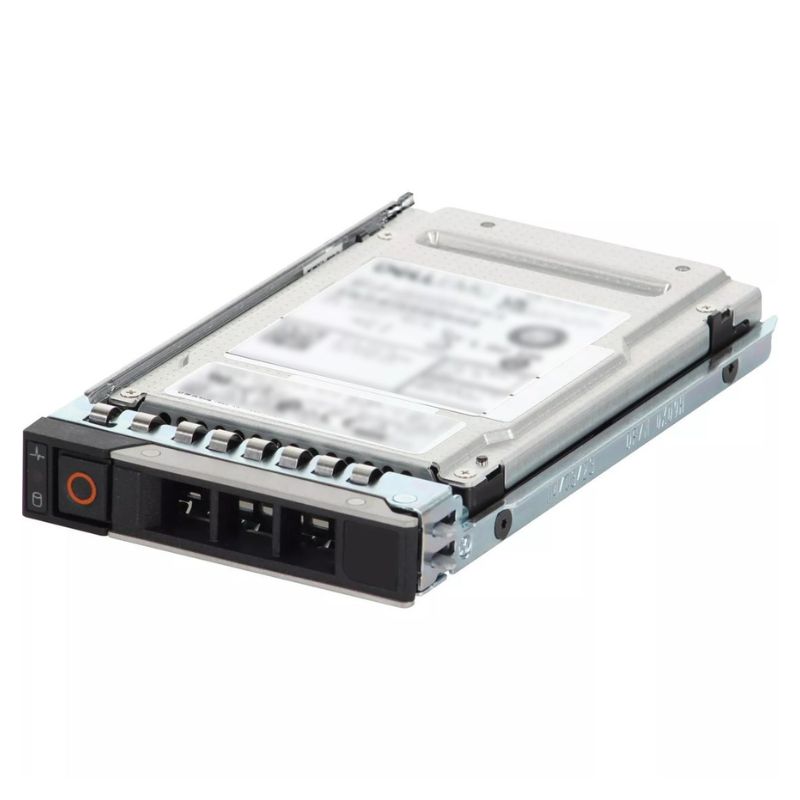


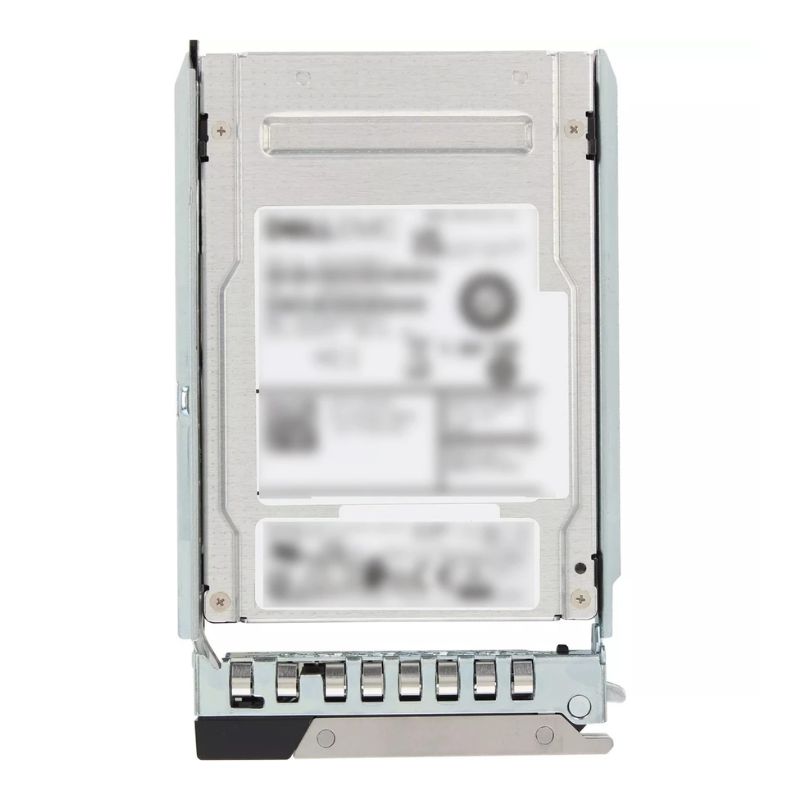
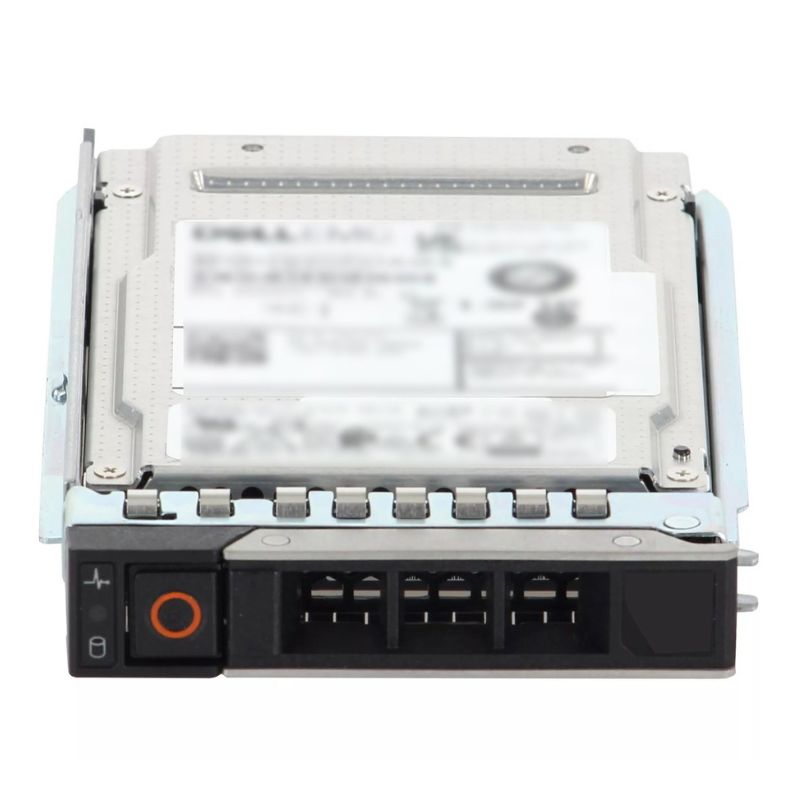
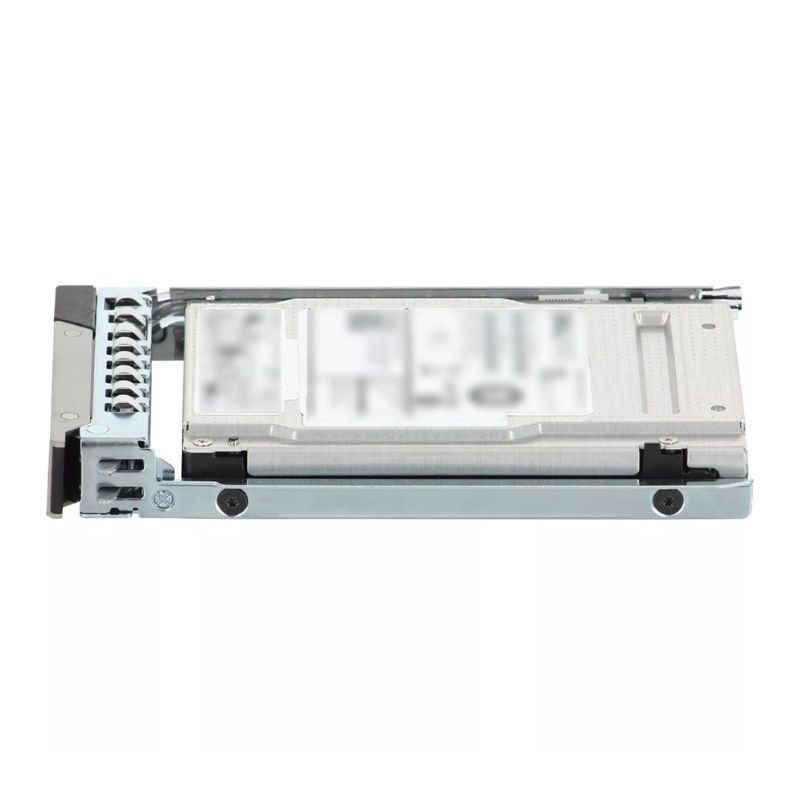
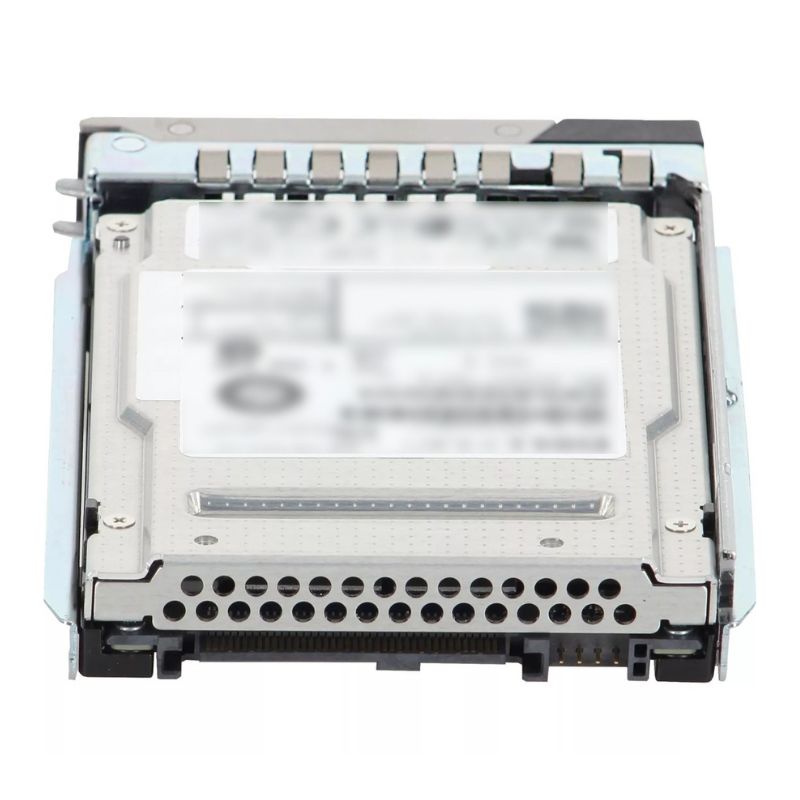
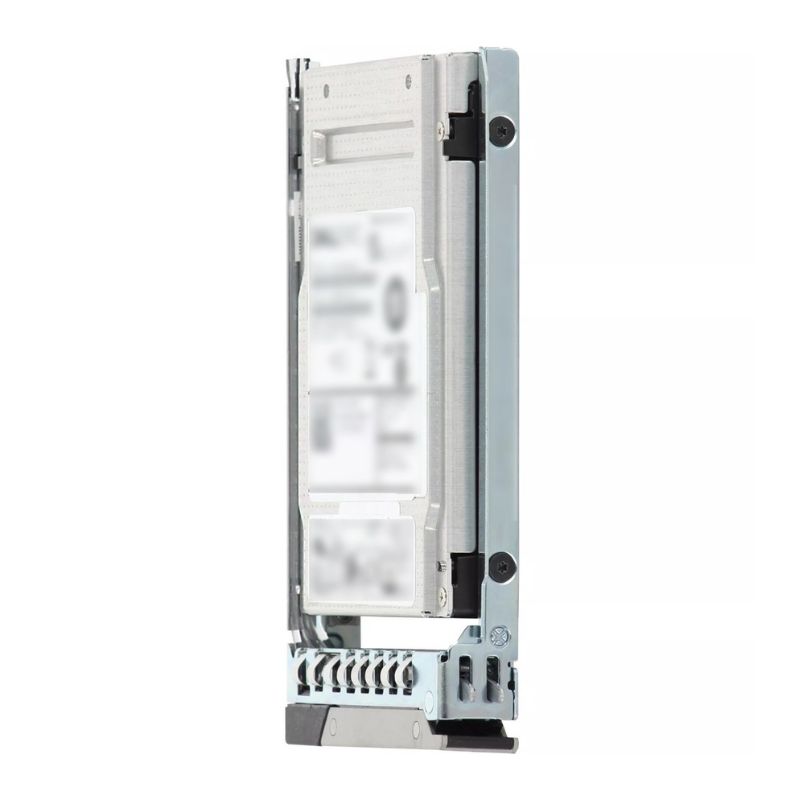
Dell 345-BKGM 15.36TB Read-Intensive SAS 24Gbps 1DWPD 2.5Inch Hot-Plug Solid State Drive for Server. New Sealed in Box (NIB) with 1 year Warranty
High-capacity, enterprise-grade solid-state drive engineered for read-heavy workloads. The Dell 345-BKGM is a 2.5-inch, 15.36 TB SAS SSD (24 Gb/s) with hot-plug capability and read-optimized endurance — ideal for database, caching and content-delivery applications.
Designed to accelerate read-centric operations, delivering excellent throughput and low latency for high-performance workloads such as analytics, indexing, and web caching.
Compatible with a broad range of Dell PowerEdge rack, tower and blade systems:
Serial Attached SCSI (SAS) solid-state drives represent the pinnacle of enterprise storage technology, designed specifically for mission-critical applications requiring exceptional reliability, performance, and endurance. The Dell 345-BKGM embodies this technological excellence, leveraging the latest SAS 24Gbps interface to deliver unprecedented data transfer speeds while maintaining backward compatibility with previous 12Gbps and 6Gbps SAS infrastructures. Enterprise SAS SSDs distinguish themselves from consumer-grade storage through enhanced error correction, power-loss protection, advanced wear leveling, and comprehensive monitoring capabilities that ensure data integrity and availability in demanding server environments.
The transition from 12Gbps to 24Gbps SAS represents a quantum leap in storage interface technology, effectively doubling the available bandwidth between storage controllers and drives. This advancement is particularly crucial in high-density server configurations where multiple drives operate simultaneously, preventing interface bottlenecks from limiting overall system performance. The Dell 345-BKGM's 24Gbps SAS interface ensures that the drive's exceptional internal NAND performance can be fully utilized, maximizing return on investment for enterprise storage infrastructure.
While engineered for 24Gbps performance, the Dell 345-BKGM maintains full backward compatibility with existing 12Gbps SAS infrastructure, allowing organizations to upgrade storage performance without requiring complete system overhaul. When deployed in 12Gbps environments, the drive automatically negotiates to the lower speed while still delivering exceptional performance characteristics. This compatibility ensures seamless integration into heterogeneous storage environments commonly found in enterprise data centers undergoing phased technology refresh cycles.
The 15.36TB capacity point represents an optimal balance between storage density, performance characteristics, and cost-effectiveness for read-intensive applications. This substantial capacity enables organizations to consolidate workloads onto fewer drives, reducing power consumption, cooling requirements, and physical space utilization within server enclosures. The 2.5-inch hot-plug form factor ensures compatibility with industry-standard server platforms while facilitating easy maintenance and replacement procedures without requiring system downtime.
The 2.5-inch form factor has become the enterprise storage standard due to its optimal balance of physical dimensions, storage density, and thermal characteristics. This compact design enables high storage density in constrained server environments while maintaining adequate surface area for effective heat dissipation. The hot-plug capability ensures that drives can be added, removed, or replaced while the system remains operational, a critical feature for maintaining service level agreements in 24/7 operational environments.
The Dell 345-BKGM delivers exceptional performance metrics tailored specifically for read-intensive applications, with sustained read operations significantly outpacing write capabilities. This performance profile aligns perfectly with workloads such as database query processing, content delivery networks, virtual desktop infrastructure, and analytical processing where read operations typically dominate the I/O pattern. The drive's advanced controller architecture ensures consistent low-latency performance even under sustained heavy workloads, maintaining quality of service for critical applications.
The 1 Drive Write Per Day (DWPD) endurance rating indicates that over its 5-year warranty period, the Dell 345-BKGM can withstand having its entire 15.36TB capacity written to once every day. This translates to approximately 28 petabytes of total bytes written (TBW) throughout the drive's operational lifespan. While classified as a read-intensive drive, this endurance level comfortably exceeds requirements for most read-dominated workloads while providing sufficient write capability for necessary operational functions like logging, temporary files, and database updates.
Modern database systems, including SQL Server, Oracle Database, MySQL, and PostgreSQL, benefit significantly from the Dell 345-BKGM's performance profile. The drive's exceptional read performance accelerates query processing, reporting operations, and business intelligence workloads where data retrieval speed directly impacts application responsiveness. The consistent low latency ensures predictable transaction processing times, while the substantial capacity reduces the need for complex data partitioning across multiple storage devices.
For Online Transaction Processing (OLTP) systems characterized by frequent small read and write operations, the Dell 345-BKGM provides the low-latency performance necessary for maintaining responsive user experiences. In Online Analytical Processing (OLAP) environments, where large sequential read operations dominate during complex queries and reporting functions, the drive's high sustained read throughput dramatically reduces processing times. The 1DWPD endurance rating provides ample write capability for transaction logs and temporary workspace requirements in both scenarios.
In virtualized environments, storage performance directly impacts virtual machine density and responsiveness. The Dell 345-BKGM excels in hypervisor boot volumes, virtual machine templates, and read-intensive guest operating system storage. For cloud infrastructure implementations, these drives optimally serve as primary storage for application instances where read operations significantly outnumber writes, such as web servers, application servers, and content management systems.
Virtual Desktop Infrastructure (VDI) represents one of the most demanding read-intensive workloads, particularly during boot storms when hundreds or thousands of virtual desktops start simultaneously. The Dell 345-BKGM's high random read performance and substantial capacity make it ideal for storing golden images, application virtualization repositories, and user operating system volumes. The 1DWPD endurance adequately handles profile updates, application patches, and user data writes while delivering exceptional read performance for the dominant boot and application launch operations.
Media streaming platforms, content delivery networks, and digital asset management systems generate predominantly sequential read patterns as users access stored content. The Dell 345-BKGM's high sustained read throughput ensures smooth content delivery even during peak demand periods. The 15.36TB capacity enables substantial content libraries to be maintained on individual drives, reducing the complexity of content distribution across multiple storage nodes.
The Dell 345-BKGM incorporates comprehensive data protection features including power-loss protection, end-to-end data path protection, and advanced error correction codes. These mechanisms ensure data integrity throughout the entire I/O path from host interface to NAND media and back. The drive's power-loss protection circuitry includes capacitors that provide sufficient emergency power to complete in-progress writes and flush volatile cache contents to non-volatile media during unexpected power interruptions.
Unlike consumer SSDs that may sacrifice data protection for cost considerations, the Dell 345-BKGM implements enterprise-grade protection mechanisms that include redundant data paths, sophisticated background media scanning, and proactive error recovery. These features prevent silent data corruption and ensure business-critical information remains intact throughout the drive's operational lifespan, making it suitable for applications where data integrity is non-negotiable.
While NVMe technology delivers higher theoretical performance through the PCIe interface, SAS remains highly relevant in enterprise environments due to its mature ecosystem, robust management capabilities, and proven reliability. The Dell 345-BKGM's 24Gbps SAS interface narrows the performance gap with entry-level NVMe solutions while maintaining the infrastructure compatibility and management features that enterprise operations require. For many read-intensive workloads, the performance delivered by 24Gbps SAS represents the point of diminishing returns, where additional performance gains would not translate to meaningful application improvements.
The choice between SAS and NVMe should be driven by specific workload requirements rather than theoretical performance metrics. For predominantly sequential read operations and large-block transfers, the Dell 345-BKGM delivers performance that saturates network interfaces and application requirements in most scenarios. NVMe may be preferable for exceptionally latency-sensitive applications or those requiring extreme random I/O performance, though often at a premium cost and with potential infrastructure upgrade requirements.
Enterprise SSDs are typically categorized by their endurance characteristics, with read-intensive, mixed-use, and write-intensive designs optimized for different workload patterns. The Dell 345-BKGM's read-optimized design provides the most cost-effective solution for applications where write operations constitute less than 35% of total I/O activity. Mixed-use drives with higher endurance ratings (typically 3-5 DWPD) command premium pricing for capabilities that would remain underutilized in read-dominated environments, while write-intensive drives (10+ DWPD) represent specialized solutions for exceptionally write-heavy applications.


 Contact Us
 Information
 Catalog
 Solid State Drives (SSD)
 Network Switches
 Hard Disk Drives
 HBA & Controllers
 PC & Servers
 PC & Server Memory
 CPU & Processors
 Network Routers
 Power Supplies
 Tape Drives & Libraries
 Network Devices
 Computer & Network Cables