(7% discount is applied at checkout)
Cart is empty
Your go-to destination for cutting-edge server products


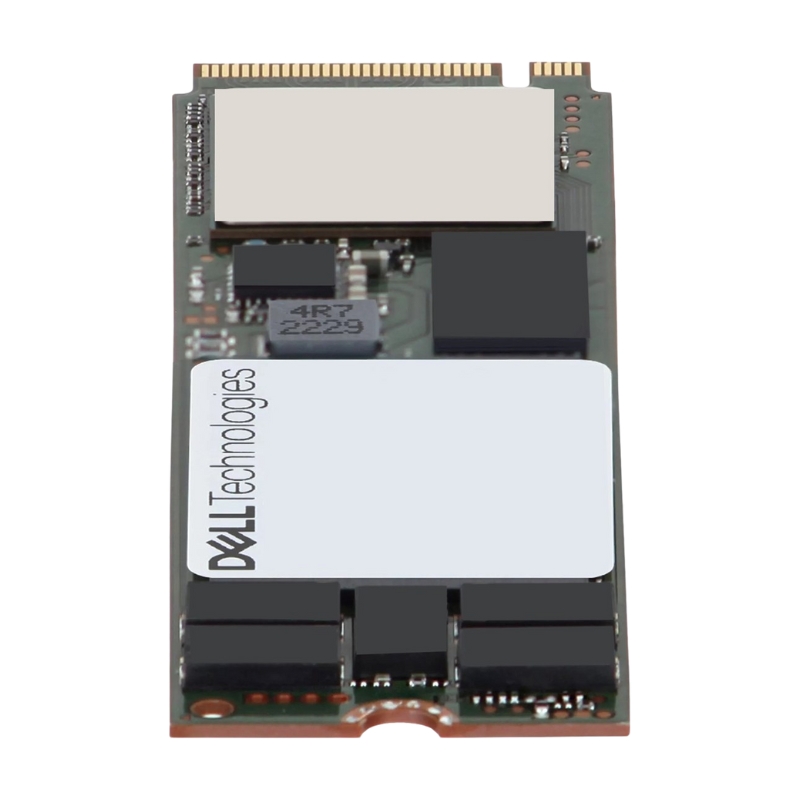
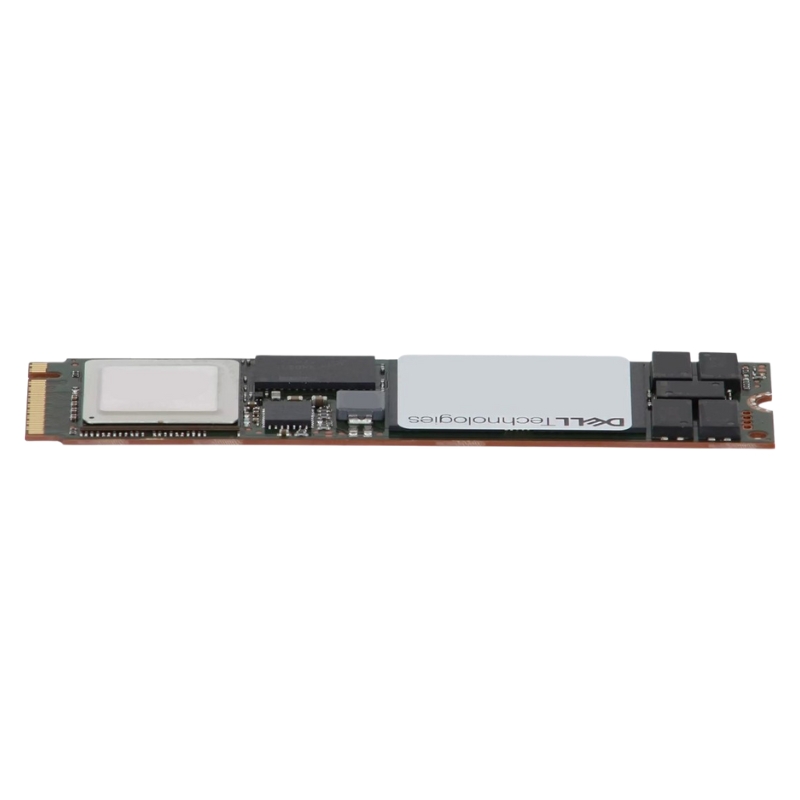
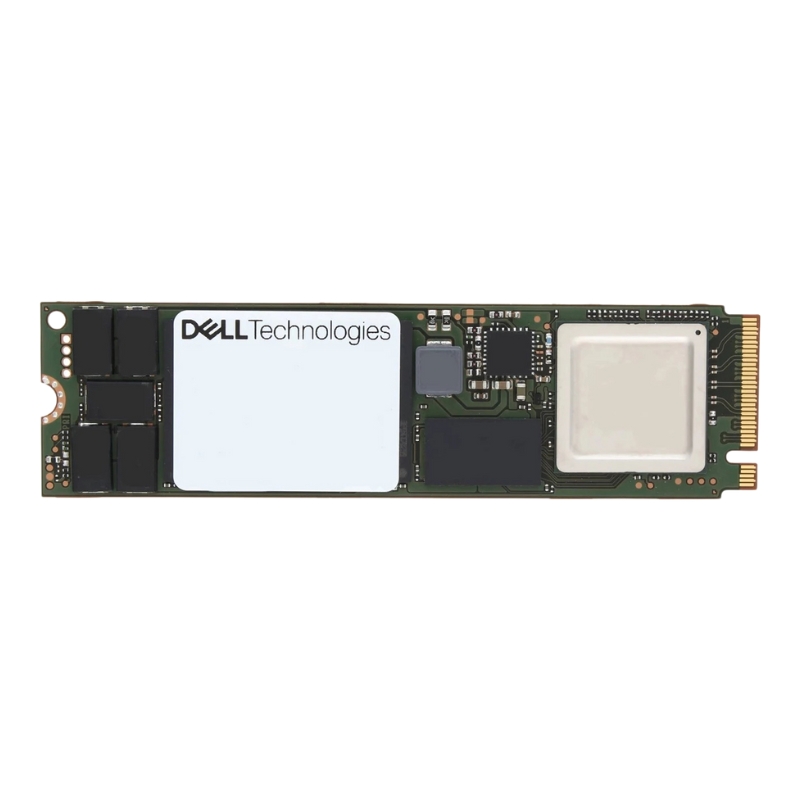
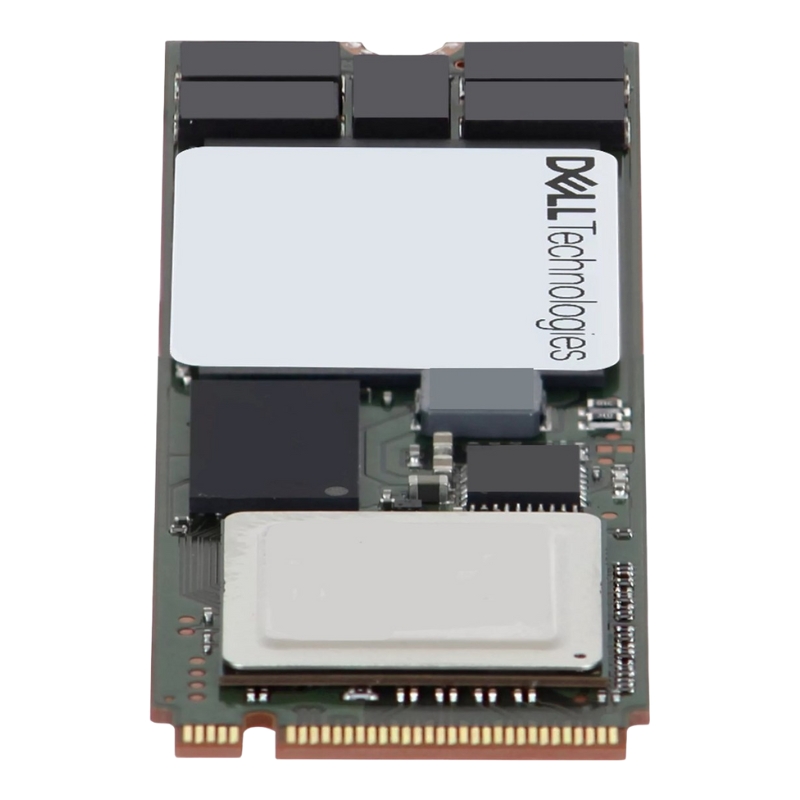
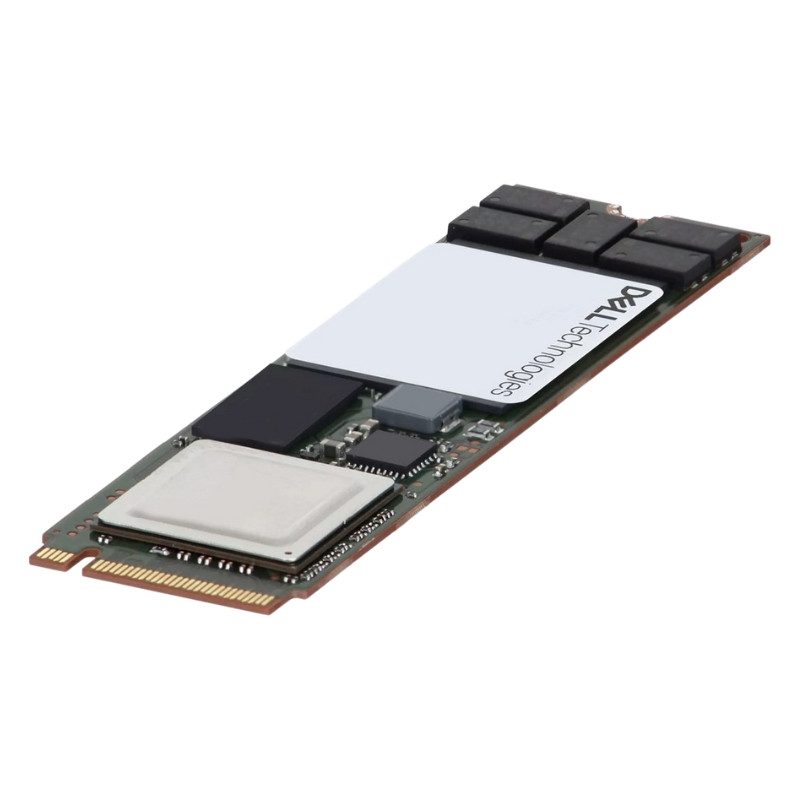
Dell 345-BKPD 480GB PCI-E Gen4 M.2 2280 NVMe Read Intensive Solid State Drive for Server. Excellent Refurbished with 1-Year Replacement Warranty
The Dell 345-BKPD 480GB PCIe Gen4 M.2 2280 NVMe Read Intensive SSD is designed for servers that require fast, efficient, and reliable data access. This high-performance solid-state drive enhances overall system responsiveness, providing exceptional speed for read-intensive workloads.
The Dell 345-BKPD represents a significant advancement in enterprise storage technology, specifically engineered to meet the demanding requirements of modern server environments. This 480GB PCI-E Gen4 NVMe solid-state drive delivers exceptional performance for read-intensive applications while maintaining enterprise-grade reliability and endurance. Designed with Dell's rigorous quality standards, this M.2 2280 form factor drive provides organizations with a powerful storage solution that balances performance, capacity, and total cost of ownership.
The 480GB capacity of the Dell 345-BKPD is strategically positioned to serve as an optimal boot drive, caching solution, or primary storage for operating systems and frequently accessed applications in server environments. The M.2 2280 form factor (22mm wide, 80mm long) ensures broad compatibility with modern server platforms while maximizing storage density in space-constrained environments.
Leveraging the PCI Express 4.0 interface with NVMe 1.4 protocol support, this drive delivers significantly higher bandwidth compared to previous generation solutions. The Gen4 interface provides up to double the per-lane bandwidth of PCIe 3.0, enabling unprecedented transfer speeds that eliminate storage bottlenecks in performance-sensitive server applications.
The NVMe protocol is specifically designed for non-volatile memory technologies, reducing protocol overhead and enabling dramatically higher IOPS compared to legacy SAS and SATA interfaces. With support for deep queues and simultaneous operations, the 345-BKPD efficiently handles the concurrent I/O requests typical in multi-user server environments.
As a read-intensive drive, the Dell 345-BKPD is engineered to excel in environments where read operations dominate the workload profile. This includes applications such as web servers, content delivery networks, database query operations, virtual desktop infrastructure, and operating system boot drives. The drive's architecture prioritizes read performance while maintaining sufficient write capability for typical operational requirements.
The drive delivers exceptional sustained read performance, with sequential read speeds that maximize data throughput for large file operations and random read performance that accelerates access to numerous small files simultaneously. This consistent performance profile ensures predictable application behavior under varying load conditions.
While optimized for read-intensive scenarios, the 345-BKPD provides balanced write performance suitable for typical server operating patterns. The drive incorporates advanced wear-leveling algorithms and over-provisioning to maintain performance consistency throughout the drive's operational life, even as the NAND flash cells undergo program/erase cycles.
The drive's endurance is quantified by its Terabytes Written (TBW) rating, which specifies the total amount of data that can be written to the drive over its lifetime. For read-intensive applications, this rating aligns with typical workload patterns while ensuring reliable operation throughout the warranty period and beyond.
Enterprise environments demand protection against data corruption during unexpected power events. The Dell 345-BKPD incorporates robust power loss protection circuits that ensure data in transit is safely written to non-volatile memory in the event of power interruption. This critical feature prevents data loss and maintains filesystem integrity, making the drive suitable for mission-critical applications.
Incorporating sophisticated error correction code (ECC) technologies, the drive can detect and correct multi-bit errors that may occur during normal operation. This advanced error handling maintains data integrity and prevents corruption, even as NAND flash cells naturally degrade over time and with usage.
The implementation of end-to-end data protection ensures that data integrity is maintained throughout the entire data path—from the host interface through the controller to the NAND flash memory and back. This comprehensive approach eliminates silent data corruption, a critical requirement for enterprise storage solutions.
Enterprise workloads can generate significant heat, potentially impacting performance and reliability. The Dell 345-BKPD features advanced thermal monitoring and throttling mechanisms that maintain optimal operating temperatures without compromising data integrity. The drive dynamically adjusts performance characteristics to prevent overheating while minimizing impact on application performance.
The 345-BKPD is extensively validated for use in Dell PowerEdge servers, ensuring seamless integration and optimal performance across the product portfolio. This compatibility extends to Dell's management ecosystem, including iDRAC and OpenManage, providing comprehensive monitoring and management capabilities.
Dell-specific firmware enhancements ensure deep integration with server platforms, enabling features such as predictive failure analysis, health monitoring, and streamlined firmware updates through standard Dell update processes. This integration simplifies maintenance and enhances operational reliability.
While optimized for single-server deployment, the drive's characteristics make it suitable for various server configurations, including hyper-converged infrastructure, storage servers, and application-specific servers. The consistent performance profile ensures predictable operation across diverse deployment scenarios.
The 480GB capacity provides an ideal balance for server operating system installations, offering ample space for the OS, drivers, and essential applications while delivering the fast boot times and responsive system operation that NVMe technology enables. The read-intensive nature aligns perfectly with typical OS workload patterns.
In database environments, the 345-BKPD excels at handling read-intensive operations such as query processing, reporting, and analytics. The low latency and high IOPS capabilities significantly reduce query response times, improving application performance and user experience.
For larger database deployments, the drive can serve as dedicated storage for database indices or transaction logs, where read performance directly impacts overall database throughput. The consistent low latency ensures predictable performance during peak load periods.
In virtualized environments, the drive accelerates virtual machine operation, particularly for read-intensive workloads such as virtual desktop infrastructure (VDI). The ability to handle numerous simultaneous read requests improves virtual machine density and user experience while maintaining responsive operation.
As storage for hypervisor installations, the 345-BKPD provides fast boot times and responsive management operations. The reliability features ensure stable operation of the virtualization foundation, supporting the critical workloads running on top of the hypervisor.
Web servers and application servers typically exhibit strongly read-biased workload patterns, serving static content, application code, and configuration files. The drive's performance characteristics align perfectly with these requirements, reducing page load times and improving application responsiveness.
The Dell 345-BKPD utilizes high-quality 3D NAND flash memory, providing the optimal balance of performance, endurance, and cost-effectiveness for read-intensive enterprise applications. The multi-layer cell structure delivers sufficient write endurance while maximizing read performance and capacity efficiency.
At the heart of the drive lies a sophisticated controller specifically tuned for read-intensive workloads. This controller manages all aspects of drive operation, including wear leveling, bad block management, error correction, and interface communication, ensuring optimal performance and reliability throughout the drive's operational life.
The inclusion of DRAM cache significantly improves performance by buffering frequently accessed data and managing the flash translation layer efficiently. This cache reduces access latency and improves both sequential and random read performance, particularly important for server workloads with mixed access patterns.
Compared to traditional SATA and SAS solid-state drives, the PCIe Gen4 NVMe interface provides substantially higher bandwidth and lower latency. This performance advantage translates directly to improved application performance, particularly in I/O-intensive server workloads where storage often represents the primary bottleneck.
Within the read-intensive SSD category, the Dell 345-BKPD distinguishes itself through Dell's engineering validation, comprehensive management integration, and enterprise-focused reliability features. These differentiators make it particularly suitable for organizations standardized on Dell infrastructure or those requiring maximum operational reliability.
The drive's value proposition centers on delivering enterprise-grade performance and reliability at a total cost of ownership optimized for read-intensive applications. This balance makes it an economically attractive solution for organizations seeking to maximize performance within budget constraints.


 Contact Us
 Information
 Catalog
 Solid State Drives (SSD)
 Network Switches
 Hard Disk Drives
 HBA & Controllers
 PC & Servers
 PC & Server Memory
 CPU & Processors
 Network Routers
 Power Supplies
 Tape Drives & Libraries
 Network Devices
 Computer & Network Cables