(7% discount is applied at checkout)
Cart is empty
Your go-to destination for cutting-edge server products
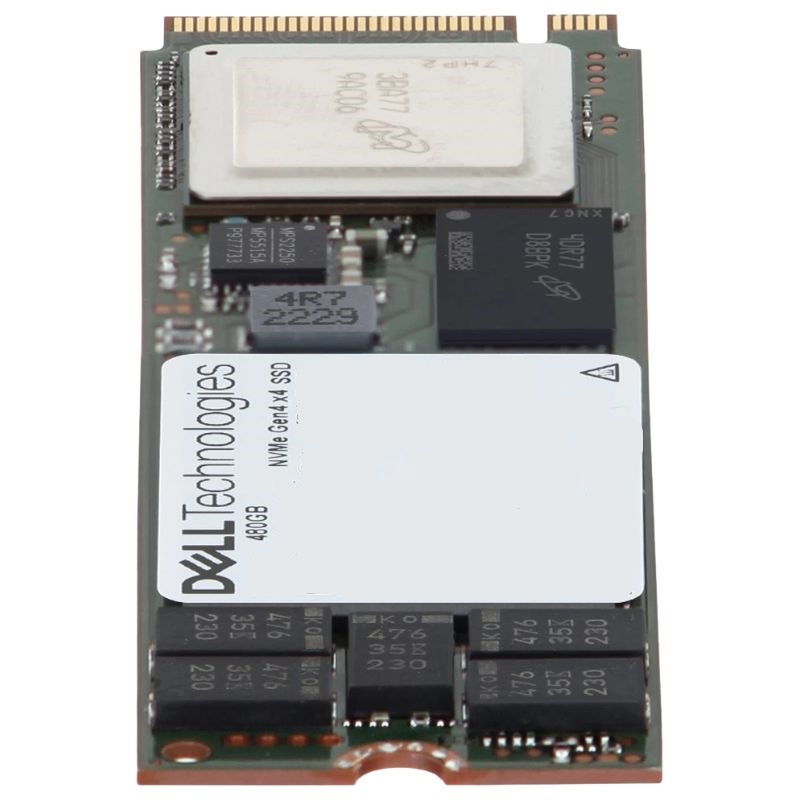


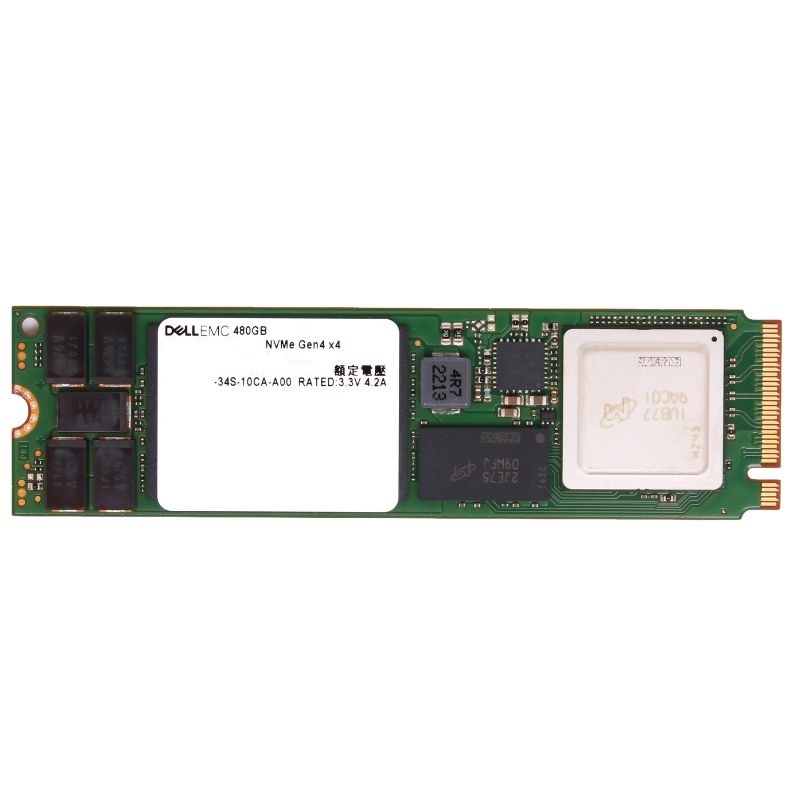
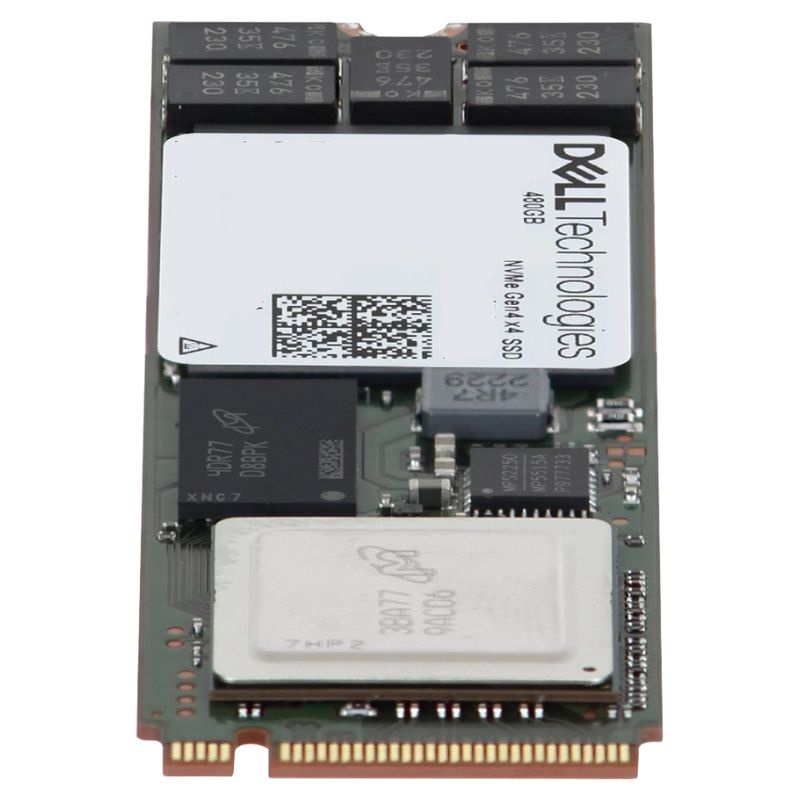
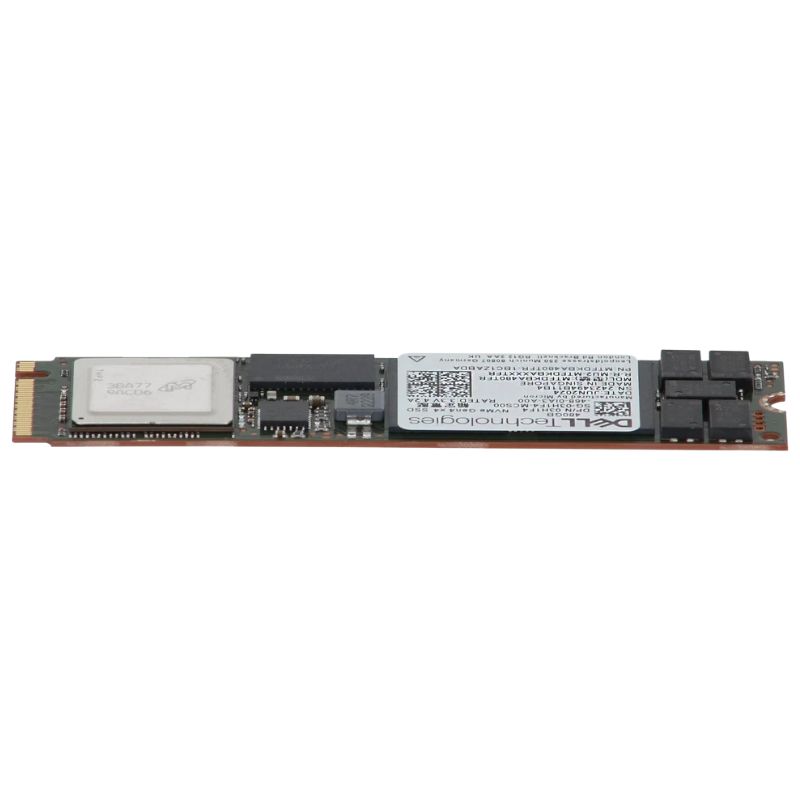
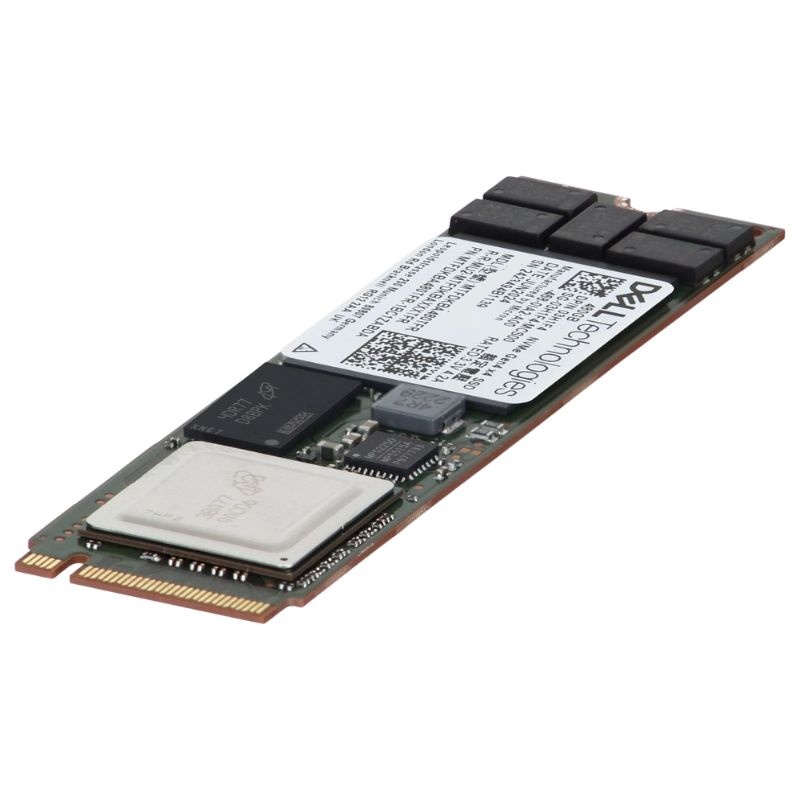
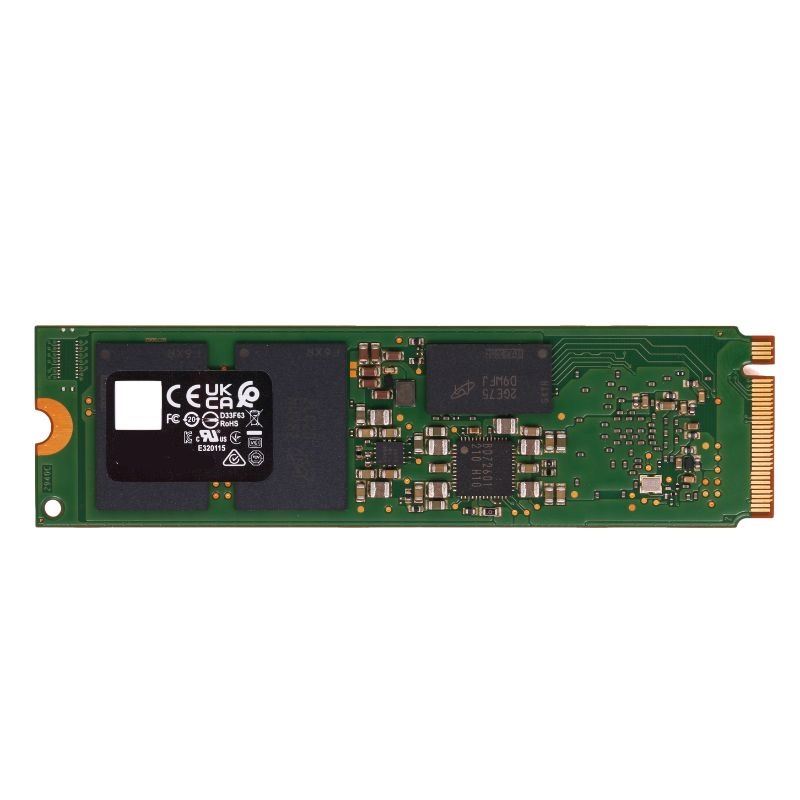
Dell 345-BKSS 480GB SED M.2 (2280) PCIE 4.0 X4 (NVME) Read Intensive TLC Enterprise Class SSD. Excellent Refurbished with 1-Year Replacement Warranty
The Dell 345-BKSS 480GB Self-Encrypting Drive (SED) M.2 (2280) PCIe 4.0 x4 NVMe SSD is engineered for enterprise-grade workloads. Designed with read-intensive 176-layer 3D TLC NAND, it delivers secure, reliable, and high-speed storage performance for professional environments.
The Dell 345-BKSS 480GB SED M.2 (2280) PCIe 4.0 x4 NVMe Read Intensive TLC Enterprise Class SSD represents a critical segment within the enterprise solid state storage category. This category is designed to address the performance, reliability, security, and endurance demands of modern data centers, cloud infrastructures, virtualization platforms, and enterprise-grade servers. Enterprise NVMe SSDs are engineered to outperform traditional SATA and SAS drives by leveraging the PCI Express interface and NVMe protocol, enabling significantly lower latency, higher throughput, and improved scalability across mission-critical workloads.
Within this category, M.2 2280 NVMe drives have become increasingly relevant due to their compact form factor, power efficiency, and ability to deliver high performance in dense server environments. The Dell 345-BKSS SSD aligns with enterprise storage standards by offering consistent quality of service, predictable latency, and advanced data protection features required for business-critical operations. As organizations continue to migrate toward software-defined storage, hyper-converged infrastructure, and real-time analytics, enterprise NVMe SSDs form the foundation of reliable and high-speed data access.
The read intensive enterprise SSD subcategory is specifically optimized for workloads where data is read far more frequently than it is written. This classification is essential in enterprise environments where applications rely on rapid data retrieval, low access latency, and sustained read performance. Examples of such workloads include virtual desktop infrastructure, content delivery systems, data warehousing queries, boot drives for servers, and frequently accessed databases with relatively low write cycles.
Read intensive SSDs like the Dell 345-BKSS are engineered using advanced TLC NAND flash technology combined with enterprise-grade controllers and firmware. This design ensures cost efficiency while maintaining durability levels appropriate for read-heavy operations. By focusing on read optimization, this category delivers excellent performance-per-dollar ratios, making it an ideal choice for organizations seeking high-speed storage without the overhead of write-intensive endurance requirements.
Triple-Level Cell NAND technology plays a crucial role in the read intensive enterprise SSD category. TLC NAND allows higher storage density by storing three bits of data per cell, enabling manufacturers to deliver greater capacities in smaller physical footprints. In enterprise-class implementations, TLC NAND is enhanced with sophisticated wear-leveling algorithms, error correction mechanisms, and over-provisioning strategies to ensure reliability and longevity.
For read intensive applications, TLC NAND provides an optimal balance between performance, endurance, and cost. The Dell 345-BKSS SSD leverages enterprise-validated TLC flash to deliver consistent read throughput while maintaining data integrity under continuous operation. This approach supports large-scale deployments where predictable behavior and operational stability are essential.
The PCIe 4.0 x4 interface defines a major advancement in enterprise storage connectivity, doubling the bandwidth available compared to PCIe 3.0. This increased bandwidth allows NVMe SSDs to achieve substantially higher sequential and random read speeds, making them ideal for data-intensive workloads. The Dell 345-BKSS SSD operates within this high-performance interface category, ensuring compatibility with modern server architectures designed to maximize throughput and minimize latency.
NVMe, or Non-Volatile Memory Express, is a protocol specifically designed for solid state storage. Unlike legacy storage protocols, NVMe reduces command overhead and supports massive parallelism, enabling thousands of simultaneous queues and commands. This architectural efficiency allows enterprise SSDs to scale performance as workloads grow, making PCIe 4.0 NVMe drives a cornerstone of next-generation data center infrastructure.
One of the defining characteristics of the NVMe storage category is its ability to drastically reduce latency compared to traditional interfaces. By communicating directly with the CPU over the PCIe bus, NVMe SSDs eliminate bottlenecks associated with older storage controllers. The Dell 345-BKSS benefits from this architecture by delivering fast response times, which is critical for applications that rely on rapid data access and low-latency transactions.
Parallelism is another key advantage of NVMe-based enterprise SSDs. The protocol supports multiple submission and completion queues, allowing storage operations to be processed concurrently. This capability enhances overall system efficiency and ensures consistent performance under heavy workloads, making NVMe SSDs well-suited for virtualization and multi-tenant environments.
The M.2 2280 form factor represents a compact and versatile storage solution within the enterprise SSD category. Measuring 22 millimeters in width and 80 millimeters in length, this form factor enables high-density storage configurations without sacrificing performance. The Dell 345-BKSS SSD utilizes the M.2 2280 design to deliver enterprise-grade NVMe performance in a space-efficient package.
In server and enterprise computing environments, M.2 NVMe SSDs are often used as boot drives or cache devices, providing fast access to operating systems and frequently used data. Their small footprint allows system designers to optimize airflow, reduce power consumption, and increase overall system density. This makes the M.2 2280 category particularly valuable in modern data centers where space and energy efficiency are critical considerations.
Enterprise M.2 NVMe SSDs are designed with advanced thermal management features to maintain performance under continuous load. Efficient power usage and optimized heat dissipation are essential for maintaining reliability in dense server configurations. The Dell 345-BKSS SSD aligns with these requirements by operating within enterprise power envelopes while delivering sustained performance.
Power efficiency is especially important in large-scale deployments where cumulative energy consumption can significantly impact operational costs. By leveraging PCIe 4.0 efficiency improvements and optimized firmware, this category of SSDs supports energy-conscious data center strategies without compromising performance.
Self-encrypting drives form a vital subcategory within enterprise storage, addressing the growing need for data security and compliance. The Dell 345-BKSS SSD includes hardware-based encryption capabilities that automatically protect data at rest without impacting performance. This feature is essential for organizations that must adhere to strict regulatory standards and safeguard sensitive information.
SED technology encrypts all data written to the drive in real time using dedicated hardware, ensuring that encryption processes do not burden system resources. In enterprise environments, this approach simplifies data protection strategies by integrating security directly into the storage layer. The SED category supports secure data decommissioning, theft prevention, and compliance with data protection regulations.
Enterprise-class self-encrypting SSDs are designed to meet industry standards for data security, providing peace of mind for organizations handling confidential or regulated data. Hardware-based encryption ensures that data remains inaccessible without proper authentication, even if the drive is removed from its host system. This capability is particularly important for industries such as finance, healthcare, and government sectors.
The Dell 345-BKSS SSD fits seamlessly into enterprise security frameworks, enabling IT teams to implement robust data protection policies without additional software overhead. By integrating encryption at the hardware level, this category enhances overall system security while maintaining high performance.
Enterprise read intensive SSDs are engineered to deliver exceptional performance in scenarios where read operations dominate. The Dell 345-BKSS SSD is optimized to provide fast access to frequently used data, ensuring smooth operation for applications that depend on quick retrieval times. This optimization is achieved through firmware tuning, NAND management techniques, and controller-level enhancements.
Typical read intensive workloads include database queries, web hosting platforms, virtualization boot volumes, and content streaming services. In these environments, consistent read performance and low latency are more critical than write endurance. This category of SSDs addresses these needs by focusing resources on read efficiency and reliability.
Performance consistency is a defining attribute of enterprise SSDs. Unlike consumer-grade drives, enterprise-class read intensive SSDs are designed to maintain predictable latency and throughput under sustained workloads. The Dell 345-BKSS SSD adheres to these standards by delivering stable performance even during peak usage periods.
Quality of service metrics are essential in multi-application environments where storage performance impacts overall system responsiveness. By minimizing performance variability, enterprise NVMe SSDs ensure reliable operation for critical business processes and service-level agreements.
Reliability is a cornerstone of the enterprise SSD category. Drives like the Dell 345-BKSS are built to operate continuously in demanding environments, with components and firmware validated for long-term stability. Enterprise SSDs undergo rigorous testing to ensure resilience against power interruptions, temperature fluctuations, and sustained workloads.
Endurance ratings for read intensive SSDs are tailored to their intended use cases, providing sufficient write capacity for read-heavy applications while optimizing cost efficiency. Advanced wear-leveling and error correction technologies extend the usable life of the drive, ensuring consistent performance throughout its deployment.
Maintaining data integrity is critical in enterprise storage systems. Enterprise SSDs incorporate robust error detection and correction mechanisms to protect against data corruption. The Dell 345-BKSS SSD leverages these technologies to ensure accurate data storage and retrieval, even under heavy operational stress.
Error management features work in conjunction with enterprise controllers to monitor drive health, predict potential failures, and support proactive maintenance strategies. This level of reliability is essential for minimizing downtime and maintaining business continuity.
The Dell 345-BKSS SSD is designed to integrate seamlessly with Dell enterprise servers and storage platforms. This compatibility ensures optimal performance, simplified deployment, and consistent management across Dell infrastructure environments. Enterprise SSD categories often emphasize vendor qualification to guarantee interoperability and firmware alignment.
Integration within a unified ecosystem allows IT teams to streamline support, monitoring, and lifecycle management. Dell-certified enterprise SSDs are validated to meet strict quality and performance standards, ensuring dependable operation within enterprise data centers.
Enterprise NVMe SSD categories are designed with scalability in mind, supporting the evolving demands of modern IT infrastructures. The Dell 345-BKSS SSD aligns with future-ready storage architectures by offering PCIe 4.0 connectivity, NVMe protocol efficiency, and enterprise-grade security features. These attributes enable organizations to scale performance and capacity as workloads grow.
As data volumes continue to expand and application requirements become more demanding, enterprise read intensive SSDs provide a reliable foundation for scalable storage solutions. Their ability to deliver high performance in compact form factors makes them a key component of next-generation data center designs.
Virtualization and cloud computing environments place unique demands on storage systems, requiring low latency, high throughput, and consistent performance. Enterprise NVMe SSDs like the Dell 345-BKSS are well-suited to these environments, supporting rapid provisioning and efficient resource utilization.
By enabling fast access to virtual machine images and application data, this category of SSDs enhances overall system responsiveness and user experience. Their scalability and reliability make them an essential element of cloud-ready enterprise infrastructures.
The Dell 345-BKSS 480GB SED M.2 PCIe 4.0 NVMe SSD fits within a broad range of enterprise storage use cases. Its read intensive optimization, enterprise security features, and high-speed interface make it suitable for applications that demand rapid data access and dependable operation. This category addresses the needs of organizations seeking a balance between performance, cost efficiency, and security.
By focusing on read-centric workloads, this enterprise SSD category supports efficient data delivery and system responsiveness across diverse IT environments. Its integration into modern server architectures ensures relevance in both current and future enterprise storage strategies.


 Contact Us
 Information
 Catalog
 Solid State Drives (SSD)
 Network Switches
 Hard Disk Drives
 HBA & Controllers
 PC & Servers
 PC & Server Memory
 CPU & Processors
 Network Routers
 Power Supplies
 Tape Drives & Libraries
 Network Devices
 Computer & Network Cables