(7% discount is applied at checkout)
Cart is empty
Your go-to destination for cutting-edge server products
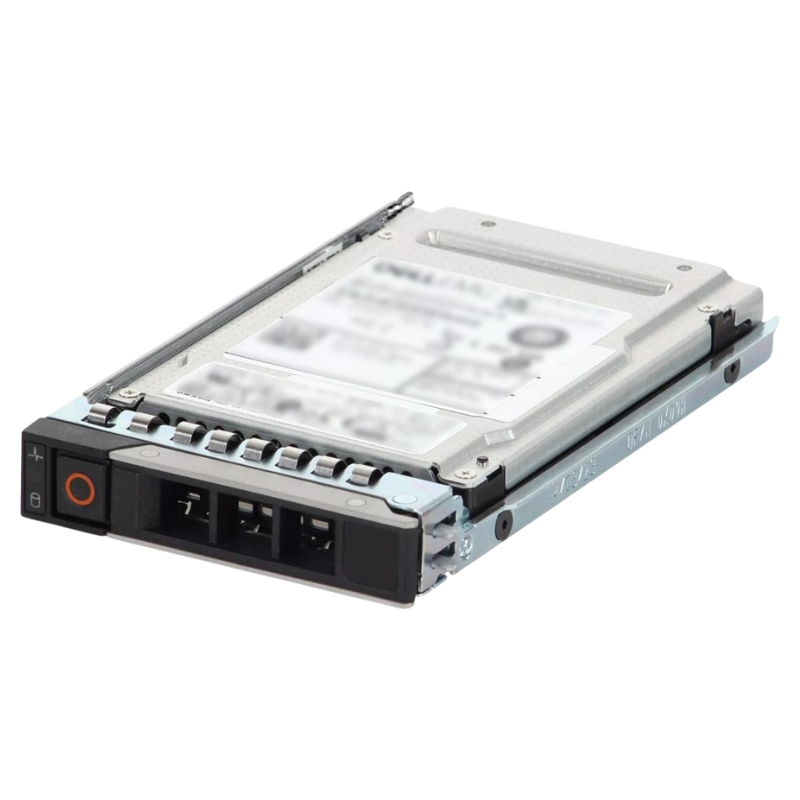


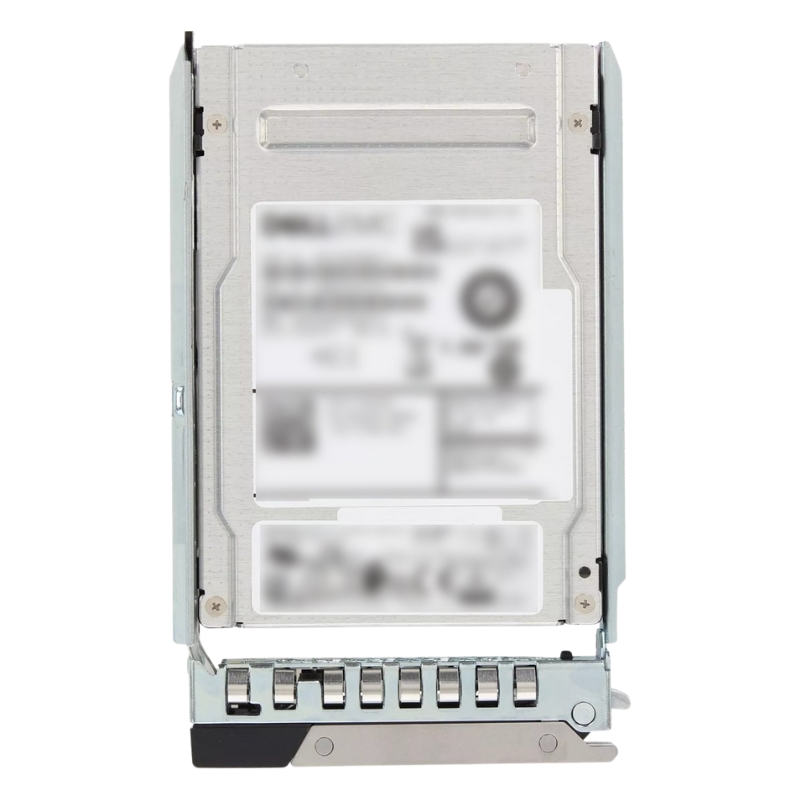
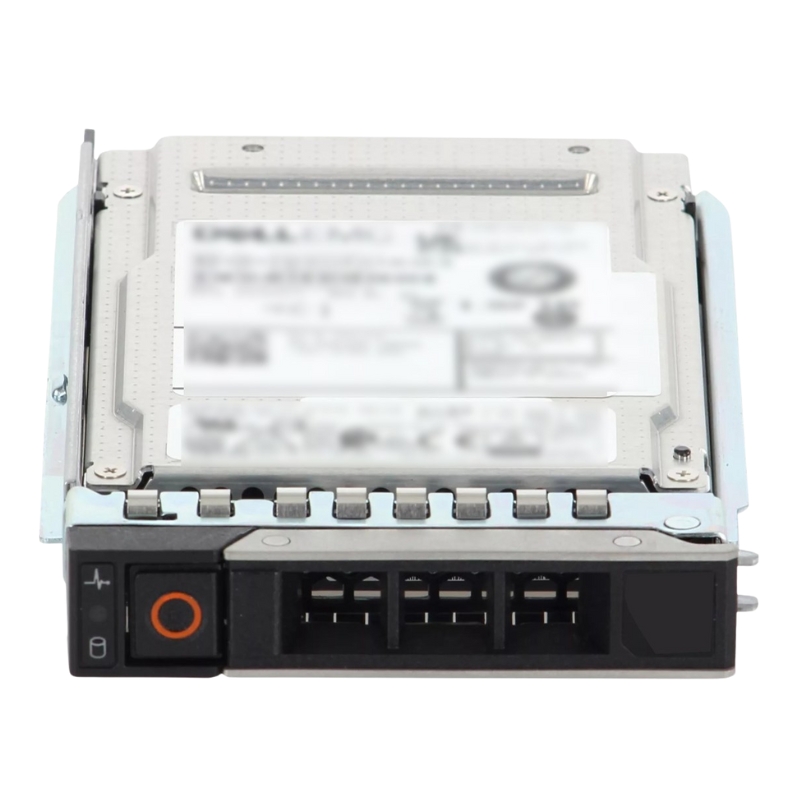
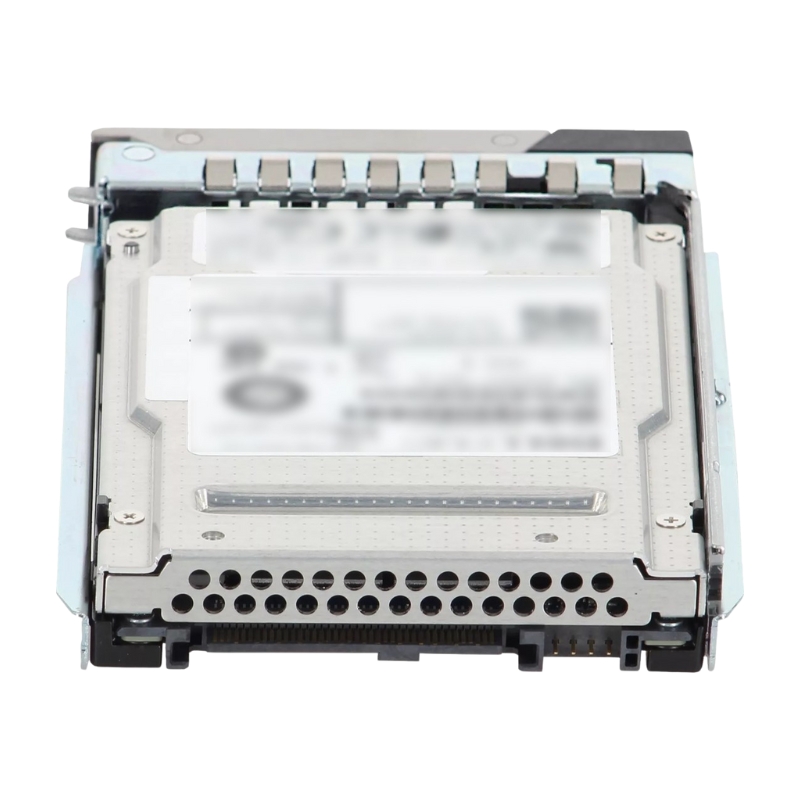
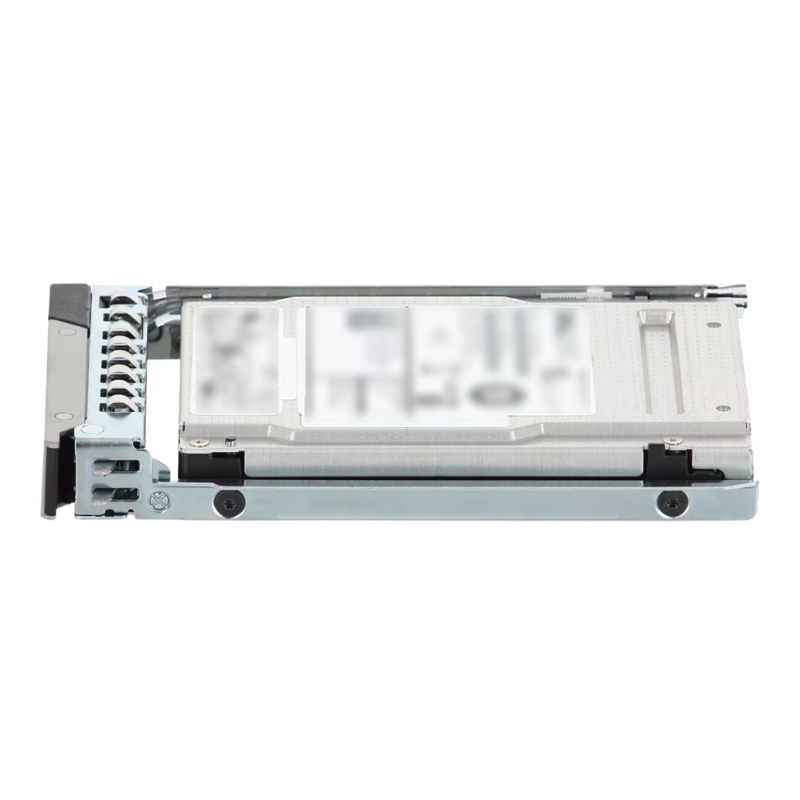
Dell 345-BLDD 15.36TB SAS-24Gbps 1DWPD Read-Intensive 2.5Inch Hot-Plug Solid State Drive for Server. New Sealed in Box (NIB) with 1 year Warranty
The Dell 345-BLDD 15.36TB SAS SSD is a high-capacity, read-optimized storage solution engineered for modern enterprise servers. Designed to deliver outstanding speed, reliability, and endurance, this hot-plug solid state drive is ideal for data centers, virtualized environments, analytics platforms, and mission-critical workloads.
This Dell SAS SSD provides massive storage capacity with optimized endurance, making it suitable for workloads that demand fast read performance and consistent reliability.
The "SAS-24Gbps" designation is the first critical differentiator for this category. Moving beyond the capabilities of SATA or even previous 12Gbps SAS generations, this interface defines a new tier of storage performance.
The 345-BLDD 24Gbps SAS interface effectively doubles the per-lane bandwidth compared to its 12Gbps predecessor. In a dual-port x4 lane configuration—a standard for high-availability enterprise drives—this translates to a staggering theoretical maximum bandwidth of 96 Gbps (or 12 GB/s) per port. This raw throughput is essential for:
Accelerating Data-Intensive Analytics: Minimizing data retrieval latency for in-memory databases and large-scale data warehouses.
Supporting High-Density Virtualization: Allowing hundreds of virtual machines to simultaneously access storage without I/O contention.
Streamlining Large-Scale Backup & Restores: Dramatically shrinking maintenance windows for data protection operations.
SAS is more than just a fast pipe. It incorporates enterprise-specific protocols that SATA lacks, making this drive category suitable for any environment where uptime is non-negotiable.
A hallmark of enterprise SAS SSDs like the 345-BLDD is dual-port capability. This allows the drive to be connected to two separate host controllers simultaneously. In the event of a controller failure, the second path remains active, ensuring continuous data availability—a critical feature for RAID configurations and multi-controller storage arrays.
The SAS protocol employs T10 Protection Information (T10 PI or DIF). This technology adds cyclic redundancy check (CRC) codes to each sector of data, verifying its integrity as it moves from the application, through the HBA/RAID controller, to the drive, and back. This prevents silent data corruption, a paramount concern for financial, healthcare, and scientific datasets.
The extensive SCSI command set enables advanced management, detailed error reporting, and superior queue management (with support for NCQ and command tagging), allowing the drive to intelligently prioritize and manage thousands of simultaneous I/O requests.
The "1DWPD Read-Intensive" specification is a crucial metric that defines the drive's workload personality and optimal use cases. DWPD stands for Drive Writes Per Day.
Over its 5-year warranty period, a 1DWPD-rated drive like the Dell 345-BLDD is engineered to withstand having its entire usable capacity written to, once per day, every day. For a 15.36TB drive, this means an endurance of over 28,000 terabytes written (TBW)—a monumental figure that nonetheless categorizes it as "read-intensive" compared to mixed-use (3-5 DWPD) or write-intensive (10+ DWPD) drives.
This endurance profile is perfectly matched for applications where the data workflow is heavily skewed towards reads, with moderate, predictable write patterns.
In VDI environments (like VMware Horizon or Citrix Virtual Apps), a golden master image is read to boot hundreds of virtual desktops. User profile writes are typically modest. The high capacity and read performance of the 345-BLDD allow for consolidating massive VDI pools onto fewer, faster drives.
For Online Transaction Processing (OLTP) databases, while writes are critical, the majority of I/O is often read-heavy: index lookups, query results, and report generation. The drive's low latency ensures fast transaction times, while its endurance handles daily ETL (Extract, Transform, Load) jobs and transaction logs.
Storing a vast library of video, audio, or software assets for on-demand delivery is a quintessential read-intensive task. The 15.36TB capacity allows for a massive content repository on a single device, while the SAS-24Gbps interface ensures it can serve multiple high-bitrate streams concurrently.
In hyper-converged infrastructure (HCI) or blade server environments, a single 2.5-inch drive bay is precious. Using a high-capacity, read-intensive SSD for the hypervisor and host OS boot volume maximizes bay availability for higher-endurance data drives, while providing extremely fast server reboot times.
The "2.5-inch Hot-Plug" specification ensures seamless integration into the vast ecosystem of contemporary enterprise server and storage hardware.
The 2.5-inch (SFF - Small Form Factor) is the de facto standard for modern rack and blade servers from Dell PowerEdge, HPE ProLiant, Cisco UCS, and others. Its compact size allows for high storage density, with servers often supporting 8, 10, 12, or more drives in a 1U or 2U chassis.
The hot-plug backplane is a cornerstone of enterprise availability. A failed or degraded drive can be identified (via status LEDs), removed, and replaced without powering down the server or the storage array. This enables maintenance and upgrades with zero application downtime, a non-negotiable requirement for 24/7 operations.
Drives of this caliber typically utilize the SFF-8639 connector (also aligning with the U.3 standard). This versatile connector is key to the drive's multi-protocol support, allowing it to negotiate a SAS, SATA, or NVMe connection based on the host backplane it is inserted into, providing exceptional investment protection and flexibility.
Understanding this category requires seeing its place relative to other storage tiers.
SATA SSDs (max 6Gbps) offer compelling value for bulk storage but lack the dual-port redundancy, end-to-end data integrity (T10 PI), and high queue-depth performance of SAS. The 345-BLDD SAS-24Gbps provides superior availability, data protection, and throughput for Tier-1 workloads.
NVMe drives offer significantly higher IOPS and lower latency via the PCIe interface. However, SAS remains dominant in environments where:
Legacy SAS infrastructure is already deployed and performing adequately.
Dual-port active-active failover is a strict requirement (native dual-port NVMe is still emerging).
The extreme performance of NVMe is not justified by the workload, making high-capacity SAS a more cost-effective performance tier.
The Dell 345-BLDD, with its U.3-compatible connector, offers a pathway to future NVMe upgrades without changing the backplane.
Within the SAS SSD category itself, the 1DWPD rating positions this drive for cost-optimization. For workloads with heavier, more random write patterns (e.g., logging, metadata operations), a 3DWPD Mixed-Use SAS SSD would be a more appropriate, albeit more expensive, choice to ensure long-term endurance.


 Contact Us
 Information
 Catalog
 Solid State Drives (SSD)
 Network Switches
 Hard Disk Drives
 HBA & Controllers
 PC & Servers
 PC & Server Memory
 CPU & Processors
 Network Routers
 Power Supplies
 Tape Drives & Libraries
 Network Devices
 Computer & Network Cables