(7% discount is applied at checkout)
Cart is empty
Your go-to destination for cutting-edge server products
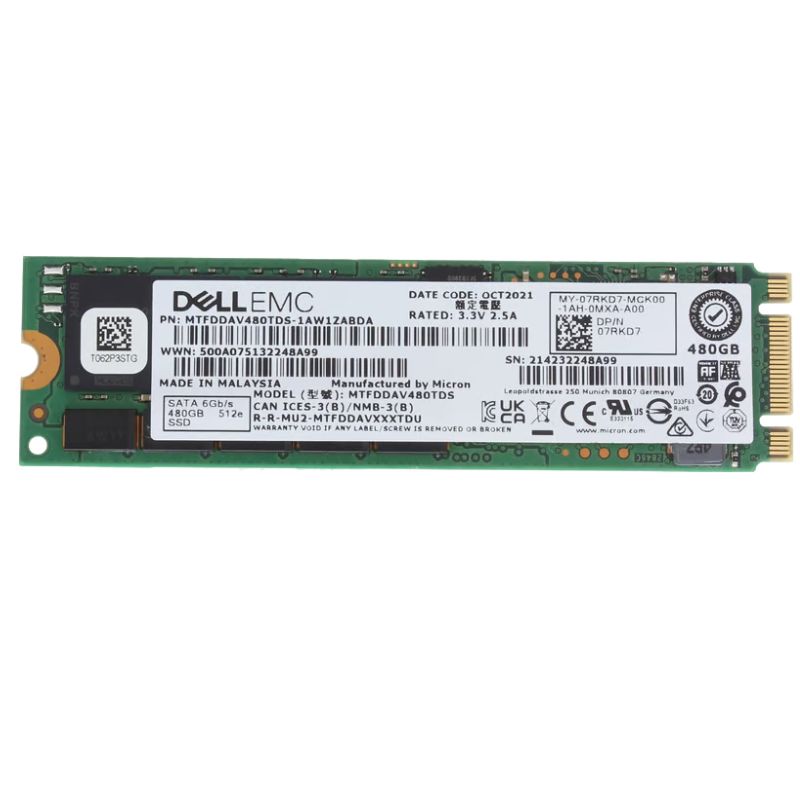


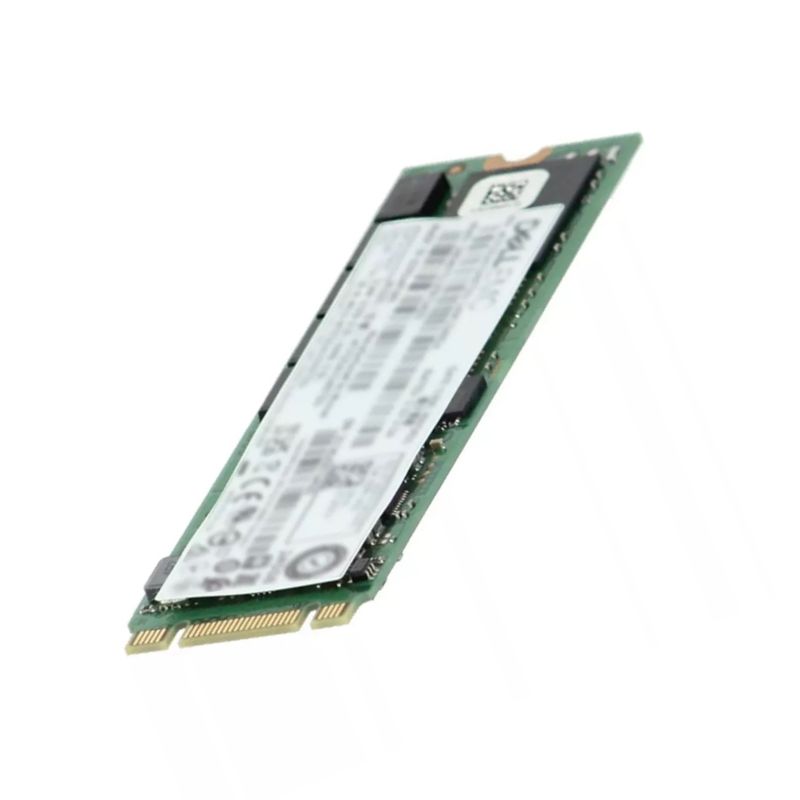
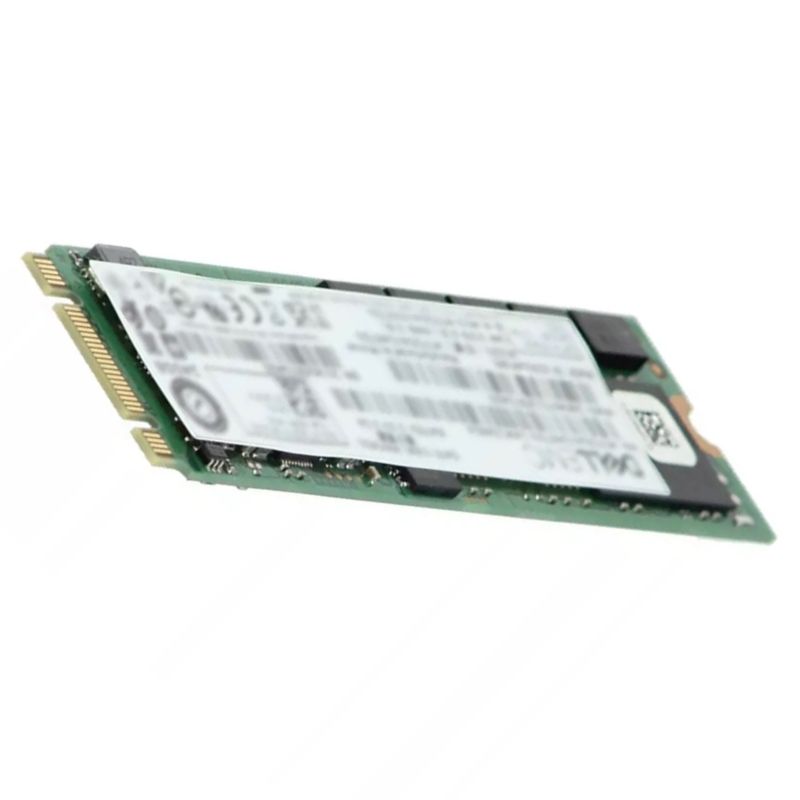
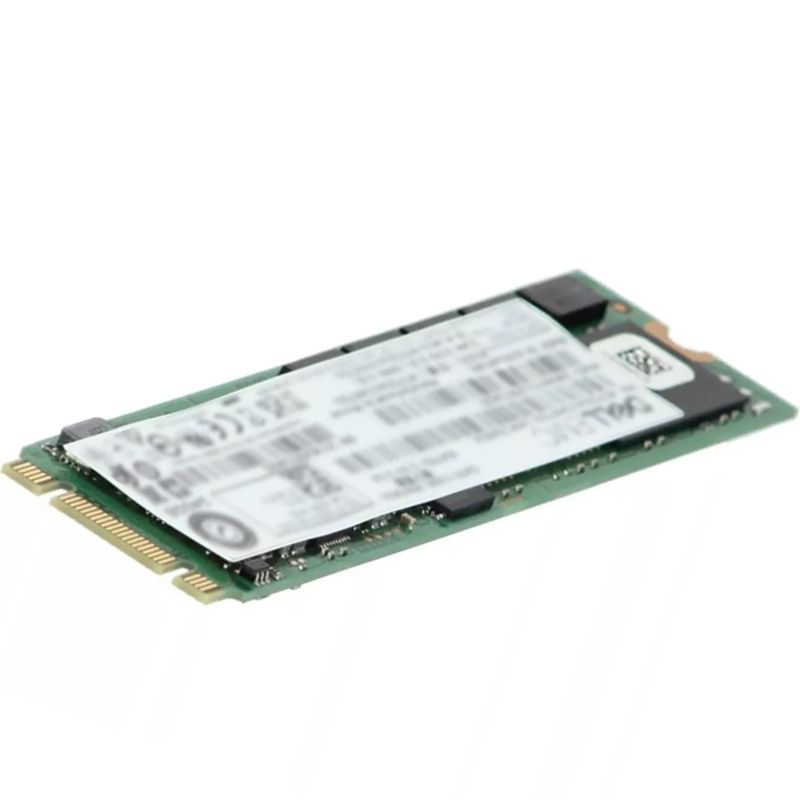
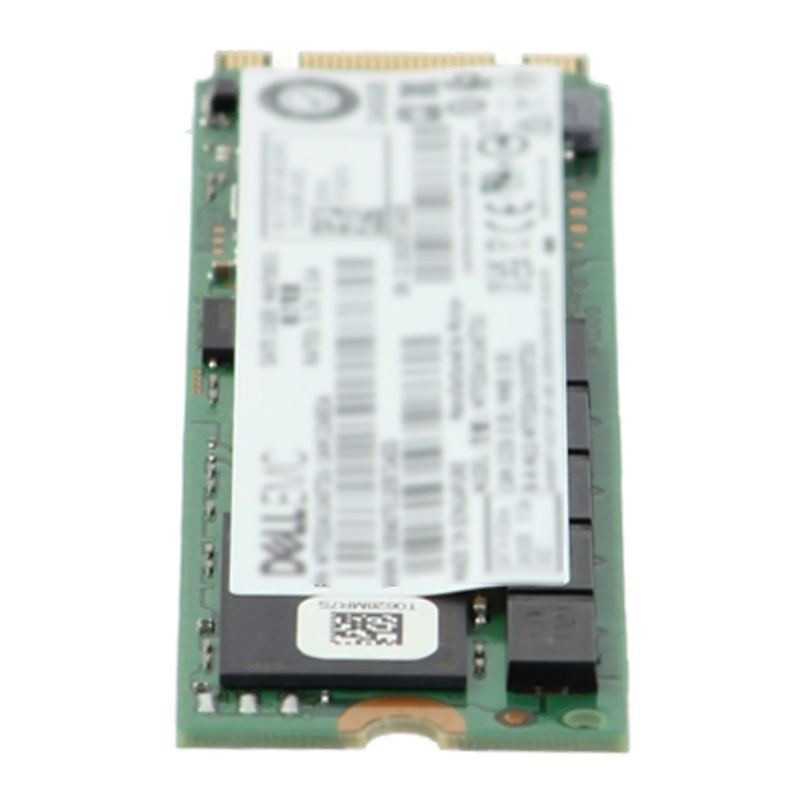
Dell 345-BLDT 240GB SATA 6GBPS M.2 Enterprise Class 64L TLC SSD for Boss Card. Excellent Refurbished with 1 year replacement warranty
Product Overview of Dell 345-BLDT 240GB SATA-6GBPS SSD
The Dell 345-BLDT 240GB SATA-6Gbps M.2 2280 SSD is an enterprise-class, high-performance solid-state drive built to deliver consistent reliability and superior data throughput for Dell PowerEdge servers. Designed with advanced 64-layer Triple Level Cell (TLC) 3D NAND flash technology, this SSD ensures fast data access speeds and optimal performance for read-intensive applications. Its M.2 2280 form factor and SATA III interface make it a versatile and energy-efficient solution for business-grade storage environments.
The Dell 345-BLDT 240GB SATA 6Gbps M.2 Enterprise Class 64L TLC SSD category represents high-performance, compact storage modules engineered specifically for business-class servers, workstations, and storage expansion cards such as Boss Card and similar enterprise controllers. This category emphasizes a balance of endurance, performance, and cost-efficiency by combining a 240GB capacity with a mature 64-layer TLC NAND architecture and SATA 6Gbps interface in an M.2 2280 (or M.2 form factor variant) package. Products in this category are typically targeted at system integrators, IT administrators, and procurement teams who require reliable boot drives, caching devices, or read-heavy application storage that works seamlessly with Dell platforms.
When evaluating a Dell 345-BLDT class SSD, it’s important to translate the published specifications into real-world impact. Below are the common technical figures and why they matter:
The 240GB nominal capacity is presented by manufacturers as total flash memory available before formatting and reserved space for over-provisioning. In practical deployment, the usable capacity after formatting will be slightly lower (usually ~223–238GB depending on file system and reserved vendor over-provisioning). This capacity is well-suited for:
OS installation and system boot volumes.Metadata and caching tiers in hybrid storage arrays.
Read-cache for frequently accessed datasets in virtualized hosts.
SATA III at 6Gbps is a broadly supported interface in enterprise systems and in many Dell server architectures. While NVMe PCIe devices deliver higher raw throughput, SATA SSDs remain valuable for:
Compatibility with legacy controllers, BOSS cards that present SATA channels, and environments where NVMe lanes are scarce.Deterministic latency and mature drivers across OS and hypervisors.
64-layer TLC flash represents a generation of NAND that balances cost with endurance. In enterprise-grade SSDs, controller firmware and over-provisioning compensate for TLC’s lower write endurance vs. MLC or SLC:
Endurance: Typically specified in DWPD (Drive Writes Per Day) or TBW (Total Bytes Written) — adequate for boot and read-heavy roles.
Performance consistency: Modern enterprise SSDs implement background garbage collection and thermal/power management to maintain steady performance.
Enterprise-class SSDs such as models in this category often ship with firmware tuned for stability under sustained loads, and many are validated by Dell for compatibility with their BIOS, controllers, and BOSS Card firmware versions.
The 240GB capacity is ideal for dedicated OS/boot drives across rack servers and blade systems. Benefits include faster boot times, reduced maintenance windows, and isolation of system-critical storage from application data to improve recoverability.
In hybrid storage topologies, placing OS images, active metadata, or frequently accessed hot blocks on a 240GB M.2 SATA SSD significantly reduces latency and I/O contention on backend HDD arrays. When used with controller-based caching solutions such as Dell’s caching features on BOSS cards, these SSDs accelerate I/O-bound workloads.
For small virtualization clusters or edge deployments, 240GB M.2 SSDs can host hypervisor boot images, local swap, and small VMs. Their compact form factor and SATA compatibility make them useful where NVMe is not supported or when upgrading existing SATA-based systems.
Edge servers benefit from the durability and low power consumption of M.2 SATA SSDs. Use cases include local logging buffers, OS drives in remote Dell servers, and cache tiers in distributed branch-office storage deployments.
Organizations upgrading older spinning disks or aging SATA SSDs can use this category to modernize server boot/storage without redesigning the system I/O architecture. The drives are typically hot-pluggable only when used with adapter trays that support M.2 in hot-swap bays; otherwise they replace internal M.2 modules with minimal downtime.
Enterprise-class SSD categories provide higher reliability than consumer flash through features designed for continuous operation:
Manufacturers express endurance as TBW (Terabytes Written) or DWPD. For a 240GB TLC enterprise SSD, expect moderate TBW figures suitable for light-to-moderate write loads—perfect for boot, caching, and read-centric storage tiers. If your environment generates heavy sustained writes (e.g., large database logging), consider higher-endurance alternatives (MLC or higher capacity TLC with greater TBW).
Power-loss protection: Some enterprise SSDs include capacitors or firmware features to reduce the risk of data corruption during sudden power loss. Confirm the presence of these features if data integrity is critical.
ECC & wear-leveling: Advanced ECC (Error-Correcting Code) and wear-leveling algorithms prolong device life and maintain steady performance.
Enterprise SSD categories often include features to assist with compliance and security:
Some models support AES encryption (e.g., AES-256) with TCG Opal or IEEE 1667 support. These features aid in meeting data protection requirements but require coordination with OS/hypervisor support for pre-boot authentication or key management.
SMART attributes, vendor telemetry, and SMART report logs feed into monitoring systems (Nagios, Zabbix, iDRAC health alerts). Use these signals for predictive failure analysis and proactive replacement schedules.


 Contact Us
 Information
 Catalog
 Solid State Drives (SSD)
 Network Switches
 Hard Disk Drives
 HBA & Controllers
 PC & Servers
 PC & Server Memory
 CPU & Processors
 Network Routers
 Power Supplies
 Tape Drives & Libraries
 Network Devices
 Computer & Network Cables