(7% discount is applied at checkout)
Cart is empty
Your go-to destination for cutting-edge server products
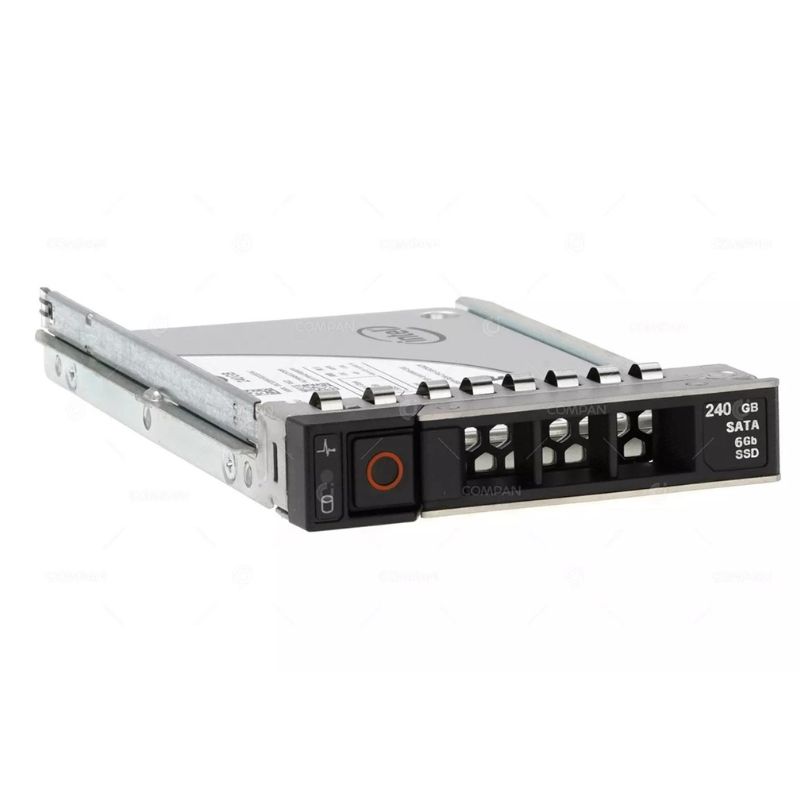


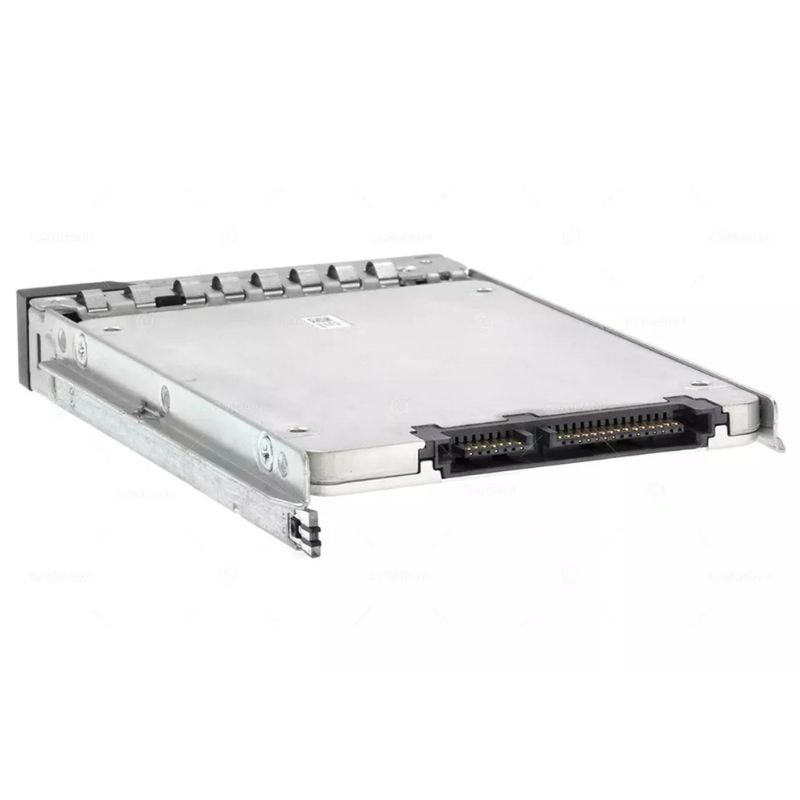
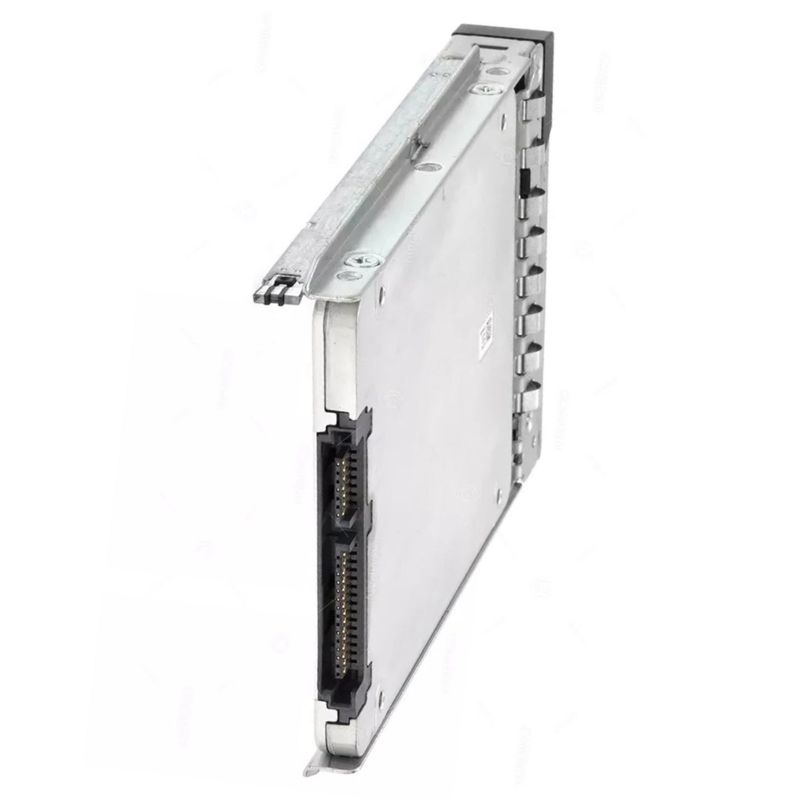
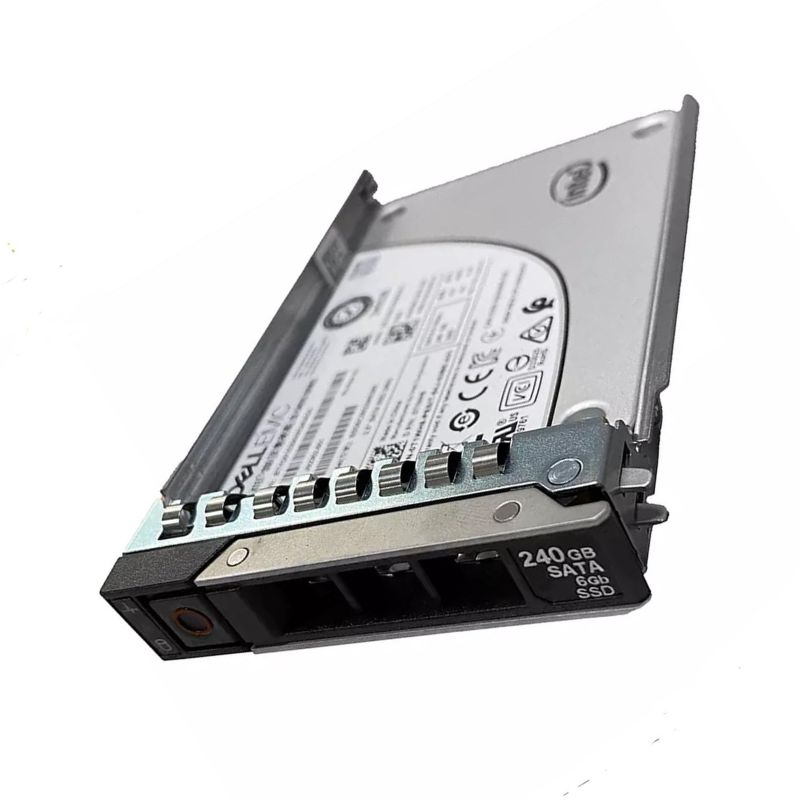
Dell 345-BLFD 240GB SATA-6GBPS Mixed-Use TLC 2.5 Inch SSD with Tray. Excellent Refurbished with 1 year replacement warranty
Discover a reliable enterprise-grade storage solution engineered for performance and durability. This Dell solid-state drive is designed to deliver consistent speed and dependable functionality for diverse workloads.
The Dell 345-BLFD represents enterprise-grade solid state storage engineered for consistent performance in mixed workload environments. This 240GB capacity drive utilizes the widespread 2.5-inch form factor with SATA 6Gbps interface compatibility, making it suitable for both legacy system upgrades and new deployments where SATA infrastructure prevails. The drive's foundation in TLC (Triple-Level Cell) NAND flash technology strikes an optimal balance between cost-effectiveness and endurance, specifically tuned for the demands of mixed-use scenarios where both read and write operations occur frequently.
With 240GB of raw NAND flash storage, this SSD provides substantial space for operating systems, applications, and active data sets. The physical design conforms to the 2.5-inch industry standard, measuring 7mm in height, and includes a mounting tray for seamless integration into server bays, storage arrays, and computing systems designed for 2.5-inch drives. This form factor universality ensures compatibility across a vast ecosystem of enterprise and commercial hardware without requiring special brackets or adapters.
The SATA Revision 3.0 interface, also known as SATA 6Gbps, delivers maximum theoretical transfer speeds of up to 600MB/s. While not matching the throughput of NVMe solutions, SATA remains deeply entrenched in data center and business computing environments, offering a reliable, mature technology with broad driver support across operating systems. The SATA interface ensures this drive can drop into existing infrastructure without requiring host system hardware changes, making it an economical upgrade path from mechanical hard drives.
Unlike read-intensive SSDs designed primarily for static data retrieval or write-intensive SSDs engineered for constant data logging, mixed-use solid state drives like the Dell 345-BLFD are balanced to handle environments where both read and write operations occur with significant frequency. This makes them ideally suited for applications such as database servers, virtualization hosts, collaboration servers, and other business applications where data is both frequently accessed and regularly updated.
The endurance of TLC NAND in mixed-use configurations is achieved through advanced wear-leveling algorithms, over-provisioning (reserving extra NAND capacity beyond the advertised storage space), and sophisticated garbage collection mechanisms. These technologies work in concert to distribute write operations evenly across all available memory cells, preventing premature wear on specific sectors and extending the operational lifespan of the drive under demanding mixed workload conditions.
Mixed-use SSDs typically demonstrate consistent performance under varying read/write ratios, maintaining input/output operations per second (IOPS) and latency profiles that remain stable even as workload characteristics shift. The Dell 345-BLFD employs a combination of DRAM caching and intelligent SLC (Single-Level Cell) caching techniques to accelerate write operations, absorbing burst writes quickly before later transferring them to the underlying TLC NAND during idle periods.
Triple-Level Cell NAND flash stores three bits of data per memory cell, providing higher storage density and lower cost per gigabyte compared to SLC (one bit per cell) and MLC (two bits per cell) alternatives. While traditional TLC NAND faced criticism for lower endurance in early implementations, modern TLC with advanced error correction, sophisticated controller algorithms, and improved semiconductor processes delivers reliability suitable for many enterprise and commercial applications.
The TLC NAND implemented in the Dell 345-BLFD differs significantly from consumer-grade TLC flash. Enterprise TLC undergoes more rigorous screening and binning processes, ensuring higher quality silicon with better endurance characteristics. Additionally, enterprise TLC drives typically feature more robust error correction codes (ECC), power-loss protection circuits, and thermal throttling mechanisms designed to maintain data integrity during unexpected power events and under sustained heavy workloads.
Data integrity remains paramount in enterprise storage, and the Dell 345-BLFD incorporates multiple technologies to ensure data remains uncorrupted throughout the drive's operational life. Advanced ECC algorithms correct bit errors that naturally occur during NAND flash operation, while end-to-end data path protection verifies data integrity from the host interface through the controller and into the NAND array. These features work in conjunction with RAID support capabilities to create a comprehensive data protection scheme.
At the heart of the Dell 345-BLFD lies a sophisticated SSD controller specifically tuned for mixed-use workloads in enterprise environments. This controller manages all aspects of drive operation, including wear leveling, bad block management, garbage collection, error correction, and host communication. The firmware running on this controller incorporates Dell-specific optimizations for predictable quality of service (QoS), consistent latency profiles, and compatibility with Dell PowerEdge servers and storage systems.
The inclusion of DRAM cache serves multiple critical functions in SSD operation. It acts as a fast buffer for incoming writes, stores the flash translation layer (FTL) mapping table that correlates logical block addresses to physical NAND locations, and facilitates read caching for frequently accessed data. The presence of dedicated DRAM significantly improves overall performance, particularly for random access patterns common in database and virtualization workloads.
Enterprise storage demands predictable power characteristics, and the Dell 345-BLFD is engineered to operate within specified power envelopes during various operational states. Typical active power consumption remains low compared to traditional hard drives, while advanced power states allow for reduced energy use during idle periods. The drive operates within standard enterprise temperature ranges and can withstand typical vibration and shock levels encountered in data center environments.
The Dell 345-BLFD maintains broad compatibility with Dell PowerEdge servers, Dell Storage arrays, and third-party systems supporting standard 2.5-inch SATA drives. The inclusion of a mounting tray facilitates direct installation into server drive bays designed for hot-swap capabilities. Backward compatibility with SATA 3Gbps and 1.5Gbps interfaces ensures operation in older systems, though at reduced maximum throughput.
In optimal conditions, the Dell 345-BLFD delivers sequential read speeds approaching the SATA 6Gbps interface limit of approximately 550MB/s, with sequential write performance dependent on workload characteristics and available cache. Random performance, typically measured in IOPS (Input/Output Operations Per Second), demonstrates the drive's capability to handle numerous small transactions simultaneously—a critical metric for database and virtualization applications.
While burst write performance benefits from SLC caching technology, sustained write operations eventually write directly to TLC NAND at lower speeds. The drive's mixed-use optimization ensures this transition occurs gracefully while maintaining consistent latency profiles. The specific write performance varies based on workload patterns, available over-provisioning, and drive wear state.
As a boot device in servers, the Dell 345-BLFD dramatically reduces operating system startup times and improves overall system responsiveness compared to traditional hard drives. When used for application storage, it decreases loading times for business applications and databases, improving user productivity and system efficiency across the organization.
In virtualization environments, storage performance directly impacts the number of virtual machines a host can support and the consistent performance those VMs deliver. The mixed-use characteristics of this SSD make it suitable for storing virtual machine disks where both OS reads and application writes occur simultaneously across multiple VMs.
Database applications benefit significantly from the random I/O performance of SSDs, with table indexes, transaction logs, and frequently accessed tables seeing performance improvements. The mixed-use optimization ensures consistent performance during both read-heavy query operations and write-intensive transaction processing common in database workloads.
In storage systems with automated tiering, the Dell 345-BLFD can serve as a performance tier for active data, while less frequently accessed data resides on higher-capacity, lower-performance storage. This approach optimizes both performance and cost in large-scale storage deployments.
Compared to mechanical hard drives, the Dell 345-BLFD offers orders of magnitude improvement in random I/O performance, significantly lower access latency, silent operation, reduced power consumption, and greater physical robustness due to no moving parts. These advantages come at a higher cost per gigabyte but deliver substantially better performance for I/O-sensitive applications.
Read-intensive SSDs prioritize cost reduction over write endurance, typically using the same TLC NAND but with less over-provisioning and optimized firmware for predominantly read workloads. The mixed-use Dell 345-BLFD offers better write endurance and more consistent write performance at a slightly higher price point, making it more suitable for balanced workloads.


 Contact Us
 Information
 Catalog
 Solid State Drives (SSD)
 Network Switches
 Hard Disk Drives
 HBA & Controllers
 PC & Servers
 PC & Server Memory
 CPU & Processors
 Network Routers
 Power Supplies
 Tape Drives & Libraries
 Network Devices
 Computer & Network Cables