(7% discount is applied at checkout)
Cart is empty
Your go-to destination for cutting-edge server products
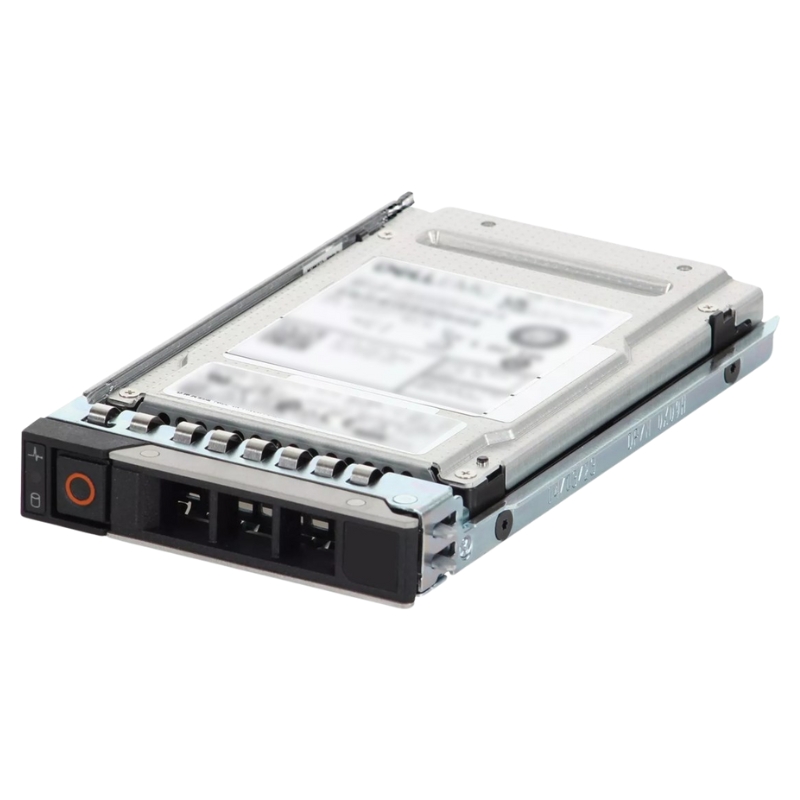


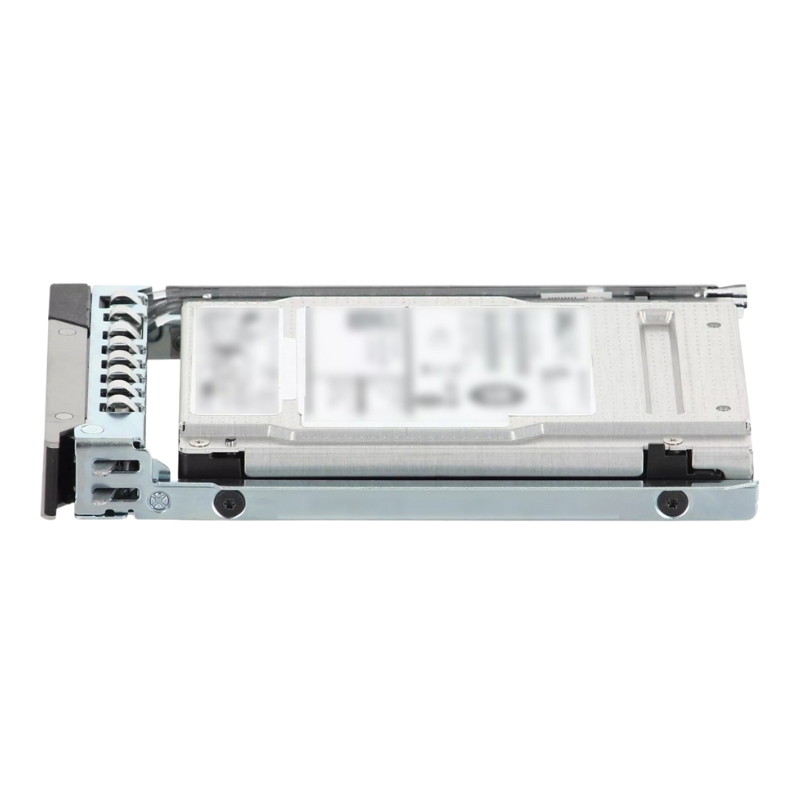
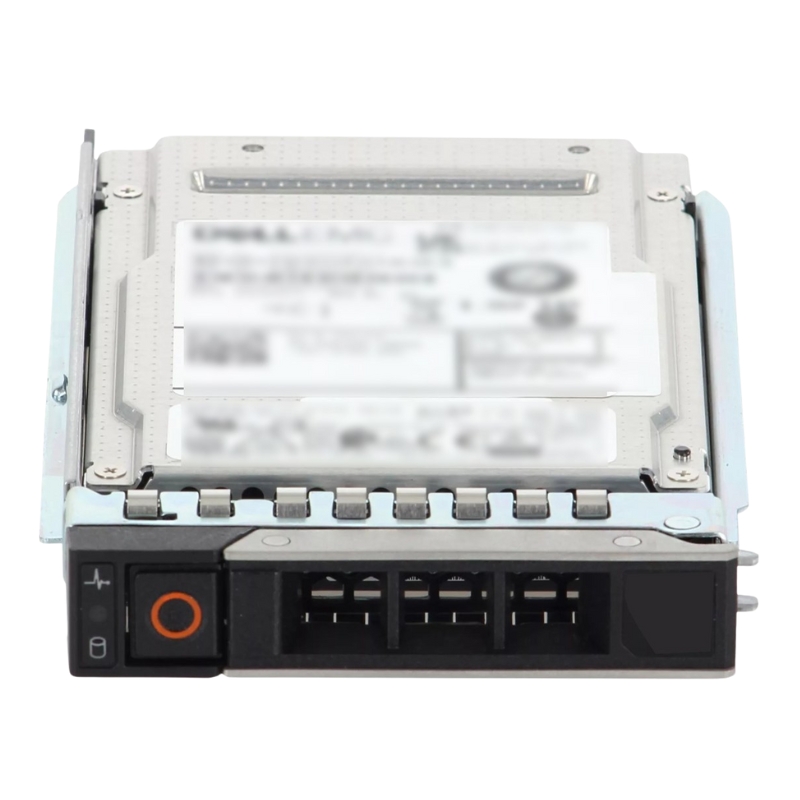
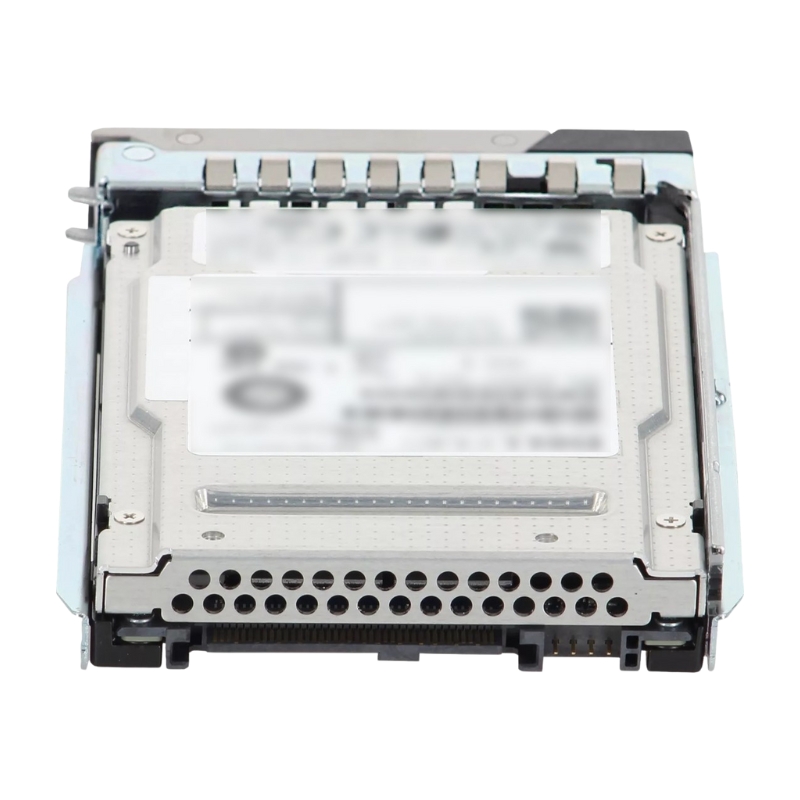
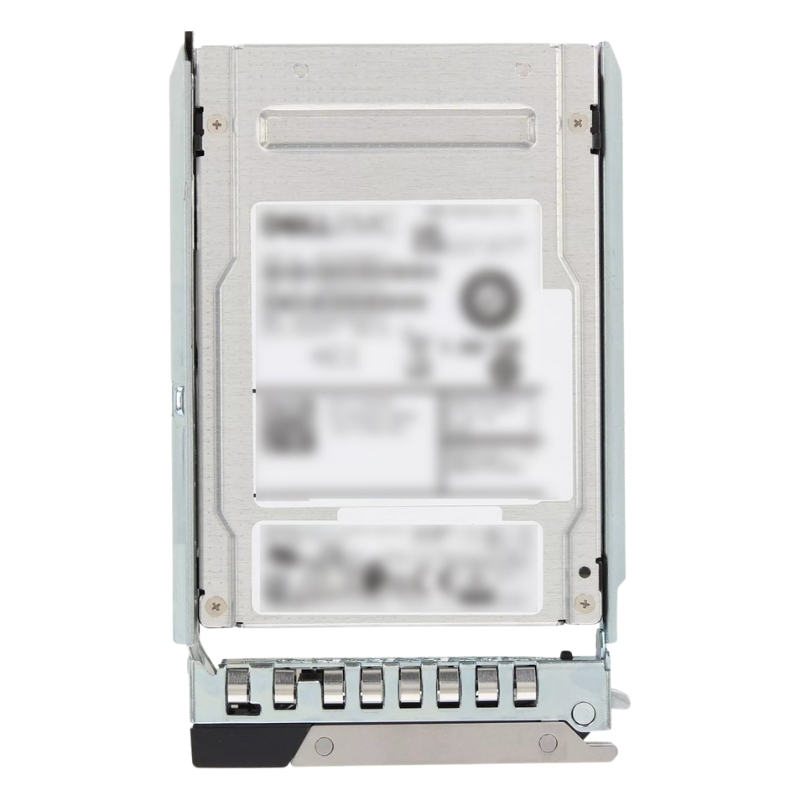
Dell 345-BLFH 15.36TB SAS-24Gbps Read-Intensive 1DWPD 2.5Inch Hot-Plug Solid State Drive for Server. New Sealed in Box (NIB) with 1 year Warranty
The Dell 345-BLFH solid state drive is a high-capacity, read-optimized enterprise SSD designed for modern data centers and server workloads. Built with advanced SAS-4 technology and reliable NAND flash, this hot-plug drive delivers exceptional speed, durability, and data protection for mission-critical environments.
The landscape of enterprise data storage is defined by the relentless pursuit of density, speed, and endurance. Within this critical sphere, the Dell 345-BLFH 15.36TB SAS-24Gbps 2.5-inch SSD represents a pinnacle category: high-capacity, read-intensive solid-state storage for modern server environments. This category caters to data centers and IT infrastructures where storing vast datasets for rapid access is paramount, but the extreme write demands of transactional databases are not the primary workload. Devices like the 345-BLFH are engineered to bridge the gap between traditional hard disk drive (HDD) arrays and ultra-high-performance NVMe solutions, offering a transformative balance of immense capacity, robust reliability, and the predictable performance of the SAS interface.
This category is specifically designed for read-centric applications. The 1 DWPD (Drive Writes Per Day) endurance rating is a key classifier, indicating the drive is optimized for workloads where data is written once and read many times. This makes it an ideal successor to SATA SSDs and HDDs in tiered storage architectures, handling the bulk of "warm" data that requires consistent low-latency access without the cost premium of write-intensive drives. The 24Gbps SAS interface doubles the bandwidth of the previous 12Gbps generation, ensuring the massive capacity of 15.36TB is not bottlenecked by the connection, enabling efficient data streaming and serving.
Understanding the Dell 345-BLFH category requires a deep dive into the specifications that define its performance profile and compatibility. These are not merely numbers; they are the blueprint for integration and performance within your server ecosystem.
The Serial Attached SCSI (SAS) interface at 24 gigabits per second (Gbps) is the cornerstone of this drive category. Unlike the consumer-oriented SATA protocol, SAS is built for the enterprise, offering critical features for server environments.
A defining feature of SAS SSDs like the 345-BLFH is dual-port capability. This means the drive has two independent physical pathways to two different host controllers. In a configured redundant array or server setup, if one path fails, the other immediately takes over without service interruption. This is non-negotiable for mission-critical applications requiring maximum uptime and is a key advantage over single-port SATA drives.
SAS operates in full-duplex mode, meaning it can send and receive data simultaneously on its ports, effectively doubling the potential throughput. Furthermore, the SAS protocol includes extensive error reporting, logging, and recovery controls, allowing system administrators to proactively monitor drive health and ensure data integrity far beyond the capabilities of SATA.
The massive 15.36TB (Terabyte) capacity in a standard 2.5-inch form factor represents a significant consolidation opportunity.
Replacing a bank of lower-capacity HDDs or older SSDs with a few 15.36TB drives drastically reduces the physical footprint and power consumption per terabyte, leading to lower operational costs (OpEx) and increased compute density.
Managing fewer drives for the same total storage capacity simplifies RAID configurations, reduces failure domain complexity, and eases administrative overhead for provisioning and maintenance.
DWPD measures how many times the total drive capacity can be written to per day over its warranty period (typically 5 years). A 1 DWPD rating for a 15.36TB drive means you can write 15.36 terabytes of data every day for five years. This is more than sufficient for a vast array of read-heavy workloads, making it a cost-optimal choice compared to 3-10 DWPD write-intensive drives.
The 2.5-inch (small form factor, SFF) hot-plug drive bay is ubiquitous in modern servers and storage arrays. The "hot-plug" capability is essential.
It allows for the safe removal and insertion of the Dell 345-BLFH SSD while the server remains powered on and operational. This enables seamless maintenance, upgrades, and failed drive replacements without triggering system downtime, aligning perfectly with the demands of 24/7 data center operations.
The Dell 345-BLFH category is purpose-built for specific server workloads that benefit from its unique blend of high capacity, read-optimized endurance, and SAS reliability. Deploying it in the right scenarios maximizes ROI and system performance.
Edge servers in CDN infrastructures or media streaming servers store vast libraries of static content—videos, images, software packages, game assets. This content is written once (upon ingestion) and then served to millions of users (read-intensive). The high capacity of the 345-BLFH allows more content to be cached on fast local storage at the edge, reducing origin server load and improving user experience with lower latency playback or downloads.
In server virtualization (VMware vSphere, Microsoft Hyper-V) and Virtual Desktop Infrastructure (VDI), storage performance is crucial. For VDI, particularly in non-persistent or "gold image" scenarios, the master image is read by dozens or hundreds of virtual desktops during boot storms and login events. This is an intensely read-heavy operation. Using drives like the 345-BLFH for the image repository accelerates provisioning and login times. Similarly, in general virtualization, they are excellent for storing library ISOs and virtual machine templates that are frequently read but rarely modified.
Modern storage arrays and software-defined storage solutions utilize automated tiering. Frequently accessed ("hot") data lives on the fastest NVMe drives, less-frequent ("warm") data resides on SAS SSDs like the 345-BLFH, and archival ("cold") data moves to high-capacity HDDs or tape. The 15.36TB SAS SSD is the ideal warm tier, offering a vast pool of performant flash for active datasets that don't require the absolute lowest latency, optimizing overall storage cost and performance.
Successfully deploying the Dell 345-BLFH or similar drives requires careful attention to server and infrastructure compatibility.
While the 2.5-inch form factor is standard, the interface generation is critical. To leverage the full 24Gbps bandwidth, the server's SAS host bus adapter (HBA) or RAID controller and the drive backplane must also support SAS-24Gbps (or SAS-12Gbps with backward compatibility). A 24Gbps drive in a 6Gbps backplane will operate at the lower speed. Always verify your server's technical guide or compatibility matrix for supported drive types and interface speeds.
When integrating high-capacity SSDs into a RAID array, careful planning is needed.
For read-intensive workloads, RAID 5 or RAID 6 are often preferred for their efficient use of capacity while providing parity-based fault tolerance. The fast read performance of SSDs mitigates the traditional "write penalty" associated with these RAID levels. RAID 10 offers superior write performance and rebuild times but at a 50% capacity overhead, which may negate the density advantage of 15.36TB drives for some use cases.
The rebuild time for a 15.36TB drive, even an SSD, is non-trivial. While much faster than an equivalent HDD, it's crucial to monitor array health and have a spare strategy. Enterprise RAID controllers with SSD-optimized rebuild algorithms are highly recommended.
Ensure the server's operating system has the latest storage drivers and firmware. For optimal performance and health monitoring, utilize Dell-specific management tools like OpenManage Server Administrator (OMSA) or the vendor-supplied SSD management utilities. These tools can report detailed SMART attributes, wear level indicators, and temperature data specific to the Dell 345-BLFH drive, enabling proactive maintenance.


 Contact Us
 Information
 Catalog
 Solid State Drives (SSD)
 Network Switches
 Hard Disk Drives
 HBA & Controllers
 PC & Servers
 PC & Server Memory
 CPU & Processors
 Network Routers
 Power Supplies
 Tape Drives & Libraries
 Network Devices
 Computer & Network Cables